Can Smoking Hide Gum Disease?
Can Smoking Hide Gum Disease?
Short answer: Yes, in some individuals, smoking can make visible signs of inflammation of gum disease, particularly bleeding and redness, less apparent. However, this does not mean that the gums are healthy. On the contrary, smoking is one of the significant risk factors for the development and progression of periodontitis.
The absence of gum bleeding when a smoker brushes their teeth might initially be perceived as a positive sign. However, substances in tobacco smoke and nicotine can alter the vascular response, immune system, and inflammatory response of periodontal tissues. As a result, even though the gum disease persists, important warning signs like bleeding may be observed less frequently than expected.
Therefore, especially in individuals who have been smoking for a long time, the idea of “My gums aren’t bleeding, so I don’t have gum disease” can be misleading. Periodontitis can sometimes progress without causing pain and with quite limited visible symptoms.
In the evaluation of gum health, it is not only observed whether there is bleeding or not. Periodontal pocket depth, clinical attachment loss, gum recession, calculus, plaque amount, tooth mobility, and, when necessary, the radiographic appearance of the jaw bone are evaluated together.
For detailed information about the diagnosis and treatment of gum diseases, you can review Melsadent’s Gum Disease Treatment (Periodontology) page.
How Can Smoking Mask Gum Disease?
A healthy immune system generates an inflammatory response against bacterial plaque accumulated at the gum margin. When gingivitis develops, redness, swelling, and bleeding during brushing or periodontal probing may be observed in the gums.
However, this picture may differ in smokers. The effect of smoking on periodontal tissues is not dependent on a single mechanism only. Nicotine and other components in tobacco smoke can affect microcirculation, vascular response, the functions of immune cells, and the tissues’ response to inflammation.
Consequently, although disease is present in the periodontal tissues of some smokers, gum bleeding and redness may be less pronounced than expected.
This situation has also been investigated for a long time in the scientific literature. In the scientific review indexed in PubMed evaluating the relationship between smoking and periodontal disease, it is pointed out that long-term and intensive smoking can reduce gum bleeding, thereby masking the bleeding symptom used in the evaluation of periodontal health.
Similarly, an academic study examining the effects of smoking on periodontal tissues reports that the finding of bleeding on probing in smokers may be less pronounced compared to non-smokers.
The point to note here is: Smoking does not eliminate inflammation; it can alter the appearance of some clinically noticeable signs of inflammation.
Does the Absence of Gum Bleeding Mean Healthy Gums?
No. The absence of gum bleeding alone is not proof of periodontal health.
Gum bleeding is an important clinical finding, especially for gingivitis and periodontitis. However, periodontal assessment is not based solely on this symptom. Different factors such as smoking, medications used, oral hygiene habits, and the affected area can influence the clinical appearance.
During a periodontal examination, the dentist evaluates various parameters together:
- Periodontal pocket depth
- Bleeding on probing
- Clinical attachment loss
- Gum recession
- Amount of calculus and bacterial plaque
- Tooth mobility
- Changes in interdental contacts
- Condition of furcation areas
- Radiographic bone loss when necessary
Therefore, seeing pink gums that do not bleed excessively in the mirror does not necessarily indicate that the periodontal tissues are completely healthy.
This topic is also discussed in detail in Melsadent’s guide titled Can Oral Health Be Poor Even When Teeth Look Healthy?
Is Periodontitis More Risky in Smokers?
Yes. Smoking is currently considered one of the most important modifiable risk factors for periodontitis.
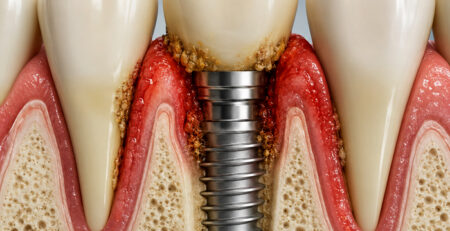
Periodontitis is not merely a disease that causes superficial redness in the gums. As the disease progresses, the connective tissues between the tooth and the gum can be damaged, periodontal pockets can deepen, and bone loss in the jaw supporting the teeth can develop.
A comprehensive systematic review and meta-regression study published in PubMed concluded that smoking increases the risk of periodontitis development or progression. The combined results of the studies evaluated in the research reported that smoking increases the risk of periodontitis by approximately 85 percent.
This percentage does not directly indicate the personal risk of every individual. Because the risk of periodontal disease;
- daily cigarette intake,
- duration of smoking,
- genetic predisposition,
- oral hygiene,
- systemic diseases such as diabetes,
- age,
- history of previous periodontal disease
can be influenced by many factors.
However, the common message from scientific data is clear: Smoking is not protective for periodontal tissues; on the contrary, it is a significant risk factor.
Why Does Smoking Increase the Risk of Gum Disease?
Explaining the effect of smoking on periodontal disease solely as “narrowing the blood vessels in the gums” is not sufficient. Periodontitis is a complex disease, and smoking can affect multiple biological mechanisms.
1. It Can Alter the Immune System’s Response
Bacterial biofilm is an important initiating factor in periodontal disease. However, the severity of the damage that occurs in tissues is not solely dependent on the quantity of bacteria; the immune system’s response to these bacteria is also important.
Smoking can alter the functions of some immune cells. Its effects on neutrophils, antibody response, and inflammatory mediators can impair the defense of periodontal tissues against bacterial biofilm.
Therefore, in a person who smokes, the relationship between the bacterial load in the mouth and the clinical response of the tissues may differ from that in a non-smoker.
2. Can Affect the Circulation of Gum Tissues
Periodontal tissues require adequate blood circulation to remain healthy and to heal when damaged.
Nicotine and various substances in cigarette smoke can affect the microcirculation and vascular response of periodontal tissues. These changes can contribute to both a different clinical appearance of inflammation and a negative impact on tissue healing.
One of the mechanisms behind why gum bleeding may be less noticeable in smokers is this altered vascular response.
3. Can Hinder Periodontal Healing
It is important for tissues to heal after scaling, root planing, or other periodontal treatments.
Smoking can negatively affect wound healing and reduce the clinical benefits obtained from periodontal treatment.
In the systematic review and meta-analysis published on this topic, it was reported that periodontitis patients who smoke showed a smaller reduction in periodontal pocket depth and less clinical attachment gain after non-surgical periodontal treatment compared to non-smokers.
4. Can Contribute to the Progression of Periodontal Tissue Destruction
Long-term periodontal inflammation can damage the connective tissues supporting the tooth and the jawbone.
Smoking is associated with the progression of this process. Moreover, since early warning signs such as bleeding may be reduced in some individuals, periodontal pockets or bone loss may have reached a more advanced stage by the time the disease is noticed.
Therefore, regular periodontal evaluation in smokers is important not only for treating existing complaints but also for the early diagnosis of undetected disease.
How Do We Know If a Smoker Has Gum Disease?
Since bleeding may be less pronounced in smokers, other symptoms should also be considered.
If one or more of the following changes are present, a periodontal evaluation may be recommended:
- Persistent or recurrent bad breath
- Gum recession
- Teeth appearing longer than before
- Spaces opening up between teeth
- Increased food accumulation between teeth
- Loose or shifting teeth
- Discomfort while chewing
- Discharge or inflammation between the gum and tooth
- Increased prominence of tartar buildup
- Tooth sensitivity
- Formation of periodontal pockets
- Exposure of root surfaces due to gum recession
However, the absence of symptoms does not guarantee that there is no periodontitis. Periodontal disease can progress painlessly for a long time in some individuals.
For detailed information on the symptoms and treatment options of periodontitis, you can review Melsadent’s Understanding Periodontal Disease: Symptoms and Treatment Options content.
I Smoke But My Gums Never Bleed: Do I Still Need a Check-up?
Yes. Especially if you have been smoking for many years, the absence of gum bleeding does not negate the need for routine dental and periodontal check-ups.
In smokers, during a periodontal evaluation, in addition to gum bleeding, periodontal pocket measurements and clinical attachment level may gain more importance.
The dentist evaluates the areas between the tooth and the gum using a measuring tool called a periodontal probe. Periodontal pockets deeper than normal can be one of the important indicators of the disease.
When bone loss is suspected, radiographic examinations deemed necessary can also be added to the evaluation.
In other words, periodontitis cannot be diagnosed by looking in a mirror or merely checking for bleeding.
Can Gums Start Bleeding After Quitting Smoking?
Some individuals may notice that gum bleeding becomes more pronounced in the period after quitting smoking. This situation can vary from person to person and is not a definitive diagnostic indicator on its own.
After quitting smoking, along with changes in the circulation and inflammatory response of periodontal tissues, some previously suppressed clinical findings may become more visible.
Therefore, it is not correct to interpret gum bleeding that occurs after quitting smoking as “Quitting smoking ruined my gums.”
On the contrary, quitting smoking is a positive step for periodontal health.
In a systematic review and meta-analysis published in PubMed evaluating the effect of smoking cessation on periodontitis, it was reported that quitting smoking can reduce the risk of periodontitis onset and progression, and improve the clinical outcomes of periodontal treatment.
If there is new or persistent bleeding in the gum tissues after quitting smoking, it is necessary to evaluate whether existing gingivitis or periodontitis is present.
Does Gum Disease Go Away on Its Own After Quitting Smoking?
No. Quitting smoking is very valuable for periodontal health, but it alone does not eliminate existing calculus, deep periodontal pockets, or tissue loss caused by periodontitis.
For example, if hardened dental calculus is present on the tooth surface, simply brushing better or quitting smoking cannot remove it. Professional cleaning may be required.
If periodontitis is present, treatment is planned according to the severity of the disease. Approaches that can be applied include;
- personalized oral hygiene education,
- professional dental calculus cleaning,
- removal of accumulations under the gum,
- root surface debridement procedures,
- periodontal maintenance program,
- periodontal surgical treatments in appropriate cases
may be included.
Detailed information about periodontal treatment options can be found on Melsadent’s Periodontology and Gum Disease Treatment page.
Does Smoking Completely Stop Gum Bleeding?
No. It is not correct to say that everyone who smokes will not have bleeding gums.
Smokers can also develop significant bleeding during gingivitis or periodontitis. The scientifically important point here is that smoking can alter the tendency for bleeding in some individuals and in certain periodontal areas.
Therefore, two incorrect conclusions should be avoided:
- “I smoke, my gums don’t bleed; therefore, I am healthy.”
- “Smokers’ gums never bleed.”
Both statements are incorrect.
To learn more about the causes of gum bleeding, you can review the Melsadent guide titled How to Stop Gum Bleeding? Causes and Treatment.
What is the Difference Between Gingivitis and Periodontitis?
Gingivitis refers to inflammation limited to the gum tissue. It is generally associated with plaque accumulation and can be controlled with proper professional care and effective daily oral hygiene.
Periodontitis, on the other hand, is a more advanced periodontal disease. Loss can occur in tissues such as the periodontal ligament and alveolar bone supporting the tooth.
Among the symptoms of gingivitis are;
- redness,
- swelling,
- sensitivity,
- bleeding during brushing
can be found.
In periodontitis, in addition to these;
- periodontal pockets,
- clinical attachment loss,
- bone loss,
- gum recession,
- tooth mobility
may be observed.
Smoking is particularly important in this regard; because while superficial signs of inflammation may appear less noticeable, deeper periodontal tissue damage may continue.
Is there a Relationship Between Smoking and Gum Recession?
There is no single cause for gum recession. Incorrect or traumatic brushing, thin gum tissue, tooth position, periodontal diseases, and various local factors can contribute to recession.
However, smoking is one of the important risk factors for periodontal tissue destruction and disease progression, making it a factor that must be evaluated in a patient with gum recession.
As a result of gum recession, tooth roots may become exposed, teeth may appear longer, and sensitivity may develop on the root surfaces.
It is especially important for individuals who smoke and also have gum recession not to postpone their periodontal check-ups.
Can Smoking Increase Bad Breath?
Yes. Smoking can directly contribute to bad breath, and it can also contribute to making bad breath persistent when combined with issues like periodontal disease and dry mouth.
Deep pockets formed during periodontitis can create a suitable environment for bacteria. Bacterial products accumulated in these pockets can be associated with persistent bad breath.
Therefore, for an individual who smokes and experiences persistent bad breath, merely using mouthwash or mouth spray may not solve the underlying cause of the problem. Evaluation for dental calculus, periodontal pockets, and active periodontal disease may be necessary.
Does the Risk of Gum Disease Increase if Smoking and Diabetes Coexist?
Both smoking and diabetes are significant risk factors for periodontitis. Therefore, close evaluation of periodontal health is important in individuals where both conditions are present.
In people with diabetes, especially those with inadequate blood sugar control, periodontal inflammation and healing processes can be negatively affected.
To learn the mechanisms of this relationship in detail, you can read Melsadent’s content titled Why Does Diabetes Accelerate Gum Disease?
Can Periodontal Treatment Be Successful in Smokers?
Smoking does not mean that periodontal treatment cannot be performed. Periodontal treatments can also be applied to patients who smoke.
However, scientific research shows that smoking can negatively affect the clinical response to some periodontal treatments.
In smokers, the reduction in pocket depth and clinical attachment gain after treatment may be more limited compared to non-smokers. Therefore, reducing and, if possible, quitting tobacco use is considered an important supportive part of the periodontal treatment plan.
In addition to smoking, the success of the treatment depends on;
- patient’s adherence to oral hygiene,
- initial level of periodontal disease,
- diabetes control,
- genetic and biological factors,
- continuation of regular periodontal maintenance appointments
many variables play a role.
Can Periodontitis Recur After Treatment?
Periodontitis is considered a chronic disease that requires regular monitoring after treatment. With treatment, inflammation can be controlled, and the progression of the disease can be stopped or slowed down; however, it cannot be guaranteed that the person will not experience periodontal problems again in the future.
Smoking is one of the important risk factors that should be taken into consideration for the re-progression of periodontal disease.
If plaque control remains inadequate after periodontal treatment, professional care appointments are missed, or smoking continues, the risk of the disease reactivating may increase.
For detailed information on this topic, you can review Melsadent’s guide titled Does Periodontal Disease Recur After Treatment?
What Should Smokers Do to Protect Their Gum Health?
To protect against periodontal diseases, merely monitoring gum bleeding is not enough. It should be remembered that the presence of bleeding can be misleading, especially in smokers.
To support gum health;
- Brush your teeth at least twice a day with the correct technique.
- Clean between your teeth with dental floss or interdental cleaning tools recommended by your dentist.
- If tartar has formed, have it professionally cleaned.
- Pay attention to changes such as gum recession, bad breath, or tooth mobility.
- Do not consider the absence of gum bleeding as a sole indicator of health.
- If you have a history of periodontal disease, follow the recommended maintenance program.
- Share systemic conditions that may increase periodontal risk, such as diabetes, with your dentist.
- Consider seeking professional support to quit smoking and other tobacco products.
- Do not neglect regular dental check-ups.
The goal is not just for the gums to look aesthetically pleasing, but for the surrounding connective tissues and bone to be preserved for many years.
Are Electronic Cigarettes Harmless for Gums?
It cannot be said that electronic cigarettes are completely harmless to periodontal tissues compared to traditional cigarettes. Electronic cigarettes can lead to exposure to nicotine and various aerosol components, and their effects on periodontal health are an area of ongoing scientific research.
Therefore, switching from classic cigarettes to electronic cigarettes should not be considered a definitive method of protection against gum disease.
Similarly, cigars, pipes, and smokeless tobacco products should not be considered risk-free for oral health.
Does Smoking Affect the Relationship Between Gum Disease and General Health?
Periodontitis is not considered merely a local problem occurring at the gum line. The relationship between chronic periodontal inflammation and various systemic conditions, especially diabetes and cardiovascular diseases, is being investigated.
Here, it is not accurate to establish a direct cause-and-effect relationship stating that “periodontitis definitively causes these diseases.” However, significant relationships exist due to common risk factors, inflammation, and immune mechanisms.
Since smoking is also an important risk factor for both periodontal disease and numerous systemic diseases, it can make an individual’s overall risk profile more complex.
For detailed information on the relationship between oral health and general health, you can review Melsadent’s guide titled How Does Gum Disease Affect the Body?
What is Examined in a Gum Check-up for Smokers?
During a periodontal examination, not only are teeth checked for decay.
The dentist, according to clinical need, examines;
- gum appearance,
- the amount of plaque and tartar,
- periodontal pocket depths,
- bleeding on probing,
- gum recession,
- clinical attachment levels,
- tooth mobility,
- bone support
can evaluate.
Information such as the patient’s daily cigarette consumption, how many years they have been smoking, and whether they have quit before can also be important in periodontal risk assessment.
Therefore, it is important to accurately report your smoking habits to your dentist.
When Should You See a Dentist?
If you smoke, you should not necessarily wait for pain or severe gum bleeding to occur for a periodontal examination.
The following symptoms, in particular, should be evaluated:
- Increasing gum recession
- New or persistent bad breath
- Loose teeth
- Change in tooth position
- Gaps forming between teeth
- Inflammation or discharge around the gums
- Discomfort during chewing
- Recurrent gum swellings
- Increased calculus accumulation
- Bleeding during brushing
However, it is important to maintain routine check-ups even without any symptoms. This is because periodontal disease can progress silently in its early stages.
Frequently Asked Questions
Does smoking really mask gum disease?
Smoking can make symptoms of inflammation, such as gum bleeding and redness, less noticeable in some individuals. For this reason, periodontal disease may appear less severe than it is. However, it is not correct to say that it makes the disease completely “invisible”.
I smoke, but my gums don’t bleed; could I still have periodontitis?
Yes. The absence of gum bleeding does not indicate the absence of periodontitis. Periodontal pocket depth, clinical attachment loss, and, if necessary, bone level should be evaluated.
Why can smoking reduce gum bleeding?
The effects of smoking on the microcirculation, vascular response, and immune system of periodontal tissues can alter clinical signs of inflammation. For this reason, bleeding may be observed less than expected in some smokers.
Is gum bleeding normal after quitting smoking?
Some individuals may notice more pronounced bleeding after quitting smoking. This does not mean that quitting smoking is harmful. It is appropriate to have a dentist evaluate for existing gingivitis or periodontitis.
Does periodontitis improve if smoking is quit?
Quitting smoking can reduce the risk of periodontitis and support the outcomes of periodontal treatment. However, professional periodontal care may be required to treat existing calculus, periodontal pockets, or tissue loss.
Does gum disease progress faster in smokers?
Scientific research shows that smoking is a significant risk factor for the development and progression of periodontitis. The risk can also be affected by daily consumption, duration of use, oral hygiene, and other personal factors.
Does smoking reduce the success of periodontal treatment?
Studies report that smokers may show more limited improvement in some clinical parameters after non-surgical periodontal treatment compared to non-smokers.
Does smoking a few cigarettes a day also affect the gums?
It cannot be said that low-level cigarette consumption is entirely safe. While the amount and duration of use are important for periodontal risk, there is no definitive level of tobacco exposure considered safe.
Are e-cigarettes safe regarding periodontitis?
It has not been proven that e-cigarettes are completely safe for periodontal tissues. Research on the nicotine and aerosol components of these products is ongoing.
Does periodontitis cause pain?
Not always. One of the important characteristics of periodontitis is that it can progress for a long time without causing significant pain. Therefore, going to the dentist only when there is pain is not sufficient for early diagnosis.
How can I definitively detect gum disease?
A definitive evaluation is made with a clinical periodontal examination. Gum appearance, bleeding on probing, periodontal pocket depth, clinical attachment loss, and, when necessary, radiographic bone level are evaluated together.
If You Smoke, Don’t Rely on the Absence of Bleeding
The most accurate answer to the question “Can smoking hide gum disease?” is: Smoking can make some symptoms of periodontal inflammation, especially gum bleeding, less obvious, and therefore make it more difficult to detect the disease.
However, the fact that smoking can reduce bleeding certainly does not mean it protects the gums. On the contrary, scientific data show that smoking is associated with the development of periodontitis, periodontal tissue loss, and a weaker response to periodontal treatment.
Therefore, it is not correct to evaluate gum health in smokers solely based on their appearance in the mirror or whether there is bleeding during brushing.
If there are symptoms such as gum recession, bad breath, tooth mobility, or bleeding, evaluation should not be delayed. Even if no symptoms are present, regular dental check-ups based on individual risk factors can help detect periodontal diseases early.
At Melsadent Oral and Dental Health Polyclinic, a personalized gum treatment and follow-up plan can be created in cases deemed necessary, by evaluating the condition of periodontal tissues.
Important: This content has been prepared for general informational purposes. It does not replace a personal diagnosis or treatment recommendation. A dental examination is necessary for your oral and dental health complaints.