Do Smart Toothbrushes Really Clean Better?
Do Smart Toothbrushes Really Clean Better?
Short answer: Smart toothbrushes can provide better oral hygiene for some individuals; however, the main reason for this is not solely because the brush is “smart” or AI-powered. The mechanical cleaning action of an electric brush, the timer reminding of the correct brushing duration, the sensor detecting excessive pressure, apps showing missed areas in the mouth, and feedback systems supporting regular usage habits can collectively provide benefits.
In other words, the presence of Bluetooth, a mobile app, or AI features does not automatically make a toothbrush a better cleaning device. What truly matters is that tooth surfaces are cleaned for a sufficient duration, with the correct pressure, and without missing any areas.
While scientific studies show that electric toothbrushes can offer some advantages in reducing plaque and gingivitis compared to manual brushes, the additional benefits provided by smart app features can vary from person to person. Therefore, it is not correct to generalize that “the most expensive smart toothbrush is the best toothbrush.”
The true value of a smart toothbrush can emerge especially for individuals who struggle to improve their brushing technique, brush for very short periods, apply too much pressure, or consistently miss certain areas in their mouth.
What Is a Smart Toothbrush?
A smart toothbrush is an oral care device that adds various sensors, Bluetooth connectivity, mobile application support, motion tracking, or artificial intelligence-based feedback systems to the cleaning features of a classic electric toothbrush.
Depending on the model, a smart toothbrush can offer some of the following features:
- Timer that tracks brushing time
- Pressure sensor that warns the user when too much pressure is applied
- Tracking how long areas in the mouth are brushed
- Showing missed tooth areas
- Connecting to a phone app via Bluetooth or Wi-Fi
- Recording daily brushing habits
- Providing personalized brushing recommendations to the user
- Reminding when to change the brush head
- Gamified brushing programs for children
- AI-powered movement and position analysis
There is an important distinction here: Not every electric toothbrush is a smart toothbrush. An electric toothbrush basically has a brush head that moves with the help of a motor. A smart toothbrush, on the other hand, adds the features of data collection, analysis, and providing feedback to the user to this system.
To examine the fundamental differences between electric and manual toothbrushes in more detail, you can also review Melsadent’s content titled Electric Toothbrush or Manual: Which is More Effective?.
How Does a Smart Toothbrush Track Teeth?
Next-generation smart toothbrushes use motion sensors, accelerometers, pressure sensors, and in some models, position detection technologies. This data is processed by the mobile application to estimate how much time the user dedicates to different areas inside their mouth.
For example, if a user consistently brushes their front teeth for a long time but doesn’t dedicate enough time to the inner surfaces of their lower back teeth, the application can indicate that this area is being neglected. Thus, the person can see not only the information “I brushed for two minutes” but also how evenly those two minutes were utilized.
This feature can be valuable, especially in changing brushing habits that people develop unconsciously. Many individuals, despite brushing their teeth daily, may consistently clean the same areas more and some areas less.
What Does an AI-Powered Toothbrush Do?
The phrase “AI-powered toothbrush” has started to be used quite frequently in marketing. However, this phrase does not describe the same technology in every product.
While some systems only generate simple alerts based on pre-defined sensor data, more advanced models can analyze movement patterns to estimate which area in the mouth is being brushed and generate personalized recommendations based on the user’s past behavior.
A scientific review published in 2025 regarding AI-based smart toothbrushes reports that these technologies can provide real-time feedback, particularly concerning brushing duration, applied pressure, and brushing habits. However, the clinical benefit of the technology depends not only on the device collecting data but also on the user actually implementing this feedback. The relevant scientific assessment can be accessed via Artificial-Intelligence-Based Smart Toothbrushes for Oral Health and Patient Education.
Has It Been Scientifically Proven That Smart Toothbrushes Clean Better?
When answering this question, two different topics need to be distinguished:
- The performance of electric toothbrushes compared to manual toothbrushes
- The extra benefit provided by adding smart sensors and an app to the same electric brush
Scientific evidence regarding electric toothbrushes is quite extensive. In a comprehensive systematic review conducted by Cochrane, it was reported that electric toothbrushes can provide a statistically significant reduction in plaque and gingivitis levels compared to manual brushes.
The review reported a relative reduction in plaque of approximately 11% in the short term, and approximately 21% in assessments longer than three months. The reported relative advantage for gingivitis was approximately 6% in the short term and approximately 11% in the longer term. However, the researchers also specifically state that the long-term clinical significance of these differences is not entirely clear. Source: Cochrane – Powered versus manual toothbrushing for oral health.
Therefore, there is scientific evidence supporting the advantage of electromechanical systems. However, it should not be concluded from this that “Bluetooth connectivity cleans plaques” or that “an AI-powered model is definitively better than a regular electric toothbrush.”
Does a Mobile App Really Provide Extra Benefits?
One of the most striking features of smart toothbrushes is their mobile applications. Apps can display brushing duration, pressure, and cleaned areas. However, scientific studies show that the extra benefit provided by the app is not the same for every user group.
In a randomized controlled study published in 2022, 90 dental students with gingivitis were divided into three groups: those using an app-supported interactive electric toothbrush, those using the same electric toothbrush without the app, and those using a manual toothbrush.
While groups using electric toothbrushes showed various advantages over manual brushes, no significant additional advantage was demonstrated between app-supported and app-free electric brushes in terms of plaque removal, gingivitis reduction, and gum abrasion. However, participants using the app were observed to have longer brushing durations.
This study points to an important observation: The most important contribution of smart features may sometimes not be to directly increase cleaning power, but to improve an individual’s behavior and consistency. The study can be accessed via PubMed.
Can Artificial Intelligence Make a Difference in Real Patients?
The use of smart toothbrushes, especially in individuals with periodontal disease, is also being investigated.
In a 2024 randomized clinical study published in the Journal of Clinical Periodontology, a digital intervention system consisting of an artificial intelligence-enabled multi-sensor electric toothbrush, a mobile application, and remote personalized messages was evaluated in patients with Stage II and III periodontitis.
At the end of the six-month follow-up, it was reported that oral hygiene performance was better in the technology-supported group, and an advantage in periodontal improvement was provided in addition to standard periodontal treatment.
However, there is an important scientific detail here: The study did not test “smart toothbrushes” alone. The toothbrush, mobile application, real-time feedback, and targeted messages from healthcare professionals were used together. Therefore, attributing the observed benefit solely to the device’s artificial intelligence feature would not be accurate.
The full study can be accessed via the PubMed – Enhanced control of periodontitis by an artificial intelligence-enabled multimodal-sensing toothbrush link.
Is the Most Important Advantage of a Smart Toothbrush its Cleaning Power?
Not always. One of the most important advantages of modern smart toothbrushes is that they make user behavior measurable.
It is possible for a person to brush for two minutes with the wrong technique. Similarly, a person might think they are brushing for the recommended duration but actually finish the process after 40-50 seconds. Smart systems can help identify such habits.
Therefore, the important benefits of a smart toothbrush can be evaluated under these three headings:
- Cleaning: Electric motion can facilitate plaque removal.
- Control: Sensors can track pressure, duration, and coverage area.
- Behavior change: Applications can help the user brush more regularly and consciously.
Is the Pressure Sensor Really Important?
Yes. One of the most useful features in smart toothbrushes can be the pressure sensor.
Brushing teeth by pressing harder does not mean they are cleaner. Applying excessive pressure can contribute to trauma in gum tissues, an increased risk of gum recession, and wear on tooth surfaces, especially when combined with an incorrect brushing technique.
Devices with pressure sensors can provide feedback with light, vibration, or app alerts when the user presses too hard. This feature can be particularly beneficial for individuals who have had a habit of brushing too hard for years.
Is the Two-Minute Timer Useful?
Among smart features, the timer, which seems the simplest, is actually extremely useful. People’s estimates of their own brushing duration may not always be accurate.
The brush vibrating at specific intervals makes it easier to divide the mouth into sections, ensuring sufficient time is allocated to each area. Some devices provide alerts at 30-second intervals, supporting the balanced cleaning of the four main quadrants.
While this feature may not seem as striking as artificial intelligence, it can be one of the most functional technologies for daily use.
Does a Smart Toothbrush Prevent Gum Bleeding?
A smart toothbrush is not a device that directly treats gum bleeding.
One of the most common causes of gum bleeding is gingivitis due to plaque accumulation at the gum line. Regular and effective plaque control can help reduce gingivitis. However, if there is persistent bleeding, redness, swelling, bad breath, or gum recession, simply buying a new toothbrush is not enough.
For the evaluation of gum diseases, detailed information can be obtained from Melsadent’s Gum Treatment (Periodontology) section.
Additionally, to examine the role of home oral care in preventing gum diseases, you can refer to the Gum Disease Prevention and Treatment Methods content.
Does a Smart Toothbrush Clean Tartar?
No. In this regard, it is important to correctly understand the limits of smart and electric toothbrushes.
Bacterial plaque, which is still soft on the tooth surface, can be removed with effective brushing. However, when plaque hardens over time with salivary minerals and turns into tartar, it is not possible to remove it with a toothbrush.
A smart toothbrush can help reduce new accumulations by supporting regular plaque control; however, existing hard tartar needs to be professionally cleaned.
For detailed information about tartar formation and cleaning, you can review the Melsadent content titled What is Tartar, How Does it Form, and How is it Cleaned?
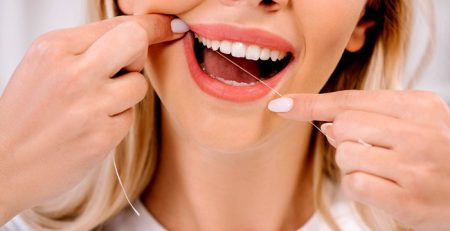
If I’m Using a Smart Toothbrush, Do I Need Dental Floss?
Yes. The fact that a smart toothbrush has advanced sensors does not mean that the cleaning between the teeth is completely achieved.
The bristles of a toothbrush may not be able to reach all the plaque layer, especially in the interdental surfaces of teeth that touch each other. Therefore, depending on the individual’s oral structure, dental floss, interdental brushes, or other interdental cleaning methods recommended by the dentist can be used.
To learn the correct flossing technique, you can use Melsadent’s How to Use Dental Floss? Step-by-Step Correct Flossing Usage guide.
Is a Smart Toothbrush Definitely Better Than a Manual Toothbrush?
It would not be correct to say ‘definitely’.
Scientific research shows that electric toothbrushes can provide some advantages over manual brushes, on average, in plaque and gingivitis control. However, a person who uses good technique, brushes for a sufficient duration, and performs regular oral care can also achieve highly effective oral hygiene with a manual toothbrush.
On the other hand, for a person who does not brush for a sufficient duration with a manual brush, applies too much pressure, or constantly misses certain areas, a sensor-equipped electric toothbrush can offer a significant advantage.
Therefore, the correct question is not “Which brush is theoretically more advanced?”, but rather “Which brush ensures this person brushes more correctly and regularly?”
Is a Rotary Head or a Sonic Smart Toothbrush Better?
Some of the most common electric toothbrush systems on the market are models that use oscillating-rotating motion and sonic models that create high-frequency side-to-side movements.
There is no conclusive scientific consensus on which of these technologies is definitively superior.
A systematic review published in the Journal of the American Dental Association evaluated data from 24 clinical studies and approximately 3,000 participants. The researchers concluded that there might be little or no significant difference between oscillating-rotating and side-to-side electric toothbrushes in terms of short-term plaque and gingivitis reduction.
Therefore, instead of choosing solely based on motor technology, factors such as the brush head’s suitability for the oral structure, ease of use, pressure sensor, brush head cost, and whether the individual will use the device regularly should be evaluated together.
Who Might Benefit More from a Smart Toothbrush?
Switching to a smart model is not mandatory for everyone. However, the following user groups may benefit more from sensor and feedback systems:
- Individuals who brush for a short duration
- Those who press the toothbrush too hard
- Those who consistently miss certain areas in their mouth
- Those who want to track their brushing habits
- Individuals who struggle to maintain motivation
- Some patients undergoing orthodontic treatment
- Individuals who need to pay more attention to gum care
- Some users with limited manual dexterity
- Parents who want to track their children’s brushing habits
However, it would be more appropriate for individuals with periodontal disease, implants, orthodontic appliances, sensitive gum tissue, or special oral health needs to seek a dentist’s recommendation for brush selection.
Are Smart Toothbrushes Used in Orthodontic Treatment?
In individuals with dental braces, controlling plaque accumulation around brackets and wires may require more attention. An electric or smart toothbrush can be helpful here; however, it might not be sufficient on its own. Orthodontic interdental brushes and supplementary oral care products recommended by the dentist may be necessary.
For individuals using clear aligners, placing the aligners without cleaning the teeth can lead to the persistence of a bacterial environment underneath them. Therefore, regular oral hygiene is crucial in clear aligner treatment.
To get information about clear aligner treatment, you can review the Wireless Orthodontics (Invisalign) page.
Are Smart Toothbrushes Beneficial for Children?
One of the most significant advantages of smart toothbrushes for children can be gamification. The use of characters, rewards, daily goals, or progress charts in mobile applications can help children show more interest in brushing their teeth.
However, an application motivating a child to brush for two minutes does not necessarily mean that the brushing technique is entirely correct. Parental supervision remains important, especially for young children.
When a personalized assessment is needed regarding the selection of a toothbrush suitable for the child’s age and dental development, information can be obtained from Melsadent’s Children’s Dentistry (Pedodontics) department.
Is an Expensive Smart Toothbrush Better?
There is no direct and unlimited relationship between price and cleaning performance.
High-end models may feature a color screen, numerous brushing modes, a travel case, detailed three-dimensional mouth mapping, or advanced app features. Some of these may enhance the user experience, but they are not clinically necessary for everyone.
For most users, the following core features are more important:
- A reliable electric cleaning system
- Pressure sensor
- Two-minute timer
- Easily available suitable brush head
- Soft or individually suitable bristles
- Ease of use
- Regular charging capability
Advanced artificial intelligence features should be considered as auxiliary features added on top of these basic functions.
What to Consider When Buying a Smart Toothbrush?
When buying a smart toothbrush, instead of just looking at its mobile app or how many different modes it has, one should consider long-term usage.
- Pressure sensor: Very valuable for users who apply too much force.
- Timer: Ensures the brushing duration is controlled.
- Brush head: It is important for replacement heads to be easily available.
- Head cost: Affects the long-term running cost of the device.
- App support: Must be compatible with your phone and operating system.
- Battery life: It is important, especially for users who travel.
- Cleanability: The joint area of the handle and head must be easy to clean.
- Ease of use: Too many features should not make the device difficult for daily use.
- Data privacy: It should be examined how health and behavioral data are processed by the application.
Is Data Privacy Important in Smart Toothbrushes?
Yes. Unlike traditional toothbrushes, smart devices can store various data related to brushing time, usage duration, device habits, and the application account.
Therefore, when installing the application, it should be evaluated what permissions are requested, whether data is sent to cloud systems, and how data is handled if the user account is deleted.
For users who do not need a highly advanced application for oral hygiene, a simpler electric toothbrush with an offline pressure sensor and timer may also suffice.
What is the Biggest Mistake Made When Using a Smart Toothbrush?
The most important mistake is to think that technology replaces the correct technique.
A smart toothbrush can tell the user which area was missed, but if the gum line is not reached at the correct angle or interdental cleaning is not performed at all, deficiencies in oral care may persist.
Similarly, seeing “%100 success” every day in the device’s application does not guarantee that there is no plaque, decay, or periodontal problems in the mouth.
Even if teeth look white and clean, some oral health problems may not be noticed early on. On this topic, you can also review the content titled Can Oral Health Be Poor While Teeth Look Healthy?
Can a Smart Toothbrush Replace a Dentist’s Check-up?
No.
The sensors of a smart toothbrush can analyze your brushing behavior, but they cannot replace dental check-ups such as cavity diagnosis, periodontal pocket measurement, calculus evaluation, gum recession analysis, or radiographic examination.
The application’s message “you brushed well” is only related to the parameters that the device can measure. It does not indicate whether there is an initial cavity on the interproximal surface of the tooth, calculus under the gum line, or a different oral health problem.
How Often Should a Smart Toothbrush Be Used?
Like other toothbrushes, a smart toothbrush is part of daily oral hygiene. Generally, it is recommended to brush teeth regularly twice a day. However, if a person has a specific periodontal condition, orthodontic treatment, or special oral health needs, the dentist may provide different recommendations.
During brushing, not only the front surfaces of the teeth but also the outer, inner, and chewing surfaces should be cleaned systematically. The main purpose of the smart mapping feature is to support this systematic cleaning.
When Should a Smart Toothbrush Head Be Replaced?
The bristles of brush heads deform over time. Some smart models track usage duration and send notifications when it’s time to replace the brush head.
However, it is not right to only wait for the app’s warning. If significant splaying, deformation, or wear is observed in the bristles, the head should be changed earlier.
If the brush head splays significantly in a very short time, it may be an indication that the user is applying too much pressure.
Is a Smart Toothbrush Worth Buying?
The answer to this question varies from person to person.
If you brush your teeth with the correct technique, for a sufficient duration, and regularly; if you can control the pressure and do not neglect interdental cleaning, switching to an expensive AI-powered model may not make a dramatic difference to your oral health.
On the other hand, if you constantly brush for short periods, apply too much pressure, forget the back areas, or find it difficult to establish a regular oral care routine, the feedback system provided by a smart toothbrush might be beneficial.
Therefore, before asking “how many different AI features does it have?” when making a purchase decision, it is more meaningful to ask the following question:
Will this feature truly correct my current brushing mistake?
7 Important Points to Get Better Results with a Smart Toothbrush
- Heed the warnings of the pressure sensor.
- Complete the recommended brushing duration.
- Identify areas that are consistently missed on the mouth map.
- Do not skip the gum line.
- Change the brush head when it wears out.
- Do not neglect flossing or proper interdental cleaning.
- If bleeding, sensitivity, bad breath, or gum recession persists, consult a dentist.
Smart Toothbrush or Regular Electric Toothbrush?
For a user whose primary goal is simply effective electric brushing, a good quality electric toothbrush may suffice.
However, if pressure control, detailed time tracking, regional cleaning analysis, and daily habit records are important to you, a smart model might be more beneficial.
Therefore, the most significant difference between a smart and a standard electric toothbrush is not always motor power. The difference often arises in the layer of measurement, feedback, and user education.
What is the General Conclusion of the Scientific Data on Smart Toothbrushes?
When the available scientific data is evaluated together, three important conclusions can be reached.
First: There is scientific evidence that electric toothbrushes can provide an advantage in average plaque and gingivitis control compared to manual toothbrushes.
Second: Adding a mobile app or smart features to an electric toothbrush does not directly mean more plaque removal for every user. Some studies have not shown a significant clinical difference between the same electric system with and without an app.
Third: Systems that combine artificial intelligence, real-time feedback, and professional remote guidance show promising results, especially in patient groups where oral hygiene compliance is critical.
Therefore, it is more realistic to view smart toothbrushes not as “devices that perfectly clean teeth on their own,” but as technological assistants that support correct brushing behavior.
Frequently Asked Questions
Does a smart toothbrush clean better than a regular toothbrush?
Models with an electric cleaning mechanism can, on average, provide an advantage in plaque control compared to manual toothbrushes. However, the additional benefit provided by smart sensor and app features depends on the individual’s usage habits.
Is an AI toothbrush really necessary?
It’s not necessary for everyone. It can be more beneficial for individuals who have problems with brushing duration, pressure, and missed areas within the mouth.
Does a smart toothbrush prevent cavities?
Effective plaque control is one of the factors that help reduce the risk of cavities. However, cavity formation depends on many factors including nutrition, fluoride exposure, saliva composition, oral hygiene, and personal risk factors. No smart toothbrush alone can guarantee that cavities will not form.
Does a smart toothbrush clean tartar?
No. Hardened tartar cannot be removed with a toothbrush, and professional scaling may be necessary.
Does the Bluetooth feature enhance cleaning?
Bluetooth itself does not perform cleaning. It helps the user track their brushing behavior by enabling data transfer to the phone application.
Is a pressure sensor necessary?
It is a very useful feature, especially for people who brush their teeth too hard. It can warn the user against excessive pressure.
Does a smart toothbrush prevent gum recession?
Such a guarantee cannot be given alone. However, sensors that warn against excessive pressure can help correct incorrect and aggressive brushing habits. The reason for existing gum recession should be evaluated by a dentist.
Is it necessary to use dental floss when using a smart toothbrush?
Yes. Brushing may not completely clean the interproximal surfaces of teeth. Dental floss or interdental brushes can be used according to individual needs.
Is a sonic or a rotating head toothbrush better?
Effective cleaning can be achieved with both technologies. Scientific studies do not definitively show one system to be superior to the other in all cases. Ease of use and suitability for the individual’s oral structure are important.
Is the most expensive smart toothbrush the best?
No. As the price increases, the number of screens, applications, mapping features, or different modes may increase, but not all of these are necessary for every user.
Can smart toothbrushes be used in children?
Age-appropriate models can be beneficial in motivating children to brush. For young children, parental supervision and age-appropriate oral care recommendations remain important.
Can a smart toothbrush be used without a phone?
Many models can operate basic electric brushing functions without a phone connection. However, a phone connection may be required for detailed analysis and personalized app features.
Does a 100% cleaning score in the smart toothbrush app indicate good oral health?
No. This score only represents the brushing parameters that the device can measure. It does not indicate the absence of cavities, tartar, periodontal pockets, or other oral diseases.
If I have bleeding gums, is it enough to get a smart toothbrush?
No. The cause of persistent gum bleeding should be evaluated. Professional examination may be required for issues such as gingivitis or periodontitis.
Can a smart toothbrush replace a dental check-up?
No. Smart devices can support oral hygiene habits but do not replace examinations, periodontal evaluations, and necessary radiographic screenings.
Technology is an Aid; the Real Difference is in Proper Use
Smart toothbrushes are one of the notable products of today’s digital oral care technologies. Pressure sensors, timers, mouth mapping, mobile applications, and AI-powered feedback systems can enable users to better visualize their own brushing habits.
Scientific data supports that electric toothbrushes can provide some advantages over manual toothbrushes in plaque and gingivitis control. However, it should be remembered that the extra benefit provided by smart features depends on the individual, the system used, and how much the person incorporates the feedback into their daily habits.
Therefore, when choosing a smart toothbrush, the decision should be based not only on the technological features of the device but also on the individual’s oral structure, periodontal condition, brushing habits, and needs.
If there are gum bleeding, persistent bad breath, tartar buildup, sensitivity, gum recession, or ongoing oral health problems despite adequate care, it would be more appropriate to seek a dental evaluation instead of merely changing your toothbrush.
At Melsadent Oral and Dental Health Polyclinic, you can book an online appointment for an evaluation of your oral and dental health and to determine oral care recommendations tailored to your personal needs.
Scientific Sources
- Cochrane Database of Systematic Reviews – Powered versus manual toothbrushing for oral health
- Journal of the American Dental Association – Efficacy of oscillating rotating versus side-to-side powered toothbrushes: A systematic review
- Clinical Oral Investigations – Effects of interactive power toothbrush with or without application assistance: Randomized controlled clinical trial
- Journal of Clinical Periodontology – Enhanced control of periodontitis by an artificial intelligence-enabled multimodal-sensing toothbrush: A randomized trial
- Hygiene – Artificial-Intelligence-Based Smart Toothbrushes for Oral Health and Patient Education: A Review