Does Chewing Gum Harm Your Teeth? Benefits and Risks Explained
Does chewing gum harm your teeth? Learn the benefits of sugar-free gum for dental health, the risks of improper gum use, and expert advice from Melsadent. Build healthy oral habits for a confident smile!
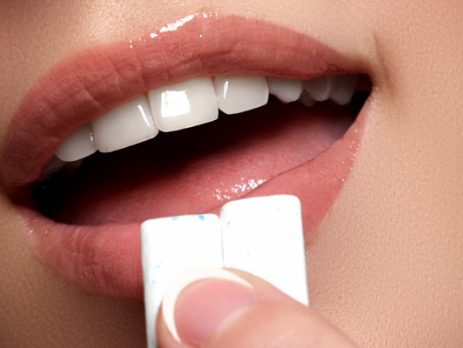
Chewing gum is a popular habit for many people and a convenient way to freshen breath. It is especially preferred after meals to remove unpleasant tastes and leave the mouth feeling clean. However, from a dental perspective, a common question arises: does chewing gum harm your teeth?
The answer depends on the type of gum, frequency of chewing, and your oral health. Let’s explore the positive and negative effects of chewing gum on dental health.
Benefits of Chewing Gum for Dental Health
Sugar-free gum, particularly those containing xylitol, is approved by dentists and offers several oral health benefits.
1. Increases Saliva Production
Chewing gum can increase saliva flow up to ten times. Saliva neutralizes acids in the mouth, protects tooth enamel, and prevents cavities. It also helps remove food particles stuck between teeth after meals.
2. Reduces Bad Breath
Chewing gum freshens breath temporarily. Mint or menthol-flavored gum masks unpleasant odors and promotes fresh breath. Regular use of sugar-free gum also helps maintain healthy gums and reduces halitosis.
3. Helps Prevent Tooth Decay
Xylitol-containing gum inhibits the growth of cavity-causing bacteria, especially Streptococcus mutans, reducing the risk of tooth decay. Chewing sugar-free gum for 10–15 minutes after meals supports enamel remineralization.
4. Reduces Stress and Exercises Jaw Muscles
Chewing gum can help manage stress and promote balanced jaw muscle activity. Studies show that gum chewing reduces stress hormones and relaxes the jaw. However, excessive chewing may pose risks to dental health.
When Chewing Gum Can Harm Teeth
Even though sugar-free gum has benefits, improper gum selection or excessive chewing can damage teeth.
1. Sugary Gum Causes Cavities
Sugary gum provides bacteria with energy and increases acid production, accelerating enamel damage and tooth decay. Always choose sugar-free gum, preferably with xylitol.
2. Excessive Chewing Can Damage the Jaw Joint
Constant gum chewing puts pressure on the temporomandibular joint (TMJ), causing pain in jaw muscles, headaches, and TMJ disorders. Stress-related habitual chewing can worsen joint problems.
3. Can Damage Fillings and Dental Work
Sticky gum can loosen dental fillings, crowns, or braces. Avoid chewing gum after recent dental procedures.
4. Can Cause Tooth Wear
Excessive and prolonged chewing may wear down tooth surfaces over time, weakening enamel and causing sensitivity.
Tips for Safe Gum Chewing
– Prefer sugar-free gum.
– Chew for no more than 10–15 minutes after meals.
– Avoid habitual excessive chewing.
– Avoid gum if you have jaw joint issues.
– Consult your dentist if you have braces, crowns, or other dental restorations.
With these simple precautions, gum chewing can become a habit that supports oral health.
Can Chewing Gum Replace Brushing?
No, chewing gum never replaces tooth brushing. Gum temporarily neutralizes acids and reduces food debris but does not remove all bacteria. Brushing at least twice a day, using dental floss, and regular dental check-ups remain essential.
Professional Dental Guidance at Melsadent
Melsadent Oral and Dental Health Clinic provides comprehensive dental guidance to help individuals develop proper oral care habits. Our expert dentists advise patients on gum selection, oral hygiene, and cavity prevention.
You can have a thorough dental examination at Melsadent to determine whether your gum-chewing habit is harming your teeth.
Chewing Gum: Beneficial if Used Correctly, Harmful if Excessive
Chewing gum is a simple yet effective habit for oral health when done correctly. Sugar-free, xylitol-containing gum can help prevent cavities. Excessive chewing, however, may lead to jaw joint issues and enamel wear. Maintaining balance and following your dentist’s advice is crucial.
Remember: a beautiful smile depends not only on brushing but also on correct oral habits.