What are Temporomandibular Joint (TMJ) Disorders? Symptoms and Treatment Methods
What are temporomandibular joint (TMJ) disorders, what causes them, and how are they treated? Experts at Melsadent Oral and Dental Health Clinic provide detailed information on jaw joint pain, symptoms, and treatment procedures.
What is the Temporomandibular Joint (TMJ)?
The temporomandibular joint connects the lower jaw (mandible) to the skull. This complex joint works with muscles, ligaments, and a joint disc to allow the jaw to open and close smoothly.
Movements such as speaking, chewing, yawning, and swallowing rely on proper TMJ function. TMJ disorders occur when the muscles, ligaments, or disc do not function properly, leading to pain and restricted jaw movement.
Causes of TMJ Disorders
TMJ disorders are usually caused by a combination of factors:
Teeth Grinding or Clenching (Bruxism): Stress, anxiety, or involuntary teeth clenching during sleep puts excessive pressure on the jaw joint.
Trauma: Injuries to the face or jaw can damage the joint structure.
Stress and Muscle Tension: Emotional stress can tighten jaw muscles, increasing pressure on the joint.
Dental and Jaw Alignment Issues: Malocclusion (misaligned bite) distributes unequal forces to the joint.
Tooth Loss: Missing teeth disrupt chewing balance and put extra load on the joint.
Rheumatic or Degenerative Diseases: Conditions like rheumatoid arthritis can deform the joint structure.
Symptoms of TMJ Disorders
TMJ disorders can manifest in various ways, including:
– Jaw pain or tenderness
– Clicking or popping sounds when opening the mouth
– Restricted jaw movement or locking
– Facial, ear, neck, or head pain
– Tooth wear or sensitivity
– Difficulty or pain while chewing
– Muscle fatigue or stiffness in the jaw
If you experience one or more of these symptoms, you may have a TMJ disorder. Melsadent specialists evaluate your condition to develop a personalized treatment plan.
Diagnosis of TMJ Disorders
Accurate diagnosis involves a clinical examination and imaging methods:
Panoramic X-ray: Provides an overview of jaw bone structure
MRI Imaging: Detects issues with the joint disc, displacement, or tears
3D Jaw CT: Offers detailed images of the TMJ
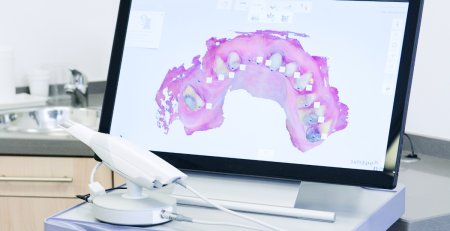
Clinical Evaluation: Measures mouth opening, joint sounds, and muscle tenderness
Treatment Methods for TMJ Disorders
Treatment is personalized based on the severity, cause, and symptoms. Melsadent offers a wide range of options from non-surgical to advanced solutions:
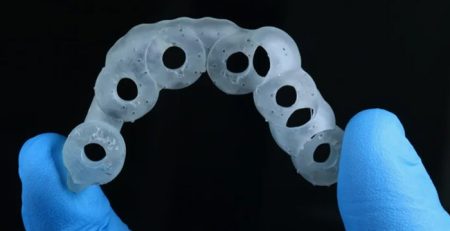
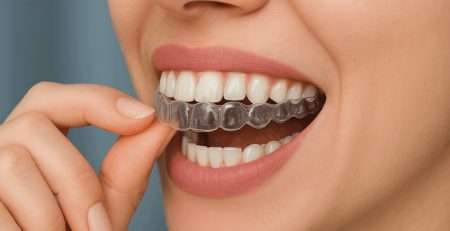
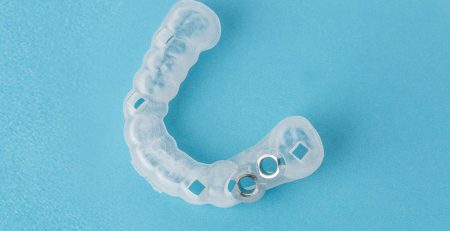
1. Night Splints: Custom-made clear splints reduce stress on the joint and relax jaw muscles in cases of bruxism.
2. Physiotherapy and Exercises: Special exercises strengthen and relax jaw muscles, reducing pain and tension.
3. Medication: Muscle relaxants or anti-inflammatory drugs can relieve joint pain and inflammation.
4. Bite and Dental Corrections: Orthodontic treatments or prosthetics may balance load distribution.
5. Botox Applications: In cases of muscle-related jaw clenching, Botox reduces muscle tension.
6. Surgical Treatment: Advanced cases may require surgery to repair or reposition the joint disc. Surgery is considered only when other treatments fail.
Home Care for TMJ Disorders
– Avoid hard foods (nuts, gum, etc.)
– Avoid prolonged mouth opening
– Apply warm compresses to relax muscles
– Practice stress-reducing activities (meditation, breathing exercises)
– Regularly use prescribed splints and exercises
Permanent Relief with Melsadent
Melsadent Oral and Dental Health Clinic provides advanced technology and expert care for TMJ disorder diagnosis and treatment. Personalized treatment plans aim to relieve pain and restore jaw function.
If you experience chronic headaches, ear ringing, or restricted jaw movement, consult Melsadent specialists promptly to protect your oral health.