What are the connections between sleep quality and oral health?
Learn how sleep quality affects oral and dental health. Discover the links between teeth grinding, dry mouth, sleep apnea, and oral health, with expert insights from Melsadent.
How does sleep quality affect oral and dental health? Detailed information about the connections between teeth grinding, dry mouth, and sleep apnea is available at Melsadent.
What Is the Connection Between Sleep Quality and Oral Health?
One of the cornerstones of a healthy life is quality sleep. Sleep is a process during which the body regenerates itself, the immune system is strengthened, and mental balance is maintained. However, there is an important issue that is often overlooked: the strong relationship between sleep quality and oral and dental health. Insomnia, irregular sleep, or sleep disorders can pave the way for many oral health problems, ranging from gum diseases and bad breath to teeth grinding and an increased risk of cavities.
As Melsadent Ağız ve Diş Sağlığı Polikliniği, in this article we examine in detail the effects of sleep quality on oral health, common problems, and the precautions that can be taken.
What Is Sleep Quality and Why Is It Important?
Sleep quality is directly related to sleep duration, sleep depth, and uninterrupted sleep. Just as important as sleeping enough hours is having restful sleep. Poor sleep quality:
– Weakens the immune system
– Increases stress hormones
– Triggers inflammation
These conditions are factors that directly affect oral and dental health.
The Relationship Between Sleep Deprivation and Oral Health
Insufficient sleep reduces the body’s resistance to infections. This can cause an imbalance in oral bacteria. In particular:
– Gum inflammation (gingivitis)
– Periodontitis
– Oral sores
– Dental cavities
are seen more frequently in individuals experiencing sleep deprivation. This is because saliva flow decreases during nighttime sleep and the mouth regenerates itself. When sleep quality deteriorates, this natural protective mechanism is also impaired.
Dry Mouth and Sleep Quality
Breathing through the mouth during sleep, snoring, or the use of certain medications can lead to dry mouth (xerostomia). Dry mouth:
– Increases the risk of cavities
– Causes bad breath
– Triggers gum diseases
Saliva is the most important defense mechanism that protects teeth against acids. Poor sleep quality and breathing through the mouth throughout the night negatively affect saliva production.
Teeth Grinding (Bruxism) and Sleep Disorders
One of the most prominent connections between sleep quality and oral health is bruxism, which is teeth grinding and clenching. It is especially common in stressed individuals and people with sleep disorders.
The effects of bruxism on oral health include:
– Tooth wear and fractures
– Jaw joint pain
– Head and neck pain
– Tooth sensitivity
Poor sleep quality increases bruxism, while bruxism disrupts sleep, creating a vicious cycle.
Sleep Apnea and Oral Health
Sleep apnea is a serious condition characterized by short pauses in breathing during sleep. It manifests itself with snoring, mouth breathing, and nighttime awakenings.
In individuals with sleep apnea:
– Dry mouth
– Gum recession
– Increased risk of tooth loss
– Bad breath
are seen more frequently. In addition, oral appliances used in the treatment of sleep apnea can be planned by dentists to support both sleep quality and oral health.
The Effect of Oral Health Problems on Sleep
The relationship is bidirectional. Not only does sleep quality affect oral health, but oral health problems also disrupt sleep patterns. For example:
– Toothache
– Gum inflammation
– Temporomandibular joint problems (TMJ)
– Infections
can cause pain during the night and frequent sleep interruptions. This situation both reduces quality of life and delays the healing process.
Why Is Oral Care Important for Healthy Sleep?
Oral care performed before going to bed reduces the bacterial load in the mouth during sleep. This both protects oral health and provides more comfortable sleep.
Recommendations for a nighttime routine:
– Teeth should definitely be brushed
– Dental floss or interdental brushes should be used
– Alcohol-containing mouthwashes should be avoided
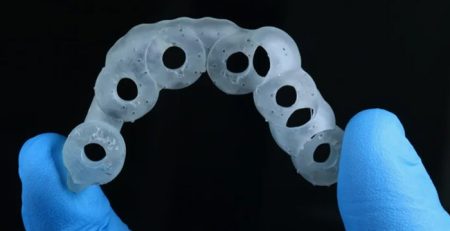
– If bruxism is present, a night guard should be used
These habits protect oral health throughout the night.
Protecting Oral Health by Improving Sleep Quality
Some measures that can be taken to improve sleep quality include:
– Regular sleep schedules
– Avoiding caffeine and sugary foods before bedtime
– Stress management
Consulting a dentist for complaints of snoring and teeth grinding
These measures are highly effective for both general health and oral and dental health.
Expert Opinion from Melsadent
Experts at Melsadent Ağız ve Diş Sağlığı Polikliniği state that the relationship between sleep quality and oral health is often overlooked. Early diagnosis of problems such as teeth grinding, dry mouth, and sleep apnea is of great importance for both a healthier oral structure and higher-quality sleep.
There is a strong and bidirectional relationship between sleep quality and oral health. Poor sleep triggers many problems such as gum diseases, bruxism, and dry mouth, while oral health problems cause sleep interruptions and reduced sleep quality. Regular dental check-ups, proper oral care, and healthy sleep habits can positively break this cycle.