Tooth Sensitivity and Gum Reactions After Teeth Whitening
Learn why tooth sensitivity and gum reactions occur after teeth whitening and how to reduce them. Discover safe, comfortable, and professional teeth whitening solutions at Melsadent.
Why do tooth sensitivity and gum reactions occur after teeth whitening? How can these effects be reduced? Find detailed information about safe and comfortable teeth whitening at Melsadent.
Tooth Sensitivity and Gum Reactions After Teeth Whitening
Teeth whitening (bleaching) is one of the most frequently preferred procedures in aesthetic dentistry. Many people who want to achieve a whiter, brighter, and more aesthetic smile turn to professional teeth whitening methods. However, after the teeth whitening procedure, some patients may experience tooth sensitivity and gum reactions. Although this condition is usually temporary, it can be minimized with proper application and care.
As Melsadent Ağız ve Diş Sağlığı Polikliniği, in this article we discuss in detail the causes, symptoms, and ways to cope with sensitivity and gum reactions that may occur after teeth whitening.
What Is Teeth Whitening (Bleaching)?
Teeth whitening is an aesthetic procedure applied to eliminate discoloration that occurs on the tooth enamel and dentin layer. The whitening process is generally performed using agents containing hydrogen peroxide or carbamide peroxide.
Teeth whitening methods include:
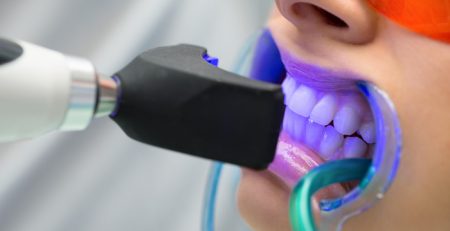
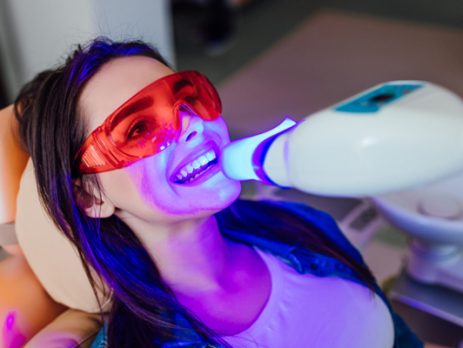
– In-office whitening performed in a clinical setting
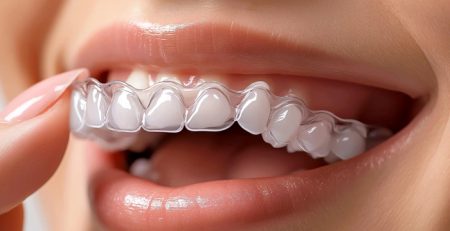
– At-home whitening (under dentist supervision)
– Combined whitening methods
– The duration of effect and the risk of sensitivity may vary depending on the method.
What Is Tooth Sensitivity After Teeth Whitening?
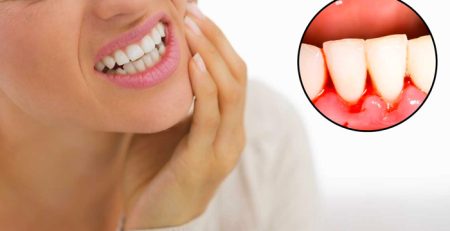
Tooth sensitivity after teeth whitening is defined as a sudden and short-term tingling sensation, especially in response to hot, cold, sweet, or acidic foods. This sensitivity is usually temporary and decreases on its own within a few days.
Causes of Sensitivity
The whitening agents used during teeth whitening can pass through the enamel and reach the dentin layer. This may cause:
– Stimulation of dentinal tubules
– Temporary sensitization of nerve endings. Sensitivity may be felt more prominently in individuals with thin enamel structure.
Who Experiences Sensitivity More Frequently?
The risk of tooth sensitivity after teeth whitening may increase in the following cases:
– Individuals who already have tooth sensitivity
– Those with cracks or wear on tooth enamel
– Patients with gum recession
– Frequent and uncontrolled whitening procedures
– For this reason, whitening procedures should always be performed under the supervision of a dentist.
Gum Reactions After Teeth Whitening
After teeth whitening procedures, some patients may experience temporary reactions in the gums. These reactions usually develop due to contact between the whitening gel and the gums.
Possible Gum Reactions
– Redness of the gums
– Mild burning sensation
– Sensitivity or tingling
– In rare cases, temporary whitening
– These symptoms usually resolve on their own in a short time and do not cause permanent damage.
Causes of Gum Reactions
The main causes of gum reactions include:
– Contact of the whitening gel with the gums
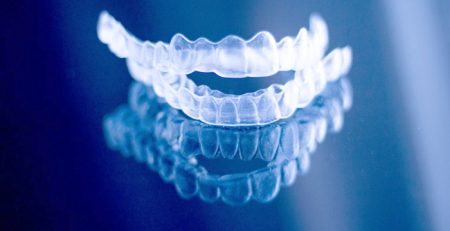
– Use of inappropriate trays or appliance
– Sensitive or inflamed gums
– Incorrect application during at-home whitening
– In professional whitening procedures performed in a clinical setting, this risk is minimized because the gums are protected with special barriers.
How Can Sensitivity and Reactions Be Reduced After Teeth Whitening?
1. Choose Professional Application
Having teeth whitening performed by a dentist or planned under dentist supervision significantly reduces sensitivity and gum problems.
2. Use Desensitizing Products
After whitening:
– Toothpastes specially formulated for sensitive teeth
– Fluoride-containing products
– Toothpastes containing potassium nitrate or arginine
can help reduce sensitivity.
3. Avoid Hot and Cold Foods
During the first few days:
– Very hot or very cold beverages
– Acidic and hard foods should be avoided. This helps prevent an increase in sensitivity.
4. Pay Attention to Gum Care After Whitening
Using soft-bristled toothbrushes and applying gentle brushing techniques support gum healing.
5. Take a Break From Whitening if Necessary
If sensitivity occurs during at-home whitening, taking a break for a few days allows the teeth and gums to recover.
Is Sensitivity Permanent?
No. Tooth sensitivity and gum reactions that occur after teeth whitening are largely temporary. Generally:
– Sensitivity decreases within a few days
– Gum reactions heal completely in a short time
– However, long-lasting or severe complaints should definitely be evaluated by a dentist.
Psychological Effects After Teeth Whitening
Despite temporary sensitivity, teeth whitening significantly increases patients’ aesthetic satisfaction and self-confidence. White and healthy teeth:
– Enhance the smile
– Enable more comfortable communication in social life
– Contribute to feeling better overall
– For this reason, with proper application and care, whitening is a very safe and effective aesthetic procedure.
Comfortable Whitening With Conscious Application
Tooth sensitivity and gum reactions after teeth whitening are mostly temporary and manageable conditions. With professional application, correct product selection, and appropriate care, these effects can be minimized.
Melsadent Ağız ve Diş Sağlığı Polikliniği aims to provide safe, comfortable, and aesthetic results by planning teeth whitening procedures according to the patient’s oral structure and sensitivity condition.