Gum Recession Causes, Symptoms and Treatment | Melsadent Dental Clinic
Gum recession is a condition in which the gum tissue surrounding the teeth gradually pulls back, exposing the roots of the teeth. This common oral health problem can lead to both aesthetic and functional issues if left untreated. As gum recession progresses, problems such as tooth sensitivity, teeth appearing longer than normal, and even tooth loss in advanced stages may occur.
Gum recession usually develops slowly and may be difficult to notice in its early stages. However, with early diagnosis and the correct treatment methods, the progression of gum recession can be stopped and oral health can be protected. In this article, you can find answers to common questions such as what gum recession is, why it occurs, its symptoms, and how it is treated.
What Is Gum Recession?
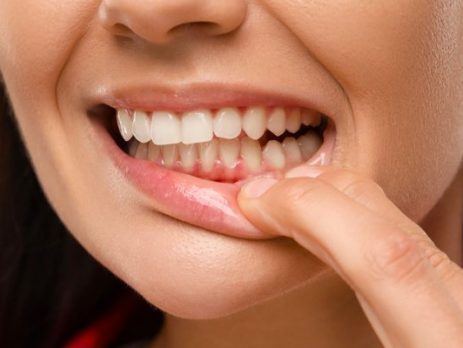
Gum recession is the condition in which the gum tissue pulls away from the tooth surface and recedes downward, making the tooth roots visible. Under normal circumstances, the gums tightly surround the teeth and act as a protective barrier. However, this tissue may deteriorate due to various reasons.
When the gums recede, the tooth roots become exposed, which can lead to tooth sensitivity and pain when consuming hot or cold foods. As gum recession progresses, teeth may lose their supporting tissues, which can eventually cause tooth mobility or even tooth loss.
What Are the Symptoms of Gum Recession?
Gum recession usually progresses slowly and may not show very noticeable symptoms at the beginning. However, some symptoms may appear over time. Recognizing these symptoms early makes the treatment process easier and more successful.
The most common symptoms of gum recession include:
– Teeth appearing longer than normal
– Tooth roots becoming visible
– Sensitivity to hot, cold, or sweet foods
– Bleeding gums
– Redness or swelling of the gums
– Bad breath
– A feeling of looseness in the teeth
If one or more of these symptoms are observed, it is very important to consult a dentist without delay.
What Causes Gum Recession?
There are many factors that can lead to gum recession. Some of these factors are related to oral hygiene habits, while others may be associated with genetic or systemic conditions.
The most common causes of gum recession include:
Poor Oral Hygiene
If teeth are not brushed regularly and dental floss is not used, bacterial plaque accumulates on the tooth surfaces. Over time, this plaque can harden into tartar, leading to gum diseases and gum recession.
Gum Diseases
Periodontal diseases are one of the most common causes of gum recession. These diseases damage the gum tissue and the bone supporting the teeth, causing the gums to recede.
Aggressive Tooth Brushing
Brushing teeth too hard or using a hard-bristled toothbrush can damage the gum tissue. Over time, this may lead to gum recession.
Genetic Factors
Some individuals are genetically more prone to gum diseases. Even with proper oral care, gum recession may occur due to genetic factors.
Teeth Grinding and Clenching
The habit known as bruxism, which involves clenching or grinding teeth, can place excessive pressure on the teeth and gum tissues. This condition can accelerate gum recession.
Smoking
Smoking and tobacco products negatively affect the health of oral tissues. Gum diseases and gum recession are more common among smokers.
How Is Gum Recession Diagnosed?
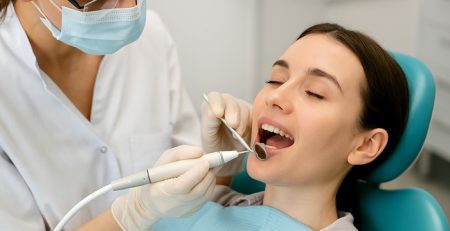
Gum recession can usually be easily detected during a dental examination. The dentist evaluates the gum line and determines the severity of the recession. Additionally, the depth of gum pockets is measured using a method called periodontal probing.
If necessary, X-ray images may also be taken to evaluate the condition of the bone tissue supporting the teeth. This allows the dentist to create the most appropriate treatment plan.
How Is Gum Recession Treated?
The treatment of gum recession may vary depending on the cause and severity of the condition. In cases diagnosed early, treatment is generally easier and faster.
The main treatment methods used for gum recession include:
Professional Teeth Cleaning
If gum recession is caused by plaque and tartar buildup, professional dental cleaning is performed first. During this procedure, plaque and tartar are removed from the tooth surfaces.
Root Planing
In this procedure, the tooth root surface is cleaned with special instruments to remove bacteria. This helps the gum tissue reattach to the tooth.
Gum Graft
In advanced cases of gum recession, surgical procedures may be required. During a gum graft procedure, tissue taken from the patient’s palate is placed in the area where the recession has occurred.
Laser Treatment
With modern dentistry technologies, gum treatments can be performed more comfortably using laser technology.
How Can Gum Recession Be Prevented?
To prevent gum recession, it is important to maintain good oral hygiene habits. Daily oral care and regular dental check-ups play a major role in maintaining healthy gums.
The following recommendations can help prevent gum recession:
– Brush teeth at least twice a day using the correct technique
– Use dental floss regularly
– Choose soft-bristled toothbrushes instead of hard ones
– Avoid smoking
– Seek treatment if teeth grinding is present
– Visit the dentist for a check-up every 6 months
What Happens If Gum Recession Is Not Treated?
If gum recession is left untreated, it may lead to more serious oral health problems over time. As tooth roots become exposed, tooth sensitivity increases and teeth become more vulnerable to external factors.
In advanced cases of gum recession, the bone tissue supporting the teeth may also be damaged. This condition can lead to tooth mobility and eventually tooth loss. Gum recession may also create an aesthetically unpleasant appearance.
Gum recession is a common oral health problem that should not be ignored. With early diagnosis and the correct treatment methods, the progression of gum recession can be stopped and oral health can be preserved.
If symptoms of gum recession are noticed, it is very important to consult an experienced dentist without delay. With regular dental check-ups and proper oral care habits, you can maintain healthy gums for many years.