Bruxism Treatment – Teeth Grinding Relief & Jaw Protection
Teeth Grinding (Bruxism) Treatment – Achieve Lasting Relief While Protecting Your Jaw Health
Teeth grinding, medically known as bruxism, is an increasingly common oral and dental health problem today, often linked to stress, sleep disorders, and bite misalignment. Especially nighttime grinding that occurs unconsciously can lead to tooth wear, jaw joint pain, headaches, and even tooth loss.
Melsadent Oral and Dental Health Polyclinic, located in Tuzla, Istanbul, offers modern and personalized treatment approaches for bruxism, providing patients with comfortable and long-lasting relief.
What Is Bruxism? Why Does It Occur?
Bruxism is the unconscious clenching or grinding of teeth. It usually happens during sleep but can also occur during the day in stressful situations.
Most common causes include:
✔ High stress and anxiety
✔ Bite misalignment
✔ Sleep disturbances
✔ Incorrect dental fillings or crowns
✔ Caffeine and tobacco use
If left untreated, it leads to enamel wear, jaw muscle tension, and joint problems.
Damage Caused by Bruxism to Teeth and Jaw
Long-term teeth grinding may cause:
✔ Severe tooth surface wear
✔ Tooth sensitivity and pain
✔ Cracks and fractures
✔ Clicking sounds and locking in the jaw joint
✔ Facial muscle stiffness and morning fatigue
Early diagnosis makes treatment much easier and faster.
How Is Bruxism Treated?
Bruxism treatment is not limited to a single method. It is planned according to tooth structure, grinding severity, and underlying causes.
1. Night Guard (Splint Therapy)
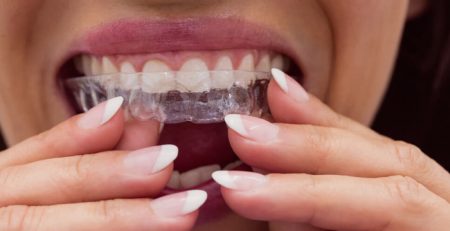
The most common and effective method. Custom-made transparent guards:
✔ Prevent tooth contact
✔ Stop wear
✔ Relax jaw muscles
✔ Reduce morning pain
✔ Provide significant improvement with regular use
2. Bite Adjustments
In some patients, bruxism is caused by improper tooth contact. When necessary:
✔ Filling corrections
✔ Crown adjustments
✔ Orthodontic treatments
✔ Restore jaw balance
3. Muscle Relaxation and Physical Therapy Approaches
In advanced cases:
✔ Jaw muscle exercises
✔ Hot and cold applications
✔ Medical support when necessary
help reduce muscle spasms.
4. Stress Management
Stress is often the main trigger of bruxism. Psychological support, breathing exercises, and lifestyle changes greatly improve treatment success.
What Happens If Bruxism Is Not Treated?
Untreated teeth grinding can eventually lead to:
✔ Tooth loss
✔ Jaw joint disorders (TMJ dysfunction)
✔ Chronic head and neck pain
✔ Aesthetic dental problems
Early intervention also prevents costly treatments.
Advantages of Bruxism Treatment at Melsadent
At Melsadent Oral and Dental Health Polyclinic:
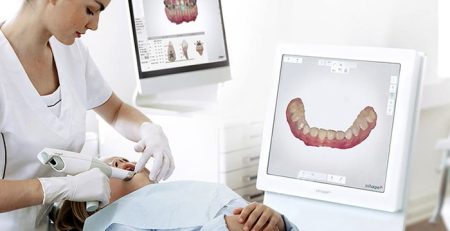
✔ Custom night guards with digital measurements
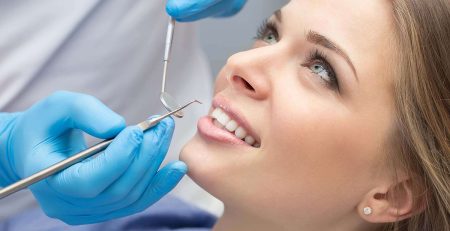
✔ Treatment planning under expert dentist supervision
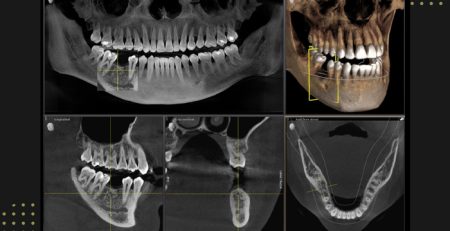
✔ Jaw joint analysis
✔ Long-term follow-up system
✔ Comfortable and fast procedures
The goal is not only to protect teeth but to permanently improve quality of life.
How Long Does Bruxism Treatment Take?
✔ The effect of night guards is usually felt within the first weeks
✔ Muscle pain improves within 2–4 weeks
✔ Long-term use is recommended for lasting protection
✔ Treatment duration depends on personal habits and grinding intensity
Tips to Reduce Bruxism at Home
✔ Reduce caffeine and smoking
✔ Perform jaw relaxation exercises before sleep
✔ Avoid hard foods
✔ Practice stress management techniques
✔ Use your night guard consistently
✔ Do Not Postpone Bruxism Treatment
Bruxism is not just a habit — it is a health issue that can turn into serious dental and jaw problems over time. With early diagnosis and proper treatment:
✅ Your teeth are protected
✅ Pain disappears
✅ Jaw health is restored
✅ Sleep quality improves
Professional care protects both your health and your budget in the long term.