Causes and Symptoms of Tooth Decay
What are the causes and symptoms of tooth decay? At Melsadent Oral and Dental Health Clinic, learn in detail how tooth decay develops, early signs, and prevention methods. Early detection is essential for maintaining healthy teeth.
What is Tooth Decay?
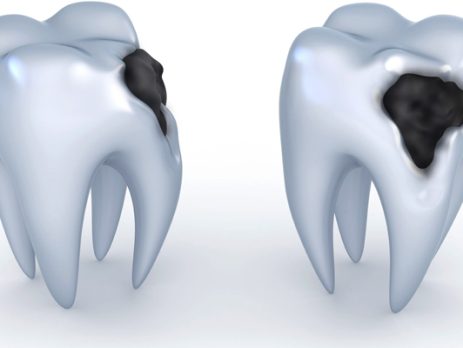
Tooth decay, or dental caries, occurs when the enamel and dentin are gradually damaged by acids produced by bacteria. This process begins when harmful bacteria in the mouth interact with food residues, especially sugary foods. Over time, small surface damages progress into deeper layers of the tooth, causing sensitivity, pain, and aesthetic problems.
Main Causes of Tooth Decay
Insufficient Oral Hygiene:
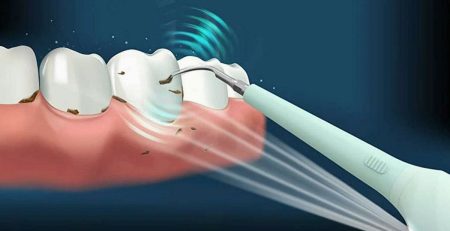
Not brushing and flossing regularly allows plaque to accumulate, creating an ideal environment for bacteria to multiply.
Consumption of Sugary and Acidic Foods:
Sugary drinks, sweets, acidic juices, and fast food weaken the enamel. Sugar in the mouth is converted to acid by bacteria, damaging tooth surfaces.
Reduced Saliva (Dry Mouth):
Saliva protects teeth by neutralizing acids and cleaning food debris. Individuals with dry mouth have a higher risk of tooth decay.
Genetic Factors:
The quality of enamel and tooth structure is influenced by genetics. Some people are more susceptible to cavities due to inherited traits.
Poor Eating Habits:
Frequent snacking or a diet high in carbohydrates causes constant acid production, hindering enamel repair.
Tooth Alignment and Oral Structure:
Crowded or misaligned teeth can trap food and bacteria in hard-to-clean areas, increasing cavity risk.
Symptoms of Tooth Decay
Tooth decay usually progresses slowly and may not show symptoms at first. Early signs to watch for include:
Tooth Sensitivity: Sudden sensitivity to hot, cold, sweet, or acidic foods.
Pain: Especially during chewing or at night.
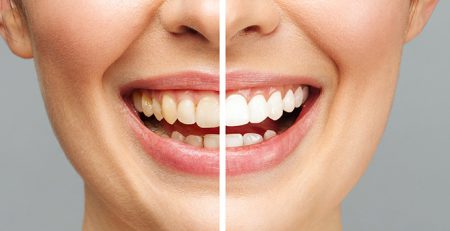
Discoloration: White spots, yellowing, or brown-black marks on teeth.
Bad Breath (Halitosis): Persistent odor from bacterial accumulation.
Visible Holes or Cavities: Advanced decay creates pits on tooth surfaces.
Swelling and Gum Inflammation: As decay progresses, inflammation or abscess formation may occur.
Stages of Tooth Decay
Enamel Stage: Decay is limited to the enamel and usually painless.
Dentin Stage: Bacteria reach the inner dentin, increasing sensitivity.
Pulp Stage: Decay reaches the pulp, causing severe pain.
Abscess Formation: Untreated decay can infect the root, risking tooth loss.
Prevention of Tooth Decay
The most effective way to prevent cavities is to make proper oral care a habit. Melsadent recommends:
– Brush teeth at least twice a day with fluoride toothpaste.
– Use dental floss or interdental brushes to clean between teeth.
– Limit sugary and acidic foods.
– Drink plenty of water to increase saliva production.
– Visit the dentist every six months for check-ups.
– Consider fissure sealants or fluoride treatments if necessary.
Early detection is critical. If you notice sensitivity or pain, consult a dentist immediately.
Healthy Smiles with Melsadent
Melsadent Oral and Dental Health Clinic provides reliable services for the diagnosis and treatment of tooth decay with modern technology and expert staff.
With aesthetic fillings, root canal therapy, professional cleaning, and preventive applications, you can maintain oral health and achieve a healthy, beautiful smile.
Remember, early-detected cavities can be treated with simple fillings, while neglected decay may lead to tooth loss. Regular dental check-ups are essential to protect your oral health.