Dry Mouth (Xerostomia) What Is It? Symptoms and Treatment | Melsadent
What is dry mouth (xerostomia), what causes it, and how is it treated? Learn about symptoms, diagnosis, and effective treatment options at Melsadent.
What causes dry mouth (xerostomia), what are its symptoms, and how is it treated? Effective solutions against dry mouth are available at Melsadent.
Dry mouth, medically known as xerostomia, is a condition in which a constant feeling of dryness occurs in the mouth due to the salivary glands not producing sufficient saliva. Saliva plays a vital role in maintaining oral and dental health, ensuring proper chewing and swallowing functions, enabling comfortable speech, and balancing harmful bacteria in the mouth. For this reason, xerostomia is not only an uncomfortable sensation but also an important oral health problem that can lead to serious dental and gum issues if left untreated.
As Melsadent Oral and Dental Health Polyclinic, we provide personalized treatment approaches by accurately identifying the causes of dry mouth.
What Causes Dry Mouth (Xerostomia)?
Many different factors can play a role in the development of xerostomia. The most common causes include:
1. Medications Used
Many prescription or over-the-counter medications can reduce saliva production. Especially;
– Antidepressants
– Antihistamines
– Blood pressure medications
– Painkillers
– Muscle relaxants
frequently cause dry mouth complaints.
2. Systemic Diseases
Some chronic diseases can directly affect the salivary glands. Diabetes, Sjögren’s syndrome, Parkinson’s disease, and rheumatoid arthritis are among the main conditions that can cause xerostomia.
3. Radiotherapy and Chemotherapy
Radiotherapy applied to the head and neck region can cause permanent damage to the salivary glands. Temporary or permanent dry mouth may also occur during chemotherapy.
4. Aging
As age increases, the number of medications used rises and a decrease in salivary gland function may be observed, increasing the risk of dry mouth.
5. Mouth Breathing and Smoking
Constant mouth breathing and smoking can disrupt the moisture balance in the mouth, leading to xerostomia.
What Are the Symptoms of Dry Mouth?
Symptoms of dry mouth may vary from person to person. The most common symptoms include:
– A sticky feeling in the mouth
– Constant thirst
– Difficulty chewing and swallowing
– Difficulty speaking
– Cracked lips
– Bad breath (halitosis)
– Decreased sense of taste
– Burning sensation on the tongue
– Increased dental cavities
If these symptoms persist for a long time, a dentist should definitely be consulted.
How Does Dry Mouth Affect Oral and Dental Health?
Saliva protects tooth enamel by neutralizing acids in the mouth. In cases of dry mouth, this protective effect disappears. As a result:
– Dental cavities develop more rapidly
– The risk of gum diseases increases
– Oral fungal infections may occur
– Denture adaptation becomes more difficult for denture users
Therefore, xerostomia is not just a comfort issue but a condition that can lead to serious tooth loss in the long term.
How Is Dry Mouth (Xerostomia) Diagnosed?
The diagnosis of dry mouth is made based on the patient’s complaints and a detailed oral examination. When necessary:
– Saliva flow rate measurements
– Blood tests
– Referrals to relevant medical departments for systemic diseases may be performed. At Melsadent, the diagnostic process is comprehensively evaluated by considering the patient’s overall health status.
How Is Dry Mouth Treated?
Xerostomia treatment is planned according to the underlying cause. Treatment methods may include:
1. Cause-Oriented Treatment
If dry mouth is related to medication use, the dosage or type of medication may be adjusted by consulting the relevant physician. If a systemic disease is present, controlling the disease is targeted.
2. Saliva-Stimulating Applications
– Use of sugar-free gum or lozenges
– Special mouthwashes that stimulate salivary glands
– Artificial saliva products
3. Strengthening Oral Hygiene
Since the risk of tooth decay is high in dry mouth patients, extra attention should be paid to oral hygiene. Fluoride-containing toothpastes and regular dental check-ups are of great importance.
4. Nutrition and Lifestyle Recommendations
– Drinking plenty of water throughout the day
– Avoiding caffeinated and alcoholic beverages
– Quitting smoking
– Limiting spicy and very salty foods
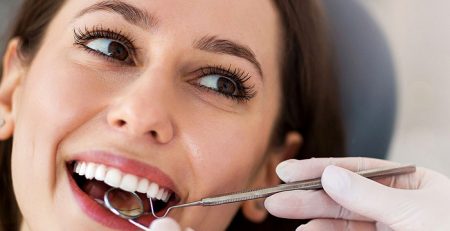
– Professional Dentist Support
At Melsadent Oral and Dental Health Polyclinic, personalized treatment plans are created for patients experiencing dry mouth, and regular follow-up is provided.
Can Dry Mouth Be Prevented?
Although not every case of xerostomia can be completely prevented, it is possible to significantly reduce its negative effects through early diagnosis and proper oral care habits. Regular dental check-ups help detect problems caused by dry mouth at an early stage.
Dry mouth (xerostomia) is an important condition that can lead to serious oral and dental health problems if neglected. Individuals experiencing dry mouth complaints should consult a dentist without delay, which is crucial for maintaining quality of life and preventing tooth loss. As Melsadent Oral and Dental Health Polyclinic, we are here for you for a healthy mouth and a strong smile.