Latest Approaches in Bruxism Treatment: Modern Dental Solutions to Protect Your Jaw Health
What is teeth grinding (bruxism)? Why does it occur, and how is it treated? At Melsadent Oral and Dental Health Clinic, we protect your jaw health with custom-made night guards, botox treatment, and personalized bruxism solutions.
What Is Teeth Grinding (Bruxism)? Symptoms, Causes, and Treatment Methods
Teeth grinding, also known as bruxism in medical literature, is the involuntary clenching or grinding of teeth. It often occurs during sleep, but some individuals may experience it during the day, especially in stressful situations. Over time, bruxism can damage tooth enamel, jaw joints, and muscle structure.
At Melsadent Oral and Dental Health Clinic, our goal is to protect both your jaw health and quality of life with modern treatment approaches and personalized solutions.
What Is Bruxism?
Bruxism is defined as the unconscious grinding or clenching of teeth. It commonly occurs during sleep, and individuals are usually unaware of it. However, daytime teeth clenching can also be seen during stressful or highly focused moments.
If left untreated, bruxism may lead to tooth wear, jaw pain, headaches, and even tooth fractures.
Causes of Teeth Grinding (Bruxism)
There is no single cause of bruxism; it often results from a combination of several factors. The main causes include:
Stress and Anxiety: Often seen in individuals who experience high levels of stress, tension, or anxiety.
Sleep Disorders: Conditions such as sleep apnea may trigger bruxism.
Bite Problems (Malocclusion): Misaligned bite may strain jaw muscles.
Neurological Conditions: Parkinson’s disease and certain neurological disorders may lead to teeth grinding.
Medications: Some antidepressants and sleep medications may trigger bruxism as a side effect.
Alcohol, Caffeine, and Smoking: These substances can increase muscle activity, making nighttime teeth grinding more likely.
Symptoms of Bruxism
Since teeth grinding often goes unnoticed, symptoms play a key role. If you experience any of the symptoms below, you should visit a dentist:
– Jaw or facial muscle pain in the morning
– Headaches or tension in the temple area
– Flattened or worn tooth surfaces
– Cracked or fractured teeth
– Gum recession
– Grinding sounds during sleep (noticed by a partner or family member)
– Difficulty opening the mouth or jaw locking
Early diagnosis is essential to prevent long-term dental and jaw damage caused by bruxism.
Treatment Methods for Bruxism
Bruxism treatment is planned based on the underlying causes. At Melsadent Oral and Dental Health Clinic, we apply an individualized treatment approach for every patient.
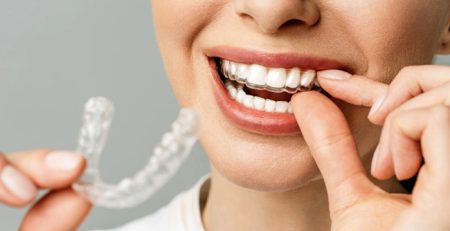
1. Night Guard (Splint) Therapy
One of the most common treatment methods.
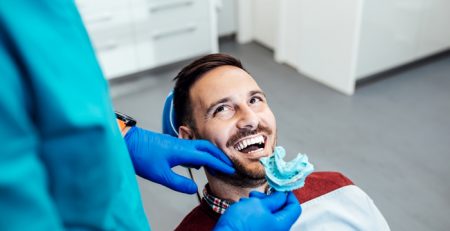
A custom-made transparent night guard prevents teeth from contacting each other during sleep, reducing tooth wear, jaw strain, and muscle pain. It is comfortable to use and provides effective results when used regularly.
2. Botox Treatment
An effective method used in recent years to relax the jaw muscles.
A low dose of botox is applied to the jaw muscles to reduce excessive muscle contraction. Teeth grinding decreases, pain is relieved, and the jaw relaxes. The effect lasts about 4–6 months and can be repeated if needed.
3. Stress and Anxiety Management
Psychological factors play a major role in bruxism.
Yoga, meditation, and breathing exercises may help with stress control. If necessary, psychological support or therapy can be recommended.
4. Bite Corrections
If bruxism is caused by malocclusion, orthodontic treatment or dental restorations may be used to correct the bite.
5. Muscle Relaxation Exercises
Jaw muscle exercises recommended by dentists help relax the muscles and reduce pressure on the temporomandibular joint (TMJ).
What Happens If Bruxism Is Not Treated?
If left untreated, bruxism can lead to serious dental and jaw problems over time:
– Advanced tooth enamel erosion
– Tooth fractures and sensitivity
– TMJ disorders
– Facial muscle pain and asymmetry
– Chronic head and neck pain
– Gum recession and tooth loss
If teeth grinding is noticed, it is essential to consult a dentist without delay.
Bruxism Treatment at Melsadent
At Melsadent Oral and Dental Health Clinic, we provide a comprehensive approach to bruxism treatment. The process includes:
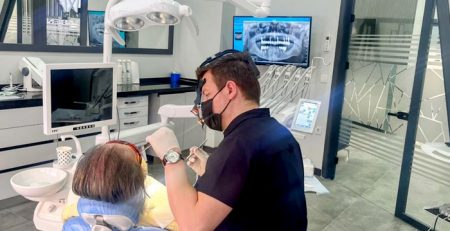
Digital Jaw Analysis: Detailed examination of jaw joints, muscle structure, and bite alignment
Customized Treatment Plan: Night guard, botox, or orthodontic treatment tailored to the underlying cause
Follow-Up & Monitoring: Regular check-ups to track treatment progress
At Melsadent, our goal is not only to stop teeth grinding but also to protect jaw health and improve overall quality of life.
Tips to Prevent Bruxism
– Keep your teeth relaxed during the day – avoid clenching.
– Limit caffeine (coffee, energy drinks).
– Do relaxing activities before sleep.
– Visit your dentist regularly.
– Use your night guard consistently if recommended.
Teeth grinding (bruxism) is caused by both physical and psychological factors and may lead to serious oral health problems if not treated.
At Melsadent Oral and Dental Health Clinic, our expert team provides long-lasting solutions through personalized treatment approaches.
For a healthy jaw structure and a comfortable sleep, do not hesitate to visit Melsadent when you notice the symptoms of bruxism.