Post-Dental Implant Care and Recovery Process
What should be considered during the healing process after implant treatment? At Melsadent Oral and Dental Health Clinic, we explain implant care, nutrition, hygiene, and follow-up recommendations in detail.
Dental implants are a modern treatment method used to replace missing teeth in the most natural and permanent way. However, the success of the implant treatment is not limited to the surgical procedure. Whether the patient follows the post-treatment guidelines directly affects the healing process and the lifespan of the implant. Therefore, the post-operative period is just as important as the surgery itself.
At Melsadent Oral and Dental Health Clinic, we provide a step-by-step explanation of all the essential points to consider after implant surgery.
1. What to Pay Attention to in the First 24 Hours
The first 24 hours after implant surgery are a critical phase when wound healing begins. Any mistakes during this period may lead to bleeding, swelling, or implant failure. It is essential to follow these recommendations on the first day:
– Do not spit or rinse your mouth: This may dislodge the blood clot, which is essential for healing.
– Avoid hot food and drinks: Heat increases bleeding. Opt for lukewarm or cold foods.
– Do not smoke: Nicotine reduces blood circulation and significantly decreases implant success.
– Do not touch the surgical area: Touching with your tongue or fingers may lead to infection.
– Keep your head elevated while resting: Elevation helps reduce swelling.
2. Nutrition Recommendations After Implant Surgery
Nutrition plays a major role in both comfort and recovery after implant treatment.
– Consume soft foods for the first two days: Yogurt, puree, lukewarm soup, fruit juice, and smoothies are ideal.
– Avoid very hot or very cold foods.
– Do not chew hard foods: Pressure on the implant may interfere with bone integration.
– Drink plenty of water to support healing and oral cleanliness.
– After the first week, normal nutrition can be gradually resumed with your dentist’s approval.
3. Oral Hygiene and Cleaning
Oral hygiene is one of the most important factors for the long-term success of dental implants.
– Do not brush your teeth for the first 24 hours.
– Afterwards, use a soft-bristled toothbrush.
– Antiseptic mouthwash (e.g., chlorhexidine) may be used with dentist approval.
– Brush gently around the implant area.
– After stitches are removed, use dental floss or interdental brushes to prevent plaque buildup.
Neglecting oral hygiene may lead to inflammation called peri-implantitis, which can result in implant loss.
4. Swelling, Pain, and Bruising – Are They Normal?
Mild swelling, pain, and bruising are normal after implant surgery and usually decrease within 2–3 days.
Cold compress: Apply for 15-minute intervals during the first 24 hours to reduce swelling.
– Take prescribed painkillers regularly.
– If pain lasts more than a week or swelling increases, contact your dentist immediately.
5. Medication Use and Follow-Up Appointments
Medications such as antibiotics, painkillers, or antiseptic solutions are prescribed according to the patient’s condition.
– Use medications exactly as prescribed – do not stop them on your own.
– Do not skip control appointments.
– Stitches are usually removed after 7–10 days. In some cases, dissolvable sutures may be used – follow your dentist’s instructions.
6. Smoking and Alcohol Consumption
Smoking and alcohol negatively affect the healing process after implant surgery.
– Smoking reduces tissue oxygenation and slows osseointegration (bone-fusion process).
– Alcohol may interact with antibiotics and cause side effects.
– Avoid smoking and alcohol for at least 10–14 days.
7. Physical Activity and Rest
The body needs rest after implant treatment.
– Avoid heavy exercise, bending, or lifting weights for the first 48 hours.
– Increased blood pressure may trigger bleeding.
– Proper sleep supports and accelerates healing.
8. Long-Term Care and Protection
Although implants resemble natural tooth roots, neglecting oral hygiene may lead to gum disease over time. Therefore:
– Visit your dentist every 6 months for routine check-ups.
– Scaling (tartar cleaning) helps protect implant health.
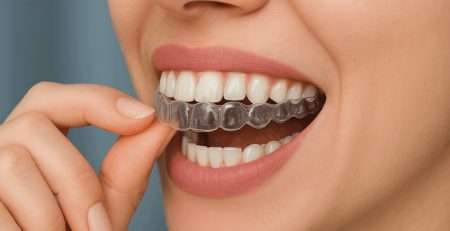
– If you suffer from teeth grinding (bruxism), use a night guard.
Following these precautions helps maintain your dental implants for many years and ensures a healthy and aesthetic smile.
At Melsadent Oral and Dental Health Clinic, we are committed to providing the best treatment experience with our expert team and modern technology. For detailed information and personalized treatment plans, feel free to contact us.