Why Does Toothache Occur? Symptoms, Treatment Methods and Prevention | Melsadent Tuzla Dental Clinic
Why do toothaches occur, what are the symptoms, and how can they be treated? At Melsadent Oral and Dental Health Clinic in Tuzla, we explain in detail the causes of toothache, treatment options, and effective ways to prevent future pain.
Toothache is one of the most common and discomforting dental problems that many people experience at some point in their lives. It can negatively affect daily life — making eating, speaking, and even sleeping difficult. Tooth pain usually results from irritation or inflammation of the nerve tissue (pulp) inside the tooth.
At Melsadent Oral and Dental Health Clinic, we share with you the causes, symptoms, effective treatment methods, and preventive measures to help you avoid toothache in the future.
Main Causes of Toothache
There are many possible reasons for toothache. The most common causes include:
1. Tooth Decay (Cavities)
The most common reason for toothache is decay. Bacteria in the mouth erode the tooth enamel and penetrate deeper layers, affecting nerve endings and causing sensitivity and pain.
2. Gum Diseases
Gingivitis (gum inflammation) and periodontitis (advanced gum disease) can cause pain and tenderness around the tooth roots. If left untreated, these conditions may lead to tooth loss.
3. Dental Abscess
An abscess occurs when an infection forms in the tooth root or gum area. It may cause severe throbbing pain, facial swelling, and fever. Dental abscesses require urgent treatment.
4. Teeth Grinding and Clenching (Bruxism)
Grinding or clenching teeth due to stress or during sleep can lead to enamel wear, jaw pain, and even tooth fractures — one of the hidden causes of chronic toothache.
5. Pulp Inflammation (Pulpitis)
Inflammation of the pulp tissue usually occurs after deep decay or trauma. If not treated, the tooth may lose vitality and require root canal treatment.
6. Cracked Teeth and Filling Problems
Cracked teeth or leaking old fillings can lead to sensitivity to hot and cold foods and cause intermittent tooth pain.
Symptoms of Toothache
Toothache does not always appear as throbbing or constant pain. It may also manifest with different symptoms:
– Sensitivity to hot, cold or sweet foods
– Increased pain during chewing
– Swelling in the face or jaw
– Redness or inflammation in the gums
– Throbbing pain that radiates to the head or ears
– Bad taste or discharge in the mouth
If you experience one or more of these symptoms, you should visit a dentist immediately. At Melsadent, we emphasize that early diagnosis is the key to painless and quick treatment.
How Is Toothache Treated?
The treatment of toothache depends on its underlying cause. At Melsadent Oral and Dental Health Clinic, the main treatment methods include:
1. Dental Filling
In cases of cavities, the decayed area is cleaned and restored with a filling material. This protects the tooth and completely eliminates pain.
2. Root Canal Treatment (Endodontic Therapy)
If the tooth nerve is inflamed, root canal treatment is required. The infected nerve tissue is removed, and the root canals are cleaned, sterilized, and sealed — allowing the tooth to be saved instead of extracted.
3. Gum Treatments
For gum-related pain, deep cleaning (curettage) or laser-assisted gum treatments may be performed. Antibiotic therapy can also be added when necessary.
4. Tooth Extraction
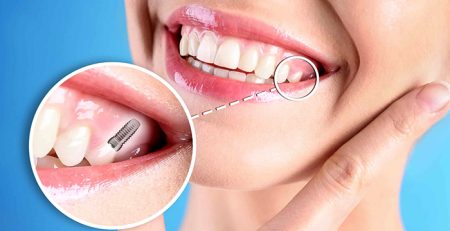
If the tooth cannot be saved, extraction may be required to prevent the spread of infection. After extraction, solutions such as implants or bridges may be recommended.
5. Temporary Pain Relief
For short-term relief at home, warm saltwater rinses, cold compresses, or painkillers can help. However, these are not permanent solutions — a dental check-up is essential.
Tips to Prevent Toothache
To avoid tooth pain, maintaining good oral hygiene and healthy habits is crucial. Here are Melsadent‘s expert recommendations:
Regular Brushing:
Brush your teeth at least twice a day using fluoride toothpaste.
Use Dental Floss & Mouthwash:
Helps remove plaque between teeth and prevents decay.
Regular Dental Check-Ups:
Visit your dentist at least twice a year to detect and treat problems early.
Avoid Sugary and Acidic Foods:
These foods weaken tooth enamel and increase the risk of cavities.
Control Teeth Grinding:
If bruxism is suspected, a night guard can help protect your teeth.
Limit Smoking and Alcohol:
These habits accelerate gum disease and may lead to tooth loss.
Healthy and Pain-Free Smiles with Melsadent
Located in Tuzla, Melsadent Oral and Dental Health Clinic thoroughly identifies the cause of toothache and offers personalized treatment plans. With modern equipment, a sterile environment, and expert dentists, we provide painless, safe and long-lasting solutions.
Remember: Toothache is not just a temporary discomfort — it’s your body’s call for help. Responding to it in time is the most effective way to protect your oral health.
Toothache may result from cavities, gum disease, abscesses, or nerve inflammation. With early diagnosis, regular care, and the right treatment, it is possible to prevent this problem.
At Melsadent, we are here with modern dentistry solutions — for your pain-free and healthy smiles.