Can Diabetic Patients Get Dental Implants? Type 2 Diabetes and Implant Treatment
Can diabetic patients receive implants? Is Type 2 diabetes a barrier to implant treatment? Learn all the details about safe implant procedures for diabetic individuals at Melsadent.
Dental implants are one of the most ideal solutions for missing teeth, both aesthetically and functionally. Today, implant treatment can be safely applied to a large number of patients. However, when it comes to individuals with diabetes, certain concerns may arise regarding the suitability of the procedure. The most common question among Type 2 diabetes patients is:
“Can diabetic patients get dental implants, and does diabetes prevent implant treatment?”
In this article, as Melsadent Oral and Dental Health Clinic, we explain how implant treatment is planned for diabetic patients, the potential risks, and what must be considered during the process.
What Is Dental Implant Treatment?
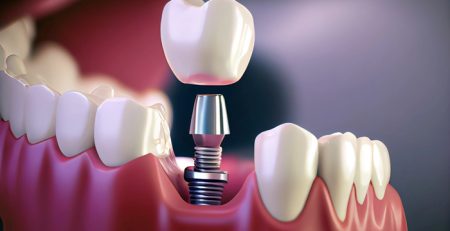
A dental implant is a titanium screw-like artificial root that replaces a missing tooth. It is placed into the jawbone, and a porcelain or zirconium crown is attached on top, resulting in a natural-looking and functional tooth replacement.
Today, dental implants are widely used — from single tooth loss to full edentulism (total tooth loss).
The Relationship Between Diabetes and Oral Health
Diabetes is a chronic condition in which the body either cannot produce insulin or cannot use it effectively, resulting in consistently high blood sugar levels. Elevated blood sugar affects not only general health but also oral and dental health. Diabetes may:
– Increase the risk of gum inflammation and recession
– Delay wound healing in the oral cavity
– Increase susceptibility to infections
– Cause dry mouth and bad breath
Therefore, before planning implant treatment for a diabetic patient, blood sugar levels must be under control.
Can Diabetic Patients Get Dental Implants?
Short answer: Yes — diabetic patients can get dental implants.
However, this depends on whether their blood sugar levels are controlled.
In controlled diabetes cases (HbA1c level below 7), implant treatment can be applied with high success rates.
In uncontrolled diabetes, the risk of infection, bone loss, and implant failure increases due to elevated blood sugar levels.
For this reason, implant treatment should be evaluated in coordination with an endocrinologist before the procedure.
Is Type 2 Diabetes a Barrier to Implant Treatment?
Type 2 diabetes occurs when the body cannot use insulin effectively and is often associated with aging, excess weight, and irregular diet.
In most Type 2 diabetes patients, implant treatment can be performed safely as long as blood sugar is controlled.
At Melsadent, we evaluate the following criteria before implant treatment in diabetic patients:
– HbA1c level and fasting/postprandial blood glucose must be controlled
– Oral hygiene must be at a good level
– Smoking should be avoided
– Antibiotic protection may be applied before the procedure if necessary
– Minimally invasive and short-duration surgical techniques are preferred
With appropriate planning and precautions, implant success rates can be similar to those in healthy individuals.
Key Considerations for Implant Treatment in Diabetic Patients
1. Pre-Treatment Evaluation
The patient’s diabetes level, systemic condition and medications are assessed in detail. Consultation with a specialist doctor may be required.
2. Surgical Phase
The implant is placed using minimally invasive techniques to reduce tissue trauma and infection risk.
3. Healing Process
Tissue regeneration may be slower in diabetic patients. This may extend the healing period, but controlled blood sugar helps ensure healthy recovery.
4. Regular Follow-Ups
Post-implant check-ups are especially important for diabetic individuals. Early detection of inflammation or infection significantly increases treatment success.
What Should Diabetic Patients Pay Attention to After Implant Surgery?
– Blood sugar must be regularly monitored
– Prescribed antibiotics and painkillers should be used properly
– Maximum attention should be given to oral hygiene
– Very hot, cold, or hard foods should be avoided during healing
– Dental check-ups should never be skipped
Following these rules helps diabetic patients achieve a long-lasting and comfortable implant result.
Special Implant Planning for Diabetic Patients at Melsadent
At Melsadent Oral and Dental Health Clinic, we create personalized implant treatment plans based on each patient’s systemic condition and oral structure. In diabetic patients, all necessary medical evaluations and endocrinology consultations are performed before treatment.
Our aim is to provide individuals with chronic conditions such as diabetes the opportunity to achieve a functional, healthy, and aesthetic smile.
Diabetes Is Not a Barrier — Control Is the Key!
For Type 2 diabetic patients, implant treatment is not an obstacle. However, success depends on proper planning and blood sugar control.
A diabetic patient with regulated blood sugar can achieve similar implant success rates as a healthy individual.
Therefore, before implant treatment, diabetic patients should consult an expert dentist and receive a personalized treatment plan.
At Melsadent, we offer safe, comfortable, and long-lasting implant solutions for individuals with diabetes.