The Aesthetic Effects and Psychosocial Dimension of Diastema | Diastema Treatment
Learn what diastema is and explore its aesthetic and psychosocial effects. Discover how gaps between teeth impact self-confidence, social life, and smile aesthetics with expert insights from Melsadent.
What is diastema? What are the aesthetic and psychosocial effects of gaps between teeth? Discover the impact of diastema on self-confidence and social life with Melsadent experts.
The Aesthetic Effects and Psychosocial Dimension of Diastema
Oral and dental health is not only a functional necessity but also an important factor that directly affects an individual’s aesthetic perception, self-confidence, and social relationships. Diastema, defined as the gap between teeth, is considered a characteristic appearance for some individuals, while for many others it may lead to aesthetic and psychological concerns. Especially when observed between the front teeth, diastema significantly affects smile aesthetics and may cause various psychosocial problems in an individual’s social life over time.
As Melsadent Oral and Dental Health Polyclinic, in this article we comprehensively address the aesthetic effects and psychosocial dimension of diastema.
What Is Diastema?
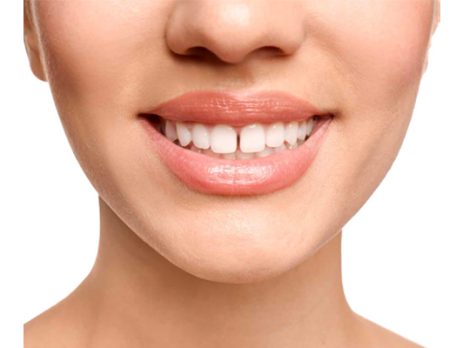
Diastema refers to the presence of a gap larger than normal between two teeth. It is most commonly seen between the upper front teeth but may also occur between other teeth in the mouth. Diastema may occur due to:
– Genetic factors
– Small tooth size
– Jaw structure incompatibilities
– Lip tie (frenulum) anomalies
– Tooth loss or incorrect tooth alignment
While diastema observed in primary teeth during childhood is generally considered physiological, gaps that persist in permanent teeth may lead to aesthetic and functional problems.
The Aesthetic Effects of Diastema
Smile aesthetics is one of the most noticeable elements of facial expression. Diastema directly affects aesthetic perception, especially when located between the front teeth.
1. Disruption of Smile Symmetry
In an aesthetic smile, the alignment, size, and spacing of the teeth are of great importance. Diastema disrupts smile symmetry by making tooth alignment appear irregular. This situation:
– Reduces the aesthetic appearance of the smile line
– Causes teeth to be perceived as smaller or irregular
– May create an appearance that is incompatible with facial aesthetics
Diastema becomes more noticeable especially in photographs and during speech.
2. Effect on the Perceived Size of Teeth
Gaps between teeth may cause the teeth to appear smaller or disproportionate than they actually are. This may lead to the perception that the teeth are aesthetically insufficient despite being healthy.
3. Aesthetic Concern and Dissatisfaction
Individuals with diastema may gradually become dissatisfied with their smile. This aesthetic dissatisfaction may cause a person to feel uncomfortable when looking in the mirror or in photographs.
The Psychosocial Dimension of Diastema
There is a strong connection between dental aesthetics and psychology. Diastema is not only a physical condition but also a factor that affects an individual’s psychological and social life.
1. Loss of Self-Confidence
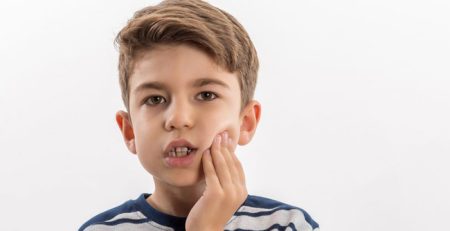
A gap between the front teeth may cause an individual to tend to hide their smile. A person may:
Cover their mouth while smiling
Avoid having photographs taken
Feel uncomfortable speaking in public
Over time, this situation leads to a loss of self-confidence. Especially during adolescence, diastema may increase social anxiety.
2. Effects on Social Relationships
Smiling is one of the fundamental elements of interpersonal communication. Individuals who hide their smile due to diastema may behave more reserved in social relationships. This may:
Lead to negative perceptions during first impressions
Cause individuals to remain in the background in social settings
Create a feeling of weakened communication skills
3. Reflections on Professional and Academic Life
Appearance is an important factor, especially in professions that require communication. Individuals who are dissatisfied with their smile due to diastema may:
Have difficulty expressing themselves comfortably during job interviews
Act more reserved during presentations and meetings
Feel less professional
This may indirectly affect career and academic success.
4. Psychological Stress and Anxiety
Aesthetic concerns may turn into psychological stress in the long term. Dissatisfaction caused by diastema may lead to:
Constant focus on physical appearance
Comparing oneself with others
Social anxiety disorders
The Psychological Benefits of Diastema Treatment
Diastema treatment is not only an aesthetic correction but also a psychological healing process. After treatment, individuals often:
Feel satisfied with their smile
Behave more comfortably in social settings
Experience increased self-confidence
Develop a more positive body image
These gains directly improve an individual’s quality of life.
Social Transformation After Diastema Treatment
After treatment, individuals generally:
Smile more frequently
Become more active in social interactions
Act more confidently when expressing themselves
This transformation leads to positive outcomes in both personal and professional life.
Diastema Is Not Only an Aesthetic Issue but Also a Psychosocial One
Although diastema may appear as a simple gap between teeth, it has a broad impact ranging from aesthetic perception to psychological well-being. Therefore, diastema should be evaluated not only as a cosmetic concern but also as a condition directly related to self-confidence, social relationships, and quality of life.
Melsadent Oral and Dental Health Polyclinic aims to achieve both aesthetically and psychologically satisfying results by offering personalized approaches in diastema treatment. A healthy and confident smile creates positive changes in every aspect of life.