Are Mouthwashes Really Necessary? Do They Provide Benefits? Are There Any Harms?
Discover whether mouthwashes are necessary, their benefits, and possible side effects. Expert advice from Melsadent on proper mouthwash selection, usage, and oral health support.
Are mouthwashes really necessary, do they provide benefits, and can they cause harm? Discover all the details about proper mouthwash selection and usage at Melsadent.
Are Mouthwashes Really Necessary? Do They Provide Benefits? Are There Any Harms?
Among the products used to maintain oral and dental health, mouthwashes have become as common as toothbrushes and dental floss. There are many types of mouthwashes with different ingredients available in supermarkets and pharmacies. However, many people wonder: “Are mouthwashes really necessary?”, “How beneficial are they?”, “Can they be harmful if used incorrectly?”
Melsadent Oral and Dental Health Clinic provides comprehensive information on what mouthwashes do, in which situations they are beneficial, possible side effects, and how to use them correctly.
What is a Mouthwash?
Mouthwashes are liquid products that help reduce the number of bacteria in the mouth, eliminate bad breath, and support oral hygiene. They may contain antiseptic, antibacterial, fluoride, or herbal ingredients.
Mouthwashes are recommended in addition to brushing and flossing; they are not sufficient as the sole oral care method.
Are Mouthwashes Really Necessary?
Mouthwashes are not mandatory for everyone. However, they can be very beneficial in certain situations:
– Individuals at risk of gum disease
– Patients undergoing orthodontic treatment (braces, clear aligners)
– Those experiencing bad breath
– After gum surgery or other oral surgical procedures
– People unable to maintain adequate oral hygiene
– In such cases, mouthwashes play a supportive role in oral care.
Benefits of Mouthwashes
1. Reduces Bacteria and Plaque Formation
Antibacterial and antiseptic mouthwashes help control plaque formation by reducing the number of harmful bacteria in the mouth.
2. Supports Gum Health
Regular and proper use of mouthwash can reduce gum inflammation and promote healthier gums.
3. Eliminates Bad Breath
Bacteria are the most common cause of bad breath. Mouthwashes reduce the impact of microorganisms responsible for unpleasant odors.
4. Fluoride Mouthwashes Strengthen Tooth Enamel
Fluoride-containing mouthwashes strengthen enamel and provide a protective effect against cavities.
5. Refreshes the Mouth
Mouthwashes provide a fresh breath sensation and a clean feeling in the mouth.
Are There Any Harms of Mouthwashes?
As with any product, improper and unconscious use of mouthwashes can lead to negative effects.
1. Overuse Can Disrupt Oral Flora
Prolonged and uncontrolled use of antiseptic mouthwashes may reduce beneficial bacteria, disturbing the natural balance of oral flora.
2. Alcohol-Containing Mouthwashes Can Cause Dryness
Alcohol-based mouthwashes may cause dry mouth, burning sensation, and irritation, especially in sensitive individuals.
3. May Cause Gum Sensitivity
Incorrect selection or long-term use of mouthwashes may lead to gum sensitivity.
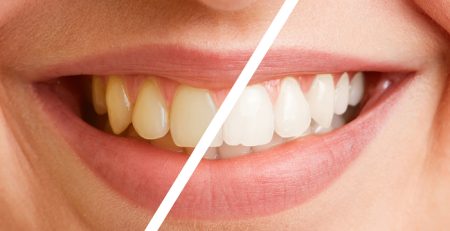
4. Risk of Tooth Discoloration
Some antiseptic mouthwashes may cause superficial tooth discoloration with prolonged use.
Therefore, mouthwash use should always follow a dentist’s recommendation.
How and How Often Should Mouthwash Be Used?
– Usually used 1 or 2 times a day
– Preferably after brushing teeth
– Do not swallow the mouthwash
– Avoid eating or drinking for at least 30 minutes after use
– Especially for therapeutic antiseptic mouthwashes, the duration of use should be determined under professional supervision.
Which Mouthwash is Suitable for Whom?
Fluoride mouthwashes: Individuals at high risk of cavities
Antiseptic mouthwashes: People with gum disease
Herbal mouthwashes: Individuals with sensitive mouths
Alcohol-free mouthwashes: People with dry mouth and children
Every mouth is different; therefore, the choice of mouthwash should be personalized.
Does Mouthwash Replace Brushing?
No. Mouthwashes do not replace brushing or flossing. Using only mouthwash without mechanical cleaning is insufficient. Mouthwash is a supportive oral care product.
Expert Recommendation from Melsadent
Melsadent Oral and Dental Health Clinic specialists recommend conscious and controlled use of mouthwashes. Instead of using mouthwashes randomly, choosing products suitable for your oral and dental structure protects oral health and prevents potential harms.
When used correctly, mouthwashes significantly contribute to oral and dental health. However, they may not be necessary for everyone, and improper use can cause side effects. The healthiest approach is to use mouthwashes as part of your oral care routine under the guidance of a dentist.