Things to Consider After Tartar Cleaning
What to consider after tartar cleaning? Learn about sensitivity, nutrition, oral care tips, and the healing process after professional tartar cleaning at Melsadent.
What should be considered after tartar cleaning? Get detailed information from Melsadent experts about sensitivity, nutrition, oral care recommendations, and the healing process.
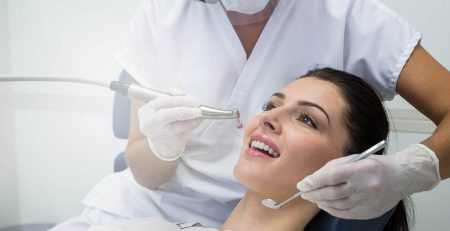
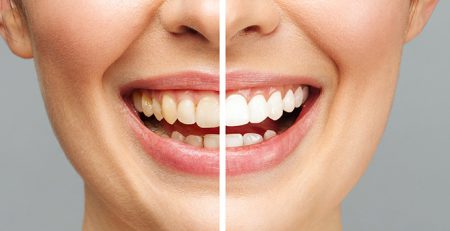
Tartar cleaning (detartrage) is one of the fundamental dental treatments that should be performed regularly to protect oral health and prevent gum diseases. Plaque and tartar accumulated on tooth surfaces can, over time, cause gum inflammation, gum bleeding, bad breath, and even tooth loss. Therefore, professional tartar cleaning is extremely important not only from an aesthetic perspective but also for maintaining overall oral health.
After tartar cleaning, a special care process begins. This process is critical to increase the success of the treatment and ensure healthy healing of the gum tissues. As Melsadent Oral and Dental Health Polyclinic, we have compiled all the important points to consider after tartar cleaning in detail in this guide.
Changes in the Mouth After Tartar Cleaning
After tartar cleaning, some patients may experience temporary sensitivity or minor bleeding. This is completely normal because the tooth surfaces and gum line are thoroughly treated during tartar removal.
Normal effects that may be observed after cleaning include:
– Temporary sensitivity to hot and cold on the teeth
– Mild soreness in the gums
– A feeling of “freshness” in the mouth
– Teeth appearing longer than before (due to tartar removal)
– These symptoms usually disappear on their own within 1–3 days. However, paying attention to the care process accelerates healing and ensures long-term oral health.
The 10 Most Important Rules After Tartar Cleaning
1. Avoid Hot and Acidic Foods for the First 24 Hours
Teeth may become sensitive immediately after cleaning. Therefore, foods and beverages such as hot tea, coffee, and soup should be avoided. Likewise, acidic drinks and citrus fruits can irritate tooth enamel.
2. Do Not Consume Cigarettes and Alcohol (At Least 24–48 Hours)
– Delays gum healing
– Disrupts blood circulation in the mouth
– Increases the risk of infection
– Alcohol negatively affects the healing process by drying out the gums.
3. Use Fluoride Toothpaste for Sensitivity
Desensitizing toothpastes recommended by your dentist are very effective in reducing hot-cold sensitivity. Fluoride-containing products strengthen tooth enamel and slow down new tartar formation.
4. Choose a Soft-Bristled Toothbrush
Since gums may be sensitive for a while after cleaning, a soft-bristled toothbrush should be used. Brushing should be done:
– With circular motions
– Using moderate pressure
– At least twice a day.
5. You May Use a Saltwater Rinse
Rinsing with saltwater 1–2 times a day relaxes gum tissues and reduces the risk of inflammation. However, it is important not to overdo it; excessive salt can irritate the gums.
6. Perform Regular Interdental Cleaning
Using dental floss or interdental brushes greatly prevents new tartar formation. After tartar cleaning, interdental areas can be cleaned more easily.
7. Avoid Staining Foods for the First 24 Hours
Especially foods and beverages such as tea, coffee, wine, beetroot, and caramelized foods that cause staining may leave marks on newly cleaned surfaces.
8. Avoid Extremely Cold or Hot Showers
Sudden changes in body temperature may increase tooth sensitivity. Therefore, taking lukewarm showers is recommended on the first day.
9. Contact Your Dentist If Oral Complaints Persist
If sensitivity lasts longer than 3–5 days or if excessive bleeding or pain occurs in the gums, a dentist should be consulted.
10. Do Not Skip Regular Check-Ups
Although tartar formation varies from person to person, dental check-ups are recommended on average every 6 months.
What Should You Eat After Tartar Cleaning?
Recommended Foods
– Lukewarm soup
– Yogurt
– Cheese
– Banana
– Boiled vegetables
– Water (drinking plenty of water is very important)
Foods to Avoid
– Very hard foods (nuts, croutons, tough meat)
– Extremely hot beverages
– Acidic drinks
– Sugary foods
– Staining foods
– This dietary routine supports faster healing of the gums.
Recommendations to Prevent Tartar Formation Again
Tartar cleaning is an important step, but it is not sufficient on its own. To prevent new tartar formation, daily oral care routines must be properly applied.
Daily Recommendations:
– Brushing teeth twice a day
– Using dental floss once a day
– Antibacterial mouthwash
– Drinking plenty of water
– Avoiding tobacco products
Long-Term Recommendations:
– Dental check-ups every 6 months
– Quitting smoking if you smoke
– Using fluoride products
– In individuals who maintain regular oral care, tartar formation is reduced to a minimum level.
Advantages of Tartar Cleaning at Melsadent
As Melsadent Oral and Dental Health Polyclinic, we use modern, comfortable, and effective methods for tartar cleaning. Our experienced expert team both protects your gums and strengthens your oral health in the long term.
Advantages offered at Melsadent:
– Painless and comfortable cleaning
– Ultrasonic detartrage method
– Detailed cleaning with polishing if necessary
– Personalized oral care recommendations
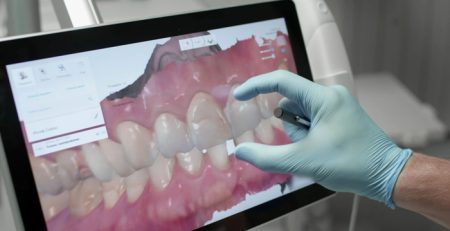
– Digital follow-up and regular control programs
Professional care is essential for oral health, and with the right clinic, this process becomes very easy and enjoyable.