What is an Impacted Tooth and How is it Treated?
What is an impacted tooth, why does it occur, and how is it treated? Experts at Melsadent Oral and Dental Health Clinic provide detailed information on symptoms, treatment methods, and post-surgery care for impacted teeth.
What is an Impacted Tooth?
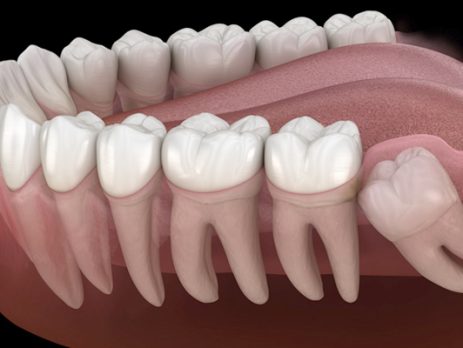
An impacted tooth is a tooth that fails to fully emerge in its proper position or remains partially trapped under the gum or jawbone. This can cause both aesthetic and functional problems. Wisdom teeth (third molars) are the most commonly affected, but canine or premolar teeth can also become impacted.
Causes of Impacted Teeth
Narrow Jaw Structure: Modern diets often lead to narrower jaws, leaving insufficient space for new teeth to emerge.
Misaligned Teeth: Abnormal positioning or insufficient space can cause teeth to grow at the wrong angle, becoming impacted.
Delayed Loss of Baby Teeth: If a primary tooth does not fall out on time, the underlying permanent tooth may fail to emerge properly.
Genetic Factors: Jaw size, tooth structure, and alignment may be inherited, predisposing individuals to impacted teeth.
Abnormal Eruption Direction: Teeth that grow in an abnormal direction can remain under the gum, pressing on neighboring teeth.
Symptoms of Impacted Teeth
Impacted teeth may not always cause symptoms, but inflammation or pressure can lead to:
– Pain and pressure, especially when chewing
– Swollen or red gums
– Bad breath (halitosis) due to bacterial accumulation
– Jaw and ear pain from nerve pressure
– Difficulty opening the mouth
– Swollen lymph nodes in case of infection
Problems Caused by Untreated Impacted Teeth
Untreated impacted teeth may result in:
– Tooth decay and gum disease
– Erosion of adjacent tooth roots
– Misalignment and crowding
– Cyst or tumor formation
– Jaw pain and increased risk of infection
Early detection and treatment by a dentist are crucial to prevent these complications.
Diagnosis of Impacted Teeth
Impacted teeth are diagnosed using panoramic X-rays or 3D dental CT scans. These imaging methods reveal the tooth’s position, angle, and surrounding bone structure. At Melsadent, digital radiography allows fast detection and personalized treatment planning.
Treatment of Impacted Teeth
Treatment depends on the tooth’s position and the problems it causes. The most common method is surgical extraction.
Surgical Extraction:
Under local anesthesia, the dentist opens the gum, carefully removes the surrounding bone, and extracts the impacted tooth. The area is cleaned and sutured.
Antibiotics and Infection Treatment:
If there is infection, antibiotic therapy may be administered before extraction.
Partial Exposure and Protection:
In some cases, gum tissue may be removed to allow the tooth to emerge without full extraction.
Orthodontic Intervention:
If the impacted tooth affects dental alignment, orthodontic treatment may be necessary.
Post-Surgery Care
– Avoid hot foods and drinks for the first 24 hours
– Do not smoke or consume alcohol
– Avoid rinsing the mouth on the first day
– Apply cold compresses to reduce swelling
– Follow all prescribed medications
– Attend follow-up appointments for suture removal if needed
At Melsadent, impacted tooth surgeries are performed by experienced surgeons in a sterile environment, ensuring a fast and comfortable recovery.
Can Impacted Teeth Be Prevented?
Complete prevention is not possible, but regular dental check-ups allow early detection. Early-identified teeth can be monitored or extracted at the appropriate time. Regular exams during childhood and adolescence reduce the risk of impacted teeth.
Healthy Smiles with Melsadent
Melsadent Oral and Dental Health Clinic provides modern technology and expert care for impacted teeth treatments and surgical procedures. Personalized planning ensures both aesthetic and functional results. If you suspect an impacted tooth, contact Melsadent promptly to secure your oral health.