




What is Preprosthetic Surgery? Oral Preparation Before Prosthesis
What is Preprosthetic Surgery?
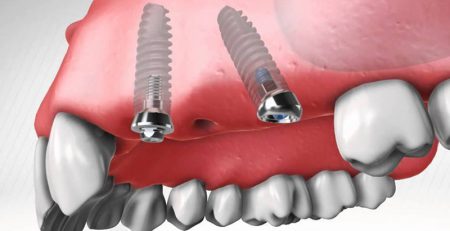
Preprosthetic surgery is the general name for oral, dental, and maxillofacial surgery procedures aimed at making the bone and soft tissues in the mouth suitable for a more appropriate, stable, and comfortable use of the prosthesis before the dental prosthesis is made. In other words, preprosthetic surgery focuses on preparing the oral environment where the prosthesis will sit, rather than directly creating the prosthesis itself.
After teeth are lost, various changes can occur over time in the jawbone and gum tissues. In some areas, sharp or irregular bone protrusions may form, the area where the prosthesis will sit may become insufficient, muscle or frenulum attachments may affect the edges of the prosthesis, or growth and irritation may occur in the soft tissues due to ill-fitting prostheses used for a long time.
Not all of these changes require surgical treatment in every patient. However, when anatomical problems significantly affecting the stability, oral fit, or patient’s comfort of use of the prosthesis are present, a pre-prosthetic surgical evaluation may become necessary.
Within Melsadent Oral and Dental Health Polyclinic’s Oral, Dental, and Maxillofacial Surgery practices, pre-prosthetic surgical procedures, which are surgeries performed before the prosthesis, are among the treatments carried out to prepare the oral environment for the prosthesis.
What is the Main Purpose of Pre-prosthetic Surgery?
The main purpose of pre-prosthetic surgery is to create an appropriate support area for the prosthesis to be made, while preserving healthy hard and soft tissues as much as possible.
It is not enough for a good prosthesis to be prepared correctly only in the laboratory. The shape of the jawbone with which the prosthesis comes into contact in the mouth, the condition of the gums, the depth of the oral vestibule, muscle attachments, remaining natural teeth, and the patient’s occlusal relationship can also directly affect the performance of the prosthesis.
Especially with removable prostheses, the tissues underneath the prosthesis are important. If the prosthesis creates excessive pressure in certain areas, the patient may experience pain during chewing. If there is a sharp bone protrusion, a continuous sore may develop under the prosthesis. If there is a high muscle or frenulum attachment close to the edge of the prosthesis, the prosthesis may move during speech and chewing.
Therefore, the goal in pre-prosthetic evaluation is not merely to “correct bone.” The aim is to create an oral environment that is suitable for the needs of the prosthetic system to be applied and preserves biological tissues as much as possible.
Why is Pre-prosthetic Oral Preparation Necessary?
For prosthetic treatment to be successful, it is important that the tissues on which the prosthesis sits or is supported are in suitable condition.
For example, in a completely edentulous patient, the retention of a complete denture does not solely depend on the material of the prosthesis. The form of the jawbone, oral mucosa, saliva, movements of the tongue and cheek muscles, accurate determination of the prosthesis’s borders, and occlusal relationship all play a role together.
Similarly, in partial dentures, the condition of the remaining natural teeth and periodontal tissues, and in implant-supported prostheses, the bone quantity and the position of the implants are important parts of the treatment plan.
Melsadent’s Dental Prostheses page also states that fixed, removable, complete, partial, and precision attachment prostheses are planned according to the patient’s existing oral structure.
Therefore, before a prosthesis is made, the supporting tissues in the mouth are evaluated, and if deemed necessary, conditions that could negatively affect the success of the prosthesis are treated.
Who Might Need Preprosthetic Surgery?
Preprosthetic surgery is not a routine procedure applied to everyone who will have a prosthesis. The need for treatment is determined by the individual’s oral anatomy and the type of prosthesis planned.
Evaluation for preprosthetic surgery may be carried out in the following situations:
- Presence of irregular or sharp bone edges after tooth extraction,
- The removable prosthesis constantly causing sores in the same area,
- Presence of prominent protrusions in the jawbone that prevent the prosthesis from seating properly,
- Bone protrusions, called tori or exostoses, affecting the denture area,
- Lip, cheek, or tongue frenula interfering with the borders of the prosthesis,
- Development of soft tissue growths due to long-term use of ill-fitting dentures,
- Insufficient vestibular depth available for the prosthesis,
- Insufficient jawbone for implants or planned prosthetic rehabilitation,
- Irregular healing in the area where a prosthesis will be placed after extraction.
The presence of one of these findings alone does not necessarily mean that surgery will be performed. The surgical decision is made by evaluating clinical examination, radiographic assessment, and the planned type of prosthesis together.
Why Does Bone Change After Tooth Extraction?
Natural teeth are located within the jawbone with their roots. When a tooth is lost, the structure of the alveolar bone in that area begins to change over time. As a natural part of post-extraction healing, remodeling and volume loss can occur in the alveolar ridge.
For this reason, the jaw structure of a person who lost their teeth years ago is not the same as the bone structure of a person who recently had a tooth extracted.
One of the important principles of modern preprosthetic surgery is to avoid unnecessary bone loss and to preserve existing tissue as much as possible. In current academic literature, alveolar bone atrophy developing after tooth loss and its effects on prosthetic rehabilitation are considered among the fundamental topics of preprosthetic surgery.
For current scientific evaluations on the subject, the academic review titled Preprosthetic Surgery—Narrative Review and Current Debate can be examined.
What is Alveoloplasty?
Alveoloplasty is one of the surgical procedures that refers to the reshaping of the alveolar bone surrounding the teeth in a manner appropriate for a prosthesis or future treatment plan.
After tooth extraction, the bone surface may remain irregular in some patients. Sharp edges or prominences can create pressure through the thin oral mucosa, especially when a removable denture is used. This can lead to problems such as sensitivity during chewing, recurrent sores, or the denture not fitting properly.
During alveoloplasty, the goal is not to remove as much bone as possible. On the contrary, in the modern approach, while enough shaping is done to ensure the proper fit of the denture, preserving the bone that may be needed in the future is important.
For detailed academic information on the basic principles of pre-prosthetic surgery and alveoloplasty, the study Pre-prosthetic Surgery: Mandible published in PubMed Central can be reviewed.
For a 2025 study on the current surgical approach to alveoloplasty techniques, the publication Alveoloplasty: A Paradigm Shift to a More Efficient Surgical Technique can also be accessed.
How Do Bone Protrusions Affect Dentures?
The jawbone does not have a completely flat surface in every person. Some individuals may have anatomically prominent bone protrusions. Structures such as torus, exostosis, or irregular alveolar ridge can remain in the mouth for years without causing any complaints.
However, problems can arise if a removable denture is placed over this area. Continuous pressure can be created between the hard base of the denture and the thin soft tissue covering the bone protrusion.
In this situation, the patient may feel pain, especially when chewing hard foods, or recurrent denture sores may develop in the same area.
Not every bone protrusion requires surgical removal. The decision for intervention is determined by the size of the protrusion, its location, the thickness of the soft tissue covering it, and the design of the prosthesis to be made.
What is a Torus and Does it Need to be Removed Before a Prosthesis?
Torus is a term that describes a benign bone protrusion that can develop in the jawbone. Structures seen in the palate region of the upper jaw are called torus palatinus, while those seen on the tongue side of the lower jaw are called torus mandibularis.
The presence of a torus alone does not signify a disease, and tori that do not cause complaints do not always need to be treated.
However, if a large torus obstructs the path of insertion for a removable prosthesis, causes the prosthesis to break or lose its balance, or creates constant irritation in the thin tissue covering it, a surgical option may be considered.
Therefore, the answer to the question “Is surgery always necessary if a torus is present?” is no. The decision should be made based on the individual and the design of the planned prosthesis.
Can a Frenulum Affect Prosthetic Retention?
Frenula are anatomical structures that form connections between mobile tissues such as the lips, cheeks, or tongue and other tissues within the mouth.
In some patients, the attachment point of the frenulum may be quite close to the area where the border of the prosthesis will be formed. A frenulum that moves during speech, smiling, or chewing can apply force to the edge of the prosthesis, causing it to become dislodged.
In such a case, if the problem cannot be solved with the prosthesis design, surgical repositioning of the frenulum area may be considered.
The decision for a frenectomy or frenuloplasty should be made not only from the perspective of the prosthesis but also by considering the patient’s overall oral structure and functions.
Can Long-Term Use of Ill-Fitting Dentures Change Oral Tissues?
Yes. The prolonged use of ill-fitting, loose, or removable dentures that apply excessive pressure to specific areas can cause chronic irritation in the soft tissues.
In some patients, folds or tissue growth may occur due to continuous mechanical irritation from the edge of the denture. In such cases, simply remaking the existing denture may not be sufficient.
First, the cause and nature of the tissue are evaluated. If deemed necessary, surgical treatment can be applied, and a new denture can be planned after healing.
If an existing removable denture, which previously fitted well, starts to move over time, it could be a sign of changes occurring in the oral tissues or jawbone. For detailed information on this topic, Melsadent’s content My Denture Is Moving: Why Does It Loosen, What Should Be Done? can be reviewed.
What is Vestibuloplasty?
The vestibule is the part of the oral cavity between the lips and cheeks and the teeth or jawbone. Vestibule depth can be important for the proper extension of removable denture flanges.
In some patients, due to advanced bone loss or the position of muscle attachments, the vestibule can be quite shallow. This situation can lead to a reduction in the support area usable for complete dentures, especially, and muscle movements can displace the denture more easily.
Vestibuloplasty is a surgical procedure aimed at reshaping this area in selected cases.
However, with the development of implant-supported treatment options today, the scope of extensive preprosthetic surgical interventions has changed compared to past periods. The appropriate approach is determined based on the patient’s bone structure, general health status, expectations, and the planned prosthetic system.
How is Preprosthetic Surgery Related to Implant Treatment?
In the past, a significant portion of preprosthetic surgery focused on creating a suitable denture base for complete removable dentures. With the widespread adoption of dental implants, the scope of preprosthetic surgery has significantly changed.
Today, for some patients, the goal is not only to create a suitable surface for a classic removable denture but also to provide sufficient hard and soft tissue conditions for implant placement.
In cases where the bone quantity is insufficient, bone augmentation, grafting, or different reconstructive procedures may be considered. However, there is no general rule that grafting must be applied in every case of bone loss or that implants must be placed in every edentulous patient.
Planning should be personalized according to the patient’s needs. Especially in patients with advanced bone loss, collaborative planning between the prosthodontist and the oral and maxillofacial surgeon is crucial for the integrity of the treatment.
For a detailed scientific evaluation of the role of implants and bone reconstruction options in modern preprosthetic surgery, the publication Preprosthetic Surgery—Narrative Review and Current Debate can be reviewed.
Is Surgery Required Before Every Removable Denture?
No. Preprosthetic surgery is only performed on patients where it is necessary.
If the oral tissues are suitable for the planned denture and there is no significant anatomical problem preventing the denture’s stability, denture treatment can begin without surgical intervention.
The current approach is as conservative as possible. It is particularly important to avoid unnecessary interventions, especially in irreversible bone removal procedures.
Therefore, the need for surgery should not be approached independently before deciding on the type of prosthesis. First, the final prosthetic plan should be determined, and then it should be evaluated whether the oral environment is suitable for this plan.
For more information on the conditions under which fixed and removable prostheses can be preferred, the content Fixed or Removable? Which Dental Prosthesis Is Right for You? can be reviewed.
What Is Examined During a Pre-prosthetic Surgical Examination?
Pre-prosthetic surgical planning begins with a detailed oral examination.
The dentist first evaluates the type of prosthesis planned, existing teeth, the structure of the jawbone, soft tissues, and the patient’s complaints.
The examination may specifically cover the following points:
- Height and width of the jawbone,
- Sharp bone edges and prominences,
- Tori and exostoses,
- Condition of the gums and oral mucosa,
- Frenulum and muscle attachments,
- Relationship of existing prosthesis with oral tissues,
- Health of remaining natural teeth,
- Occlusion and relationship between jaws,
- Amount of available bone if implants are considered,
- Patient’s general health status and medications used.
When deemed necessary, radiological methods such as panoramic radiography or three-dimensional imaging may be utilized.
How Is a Pre-prosthetic Surgical Treatment Plan Made?
One of the important points in successful pre-prosthetic surgical planning is that the surgical procedure should not be performed independently of the prosthetic plan.
First, it is determined which prosthetic rehabilitation will be applied to the patient. Because the anatomical conditions required for a classic total denture may not be the same as the needs of an implant-supported prosthesis.
For example, although complete leveling of some bone areas may seem to facilitate the placement of a removable prosthesis in the short term, unnecessary bone loss may be undesirable if implants are planned for the future.
Therefore, in the current approach, coordinated surgical and prosthetic planning is important.
The scientific literature also emphasizes the importance of a multidisciplinary approach in pre-prosthetic treatments, where the oral surgeon, prosthodontist, or restorative dentist and the patient make decisions together.
Is Pre-Prosthetic Surgery Painful?
The anesthesia method may vary depending on the scope of the procedure to be performed. Limited bone corrections and some soft tissue procedures can often be performed under local anesthesia.
During the procedure, pain control in the surgical area is aimed through anesthesia. After the procedure, sensitivity, swelling, and temporary discomfort may occur depending on the scope of the surgery.
The level of pain varies from person to person and depends on the extent of the surgical procedure performed. Following the medication and care instructions recommended by the doctor helps the healing process to be more controlled.
How Long Does Healing Take After Pre-Prosthetic Surgery?
The healing period varies depending on the type and extent of the procedure performed.
The healing time for correcting a small bone protrusion is not the same as for extensive bone or soft tissue reconstruction. Additionally, the patient’s age, systemic diseases, smoking habits, oral hygiene, and the size of the surgical area can affect healing.
In the first days, swelling, slight bleeding, or tenderness may be observed. While soft tissues begin to recover quickly, the underlying bone may take longer to remodel.
For this reason, the timing of prosthesis placement is not determined solely by the number of days passed. The physician clinically assesses the healing status of the tissues.
When is a Prosthesis Made After Preprosthetic Surgery?
This question is one of the most frequently asked by patients. However, there is no single waiting period that applies to everyone.
The type of procedure, the amount of tissue removed, the area where the surgery was performed, the planned prosthesis, and the patient’s healing rate determine the waiting period.
In some cases, temporary prostheses can be used in the early stages, while waiting for the tissues to become more stable for the preparation of a permanent prosthesis.
Especially after surgeries performed concurrently with tooth extractions, the jawbone and gum tissue may continue to change for a period. It is possible for a permanent removable prosthesis prepared too early to show reduced adaptation to the mouth in the following months.
Therefore, prosthesis timing should be determined by the joint planning of surgical and prosthetic treatment.
Can Tooth Extraction and Preprosthetic Surgery Be Performed Simultaneously?
In suitable cases, some bone adjustments can be performed in the same session as tooth extraction. This can help reduce the likelihood of significant bone irregularities forming after extraction.
However, careful consideration should be given to how much bone is shaped during extraction. Unnecessary bone removal can lead to reduced prosthesis support in the future or a decrease in the amount of bone available for implant treatment.
For detailed information about the post-extraction care process, you can refer to the content What to Do After Tooth Extraction? First 24 Hours Guide.
Does Preprosthetic Surgery Completely Prevent Denture Movement?
Preprosthetic surgery can help dentures establish a more favorable relationship with supporting tissues in suitable patients, but it does not, by itself, guarantee that the denture will never move.
The stability of a removable denture is affected by numerous factors such as the design of the denture, the accuracy of the impression, the structure of the jawbone, muscle control, amount of saliva, occlusal relationship, and bone changes over time.
Furthermore, the jawbone can continue to change to a certain extent throughout life after tooth loss. For this reason, a denture that fits very well initially may become loose years later.
In such a situation, instead of directly replacing the denture, the reason for the looseness should first be determined. Sometimes, relining or adjusting the denture may be sufficient, while in some cases, a new denture or a different treatment option may be required.
What Should Be Considered After Preprosthetic Surgery?
Post-surgical recommendations vary according to the type of procedure performed. Therefore, the patient must first follow the instructions given by their own doctor.
Generally, it is important to protect the surgical area from trauma, maintain oral hygiene as recommended by the doctor, avoid very hot foods and drinks in the early period, and use prescribed medications as advised.
Since smoking can negatively affect wound healing, it is one of the important factors that should be specifically evaluated after surgical treatments.
It is also important not to miss control appointments. Because before the prosthesis is prepared, the surgical area must heal and be evaluated for suitability for the prosthesis.
What Are the Advantages of Preprosthetic Surgery?
Preprosthetic surgery performed with the correct indication can contribute to the creation of a more suitable oral environment for the application of prosthetic treatment.
Potential benefits may include:
- Elimination of sharp bone areas causing pressure under the prosthesis,
- Reduction of the causes of recurrent denture sores,
- Creation of a more suitable support surface for the prosthesis,
- Regulation of anatomical structures that may cause prosthesis movement,
- Treatment of soft tissue excesses when necessary,
- Supporting the retention and stability of the prosthesis in selected cases,
- Creation of a suitable environment for implant or advanced prosthetic rehabilitation.
However, the benefit of preprosthetic surgery depends on the patient’s anatomy and the correct indication. Unnecessary surgical interventions may not provide advantages and can also lead to valuable bone and soft tissue loss.
Why is Tissue Preservation Important in Modern Preprosthetic Surgery?
In the past, more extensive bone corrections could be made to create a smooth surface for the prosthesis. Today, emphasis is placed on preserving existing bone as much as possible.
One of the important reasons for this is that the alveolar bone is valuable in later years for both the support of removable prostheses and potential implant treatments.
Therefore, the modern surgical approach considers not only the current prosthesis but also the patient’s long-term oral rehabilitation.
The alveoloplasty study published in the Journal of Oral and Maxillofacial Surgery in 2025 also draws attention to objectives such as preserving sufficient bone, properly shaping the alveolar ridge, and reducing complications in surgical planning.
May Re-operation Be Necessary After Preprosthetic Surgery?
Oral tissues are not static. Especially in edentulous jaws, bone structure can continue to change over the years. Therefore, having undergone preprosthetic surgery in the past does not mean that the oral structure will remain the same throughout life.
Over the years, it is possible for dentures to loosen, bone loss to progress, or different prosthetic needs to arise.
During regular check-ups, the adaptation of the prosthesis to the oral tissues and the health of the supporting tissues can be evaluated. When necessary, prosthesis adjustments, relining, renewal of the prosthesis, or different treatment options may come into question.
Preprosthetic Surgery or Implants?
It is not always correct to consider these two treatments as alternatives to each other.
Preprosthetic surgery is a broad concept, and some procedures can already be performed for the purpose of preparing for implant treatment. On the other hand, in some patients, oral preparation for conventional removable dentures can be performed without implant placement.
When making a decision, the patient’s jawbone, general health status, existing teeth, expectations, the type of planned prosthesis, and long-term treatment goals are evaluated.
Modern literature indicates that the widespread use of implants has significantly altered the classical preprosthetic surgical approach; nevertheless, bone and soft tissue surgeries still play an important role in prosthetic rehabilitation in selected cases.
Which Department Should Be Consulted for Preprosthetic Surgery?
Preprosthetic surgery is a treatment area conducted in close collaboration between oral, dental, and maxillofacial surgery and prosthetic dental treatment.
In the ideal approach, the final prosthesis to be applied to the patient is planned first. Subsequently, the surgical specialist or relevant dentist evaluates whether surgical changes in the oral tissues are required for the application of this prosthesis.
For information about surgical procedures at Melsadent Oral and Dental Health Polyclinic, you can visit the Oral, Dental, and Maxillofacial Surgery page, and for prosthetic options, the Dental Prostheses page can be reviewed.
Frequently Asked Questions
What is preprosthetic surgery?
Preprosthetic surgery is the general name for surgical procedures aimed at making the jaw bone and soft tissues in the mouth suitable for the planned prosthesis before the prosthesis is made.
What does preprosthetic mean?
“Pre” means before, and “prosthetic” means related to prostheses. Therefore, the term preprosthetic is used in the sense of “before prosthesis”.
Is preprosthetic surgery applied to every person who will have a prosthesis?
No. If the oral tissues are suitable for the prosthesis, prosthetic treatment can begin without any surgical procedure. Surgery is only planned in cases where it is deemed necessary.
Why is bone corrected before a prosthesis is made?
Sharp or irregular bone areas can create pressure and sores under the prosthesis. In suitable cases, shaping these areas can help the prosthesis fit more comfortably on a favorable surface.
What is alveoloplasty?
Alveoloplasty is the procedure of reshaping the alveolar bone that supports the teeth in the necessary areas. It can be applied especially to regularize sharp or irregular bone edges formed after extraction.
Can alveoloplasty and tooth extraction be performed in the same session?
It can be done in suitable cases. However, it is important to preserve as much bone as possible that may be needed in the future during the procedure.
Is preprosthetic surgery painful?
Many limited preprosthetic surgical procedures can be performed under local anesthesia. After the procedure, temporary pain, swelling, or tenderness may be observed depending on the scope of the surgery.
Is the prosthesis made immediately after preprosthetic surgery?
Not always. The timing of the permanent prosthesis is determined by the scope of the surgical procedure performed and the healing rate of the tissues. In some cases, a temporary prosthesis may be used.
Does a torus need to be removed before a prosthesis?
No. If the torus does not affect the fabrication or use of the prosthesis, surgery may not be necessary. Surgical evaluation may be considered for large tori that obstruct the prosthetic area.
Should every protuberance in the jaw bone be removed?
No. Intervention may only be considered in areas that negatively affect the fit, stability, or comfort of the prosthesis.
Does preprosthetic surgery ensure better retention of the prosthesis?
Surgery performed with the correct indication can contribute to making the supporting tissues for the prosthesis more suitable. However, the retention of the prosthesis depends on many factors such as impression, design, jaw structure, muscle movements, and occlusion.
Is preprosthetic surgery necessary if the prosthesis constantly causes sores?
Not always necessary. First, the fit, occlusion, and pressure points of the prosthesis should be checked. If the problem is due to a bone protrusion or soft tissue issue, a surgical option can be considered.
Do dentures used for a long time change the jawbone?
After tooth loss, the jawbone naturally changes over time. Ill-fitting removable prostheses can also lead to continuous pressure and soft tissue irritation in some areas. Therefore, regular check-ups of prostheses are important.
Can preprosthetic surgery be performed before an implant?
Yes. Today, a part of preprosthetic surgery also includes procedures aimed at preparing the hard and soft tissues in the area where the implant will be placed.
Is bone grafting considered preprosthetic surgery?
Bone augmentation procedures performed with the aim of reconstructing the jawbone for planned prosthetic or implant rehabilitation can be considered within the scope of modern preprosthetic surgery.
How many days does recovery take after preprosthetic surgery?
It is not possible to give a single timeframe. The recovery times for small bone corrections and extensive reconstructive surgeries differ. The timing of the permanent prosthesis is decided during the follow-up examination.
Can preprosthetic surgery be performed on elderly patients?
Age alone is not an obstacle to surgery. The patient’s systemic health status, medications used, healing capacity, and the scope of the procedure to be performed should be evaluated together.
Is an X-ray taken during the oral examination before a prosthesis?
Panoramic radiography or different imaging methods can be used according to the patient’s needs. Advanced imaging methods may be necessary, especially in cases requiring detailed evaluation of bone structure or implant planning.
My old denture is loose, do I need bone surgery?
Not necessarily. The reason for the denture being loose could be bone changes, wear of the denture, problems with supporting teeth, incompatibility of the denture’s base surface, or changes in implant connections. The cause should be determined first.
Why is Proper Planning Important in Preprosthetic Surgery and Prosthetic Treatment?
Preprosthetic surgery is not a standard operation applied to every patient undergoing prosthetic treatment; it is a treatment approach used to support prosthetic treatment in patients with specific anatomical or functional problems.
The foundation of a successful treatment involves first planning the prosthesis to be made, and then evaluating the suitability of the oral tissues for this plan.
Surgical options may be considered in cases such as sharp bone edges, prominent bone protrusions, high frenulum attachments, soft tissue changes preventing denture placement, or advanced bone loss. However, in the current approach, it is important to preserve existing bone and soft tissue as much as possible.
Especially with the development of implant treatments, preprosthetic surgery has ceased to be merely an area for preparing for classic dentures; it has evolved into a broader treatment field that also includes the planning of hard and soft tissues for implant and advanced prosthetic rehabilitation.
At Melsadent Oral and Dental Health Polyclinic, a personalized treatment plan can be created by collectively evaluating the patient’s existing teeth, jawbone, soft tissues, and the planned type of prosthesis. Whether preprosthetic surgery is necessary can only be determined after a clinical examination and, if required, a radiological examination.
This content has been prepared for general informational purposes. A dental examination is required for diagnosis and a personalized treatment plan.