Teeth Grinding (Bruxism): How Does It Affect Daily Life? How Is It Treated?
Learn how teeth grinding (bruxism) affects daily life, its symptoms, causes, and modern treatment options. Expert bruxism insights from Melsadent Dental and Oral Health Clinic.
How does teeth grinding (bruxism) affect daily life, what are its symptoms, and how is it treated? Discover all details about bruxism at Melsadent.
Teeth Grinding (Bruxism): How Does It Affect Daily Life? How Is It Treated?
Many people grind or clench their teeth without realizing it. Known in medical terms as bruxism, this condition often occurs during sleep, so it can go unnoticed for a long time. However, bruxism is not just a dental issue; it significantly affects the jaw joint, muscles, head-neck area, and even overall quality of life.
Melsadent Dental and Oral Health Clinic explains the effects of teeth grinding on daily life, its causes, and modern treatment methods in detail.
What Is Teeth Grinding (Bruxism)?
Bruxism is the involuntary clenching or grinding of teeth. There are two main types:
– Night bruxism: Occurs during sleep and is the most common type
– Daytime bruxism: Happens when a person unconsciously clenches their teeth during stressful, focused, or tense moments.
– In both cases, the teeth, jaw muscles, and joints are exposed to excessive pressure.
Effects of Teeth Grinding on Daily Life
1. Tooth Wear and Fractures
Bruxism gradually wears down tooth enamel. This can result in sensitivity, cracks, and even broken teeth. Over time, fillings and crowns may also be damaged.
2. Jaw and Facial Pain
Constantly overworked jaw muscles become fatigued and spasm. Morning jaw pain, stiffness, and facial fatigue are common complaints.
3. Head and Neck Pain
People with bruxism may experience severe headaches and neck stiffness, especially in the morning. These pains can become chronic over time.
4. Temporomandibular Joint (TMJ) Problems
Bruxism puts significant pressure on the TMJ. Clicking sounds, locking sensation, and limited jaw movement may occur.
5. Sleep Quality Disturbances
Nighttime teeth grinding can reduce sleep quality for both the individual and their partner. Poor sleep leads to fatigue, lack of concentration, and decreased performance during the day.
6. Psychological Effects
Persistent pain and fatigue negatively affect mood, causing stress, irritability, and reduced quality of life.
Causes of Bruxism
There is no single cause of teeth grinding; usually, multiple factors are involved:
– Stress and anxiety
– High workload
– Sleep disorders
– Jaw misalignment
– Missing teeth
– Genetic predisposition
– Excessive caffeine and alcohol consumption
– Identifying the correct cause is crucial for effective treatment.
How Is Teeth Grinding Diagnosed?
Bruxism often goes unnoticed by the patient. Diagnosis may include:
– Detailed oral and dental examination
– Assessment of tooth wear and cracks
– Evaluation of the jaw joint
– Reviewing patient complaints
– Advanced tests and sleep evaluations may be performed if necessary.
Teeth Grinding (Bruxism) Treatment Methods
1. Night Guard (Splint) Therapy
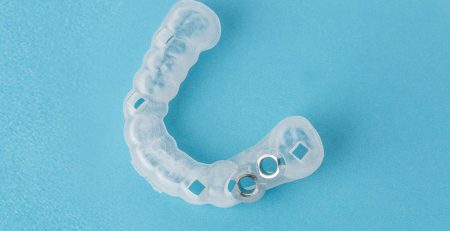
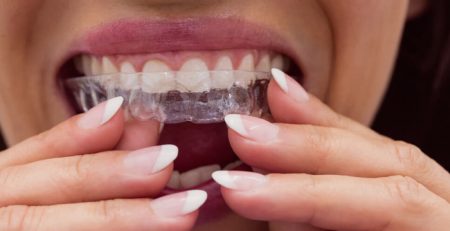
The most common bruxism treatment. Custom-made transparent splints prevent teeth from touching, reduce wear, and relax jaw muscles.
2. Stress Management and Psychological Support
Stress-related bruxism requires stress control. Psychological support or relaxation techniques may be recommended if necessary.
3. Jaw Muscle Relaxation Techniques
Physiotherapy, massage, and exercises help relax jaw muscles.
4. Botox Treatments
In severe cases, Botox injections in the jaw muscles reduce over-contraction and help control teeth grinding.
5. Orthodontic and Prosthetic Treatments
If misaligned bite or missing teeth cause bruxism, orthodontic treatment or prosthetic applications can correct these issues.
What Happens If Bruxism Is Left Untreated?
Untreated bruxism can lead to serious problems:
– Tooth loss
– TMJ disorders
– Chronic head and facial pain
– Frequent damage to dental restorations
– Early diagnosis and proper treatment are therefore essential.
Bruxism Treatment at Melsadent
Melsadent Dental and Oral Health Clinic adopts a multidisciplinary approach for teeth grinding problems. Personalized treatment plans, modern diagnostic methods, and expert dentists aim to both reduce symptoms and address the root cause.
Teeth grinding (bruxism) is not just a dental issue; it affects overall quality of life. Even if unnoticed in daily life, it can cause serious long-term consequences. Early diagnosis, proper treatment, and regular check-ups help control bruxism effectively.
If you experience jaw pain, headaches, or tooth sensitivity in the morning, it is important to consult a dentist without delay.