Toothache Relief Causes, Symptoms and Treatment | Dental Pain Guide
Toothache is a discomfort that originates from the tooth itself or the surrounding tissues. It can start as a mild ache and progress into severe pain that may become unbearable. The most common causes of toothache include tooth decay, gum diseases, infections, tooth fractures, and sensitivity.
The nerves inside the tooth react quickly to any damage or infection, which leads to the sensation of pain. Especially in advanced decay, the pain can be much more intense.
What Are the Symptoms of Toothache?
Toothache can present itself in different ways. While some people experience mild sensitivity, others may suffer from throbbing and persistent pain. The most common symptoms include:
- Sensitivity to hot and cold foods
- Pain while chewing
- Swelling in the face or jaw
- Bad taste or odor in the mouth
- Throbbing pain that worsens at night
How to Relieve Toothache? Home Remedies
The most effective way to completely eliminate toothache is to consult a dentist. However, there are some methods that can be applied at home to temporarily relieve the pain.
Salt Water Rinse
Rinsing with warm salt water helps reduce bacteria in the mouth and can relieve pain. It also helps soothe gum inflammation.
Cold Compress
Applying a cold compress to the outside of the painful area reduces swelling and numbs the nerves, helping to ease the pain.
Clove and Clove Oil
Clove oil is known as a natural pain reliever. Thanks to the eugenol it contains, it can temporarily reduce toothache.
Garlic Use
Garlic has natural antibacterial properties. Applying crushed garlic to the painful tooth may help reduce the risk of infection.
Painkillers
Painkillers used under a doctor’s recommendation can provide short-term relief from toothache. However, this is not a permanent solution.
What Should Not Be Done During Toothache?
It is important to avoid certain habits that can worsen toothache:
- Chewing hard foods with the painful tooth
- Consuming extremely hot or cold foods
- Using antibiotics without consulting a doctor
- Constantly touching or irritating the painful area
When Should You See a Dentist?
Toothache can sometimes be a sign of serious health issues. You should consult a dentist immediately in the following situations:
- If the pain lasts longer than 1–2 days
- If there is swelling or fever
- If the pain is increasing
- If there is gum bleeding or infection
Permanent Treatment Methods for Toothache
The definitive solution for toothache is to properly treat the underlying cause. The main treatment methods applied by dentists include:
Dental Filling
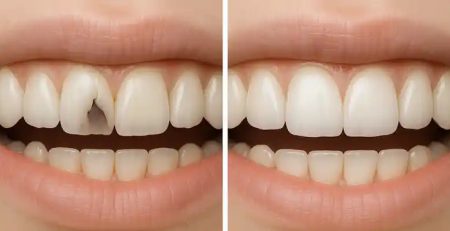
In decayed teeth, removing the damaged part and filling it helps eliminate the pain.
Root Canal Treatment
In advanced decay, infected tissues inside the tooth are removed, and root canal treatment is performed. This procedure completely eliminates pain.
Tooth Extraction
In cases where the tooth is too damaged to be saved, extraction may be necessary.
Gum Treatments
In cases where pain is caused by gum diseases, professional cleaning and treatment are applied.
How to Prevent Toothache?
To avoid toothache, it is essential to maintain proper oral hygiene. Here are some preventive measures:
- Brush teeth at least twice a day
- Use dental floss regularly
- Visit the dentist for regular check-ups
- Limit sugary and acidic foods
- Use oral care products correctly
Why Does Toothache Worsen at Night?
The main reason toothache worsens at night is the increase in blood pressure in the head when lying down. This puts pressure on the dental nerves, making the pain feel more intense.
How to Relieve Toothache During Pregnancy?
Hormonal changes during pregnancy can increase gum sensitivity. Since medication use is limited during this period, treatment should always be under a dentist’s supervision. Natural remedies should be preferred, and unnecessary medication should be avoided.
How to Relieve Toothache in Children?
In children, toothache is usually caused by cavities or the teething process. Warm salt water, appropriate pain relievers, and a dental check-up can help resolve the issue quickly.
Does Toothache Go Away on Its Own?
In some cases, toothache may temporarily subside. However, this does not mean the underlying problem is resolved. In most cases, the issue continues to progress and may lead to more serious complications.
Do Not Ignore Toothache
Although toothache may seem like a minor issue, it is often a sign of a more serious problem. Home remedies only provide temporary relief. For a permanent solution, it is essential to consult a professional dentist. With early diagnosis and proper treatment, you can protect your oral health and prevent more serious problems.