How to Choose a Toothbrush and Toothpaste? The Right Choice Guide
How to Choose a Toothbrush? How to Choose Toothpaste?
The most fundamental way to protect oral and dental health is through regular and correct dental care. However, many people, even if they brush their teeth regularly, may encounter problems such as gum problems, sensitivity, enamel abrasion, and cavities due to using the wrong toothbrush or wrong toothpaste. For this reason, choosing the right toothbrush and toothpaste is much more important than it seems.
Today, there are hundreds of different toothbrush and toothpaste options available in supermarkets and pharmacies. Choosing among soft, medium, electric, whitening, sensitivity-reducing, or natural-ingredient products can often be confusing. So, how is the most accurate choice made? Which toothbrush is healthier? What should be considered when choosing toothpaste? Here is a comprehensive guide to help you protect your oral and dental health.
Why is Toothbrush Selection Important?
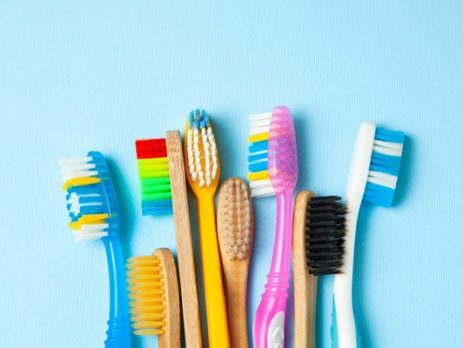
A toothbrush is one of the fundamental tools of oral care. A wrongly chosen toothbrush can damage tooth enamel, lead to gum recession, or fail to provide adequate cleaning.
Especially toothbrushes with very hard bristles can cause wear on the tooth surface over time. In addition, toothbrushes with very large heads may not be able to reach every area in the mouth. For this reason, choosing a brush appropriate for the tooth structure is very important.
How to Choose a Toothbrush?
Soft-Bristled Toothbrushes Should Be Preferred
The vast majority of experts recommend soft-bristled toothbrushes. This is because hard-bristled brushes can damage tooth enamel and gums.
Soft-bristled toothbrushes provide effective cleaning and help protect gum health. They are one of the safest options, especially for individuals with sensitive teeth.
The Brush Head Should Not Be Too Large
The head of the toothbrush should be suitable for your mouth structure. Brushes with very large heads can make it difficult to reach back teeth.
Small or medium-sized brush heads can move more comfortably within the mouth, providing more effective cleaning.
Ergonomic Handle Design is Important
The toothbrush being comfortable to hold is important for proper brushing. Products with non-slip and ergonomic handle designs can provide ease of use.
Electric Toothbrush or Manual Toothbrush?
In recent years, electric toothbrushes have become quite popular. They can provide an advantage, especially for individuals who find it difficult to apply the correct brushing technique.
The advantages of electric toothbrushes are as follows:
- Can provide more effective plaque removal
- Can offer sufficient brushing time thanks to its timer feature
- Can help with gum care
- Can offer easy use for individuals with limited dexterity
However, when the correct technique is used, manual toothbrushes can also provide effective cleaning. What is important here is a regular and proper brushing habit.
How Often Should a Toothbrush Be Replaced?
It is generally recommended to change toothbrushes every 3 months. If the bristles are splayed or deformed, it may be necessary to change them sooner.
Furthermore, replacing your toothbrush after a cold or infection is important for hygiene.
Why is Toothpaste Selection Important?
Toothpaste is not just a product used to freshen breath. The right toothpaste can help prevent cavity formation, strengthen tooth enamel, reduce sensitivity, and maintain gum health.
Conversely, choosing the wrong toothpaste can lead to increased sensitivity or damage to tooth enamel.
How to Choose Toothpaste?
Toothpastes Containing Fluoride Should Be Preferred
Fluoride is an important mineral that strengthens tooth enamel and helps reduce cavity formation. For this reason, the vast majority of experts recommend fluoride toothpastes.
Fluoride can provide significant protection, especially in children and individuals at high risk of cavities.
Special Toothpastes Can Be Used for Sensitivity
Individuals who experience tooth sensitivity with cold or hot foods can opt for desensitizing toothpastes.
These products can help reduce sensitivity by sealing the exposed dentin tubules on the tooth surface.
Are Whitening Toothpastes Suitable for Everyone?
Whitening toothpastes can help reduce surface stains, but some products may exhibit abrasive properties.
Long-term use, especially in individuals with sensitive teeth, can lead to enamel erosion. Therefore, unsupervised use is not recommended.
Are Natural Ingredient Toothpastes Beneficial?
In recent years, interest in natural ingredient toothpastes has increased. Herbal products may offer advantages for some people, but the reliability of the product content is important.
It would also be more appropriate to use natural ingredient products under the recommendation of a dentist.
How to Choose Toothpaste for Children?
It is important to use toothpaste appropriate for the age group in children. The fluoride content of children’s toothpastes may differ from adult products.
Additionally, care should be taken to ensure children do not swallow the toothpaste.
What to Pay Attention to in Toothpaste Content?
When choosing toothpaste, the ingredient list should be carefully examined. The following features are particularly important:
- Fluoride content
- Abrasiveness level
- Sensitivity-reducing components
- Gum-protective ingredients
- Antibacterial properties
Since every individual’s oral structure is different, the most suitable product should be determined according to personal needs.
Mistakes Made When Choosing a Toothbrush and Toothpaste
Many people choose oral care products solely based on advertisements. However, this can lead to incorrect product usage.
The most common mistakes are:
- Using a very hard toothbrush
- Using excessively whitening products for a long time
- Not changing the toothbrush for a long time
- Applying incorrect brushing techniques
- Using abrasive products despite tooth sensitivity
Correct Tooth Brushing Techniques
The correct brushing technique is as important as choosing the right product.
- Teeth should be brushed at least twice a day
- Brushing duration should be approximately 2 minutes
- Excessive pressure should not be applied to the gums
- Gentle brushing should be done in circular motions
- Tongue cleaning should not be neglected
Regular oral care can help prevent gum diseases and cavities.
Why Are Dental Check-ups Important?
Even the highest quality toothbrush and toothpaste cannot replace regular dental check-ups. This is because some oral problems may not be noticed in their early stages.
Thanks to expert dental check-ups, cavities, gum problems, and oral diseases can be diagnosed early.
Is Toothbrush and Toothpaste Selection Personalized?
Yes. Every individual’s oral structure, tooth sensitivity, gum condition, and cavity risk are different. Therefore, there is no single correct product for everyone.
For example, a product suitable for someone with sensitive teeth may not be sufficient for a heavy smoker.
Therefore, it is important to get an expert opinion for the most suitable choice.
Frequently Asked Questions
Which is the best toothbrush?
Toothbrushes with soft bristles and a head suitable for the mouth structure are generally recommended.
Is an electric toothbrush better?
When used correctly, electric toothbrushes can provide effective cleaning, but manual brushes can also yield successful results with the right technique.
How often should a toothbrush be replaced?
It is generally recommended to replace it every 3 months.
Is fluoride toothpaste harmful?
When used in the correct amount, fluoride can help strengthen tooth enamel.
Do whitening toothpastes harm teeth?
Unconscious use of products with abrasive content can cause enamel erosion.
Which toothpaste should be used for sensitive teeth?
Special toothpastes for sensitivity relief can be preferred.
Can children use adult toothpaste?
Toothpastes suitable for their age group should be preferred for children.
What should be considered when choosing toothpaste?
Fluoride content, sensitivity status, abrasiveness level, and gum needs should be taken into consideration.