Does Stress Cause Toothache? Cavity or Stress?
Does Stress Cause Toothache? Cavity or Stress?
After a busy workday, before an important exam, during a period of sleeplessness, or on days when you are mentally stressed, do you feel a throbbing in your teeth, pressure in your jaw, or a sensitivity you haven’t noticed before? In such a situation, the first question that usually comes to mind is: “Do I have a cavity, or is this pain caused by stress?”
The short answer is: Stress is not a direct cause that creates a tooth cavity and instantly causes toothache on its own; however, it can trigger or exacerbate pain through teeth grinding, overuse of jaw muscles, bruxism, jaw joint problems, and by making an existing dental problem feel more pronounced.
On the other hand, attributing the pain solely to stress is also not correct. Real dental problems such as tooth decay, a cracked tooth, an old filling problem, gum disease, pulp inflammation, or infection around the root can also become more noticeable, especially during stressful periods.
Therefore, with the complaint of “my tooth hurts when I’m stressed,” the goal is not only to alleviate the pain, but to accurately determine the source of the pain.
Can Stress Really Cause Toothache?
Yes, a relationship can be found between stress and pain in the tooth and jaw area. However, this relationship is often not direct, but occurs through indirect mechanisms.
When you are stressed, your body is not only mentally affected. Muscle tone can increase, you may unconsciously raise your shoulders, clench your facial muscles, and unknowingly press your upper and lower teeth together.
This behavior can continue unnoticed, especially in individuals who work long hours at the computer during the day, engage in tasks requiring intense concentration, or are going through anxious periods.
As a result of the jaw muscles remaining unnecessarily active for hours, teeth, periodontal tissues, masticatory muscles, and the temporomandibular joint can be exposed to more force than usual.
In scientific research evaluating the relationship between stress and bruxism, a link between psychological stress and bruxism is reported. One of the systematic reviews on the subject can be found in the systematic review of stress and bruxism published on PubMed Central.
However, the important point is this: Not every stressed person clenches their teeth, and stress is not the sole cause of every bruxism case. Sleep characteristics, individual behaviors, certain medications, and different biological factors can also accompany bruxism.
How Can Stress Cause Tooth Pain?
Several different mechanisms can be behind tooth pain that occurs during periods of stress.
- Unconscious prolonged clenching of teeth,
- Increased nighttime teeth clenching or grinding,
- Constant contraction of jaw and facial muscles,
- Increased load on the temporomandibular joint,
- Overexposure of supporting tissues around the teeth to excessive force,
- Increased sensation of an existing crack, sensitivity, or decay,
- Impaired sleep quality and altered pain perception
factors can lead to a situation where the person describes it as “all my teeth ache” or “I can’t tell which tooth hurts.”
The Most Important Cause of Stress-Related Toothache: Teeth Clenching
One of the most important connections between stress and toothache is bruxism, which is teeth clenching and grinding.
Bruxism does not only mean teeth grinding that occurs at night. Unconsciously pressing teeth together or keeping jaw muscles constantly contracted during the day can also be associated with jaw muscle activities within the scope of bruxism.
The international bruxism consensus states that sleep bruxism and awake bruxism should be differentiated. Detailed information on scientific definitions and assessment criteria can be found in the International Consensus on the Assessment of Bruxism published in the Journal of Oral Rehabilitation.
For detailed content from Melsadent on this topic, you can also review the article What is Teeth Clenching (Bruxism)? Symptoms and Treatment Methods.
Where is Pain Felt When Teeth are Clenched Due to Stress?
Pain caused by teeth clenching may not always be felt on a single tooth.
Some people feel pressure in their back teeth, while others report that many teeth in their upper and lower jaws are sensitive all at once when they wake up in the morning.
Symptoms that may be associated with teeth clenching include:
- Jaw fatigue upon waking in the morning,
- Sensitivity in multiple teeth simultaneously,
- Pressure sensation, especially in the back teeth,
- Pain in the temple area,
- Morning headache,
- Stiffness in the jaw muscles,
- Feeling of fatigue in the cheeks,
- Wear on tooth surfaces,
- Small fractures on tooth edges,
- Discomfort when opening the jaw,
- Sounds from the jaw joint
may occur.
You can also find information about the wear and tear that teeth grinding can cause in the long term from the content How to Treat Shortened Teeth Due to Teeth Grinding?.
Can Teeth Grinding Really Cause Pain in the Tooth Itself?
Yes. Applying continuous and higher-than-normal force to the tooth not only tires the jaw muscles. The supporting tissues, called the periodontal ligament, which connect the tooth to the jaw bone, can also be subjected to excessive load.
In this case, the tooth may feel sensitive, especially when pressed upon or during chewing.
Some patients may describe this as “my tooth feels elongated,” “it’s uncomfortable when I press on my tooth,” “my teeth hurt when they touch,” or “I can’t find which tooth hurts.”
However, since the same complaints can also be seen in different conditions such as root tip infection, cracked tooth, or pulp problems, it is not possible to make a definitive diagnosis based solely on symptoms.
Can Stress Cause Pain in the Jaw Joint?
Intense jaw muscle activity can affect not only the teeth but also the jaw joint, known as the temporomandibular joint.
The temporomandibular joint is a complex system that allows the lower jaw to move during speech, chewing, and yawning. Constant muscle tension or prolonged clenching of teeth can be accompanied by pain in the temporomandibular joint and surrounding tissues in some individuals.
Systematic studies evaluating the relationship between temporomandibular disorders and psychological factors report an association between TMD and psychological factors such as stress, anxiety, and similar issues. One of the current scientific assessments, the 2025 systematic review, examines the relationship between bruxism and temporomandibular disorders with psychological factors.
Similarly, a systematic review evaluating the relationship between temporomandibular disorders and anxiety also draws attention to the importance of assessing psychosocial factors.
For more detailed information about temporomandibular joint symptoms, you can review Melsadent’s content on What Are Temporomandibular Joint (TMD) Disorders?
What is the Difference Between Cavity Pain and Stress-Related Pain?
This is one of the points patients are most curious about.
It is not possible to make a 100% distinction by solely looking at the type of pain. However, some symptoms can provide clues about the source of the pain.
In pain related to stress and teeth clenching:
- Pain may be felt in more than one tooth.
- It may be more pronounced in the mornings.
- It may be accompanied by fatigue in the jaw muscles.
- It may increase during periods of intense stress.
- It may be accompanied by head or temple pain.
- You might catch yourself clenching your teeth.
- No distinct single cavity may be visible.
In the case of pain related to a cavity or the tooth’s pulp:
- A specific tooth can be described more clearly.
- Sensitivity to cold or hot may occur.
- A sharp pain may be observed when sweets are consumed.
- The pain may gradually increase.
- Pain may persist even after the stimulus is removed.
- Pain starting spontaneously at night may occur.
- In advanced cases, throbbing or swelling may develop.
This distinction is only a general guide. It does not replace a definitive diagnosis.
Does Saying “It Only Hurts When I’m Stressed” Mean the Tooth is Healthy?
No.
This is a quite important point. The emergence of pain during stressful periods does not necessarily mean there is no problem with the tooth.
For example, let’s consider there is a small crack in the tooth. A crack that does not cause significant discomfort during normal chewing may be exposed to increased force due to teeth clenching during a stressful period, and pain may emerge.
Similarly, initial sensitivity, a problem at the edge of an old filling, or a deepening cavity can be felt more distinctly with increased jaw forces.
Therefore, stress can sometimes be a trigger that causes an existing problem to surface, rather than being the primary cause of the pain.
Can a Decayed Tooth Hurt More During Stressful Periods?
Indirectly, yes.
The decayed tissue itself does not grow overnight due to stress. However, a person’s pain perception, sleep quality, teeth-clenching habit, and chewing muscle activity may change.
Additionally, applying high force to a tooth with deep decay during teeth clenching can cause the existing sensitivity to be felt more distinctly.
You can review Melsadent’s guide titled When Does a Decayed Tooth Require Root Canal Treatment? regarding when decay might require root canal treatment.
If There’s Pain with Hot and Cold, Is it Stress or Decay?
If there is significant tooth sensitivity triggered by hot, cold, or sweet, the tooth itself must be evaluated.
This sensitivity;
- enamel erosion,
- dentin sensitivity,
- gum recession,
- decay,
- crack,
- old restoration problem
can occur due to many reasons such as these.
Since teeth clenching can also contribute to wear or cracks in teeth over time, the situation may not be entirely independent of one another.
Therefore, the approach of “it hurts with cold, but I’m stressed, it must be from stress” is not correct.
All My Teeth Hurt During Stressful Periods, What Does This Mean?
Feeling pressure or sensitivity in many teeth in both the upper and lower jaw instead of just one tooth, especially if there is also fatigue in the jaw muscles, may suggest the possibility of teeth clenching.
However, widespread tooth sensitivity can also have different causes.
Widespread enamel wear, acid erosion, gum recession, periodontal problems, or different dental conditions can cause similar complaints.
For this reason, widespread pain may also require an examination.
If My Teeth Hurt When I Wake Up in the Morning, Could I Be Clenching My Teeth at Night?
Jaw fatigue and tooth sensitivity that emerge in the morning are among the symptoms that may suggest jaw muscle activity occurring during sleep.
An evaluation for teeth grinding can be made, especially if the following findings are present together:
- Fatigue in the jaw muscles in the morning,
- Pain in the temples,
- Tooth wear,
- Small cracks or fractures in the teeth,
- Teeth grinding sound heard by a partner,
- Pain in the jaw joint,
- Headaches starting in the morning.
However, the evaluation of sleep bruxism is not made solely by examining tooth surfaces. The patient’s history, clinical findings, and, if necessary, different evaluation methods should be considered together.
How Long Does Stress-Related Toothache Last?
There is no single duration that applies to everyone.
If the source of the pain is truly due to overuse of the jaw muscles, the complaint may decrease with a reduction in stress levels and rest for the jaw.
However, pain that continues for days, gradually increases, or concentrates in a specific tooth is not recommended to be postponed with the thought that ‘it will get better when the stress passes’.
Especially if the pain does not subside within a few days, recurs, or gradually intensifies, a dentist’s evaluation is important.
How Is Stress-Related Toothache Diagnosed?
The dentist first inquires about the characteristics of the pain.
For example;
- When did the pain start?
- Is it felt in a single tooth?
- Is it more intense in the morning?
- Does hot or cold trigger it?
- Does it increase when chewing?
- Does it start spontaneously?
- Does it wake you up from sleep at night?
- Has there been intense stress recently?
- Is teeth clenching or grinding noticed?
questions like these are important.
Then, teeth, fillings, gums, occlusal relationship, jaw muscles, and, if necessary, the temporomandibular joint are evaluated.
In necessary cases, radiographic images can be utilized. This allows for a more detailed evaluation of unseen cavities, periapical problems, and certain dental pathologies.
Information about the digital methods used at Melsadent can be obtained from the Digital Dentistry page.
How Are Cavities in Teeth Treated?
The treatment of a cavity varies depending on its depth and the condition of the tooth’s vital tissue.
In suitable cavities at early or moderate stages, it may be possible to repair the lost tooth tissue with restorative treatment.
In Melsadent’s Restorative Dental Treatment guide, restorative approaches used for tooth tissue loss such as decay, fracture, wear, and similar conditions are discussed in detail.
However, if the cavity irreversibly affects the vital part of the tooth, called the pulp, root canal treatment may become necessary.
For more detailed information about endodontic treatment, you can visit the Root Canal Treatment (Endodontics) page.
What to Do If the Problem is Teeth Clenching?
There is no single method applicable to everyone in bruxism treatment.
Firstly, the type of teeth clenching, the damage it has caused to the teeth, the jaw muscles, the temporomandibular joint, and the patient’s general complaints should be evaluated.
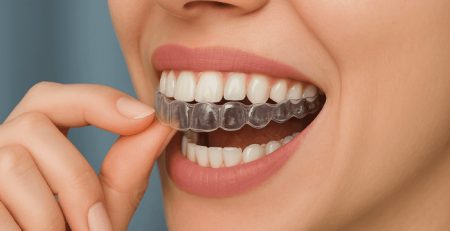
In suitable patients, protective applications such as night guards can help protect teeth from damage that excessive forces might cause.
However, the primary purpose of a night guard is not always to “treat stress”. Guards can be considered part of managing the mechanical effects on the teeth and jaw system.
For detailed information on bruxism management, you can review the guide How to Relieve Teeth Grinding? Bruxism Treatment and Night Guard.
How Can I Tell If I’m Grinding My Teeth at Home?
Checking your jaw position at regular intervals during the day can provide a simple yet useful awareness.
When at rest, teeth do not need to be constantly pressed together, except during eating or swallowing.
If you notice yourself clenching your teeth while working at the computer, driving, using your phone, or during intense concentration, you can consciously try to stop it.
However, these observations made at home do not substitute for professional evaluation.
Will My Toothache Go Away If I Reduce My Stress?
If the cause of the pain is excessive jaw muscle activity or teeth clenching behavior during wakefulness, managing stress can contribute to reducing the symptoms.
Regular sleep, daily breaks, physical activity, and stress management methods suitable for the individual can support overall well-being.
However, if there is decay, a crack, infection, or another dental problem, merely reducing stress will not treat this problem.
Therefore, even if the pain subsides, it may be beneficial to evaluate a recurring specific toothache.
For other effects of stress on oral health, you can review the Melsadent content titled Effects of Stress on Oral Health.
What Should I Do for a Toothache I Believe is Stress-Related?
First, you can observe the characteristics of the pain.
Is the pain in a single tooth, or throughout the entire jaw? Is it worse in the morning? Do you notice yourself clenching your teeth? Does hot or cold trigger the pain? Does a specific tooth hurt during chewing?
This information can help the dentist evaluate the source of the pain during the examination.
Additionally, checking whether you unnecessarily clench your jaw throughout the day, temporarily avoiding excessively hard foods, and being careful not to keep your jaw muscles constantly tensed can be beneficial.
However, especially in cases of severe or persistent pain, a dentist should be consulted instead of self-diagnosing.
Which Toothaches Should Not Be Delayed?
Some symptoms should not be merely monitored with the thought of ‘it might be stress-related’.
If one of the following situations occurs, it is important not to delay a dentist’s evaluation:
- Severe and progressively worsening toothache,
- Pain that wakes you up at night,
- Swelling in the face or gums,
- Fever or general malaise,
- Sharp pain during chewing,
- Pain that persists for a long time after hot or cold exposure,
- Tooth fracture,
- Discharge from the gums or around the tooth,
- Significant limitation in opening the mouth,
- Pain that starts after trauma.
Especially in cases with swelling and signs of infection, professional evaluation is important.
Does Stress Cause Tooth Decay?
It is not accurate to directly define stress as a ‘cavity-causing’ factor.
Dental caries is a multifactorial disease in which many factors such as bacteria, fermentable carbohydrates, tooth tissue, saliva, and time play a role together.
However, during periods of intense stress, a person’s daily habits may change.
Tooth brushing may be neglected, sugary snacks may increase, sleep patterns may be disturbed, or conditions like dry mouth may arise. Some of these can create an unfavorable environment for oral health.
Therefore, the relationship between stress and oral health should be evaluated within a broader framework, rather than as a single cause-and-effect chain.
Can Stress Cause Gum Pain?
When gum pain or sensitivity is experienced, attributing it solely to stress is not correct.
Gum inflammation, calculus accumulation, periodontal diseases, traumatic brushing, or various local causes can lead to gum sensitivity.
If gum bleeding, swelling, bad breath, or tooth mobility is present, a periodontal evaluation may be necessary.
You can get detailed information about gum diseases and their treatments from Melsadent’s Gum Treatment (Periodontology) page.
I Don’t Clench My Teeth When Stressed, But My Jaw Still Hurts, Why?
Significantly rubbing teeth together or audibly grinding them is not the only manifestation of bruxism.
Some people may only keep their teeth in forceful contact or keep their jaws in a tensed position.
Even if the person does not perceive this as “tooth clenching,” the chewing muscles can remain active for a long time.
Furthermore, due to the multifactorial nature of temporomandibular disorders, bruxism or stress may not be the sole cause of jaw pain. Therefore, examination is important for recurrent jaw pain.
Can stress-related toothache be unilateral?
It can.
Chewing habits, unequal muscle activity on both sides, or a person applying more force to teeth in a specific area can cause unilateral complaints.
However, in the case of unilateral pain concentrated in a specific tooth, it is particularly important to rule out cavities, cracks, filling problems, or periapical discomforts.
Can stress cause a tooth filling or crown to ache?
Stress does not directly damage fillings or crowns. However, forces on restorations can increase due to teeth grinding.
Especially in individuals with severe bruxism, wear, small fractures in restorations, or strain in the surrounding tooth tissue may be observed.
If a filled or crowned tooth that previously caused no problems starts causing new chewing pain, it would be appropriate to evaluate the restoration and the underlying tooth tissue.
Can I definitively determine at home if tooth pain is due to a cavity or stress?
No.
Although the timing and nature of symptoms may provide some clues, it is not possible to make a definitive diagnosis.
The presence of a cavity in a tooth does not necessarily mean that the pain originates from that cavity, nor does the absence of a visible cavity mean that the tooth is completely healthy.
Tooth contacts, jaw muscles, existing restorations, pulp health, and radiographic findings should be evaluated together when necessary.
What should be considered to protect dental health during stressful periods?
It is important not to neglect oral hygiene during intense periods.
Regular and proper brushing of teeth, cleaning between teeth, and maintaining routine dental check-ups help protect oral health.
In addition, if you notice yourself clenching your teeth during the day, it might be helpful to check your jaw position.
Maintaining a regular sleep schedule, observing the personal effects of excessive caffeine consumption, and prioritizing general stress management can also be parts of a holistic approach.
If there is significant wear or pain due to teeth grinding, a professional evaluation should be sought instead of relying solely on behavioral changes.
How Can Stress-Related Tooth Pain Be Evaluated at Melsadent?
At Melsadent Oral and Dental Health Polyclinic, in cases of recurrent tooth, jaw, or facial pain, the primary goal is to determine the actual source of the complaint.
The presence of decay or cracks in the teeth, the condition of existing fillings, gum tissues, occlusion relationships, findings related to teeth grinding, and the temporomandibular joint can be evaluated together as needed.
In necessary cases, radiographic and digital imaging methods can be utilized.
Thus, a personalized approach can be developed not just as “there is pain,” but based on the probable source of the pain.
If you have recurrent or unexplained tooth pain, you can create an appointment request from the Melsadent Online Appointment page.
Frequently Asked Questions
Does stress cause tooth pain?
Stress can contribute to tooth and jaw pain in some individuals through teeth grinding, overuse of jaw muscles, or tension in the temporomandibular region. However, it is not correct to attribute every toothache to stress.
Why does my tooth throb when I’m stressed?
Pulsating toothache can be related to actual dental problems such as decay, pulp inflammation, or infection. An examination is recommended, especially if there is a pulsating pain that starts spontaneously or wakes you up at night.
Does teeth grinding hurt teeth?
Yes. Prolonged and excessive teeth grinding can cause sensitivity in the supporting tissues surrounding the teeth and lead to discomfort during chewing.
Is it normal for all my teeth to hurt when I’m stressed?
Sensitivity in multiple teeth together can be associated with teeth grinding and jaw muscle activity. However, since there are other causes of widespread sensitivity, an evaluation should be done in recurring cases.
Which teeth are affected by stress-related toothache?
It is not limited to a specific group of teeth. A feeling of pressure may be observed, especially in the back teeth which receive high force during teeth grinding; however, pain can also be felt in different areas.
If my teeth hurt in the morning, could I be grinding my teeth at night?
Symptoms such as morning jaw fatigue, tooth sensitivity, temple pain, or tooth wear can suggest jaw muscle activity during sleep. A dental examination is required for a definitive evaluation.
If my toothache goes away when stress subsides, does that mean there’s no decay?
No. The fact that the pain subsides when stress decreases does not definitively mean there is no problem with the tooth. Stress and teeth grinding may have made an existing dental problem more noticeable.
How to recognize decay pain?
Sensitivity to cold, hot, or sweet, pain in a specific tooth, discomfort during chewing, or in advanced cases, spontaneously appearing pain may be observed. However, a definitive diagnosis is made through examination and, if necessary, radiographic evaluation.
Does stress increase tooth decay?
Stress is not the sole direct cause of tooth decay. However, indirect factors such as neglect of oral hygiene, changes in dietary habits, and dry mouth can affect oral health.
How do I know if I clench my teeth during the day?
If you notice your upper and lower teeth pressing against each other for extended periods while working, driving, or thinking intensely, your jaw muscle activity might be increasing during wakefulness.
Does a night guard relieve stress-related toothache?
Night guards can help protect teeth from mechanical effects caused by excessive forces in appropriate cases. However, a night guard is not the treatment for every pain, and the guard should be planned after a personalized evaluation.
Can jaw pain feel like tooth pain?
Yes. Pain in the chewing muscles and jaw joint area can create pain in some individuals that radiates to the teeth or is perceived as originating from the teeth.
What should I do if only one tooth hurts when I’m stressed?
If there is recurrent pain in a single tooth, it would be appropriate to evaluate that tooth for decay, cracks, old fillings, problems around the root, or excessive occlusal forces.
Is a painkiller sufficient for stress-related toothache?
Using painkillers does not determine the underlying cause of the pain. In cases of recurrent or severe pain, identifying the true source of the pain is more important. Medication use should be evaluated in accordance with the individual’s health status and physician’s recommendations.
When should I go to an emergency dentist for a toothache?
If there are symptoms such as facial swelling, fever, rapidly increasing pain, trauma, or significant difficulty swallowing or opening the mouth, professional evaluation should be sought without delay.
Is Your Tooth Aching, or Is Your Stress Speaking?
There may be a real connection between stress and toothache. Especially during stressful periods, clenching teeth, prolonged activity of jaw muscles, and increased load on the temporomandibular joint can cause pain in the tooth or jaw area.
However, what is important is this: Being stressed does not mean that you don’t have a cavity, crack, pulp problem, or another dental disease in your tooth.
In fact, in some cases, stress and teeth clenching can make an existing problem, which previously showed no symptoms, apparent.
Therefore, pains that are recurrent, concentrated in a single tooth, triggered by hot or cold, wake you up at night, or are accompanied by swelling, should not be attributed solely to stress.
The most accurate approach to toothache, instead of guessing whether it’s ‘stress or a cavity?’, is a comprehensive evaluation of the tooth, surrounding tissues, jaw muscles, and, if necessary, the temporomandibular joint.
At Melsadent Oral and Dental Health Polyclinic, you can create an online appointment request to determine the possible cause of your tooth and jaw pain and to evaluate personalized treatment options.