




Tuzla Dentist | Melsadent Oral and Dental Health
Tuzla Dentist
If you are looking for a reliable Tuzla dental clinic on Istanbul’s Anatolian Side, a treatment approach that considers not only your current complaints but also your long-term needs to protect your oral and dental health is crucial. Melsadent Oral and Dental Health Polyclinic offers oral and dental health services in Tuzla for different age groups, from children to adults.
Today, dentistry is not limited to relieving toothaches or replacing missing teeth. Practices such as preventive dentistry, implant treatment, orthodontics, aesthetic dentistry, root canal treatment, treatment of gum diseases, and digital dentistry make it possible to evaluate oral health holistically. Therefore, choosing the right dental clinic is as important a step as the treatment itself.
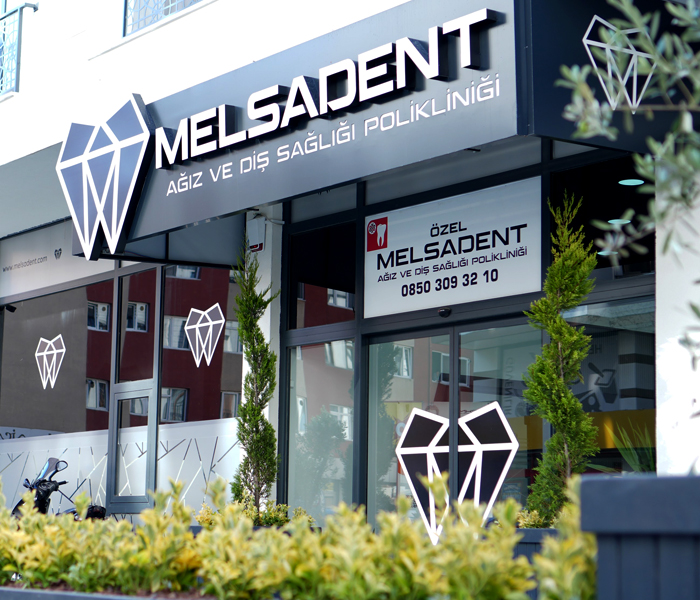
Melsadent Tuzla Dental Clinic, located in Istanbul Tuzla Yayla District, focuses on personalized treatment plans tailored to patients’ needs. The services offered by the clinic include the completion of missing teeth, evaluation of dental and gum diseases, correction of dental crowding, protection of children’s dental health, and aesthetic smile applications.
In this comprehensive guide, you can find answers to frequently asked questions about choosing a Tuzla dental clinic, Melsadent’s treatment areas, dental examinations, implant applications, orthodontic solutions, aesthetic procedures, pediatric dentistry, factors affecting treatment costs, and appointment processes.
What is Tuzla Dental Clinic Melsadent and What Services Does It Offer?
Melsadent Oral and Dental Health Polyclinic is a private healthcare institution providing services in the field of oral and dental health in Tuzla district of Istanbul. The polyclinic’s approach places significant importance on evaluating patients’ complaints, determining their current oral health status, and planning appropriate treatment options based on clinical needs.
Dental diseases may not manifest with the same symptoms in every patient. While some individuals only experience sensitivity to hot or cold, some patients may experience pain during chewing, gum bleeding, bad breath, tooth loss, or aesthetic concerns. Therefore, to create a successful treatment plan, the cause of the complaint must be correctly identified.
The main dental services offered by Melsadent include:
- Dental implant applications and missing tooth treatments
- Evaluation of gum diseases and periodontology treatments
- Root canal treatment and endodontic applications
- Restoration of decayed teeth and dental fillings
- Braces and orthodontic treatments
- Orthodontic corrections with clear aligners
- Aesthetic dentistry and smile design
- Zirconium crowns and porcelain restorations
- Teeth whitening procedures
- Pediatric dentistry and preventive treatments
- Oral, dental, and maxillofacial surgery
- Prosthetic dental treatments and digital dentistry
To get detailed information about the services, you can review the Melsadent dental treatments page. The suitability of each treatment is determined by the patient’s clinical findings and the dentist’s evaluation.
What to Consider When Choosing a Dental Clinic in Tuzla?
A significant portion of people searching for a dental clinic in Tuzla want to find a dentist suitable for their health needs and also receive treatment at a conveniently located center. However, focusing solely on location, price, or online reviews is not sufficient when choosing a clinic.
In evaluating a dental clinic, it is primarily expected that the relevant healthcare institution is authorized, prioritizes hygiene and sterilization processes, provides necessary information to the patient, and explains treatment alternatives. Furthermore, the dentists’ educational background, areas of treatment, and patient communication should also be considered.
For example, for a patient with a missing tooth, implant, bridge, or removable denture options may need to be evaluated. For a patient who is not satisfied with the appearance of their front teeth, instead of direct veneers, whitening, orthodontics, or more conservative restorative treatments may be considered.
Correct dental treatment is not applying the same procedure to every patient, but choosing the method suitable for the individual’s needs. Therefore, it is important to share your complaints, expectations, medications you use, and your current health status with your dentist during the examination.
For more information about Melsadent’s approach and corporate information, you can find it on the About Melsadent page.
Melsadent Tuzla Dental Staff and Personalized Treatment Approach
In oral and dental health, the knowledge, experience, and clinical evaluation of the treating physician play an important role. However, it should not be forgotten that the treatment process does not consist solely of technical procedures. Communication established with the patient, clear explanation of treatment options, and planning of the follow-up process are also important.
Melsadent has dentists working in different areas of dentistry. You can review the clinical team’s current information, educational backgrounds, and professional areas of work on the Melsadent dental staff page.
During a dental examination, not only the patient’s aching tooth but also the entire oral structure is evaluated when needed. Occlusion of teeth, existing restorations, gum health, jaw relations, and oral hygiene habits can affect the treatment plan.
Especially for individuals with problems in multiple teeth, those who have not visited a dentist for a long time, or those considering comprehensive aesthetic treatment, the order in which procedures are performed is important. Initially, evaluating active infections and oral health problems, followed by planning functional and aesthetic needs, may be preferred.
Tuzla Implant Treatment: Modern Solutions for Missing Teeth
Tooth loss not only changes the appearance of a smile; it can also affect chewing habits, speech, and the position of adjacent teeth. One of the methods used to replace missing teeth is dental implant treatment.
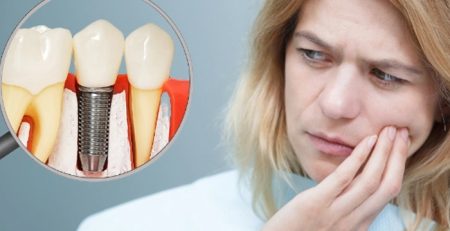
A dental implant is a structure that functions as an artificial tooth root, placed in the jawbone to allow for the placement of a suitable prosthetic restoration. Titanium-based materials are frequently used in implant procedures. The aim of the treatment is to create a functional and aesthetic restoration in the missing tooth area.
To determine suitability for implant treatment, the quantity and quality of the jawbone, gum health, adjacent anatomical structures, the patient’s general health status, and oral hygiene habits are evaluated.
Dental implant treatment can generally consist of the following stages:
- Clinical examination and necessary radiological evaluation are performed.
- The bone structure of the area where the implant will be placed is examined.
- A surgical plan is prepared for suitable patients.
- The implant is placed in the jawbone.
- Bone integration and soft tissue healing are monitored.
- The prosthetic superstructure is prepared at the appropriate time.
- A long-term oral care and control program is established.
The time required for the implant to integrate with the bone can vary from person to person. In some patients, additional surgical procedures or bone augmentation may be necessary. Therefore, it is not accurate to specify a single type of implant duration for every patient.
You can find detailed information about implant applications and treatment stages on the Melsadent implant treatment page.
What Factors Affect Long-Term Success in Implant Treatment?
The placement of the implant is not the only stage of the treatment. Keeping the tissues around the implant healthy, regular oral hygiene, and professional care when needed are important for long-term use.
The risk of peri-implant complications may increase, especially in individuals with a history of gum disease, smokers, those with uncontrolled diabetes, and patients with inadequate oral hygiene.
The Academy of Osseointegration and American Academy of Periodontology consensus report on peri-implant diseases, published in 2025, emphasizes the evaluation of risk factors, biofilm control, and the importance of regular maintenance in preventing peri-implant diseases.
Therefore, in patients for whom implant treatment is planned, not only the implant brand or application technique, but also pre-treatment gum health and post-treatment care conditions should be taken into consideration.
Tuzla Gum Treatment: Bleeding, Recession, and Gum Diseases
Bleeding when brushing teeth, swelling, redness in the gums, or bad breath can be among the symptoms of gum disease. In some patients, progressive problems can occur in the tissues supporting the teeth even without significant pain.
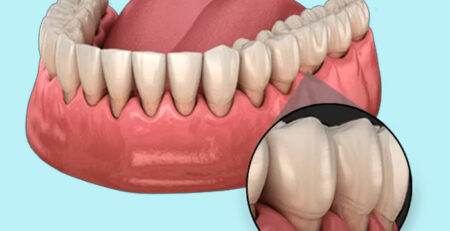
Gum diseases are generally categorized under gingivitis and periodontitis. Gingivitis is a condition characterized by inflammation of the gums. Periodontitis, on the other hand, is a more advanced disease that can affect the tissues supporting the tooth and the jawbone.
The primary goal in gum treatment is to identify the causes of the disease and to control the bacterial biofilm. Depending on the condition of the disease, professional dental cleaning, subgingival cleaning procedures, oral hygiene education, and other necessary periodontal applications may be planned.
The S3-level clinical practice guideline for stage I–III periodontitis published by the European Federation of Periodontology recommends a staged, evidence-based, and personalized approach in the treatment of periodontal diseases.
To get information about the treatments offered at Melsadent, you can visit the gum disease treatment and periodontology page.
Tuzla Root Canal Treatment: Should a Painful Tooth Always Be Extracted?
One of the common concerns among patients experiencing severe tooth pain is the idea that a painful tooth must always be extracted. However, when the tooth’s root structure and remaining tissues are suitable, it may be possible to preserve the natural tooth in the mouth with root canal treatment.
Root canal treatment is an endodontic procedure applied in cases where the pulp tissue inside the tooth is irreversibly damaged or infected. During the treatment, the root canals are cleaned, shaped, disinfected, and filled using appropriate methods.
Conditions that may require root canal treatment include deep cavities, dental traumas, prolonged hot-cold sensitivity, spontaneous pain, and infections around the tooth root.
However, not every pain requires root canal treatment. Similar symptoms can result from a cracked tooth, gum disease, chewing trauma, or other causes. Therefore, the definitive decision is made after a clinical examination and necessary tests.
You can review the Melsadent root canal treatment page for more information about this treatment aiming to preserve the tooth.
Restorative Dental Treatments for Decayed and Fractured Teeth
Tooth decay does not always cause pain in its initial stages. Early changes on the enamel surface can progress to the dentin, and then reach the inner tissues of the tooth. Therefore, early evaluation of cavity formation can reduce the need for more comprehensive procedures.
The purpose of restorative dental treatment is to repair lost tooth tissue due to decay, fracture, or wear using appropriate methods. Today, tooth-colored composite fillings are among the common restorative options that can be used depending on the tooth’s condition.
When selecting a restoration, the size of the damage, the tooth’s position, chewing forces, and the amount of healthy tooth tissue are evaluated. While a direct filling may be sufficient for a small cavity, indirect restorations or crowns may be necessary for larger tissue losses.
Comprehensive information about filling and tooth repair methods can be found on Melsadent’s restorative dental treatment page.
Tuzla Orthodontic Treatment: Tooth Crowding and Bite Problems
Orthodontic treatment aims to evaluate problems related to the position of the teeth and jaws and to correct them in suitable patients. Crowded teeth, gaps between teeth, bite disorders, and certain jaw relationship problems may require an orthodontic examination.
Orthodontics should not be considered solely an aesthetic application. The alignment of teeth can affect oral hygiene, chewing function, and the contact relationships between teeth in some patients.
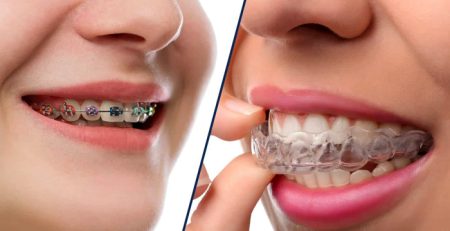
In traditional dental brace treatment, controlled tooth movements are achieved through brackets and wires placed on the teeth. The treatment duration varies depending on the nature of the problem, the patient’s age, the targeted correction, and compliance with the treatment.
In children, it may be important to evaluate certain issues related to jaw development at the appropriate time. Although orthodontic treatment can also be applied to adults, factors such as gum and bone health need to be examined separately.
For detailed information, you can visit the Melsadent orthodontics and dental brace treatment page.
Tuzla Clear Aligner Treatment: Who is Wire-Free Orthodontics Suitable For?
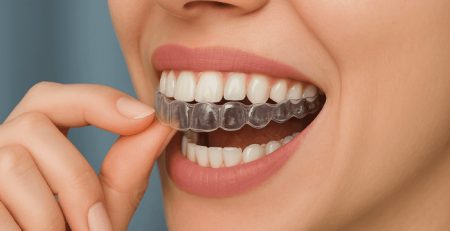
Clear aligner treatment is a method performed with removable orthodontic appliances used to correct specific tooth alignment irregularities. The aligners are prepared according to the patient’s tooth structure and are changed in accordance with the determined treatment plan.
Clear aligners are particularly appealing to adult patients due to their low visibility and the ability to remove them during meals. However, not every malocclusion can be treated solely with clear aligners.
In the suitability assessment, the degree of crowding, the directions in which teeth need to be moved, jaw relationships, gum health, and the patient’s compliance with aligner use are taken into account.
Not using the aligners for the recommended durations can affect treatment progression. Additionally, during the periods when the aligners are removed, oral hygiene must be maintained, the aligners must be cleaned correctly, and control appointments must be adhered to.
For more information on this topic, you can read our content titled clear aligner treatment and its advantages.
Tuzla Aesthetic Dentistry and Personalized Smile Design
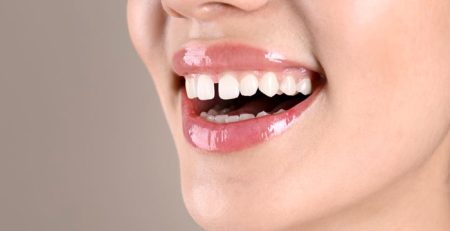
Aesthetic dentistry involves evaluating the color, shape, size, and alignment characteristics of the teeth in conjunction with the individual’s facial structure, gum appearance, and expectations. To achieve a healthy and natural-looking smile, different applications can be planned together or separately.
What is important in smile design is not creating the same tooth form for everyone. The harmony of the teeth with the face, lip movements, the amount of tooth visible during smiling, gum levels, and the preservation of existing tooth tissue are taken into consideration.
Some of the methods that can be used in aesthetic dentistry are:
- Professional teeth whitening
- Composite bonding applications
- Porcelain laminate veneer restorations
- Zirconium and other ceramic crowns
- Orthodontic tooth alignment corrections
- Gum aesthetic applications in suitable cases
The suitability of an aesthetic procedure varies according to the current condition of the teeth. It is important to evaluate less invasive options that can preserve healthy tooth tissue.
You can get information about the applications from the Melsadent aesthetic dentistry and smile design page.
Tuzla Zirconium Dental Veneers: Aesthetics and Function Combined
Zirconium crowns are restorations that cover the circumference of the tooth and are prepared from zirconia-based ceramic materials. They can be preferred in suitable cases due to their aesthetic properties, which are close to the natural tooth appearance, and their high mechanical strength.
However, a zirconium veneer is not necessary for every tooth. Factors such as the condition of the tooth tissue, aesthetic expectations, the size of the existing filling, the position of the tooth, and occlusal forces play a role in determining the need for a crown.
Crown application may involve stages such as tooth preparation, impression taking or digital scanning, restoration fabrication, fit checks, and cementation.
Alternatively, in suitable anterior tooth cases, restorations covering more limited surfaces, such as laminate veneer tooth restorations, can be considered.
For more information about zirconium, you can check out the zirconium crown treatment page.
Tuzla Teeth Whitening: Is It Possible to Lighten Tooth Color?
Tea, coffee, tobacco use, age-related changes, and the natural structure of teeth can affect the appearance of discoloration. Teeth whitening is an aesthetic procedure aimed at lightening the natural tooth color in suitable patients.
Before professional whitening, it is important to evaluate oral and dental health. If active cavities, gum diseases, sensitivity issues, or unsuitable restorations are present, these problems may need to be addressed first.
The outcome of the whitening procedure may not be the same for every patient. The initial tooth color, the cause of discoloration, and the structure of the teeth affect the achievable change. Additionally, existing porcelain veneers and composite fillings do not whiten like natural tooth tissue.
After whitening, some patients may experience temporary sensitivity. The appropriate treatment method and application protocol should be determined by the dentist.
For detailed information about the procedures, you can review the Melsadent teeth whitening page.
Tuzla Pediatric Dentistry: Why Are Milk Teeth Important?
Protecting oral and dental health in children is important not only for the health of future permanent teeth but also for nutrition, speech, and jaw development. Although milk teeth are temporary, they should be protected throughout the period they fulfill their functions.
Cavities in milk teeth can lead to pain, infection, difficulty eating, and early tooth loss. Some prematurely lost milk teeth can cause problems in preserving the space reserved for the permanent teeth that will emerge from underneath.
In pediatric dentistry, preventive practices may include caries risk assessment, nutrition and oral hygiene education, fluoride applications when necessary, fissure sealants, and restorative treatments.
It is recommended that children’s first dental visit be planned after the eruption of the first tooth and generally before they turn one year old. This way, families can receive guidance on early childhood oral care and cavity prevention.
Establishing age-appropriate communication and explaining procedures clearly in children’s dental experiences can support treatment compliance.
Detailed information about practices for children can be found on Melsadent’s pediatric dentistry and pedodontics page.
Impacted Wisdom Tooth and Oral, Dental, Maxillofacial Surgery
While wisdom teeth can emerge without problems in some individuals, in some patients they may remain partially or completely impacted. The condition of impacted teeth should be evaluated based on their position in the jawbone and their relationship with adjacent teeth.
Surgical intervention may be considered in cases of recurrent inflammation, pain, decay in an adjacent tooth, or other pathologies around a wisdom tooth. However, it cannot be said that every asymptomatic impacted tooth must necessarily be extracted.
Oral, dental, and maxillofacial surgery encompasses surgical tooth extractions, impacted tooth procedures, certain jawbone problems, and other intraoral surgical applications when necessary.
The difficulty of the procedures may vary depending on the tooth’s position, root structure, proximity to surrounding anatomical structures, and the patient’s general condition. An evaluation using appropriate imaging methods may be required before making a surgical decision.
For detailed information, you can visit the Melsadent oral, dental, and maxillofacial surgery page.
Prosthetic Treatment and Alternatives for Missing Teeth
For replacing missing teeth, there are different treatment options besides implants. Fixed bridges, removable partial dentures, and complete dentures are among the methods that can be considered for suitable patients.
Which method will be preferred depends on the number of missing teeth, the health of adjacent teeth, the condition of the jawbone, the patient’s oral hygiene habits, aesthetic expectations, and other clinical factors.
For example, in cases of a single missing tooth, an implant-supported crown may be a suitable option. In some patients, a fixed bridge or removable denture may be considered more appropriate. However, in individuals with multiple tooth loss, different prosthetic designs may be considered.
In prosthetic treatment, not only the appearance of the teeth but also chewing function, speech, occlusal balance, and harmony with oral tissues should be evaluated.
You can learn about the options from the Melsadent dental prosthetics page.
How Does Digital Dentistry Contribute to the Treatment Process?
Today, digital technologies can be used in different stages, from dental examination to restoration planning. Intraoral scanners, computer-aided design and manufacturing systems, digital imaging methods, and three-dimensional planning tools are examples of these.
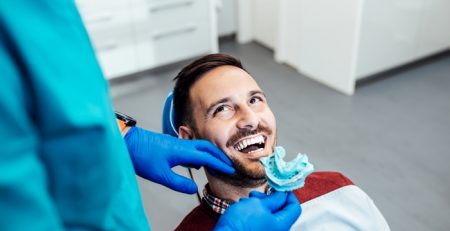
Digital impression methods can be an alternative to traditional impression-taking processes in suitable cases. Three-dimensional planning can support the visualization of treatment, especially in certain prosthetic and orthodontic applications.
However, the use of digital technology does not mean that every procedure will be completed in a single session or that the same result will be obtained in all patients. The duration and method of treatment vary according to clinical requirements.
Information about the technological applications introduced at the clinic can be found on Melsadent’s digital dentistry page.
How Does the Initial Examination Take Place at Tuzla Dental Clinic?
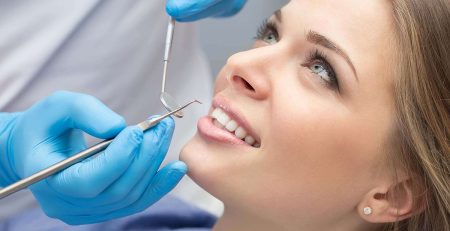
The initial consultation with the dentist is an important step to understand the cause of the current complaint and to determine treatment needs. During the examination, it is possible to evaluate not only the painful area but also the general state of oral health when deemed necessary.
During the initial assessment, the patient’s medical history, medications used, known allergies, previous dental treatments, and current complaints are ascertained. Subsequently, the teeth, gums, and relevant intraoral tissues can be examined.
When deemed necessary, the physician may utilize radiographs or other diagnostic methods. It is not mandatory for every patient to have a panoramic film or a three-dimensional tomography. The imaging method should be selected based on the clinical question and considering radiation safety principles.
Following the examination, it is important to provide information on topics such as treatment alternatives, potential benefits and risks, estimated duration, follow-up needs, and costs. The patient should understand the proposed treatment and be able to participate in the decision-making process.
Tuzla Dental Treatment Prices 2026: What Factors Determine the Fees?
When researching Tuzla dental treatment prices for 2026, it should be known that a single standard fee cannot be applied to every patient. Even for treatments referred to by the same name, the scope of the procedure can differ.
For example, the total cost of implant treatment may not solely consist of the implant placement itself. Additional bone procedures, prosthetic superstructure, necessary imaging, and other treatment requirements can affect the plan.
Similarly, the cost of a dental filling may not be the same for repairing a small cavity versus restoring a tooth with extensive tissue loss.
The main factors that may affect prices are:
- Type and scope of the treatment to be applied
- Number of teeth to be treated
- Degree of decay, infection, or tissue loss
- Type of material and restoration to be used
- Need for additional surgical or periodontal treatment
- Technical difficulty of the procedure
- Required control and follow-up stages
- Current professional tariff and related pricing principles
Therefore, instead of relying solely on a price seen online, it would be more accurate to learn what procedures are recommended after examination and what the total treatment plan encompasses.
For up-to-date information, you can reach the clinic via the Melsadent contact page.
What Should People Experiencing an Emergency Toothache in Tuzla Do?
Severe toothache, swelling in the tooth or facial area, dental trauma, uncontrollable bleeding, and signs of infection are conditions that should be evaluated without delay.
The source of toothache can be decay, root canal infection, gum problems, a cracked tooth, or another reason. A reduction in pain does not always indicate that the underlying problem has resolved.
When a toothache occurs, aspirin, alcohol, or irritating substances should not be applied directly to the painful area. Antibiotics should not be used without professional advice, and medication choices should be made with the recommendation of a healthcare professional.
Especially if there is rapidly increasing swelling in the face or neck, difficulty breathing or swallowing, severe trauma, or uncontrollable bleeding, an emergency room should be consulted immediately.
You can contact the clinic to learn about Melsadent’s current appointment availability. Making an appointment does not mean that 24-hour emergency service is provided.
Treatment Process for Patients with Dental Phobia
Fear of the dentist is a common condition seen in both children and adults. Previous negative experiences, anticipation of pain, a feeling of loss of control, or anxiety about unknown procedures can lead to avoidance of treatment.
Continuously postponing dental treatments due to this anxiety can lead to the progression of existing problems. Therefore, a communication environment where the patient can openly express their concerns is important.
The dentist explaining the stages of the procedure, taking breaks when necessary, using appropriate local anesthesia methods, and informing the patient about the process can positively affect the treatment experience.
Every patient’s pain threshold and anxiety level are different. Therefore, no procedure can be guaranteed to be completely pain-free or discomfort-free for all patients.
What Do Scientific Studies Say About Oral and Dental Health?
Oral and dental health is one of the important components of general health and quality of life. According to the World Health Organization’s 2025 data, oral diseases affect approximately 3.7 billion people worldwide.
World Health Organization oral health fact sheet, states that dental caries, periodontal diseases, tooth loss, and other oral health problems constitute a significant public health burden.
There are strong scientific data regarding the use of fluoride toothpastes for the prevention of dental caries. A systematic review published by Cochrane, supports the caries-preventive benefits of fluoride-containing toothpastes compared to non-fluoride products.
Regarding the health of tissues around implants, the European Federation of Periodontology’s S3 clinical guideline on the prevention and treatment of peri-implant diseases, addresses the importance of risk reduction, preservation of healthy tissues, and follow-up care.
These scientific data show that preventive measures, accurate diagnosis, individualized treatment, and regular follow-up should be evaluated together in oral health services.
How Should Daily Care Be for Preventing Tooth Decay?
Daily care habits are as important as professional treatments for maintaining healthy teeth. Brushing teeth, cleaning between teeth, regulating eating habits, and undergoing necessary check-ups support oral health.
Teeth should generally be brushed twice a day for about two minutes with appropriate fluoride toothpaste. The toothbrush should be used to reach all surfaces, and excessive forceful brushing should be avoided.
Dental floss or interdental brushes of appropriate size can be used for interproximal surfaces that the toothbrush cannot reach. Which auxiliary product to prefer may vary depending on the alignment of the teeth, gum condition, and any existing restorations.
Reducing the frequency of consuming sugary foods and drinks also helps control the risk of cavities. Not only the amount of sugar consumed, but also how often teeth come into contact with sugar throughout the day is important.
A dental examination can be utilized to receive personal recommendations regarding oral hygiene. You can access our other content related to oral care and dental health on the Melsadent useful information page.
Why is Regular Dental Check-up Important?
Some oral and dental diseases may not cause significant pain in their early stages. Especially early-stage cavities, gum diseases, and some restoration problems may not be noticed by patients.
Regular examinations can ensure the early detection of existing problems and the general assessment of oral health. The interval for check-ups is not the same for every patient.
Individuals with a high risk of decay, a history of periodontal disease, who have implants, or are undergoing orthodontic treatment may require more frequent follow-ups. Different check-up intervals may be appropriate for healthy, low-risk patients.
Therefore, instead of generalizations that everyone must be examined at the same frequency, a check-up program determined by the dentist according to individual risk status should be followed.
Melsadent for Those Looking for a Dental Clinic in Tuzla and its Surroundings
For individuals looking for a dental clinic on Istanbul’s Anatolian Side, transportation, appointment scheduling, and the sustainability of post-treatment check-ups are among the important criteria for preference.
Melsadent Oral and Dental Health Polyclinic is located in Yayla Neighborhood, Tuzla, Istanbul. Patients from different neighborhoods of Tuzla and surrounding districts who are researching clinics for dental treatment can review the location information and create their transportation plans.
The clinic’s location may be important for individuals living in Tuzla center, İçmeler, Aydınlı, Postane, Evliya Çelebi, and other neighborhoods of Tuzla. Patients living in Pendik and its surroundings can also evaluate their own transportation conditions and schedule an appointment.
Especially in implant, orthodontics, or long-term restorative treatments, as multiple appointments may be required, sustainable access to the clinic can facilitate treatment adherence.
Melsadent Tuzla Dental Clinic Address and Appointment Information
Those wishing to make an appointment at Melsadent Oral and Dental Health Polyclinic can use the clinic’s communication channels. Before the initial consultation, providing information about your current complaint, your preferred appointment time, and any previous examinations, if available, may be beneficial.
Clinic: Melsadent Oral and Dental Health Polyclinic
Address: Yayla Mahallesi, Cengiz Topel Caddesi, No:9/A, Tuzla / İstanbul
Phone: 0850 309 32 10
Mobile Contact: 0546 191 32 10
Website: www.melsadent.com
To make an appointment, you can use the Melsadent online appointment page or review current access and contact information via the contact page.
Frequently Asked Questions: Tuzla Dental Clinic and Melsadent
1. Where is Melsadent Oral and Dental Health Polyclinic located?
Melsadent is located in Tuzla district of Istanbul, at Yayla Mahallesi Cengiz Topel Caddesi No:9/A. It is recommended to make an appointment and check location information before your visit.
2. What treatments does Melsadent Tuzla Dental Clinic provide?
Services such as implant, gum disease treatment, root canal treatment, orthodontics, pediatric dentistry, teeth whitening, aesthetic dentistry, dental prosthetics, and oral, dental, jaw surgery are introduced on the clinic’s website. The appropriate treatment is determined after examination.
3. How can I make an appointment at the Tuzla dental clinic?
You can request an appointment via Melsadent’s online appointment page or contact phone numbers. Stating your complaint when making an appointment can help with appropriate consultation planning.
4. What is primarily checked during a dental examination?
During the initial examination, the patient’s complaints, existing teeth, gums, and intraoral tissues are evaluated. If necessary, radiographic examination or additional tests may be performed. Treatment needs are planned based on these findings.
5. How many months does Tuzla implant treatment take?
The total duration of implant treatment depends on the patient’s bone structure, the implant area, the healing condition, and the planned prosthetic application. In some patients, additional procedures may be required. Therefore, the individual treatment duration can be determined after a clinical examination.
6. Can implant treatment be applied to everyone?
No. Implant treatment requires sufficient bone support, good oral health, and an assessment of relevant medical conditions. Factors such as smoking, uncontrolled systemic diseases, and active gum diseases can affect the treatment plan.
7. Will a tooth that has undergone root canal treatment hurt again?
Short-term sensitivity may be experienced after root canal treatment. However, persistent, increasing, or recurring pain could be a symptom of a different problem or a condition that needs re-evaluation. In such a case, a dentist should be consulted.
8. Is gum bleeding normal?
Gum bleeding is often a symptom that should not be ignored. It can occur due to gum inflammation, traumatic brushing, or other reasons. In cases of recurrent bleeding, a periodontal examination is recommended.
9. Are clear aligners or braces better?
There are situations where both treatments are suitable. While clear aligners can provide aesthetics and ease of use for some patients, fixed orthodontic systems may be preferred for certain complex tooth movements. The decision should be made based on an orthodontic evaluation.
10. Is teeth whitening permanent?
The effect of teeth whitening can change over time. Tea, coffee, tobacco use, and other staining factors affect the preservation of the results. The whitening procedure also does not change the color of existing crowns or fillings.
11. Should zirconium crown or porcelain laminate be preferred?
These two applications may address different clinical needs. While a zirconium crown is a restoration that surrounds the tooth, a laminate veneer is generally a procedure that covers the front surface. The appropriate option is determined by considering the condition of the tooth tissue, occlusion, and aesthetic expectations.
12. At what age should children be taken to the dentist?
The first dental evaluation should be scheduled with the eruption of the first primary tooth, and generally before the age of one. Early check-ups are beneficial for assessing cavity risk and teaching parents proper oral hygiene habits.
13. Can people with dental phobia receive treatment?
Yes. Individuals with dental anxiety can share this condition with their dentist before the examination. Appropriate communication, informing about the procedure, and necessary pain control methods can support treatment compliance.
14. Does dental calculus cleaning harm teeth?
Professional dental calculus cleaning, performed when necessary and with appropriate techniques, aims to remove hardened deposits from tooth surfaces. After the procedure, temporary sensitivity may be felt, especially in individuals who have previously experienced gum recession.
15. Why do dental treatment prices in Tuzla vary from person to person?
The scope of the treatment, the number of teeth to be treated, the materials used, existing decay or tissue loss, and additional treatment needs can affect the price. A personalized total treatment plan can be created after clinical evaluation.
16. Is it necessary to go to the dentist without toothache?
Yes. Dental caries and gum diseases can sometimes progress painlessly. Regular dental check-ups can ensure early detection of problems and personalized preventive recommendations.
17. Are there treatment options for adults and children at Melsadent?
Melsadent’s official website introduces various dentistry practices for adults and pediatric dentistry services. Treatments appropriate for age and clinical condition are determined by examination.
18. Is an implant always necessary when a tooth is lost?
No. There are different options for replacing missing teeth, such as implants, bridges, and removable dentures. The appropriate method is chosen by evaluating the patient’s oral health, bone structure, adjacent teeth, and expectations.
19. What is the most important criterion when choosing a dental clinic in Tuzla?
Being an authorized healthcare institution, the physician’s competence in the relevant treatment area, hygiene conditions, accurate information, personalized treatment planning, and sustainable follow-up service are important criteria. Internet reviews alone should not be considered an indicator of clinical quality.
20. How can I reach Melsadent Tuzla Dental Clinic?
You can reach the clinic via contact lines 0850 309 32 10 or 0546 191 32 10, and review online appointment and contact information via melsadent.com.
Protective Care and Proper Treatment Planning for Healthy Teeth
One of the most important approaches in maintaining oral and dental health is reducing risks before problems arise. Regular oral hygiene, proper eating habits, and a personalized check-up program are fundamental elements in managing the risk of decay, gum disease, and tooth loss.
In dental practice, each patient may have different needs. The same complaint may arise in multiple patients for different reasons, and seemingly similar dental problems may require different treatments.
Therefore, general information found on the internet does not replace a dental examination. Professional evaluation should be sought especially in cases of prolonged pain, recurrent gum bleeding, unhealed sores in the mouth, swelling, or tooth mobility.
Prioritize Your Oral and Dental Health with Tuzla Dental Clinic Melsadent
A healthy smile is not just about the aesthetic appearance of the teeth. Painless chewing, healthy gums, preserved natural tooth tissues, and the maintenance of oral functions are important for quality of life.
Melsadent Oral and Dental Health Polyclinic offers services in various fields such as implant treatment, orthodontics, root canal treatment, gum disease treatment, pediatric dentistry, prosthetic applications, and aesthetic dentistry in Tuzla.
Whether your search for a Tuzla dental clinic is for a routine check-up, toothache, replacement of missing teeth, or aesthetic smile planning, a clinical evaluation is important to determine the appropriate options for your needs.
To protect your teeth, evaluate your existing oral health problems, and get information about suitable treatment options, you can visit the Melsadent Tuzla Dental Clinic online appointment page.
Melsadent Oral and Dental Health Polyclinic – Healthy teeth, natural smiles, and a personalized dentistry approach.
Disclaimer: This content has been prepared for general health information purposes. Personal decisions regarding diagnosis, treatment, and medication use should be based on a dental examination and the evaluation of the relevant health professional.