What is a Gum Pocket? How many mm is normal?
During a dental examination, you may have heard expressions such as “your gum pocket is 4 mm”, “in some areas there are 5–6 mm periodontal pockets”, or “pocket depths have increased”. So, what is a gum pocket and what is a normal depth in mm? The small gap naturally present between the tooth and the gum is usually shallow under healthy conditions. However, when gum diseases progress, this area can deepen and become a suitable environment for bacteria to accumulate.
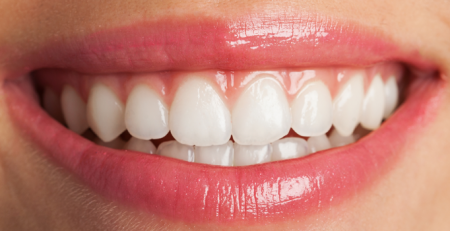
In healthy gums, the probing depth is usually in the range of 1–3 mm. While measurements of 4 mm and above alone do not provide a definitive diagnosis, they may require a detailed evaluation for gum inflammation, periodontal pockets, or loss in supporting tissues. Especially pockets of 5–6 mm and deeper, when evaluated together with other findings such as bleeding, clinical attachment loss, and bone loss, may be significant for periodontitis.
Gingival pocket depth is not merely a number. For an accurate diagnosis, in addition to pocket measurements, findings such as bleeding on probing, gum recession, clinical attachment loss, tooth mobility, and radiographic bone level should also be evaluated. Therefore, it is not possible to give a definitive answer to the question “how many mm is my gum pocket?” by looking at home; the measurement is performed by a dentist using a special instrument called a periodontal probe.
What is a Gingival Pocket?
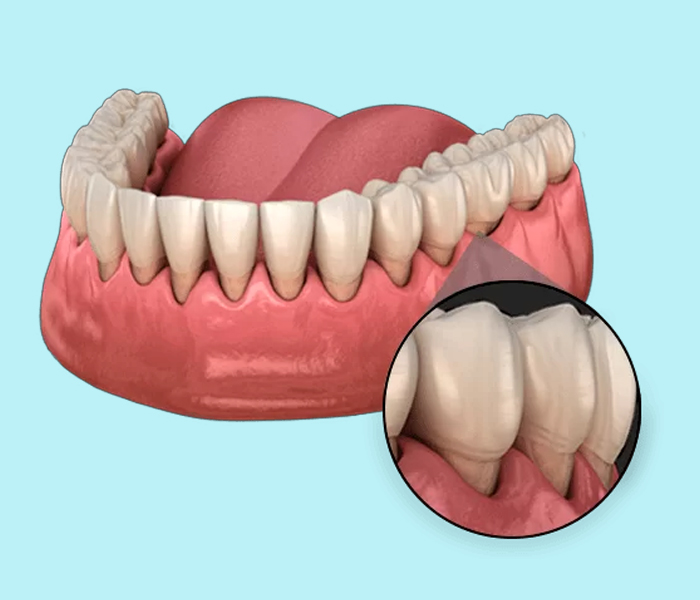
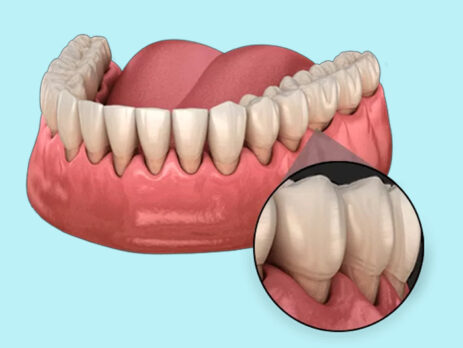
A gingival pocket is a term used to describe the groove between the tooth and the surrounding gum tissue becoming deeper than normal. In a healthy state, the gum is positioned closely and tightly against the tooth surface. The natural shallow space between the tooth and the gum is called the gingival sulcus.
When bacterial plaque accumulated on the tooth surface is not adequately removed, inflammation can develop in the gums. As the inflammation progresses, the supporting tissues surrounding the tooth can be affected, the space between the gum and the tooth can deepen, and a periodontal pocket can form. As the pocket deepens, it can become more difficult to thoroughly clean the area with daily toothbrushing and interdental cleaning.
Therefore, deep gingival pockets can become areas where bacterial biofilm is protected and contributes to the progression of gum disease. For more detailed information on the evaluation and treatment of periodontal diseases, you can visit our Gum Disease Treatment (Periodontology) page.
What is a Normal Gingival Pocket Depth in mm?
In healthy gums, the periodontal probing depth is usually between 1–3 mm. However, the meaning of a single measurement can vary depending on the area measured, the condition of the gum tissue, inflammation, and other clinical findings.
Gum pocket measurements can generally be interpreted as follows:
- 1–3 mm: This is generally considered the healthy probing depth range.
- 4 mm: This is a measurement that needs to be evaluated carefully. Inflammation, bleeding, and other periodontal findings are investigated.
- 5 mm: This may increase the likelihood of a more significant periodontal problem and may require professional periodontal treatment.
- 6 mm and above: This can be considered a deep periodontal pocket and is important for advanced periodontal disease, especially if accompanied by attachment or bone loss.
These values serve as a general clinical guide. Making an interpretation based solely on the number, such as “4 mm definitely means periodontitis” or “3 mm definitely means there are no problems,” is not correct. In the current periodontal approach, pocket depth is evaluated along with many other findings, such as clinical attachment loss, radiographic bone loss, bleeding on probing, and the distribution of the disease.
Studies on the scientific evaluation of periodontal probing and pocket depth show that the normal probing depth in healthy gums is mostly in the range of 1–3 mm. For academic data on this topic, you can review the scientific study published on periodontal probing.
What Do Gum Pocket Measurements Mean?
One of the most frequently asked questions by patients is what the millimeter values mentioned during the examination mean. For a correct interpretation of periodontal measurements, it is necessary to look not only at the highest value but also at the measurements on different surfaces of all teeth in the mouth.
What Does a 1–3 mm Gum Pocket Mean?
A probing depth of 1, 2, or 3 mm is considered to be within a healthy range in most cases. The absence of bleeding, swelling, significant redness, or attachment loss in the gum tissue are also findings that support periodontal health.
However, regular oral hygiene is important to maintain healthy measurements. Teeth should be brushed at least twice a day with the correct technique, interdental spaces should be cleaned, and regular dental check-ups should not be neglected.
Is a 4 mm Gum Pocket Dangerous?
A 4 mm gum pocket does not always indicate advanced periodontitis; however, it should be evaluated carefully as it is above the normally accepted 1–3 mm range. Professional care may be required, especially if there is bleeding during probing, gum swelling, or inadequate oral hygiene.
In some areas, inflammation can cause gum tissue swelling, leading to an increased measurement even without actual loss of supporting tissue. This condition is sometimes referred to as a “false pocket” or “pseudopocket.” Therefore, it should be determined through a clinical examination whether a 4 mm measurement indicates a true periodontal pocket or tissue growth due to inflammation.
What Does a 5 mm Gum Pocket Mean?
A 5 mm periodontal pocket is a finding that requires professional evaluation. Areas of this depth can be difficult to clean thoroughly with daily home care. Plaque and calculus accumulated under the gum line can contribute to persistent inflammation.
5 mm pocket depth; if accompanied by bleeding on probing, clinical attachment loss, and radiographic bone loss, it becomes more significant for periodontitis. The treatment plan is determined according to the prevalence and severity of the disease.
What Does a 6 mm and Above Gum Pocket Mean?
6 mm and deeper periodontal pockets can be a significant clinical finding for more advanced periodontal tissue destruction. In these areas, controlling bacterial plaque and calculus under the gum is more difficult. Deep pockets may also be accompanied by bone loss, gum recession, or tooth mobility.
In scientific research examining periodontal pocket depth, measurements have often been evaluated in groups such as 3 mm and below, 4–5 mm, and 6 mm and above. For detailed scientific data on this topic, you can access the academic publication examining the relationship between periodontal pocket depth and bleeding on probing.
How is a Gum Pocket Measured?
A gum pocket is measured using a special dental instrument called a periodontal probe, which has millimeter markings. The dentist or a practitioner working in the field of periodontology gently inserts the periodontal probe into the sulcus between the tooth and the gum, measuring the distance from the gum margin to the base of the pocket.
In a periodontal assessment, measurements are usually taken from different surfaces of each tooth. This way, not just a single point, but more detailed information about the overall periodontal status of the mouth is obtained.
During the examination, the following findings may be evaluated together:
- Periodontal pocket or probing depth,
- Presence or absence of bleeding on probing,
- Presence or absence of gum recession,
- Clinical attachment level,
- Tooth mobility,
- Condition of furcation areas,
- Plaque and calculus accumulation,
- Alveolar bone level seen on radiographs.
For academic information on periodontal probing methods and the measuring instruments used, you can refer to the scientific study examining the measurement properties of periodontal probes.
Why Do Gum Pockets Form?
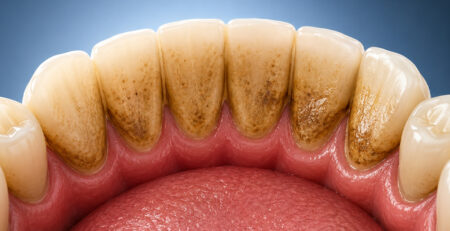
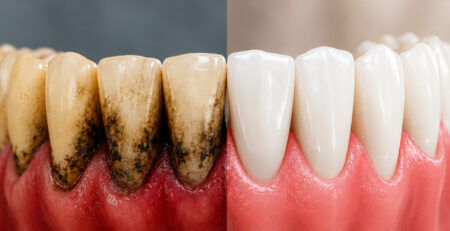
One of the most important processes in the formation of a gum pocket is the accumulation of bacterial plaque biofilm on the tooth surface and the inflammatory response that develops against it. When plaque is not regularly removed, it can mineralize and turn into calculus. Especially accumulations that advance below the gum line can negatively affect the health of periodontal tissues.
Factors that may influence the formation of gum pockets or the risk of periodontal disease include:
- Insufficient oral hygiene,
- Heavy plaque accumulation on tooth surfaces,
- Subgingival and supragingival calculus,
- Smoking and tobacco use,
- Genetic predisposition,
- Certain systemic conditions, such as uncontrolled diabetes,
- Neglect of regular dental check-ups,
- Certain dental or anatomical factors that make cleaning difficult.
For detailed information on how calculus forms and its effects on gum health, you can read our content titled What is Calculus, How Does it Form, and How is it Cleaned?
What are the Symptoms of Gum Pockets?
Gum pockets may not cause significant pain, especially in the initial period. For this reason, periodontal diseases can sometimes progress unnoticed for a long time. Symptoms that may accompany a gum pocket include:
- Bleeding when brushing or flossing,
- Spontaneous gum bleeding,
- Red or swollen gums,
- Bad breath,
- Gum recession,
- Teeth appearing longer,
- Discharge coming from between the tooth and the gum,
- New spaces forming between the teeth,
- Loose or shifting teeth.
The presence of these symptoms does not necessarily mean advanced periodontitis. However, it is important not to delay a periodontal examination, especially if there is persistent gum bleeding, recession, or tooth mobility.
Are Gum Pockets and Gum Recession the Same Thing?
No. Gum pockets and gum recession are not the same condition. A periodontal pocket refers to the probing depth between the gum margin and the base of the pocket. In gum recession, the gum margin shifts towards the root, and the tooth root may become more visible.
A patient may have gum recession without a deep periodontal pocket, or both gum recession and attachment loss may be present together. Therefore, clinical attachment loss is an important criterion for determining the true extent of periodontal disease.
What is the Relationship Between Gum Pockets and Periodontitis?
Periodontitis is a periodontal disease characterized by progressive loss in the tissues supporting the tooth. Periodontal pocket formation, clinical attachment loss, and alveolar bone loss can be among the important findings of the disease.
In the current periodontal classification, the evaluation of the disease is not based solely on pocket depth. Criteria such as clinical attachment loss, radiographic bone loss, tooth loss, disease complexity, and risk of progression are considered together. For the scientific framework of the current periodontal disease classification, the consensus publication on the 2018 classification of periodontal and peri-implant diseases can be reviewed.
For more information on the causes, symptoms, and importance of early diagnosis of periodontitis, you can review our article titled Silent Advancing Danger: Periodontitis and the Importance of Early Diagnosis.
How is a Gum Pocket Treated?
Gum pocket treatment is planned individually according to the depth of the pocket and the severity of the periodontal disease. It is not correct to apply the same treatment to every patient and every pocket depth.
The main goal of the treatment is to control the bacterial biofilm and dental calculus contributing to the disease, reduce inflammation, help the patient maintain effective oral hygiene, and ensure the preservation of periodontal tissues as healthy as possible.
1. Oral Hygiene Management
One of the fundamental steps in periodontal treatment is for the patient to effectively maintain daily plaque control. Correcting brushing technique, using dental floss or appropriate interdental brushes, and personalized oral care recommendations play an important role in the success of the treatment.
2. Professional Dental Calculus Cleaning
Professional removal of dental calculus accumulated on tooth surfaces and around the gums may be necessary. Dental calculus cannot be removed at home with a toothbrush. Regular professional care can help facilitate plaque control and reduce gum inflammation.
For more information on why dental calculus cleaning is necessary, you can review our content titled Why Should Dental Calculus Cleaning Be Done?.
3. Subgingival Cleaning and Root Surface Treatment
In deeper periodontal pockets, plaque and calculus accumulations located under the gum may need to be removed. Non-surgical periodontal treatment aims to professionally clean root surfaces and control disease-related accumulations.
After treatment, periodontal measurements can be re-evaluated after a certain healing period. Reduction in pocket depths, decreased bleeding on probing, and improved oral hygiene are important in evaluating the treatment response.
4. Advanced Periodontal Treatments
If deep pockets persist in some areas despite non-surgical periodontal treatment, advanced periodontal treatments may be considered. The method to be applied is determined according to the pattern of bone loss, pocket depth, tooth anatomy, and the patient’s overall periodontal condition.
For detailed scientific information on evidence-based approaches and treatment steps in periodontitis therapy, you can review the EFP S3 level periodontitis treatment guideline.
Can a Gum Pocket Heal on Its Own?
It is not correct to expect a true periodontal pocket to heal completely on its own. In some early cases with gum swelling due to inflammation, after professional cleaning and effective oral hygiene, the swelling of the tissues may decrease, and probing depth may reduce. However, in periodontitis cases with supporting tissue loss, professional periodontal treatment and regular follow-up are necessary.
Therefore, the approach of “let me wait a while, the pocket will close” can lead to the disease progressing unnoticed, especially in deep pockets.
How to Clean a Gum Pocket at Home?
It may not be possible to completely clean the inner surfaces of deep periodontal pockets at home. However, daily oral hygiene is extremely important to maintain the success of professional treatment.
Basic care methods that can be applied at home are as follows:
- Brushing teeth at least twice a day with the correct technique,
- Cleaning between teeth with dental floss or an interdental brush of appropriate size,
- Adhering to the personal oral care plan recommended by the dentist,
- Avoiding cigarettes and tobacco products,
- Not missing regular periodontal check-up appointments.
Antiseptic mouthwashes can be used as a supportive measure in some cases with a dentist’s recommendation; however, mouthwash alone does not eliminate calculus in deep periodontal pockets and is not a substitute for professional periodontal treatment.
Can a Gum Pocket Shrink?
Yes, after appropriate periodontal treatment and effective plaque control, a reduction in probing depth can be observed in some periodontal pockets. The extent of this depends on the initial pocket depth, the degree of inflammation, the extent of tissue loss, the patient’s oral hygiene, and their response to treatment.
However, a reduction in pocket depth does not always mean that the lost bone has been completely restored. Therefore, the success of periodontal treatment is not evaluated based solely on a single millimeter value, but also in conjunction with bleeding, plaque control, attachment level, and radiographic findings.
What Happens If a Gum Pocket is Left Untreated?
When deep pockets associated with active periodontal disease are left untreated, the disease may continue to progress in some individuals. Over time, loss of the periodontal ligament and alveolar bone supporting the tooth can occur.
In advanced cases, the following problems may be observed:
- Increased gum recession,
- Formation of gaps between teeth,
- Persistent bad breath,
- Tooth mobility,
- Impairment of chewing function,
- Tooth loss in advanced stages.
Therefore, early diagnosis is important in gum diseases. Interventions made while pocket depths are still limited and before periodontal support loss progresses can facilitate the control of the disease.
How Can Gum Pocket Formation Be Prevented?
The primary way to reduce the risk of gum pocket formation is through regular and effective control of bacterial plaque. For this, daily oral care and professional check-ups should be maintained together.
- Brush your teeth regularly and with the correct technique.
- Clean between your teeth daily using an appropriate method.
- Do not delay seeking treatment for gum bleeding for a long time by considering it “normal”.
- Get professional cleaning when tartar forms.
- Avoid smoking and tobacco use.
- Do not neglect the control of systemic conditions such as diabetes.
- Adhere to the check-up intervals recommended by your dentist.
When Should You Consult a Dentist?
If you experience gum bleeding, persistent bad breath, gum recession, loose teeth, or have previously measured periodontal pockets of 4 mm or more, a dentist’s evaluation is important.
Especially if 5–6 mm or deeper pocket measurements have been detected, a comprehensive periodontal evaluation should be performed instead of expecting the condition to be resolved solely with home care products. The type of treatment and follow-up frequency should be determined individually for each patient.
Gum Pocket and Periodontal Evaluation at Melsadent
A gum pocket is often not a problem that can be noticed merely by looking in a mirror. For a correct assessment of periodontal health, a clinical examination, periodontal probing, and, if necessary, radiographic examination are required.
At Melsadent Oral and Dental Health Polyclinic, gum health is evaluated considering pocket depths, gum bleeding, gum recession, periodontal supporting tissues, and the patient’s individual risk factors. The treatment plan is custom-made based on the clinical findings obtained.
If you suspect gum bleeding, gum recession, bad breath, or a periodontal pocket, you can get detailed information about periodontology and gum treatments and consult Melsadent for a periodontal examination.
Frequently Asked Questions
How many mm should a gum pocket be?
Probing depth in healthy gums is typically in the range of 1–3 mm. Measurements of 4 mm and above should be evaluated together with other findings such as bleeding, attachment loss, and bone level.
Is a 3 mm gum pocket normal?
Yes. A 3 mm probing depth is considered within the normal range in most cases. However, when evaluating periodontal health, bleeding on probing and other clinical findings are also taken into consideration.
Is a 4 mm gum pocket normal?
4 mm is above the 1–3 mm range considered healthy and needs evaluation. However, a 4 mm measurement alone is not sufficient to diagnose advanced periodontitis.
Is a 5 mm gum pocket dangerous?
A 5 mm pocket depth can be an important finding in terms of periodontal disease. Professional periodontal treatment may be necessary, especially if accompanied by bleeding on probing, clinical attachment loss, or bone loss.
What does a 6 mm gum pocket mean?
Measurements of 6 mm and above can be considered deep periodontal pockets. It is important for these areas to be professionally examined and for a treatment plan to be made according to the severity of the disease.
Do gum pockets cause pain?
Not always. Periodontal diseases can progress painlessly, especially in the early and moderate stages. Bleeding, bad breath, or gum recession can also be observed without pain.
Do gum pockets close on their own?
In some early cases with inflammation-related swelling, probing depth may decrease after treatment. However, true periodontal pockets accompanied by loss of supporting tissue require professional treatment and follow-up.
Can gum pockets be measured at home?
No. Attempting to measure a gum pocket at home with pointed or non-measuring tools can damage tissues. Accurate measurement should be performed by a dentist using a millimeter-marked periodontal probe.
Is gum pocket treatment painful?
Local anesthesia may be used depending on the type of procedure and pocket depth. Necessary precautions are taken to ensure patient comfort during treatment.
Does dental calculus cleaning reduce gum pockets?
In cases related to inflammation and dental calculus buildup, gum swelling and probing depth may decrease after professional cleaning and effective oral hygiene. However, deep periodontal pockets may require additional periodontal treatments.
Do gum pockets cause bad breath?
Bacterial and biofilm accumulation in deep periodontal pockets can contribute to bad breath. However, since bad breath can have many different causes, an examination is necessary to determine the correct reason.
Are periodontal pockets and gum pockets the same thing?
In everyday use, these terms are often used interchangeably. However, technically, the natural shallow space between a healthy tooth and the gum is defined as the gingival sulcus, while the area that deepens due to disease is defined as a periodontal pocket.
Can gum pockets reoccur?
After periodontal disease is brought under control, the disease can become active again if oral hygiene deteriorates and regular maintenance is neglected. Therefore, periodontal care and control appointments are an important part of long-term success.
Why is Early Diagnosis Important for Gum Pockets?
Since gum pockets can often progress without causing pain, regular periodontal check-ups are of great importance. In healthy gums, probing depth is usually in the range of 1–3 mm. Measurements of 4 mm and above, however, should be carefully evaluated along with other clinical findings.
If you have symptoms such as bleeding gums, persistent bad breath, gum recession, or tooth mobility, do not delay your periodontal examination. Early evaluation and a personalized treatment plan can help protect the supporting tissues surrounding the teeth in the long term.