My Tooth is Mobile, Will it be Extracted? Can a Mobile Tooth be Saved?
Can a loose tooth be saved? In an adult, a permanent tooth becoming loose is not considered normal; however, this situation does not always mean that the tooth needs to be extracted. If the cause of tooth looseness is diagnosed early, if the condition of the bone and gum tissues supporting the tooth is found suitable, and if the correct treatment is applied, some loose teeth can be kept in the mouth for a long time. In contrast, extraction may become necessary for teeth with advanced bone loss, uncontrolled infection, severe root damage, or structural problems that cannot be treated.
Tooth looseness is often not a disease in itself, but a symptom of another underlying problem. Advanced gum disease, loss of bone tissue surrounding the tooth, trauma, teeth clenching and grinding, bite disorders, root problems, or certain infections can cause tooth mobility. Therefore, there is no single answer to the question “How can a loose tooth be strengthened?” that can be applied to everyone. Treatment should be planned according to the actual cause of the looseness and the condition of the tooth’s supporting tissues.
What is important is to determine why the tooth is loose before how much it is moving. Early assessment is one of the most important steps that can increase the chance of preserving the natural tooth. If you notice new or increasing mobility in your tooth, you should have a dental examination instead of constantly checking the tooth with your finger or tongue.
Can a Loose Tooth Be Saved?
Yes, some loose teeth can be saved. However, whether a tooth can definitively be saved cannot be determined solely by looking at the degree of looseness. The bone support around the tooth, the condition of the periodontal tissues, the structure of the tooth root, the presence of infection, the position of the tooth in the mouth, occlusal forces, and the patient’s oral hygiene habits should all be evaluated together.
For instance, in a tooth that has started to loosen due to gum disease, active infection can be controlled, calculus and bacterial plaque can be removed, and necessary periodontal treatments can be applied. In some cases, the mobility of the tooth may decrease after treatment. In selected situations, a loose tooth can be stabilized by a method called splinting, using support from adjacent teeth.
However, splinting alone does not treat gum disease. If the underlying cause is periodontitis, the disease must first be controlled. Scientific guidelines for the treatment of advanced periodontitis also state that the management of tooth mobility should be considered as part of a comprehensive periodontal treatment plan. For a scientific approach on this subject, the EFP S3 clinical practice guideline for the treatment of Stage IV periodontitis can be examined.
Why Do Teeth Become Loose?
In children, the wobbling of milk teeth at a certain age is a natural process. However, when a permanent tooth in adults begins to move noticeably, it is usually a condition that needs to be investigated. Although problems related to the gums and the tissues supporting the tooth are the most common among the causes of a loose tooth, this is not the only reason.
1. Gum Diseases and Periodontitis
One of the most important causes of a loose tooth in adults is advanced gum disease. Bacterial plaque accumulated on the teeth and along the gum line can eventually lead to gum inflammation. As the process progresses, the infection can affect not only the superficial gum tissue but also the supporting tissues that connect the tooth to the jawbone.
As periodontitis progresses, the bone support around the tooth may decrease. When the loss of supporting tissues increases, the tooth may start to move more under chewing forces. Therefore, if a loose tooth is accompanied by gum bleeding, gum recession, bad breath, the formation of new gaps between teeth, or tooth migration, the possibility of periodontal disease should be evaluated.
For detailed information about the symptoms and treatment options seen with gum recession, you can review our content on how to stop gum recession?
2. Tartar Accumulation
Dental calculus should not be considered as a sole factor that directly loosens a tooth mechanically. However, calculus surfaces can facilitate the adhesion of bacterial plaque and contribute to the development or progression of gum disease. Untreated periodontal disease can lead to loss of supporting tissue and bone over time, resulting in tooth mobility.
Professional evaluation is crucial, especially if there are significant hard deposits behind the teeth and along the gum line, gum bleeding, and bad breath. To learn how tartar forms and why it cannot be completely cleaned at home with brushing, you can refer to our content titled what is tartar, how does it form, and how is it cleaned?
3. Loss of Bone Supporting the Tooth
Teeth are not only held in place by the gums. The alveolar bone surrounding the tooth roots and the periodontal ligament tissues play an important role in keeping the tooth stable during function. When severe loss occurs in this support system, the mobility of the tooth may increase.
The amount of bone loss is not always apparent by oral examination alone. For this reason, in addition to a dental examination, dental X-rays are used when necessary. Radiographic images are evaluated together with clinical periodontal measurements to obtain information about the condition of the supporting tissues around the tooth.
4. Impact and Trauma to the Tooth
A tooth may suddenly start to loosen after a fall, sports injury, traffic accident, or impact to the oral region. As a result of trauma, the periodontal ligament tissues surrounding the tooth may be damaged; in some cases, a fracture may occur in the root or surrounding bone.
If a tooth is loose after trauma, even if it has not been dislodged, a dentist should be consulted without delay. Early intervention can be important for the preservation of the tooth, depending on the type of trauma. It is not advisable to constantly wiggle a traumatized tooth, force it with hard foods, or attempt to stabilize it at home.
5. Teeth Clenching and Grinding
Teeth clenching and grinding can cause excessive force to be applied to the teeth. Especially in teeth with already reduced periodontal support, excessive forces can increase mobility. A bruxism evaluation may be necessary for individuals experiencing jaw muscle fatigue in the mornings, tooth wear, headaches, or discomfort in the temporomandibular joint.
In this case, focusing solely on the mobile tooth may not be sufficient. The source of excessive force on the teeth and the condition of the periodontal tissues should be evaluated together.
6. Occlusal Dysfunctions and Excessive Chewing Force
When some teeth make contact earlier or more intensely than others during occlusion, it can lead to excessive load on the affected tooth. This situation can contribute to increased mobility, especially in a tooth with weakened supporting tissues.
Therefore, when evaluating a mobile tooth, not only the gum tissue but also how the teeth contact each other can be checked. In selected cases where deemed necessary, occlusal adjustment may be part of the treatment plan.
7. Problems with Tooth Root and Surrounding Tissues
Root fractures, advanced infections, certain endodontic problems, or conditions affecting the structural integrity of the tooth can also cause mobility. In such cases, the treatment approach differs from mobility caused by periodontal disease.
Therefore, it is not possible to choose a treatment based solely on the symptom “my tooth is mobile.” Clinical examination and necessary imaging methods are crucial for an accurate diagnosis.
What Are the Symptoms of a Mobile Tooth?
Tooth mobility is sometimes immediately noticed by the individual, while other times it can only be detected during a dental examination. Symptoms to watch out for include:
- Feeling the tooth move with tongue or finger contact,
- Feeling of looseness or discomfort in the tooth during chewing,
- Feeling that the tooth makes different contact when biting,
- Bleeding, redness, or swelling in the gums,
- Gum recession and the tooth root becoming visible,
- Spaces forming between teeth later,
- Teeth changing position over time,
- Bad breath or a foul taste,
- Inflammation or discharge around the tooth,
- Mobility beginning after trauma.
If one or more of these symptoms are present, the cause should be identified instead of waiting for the tooth to correct itself.
How Are Degrees of Tooth Mobility Evaluated?
Tooth mobility can be clinically evaluated at different degrees. While details may vary depending on the classification system used, generally different levels can be involved, from mild horizontal mobility to advanced horizontal and vertical mobility.
Mild mobility does not always mean the tooth will be lost. However, advanced mobility alone should not automatically mean an “extraction” decision. The prognosis of the tooth depends on many factors such as bone support, periodontal pocket depth, root structure, furcation involvement, infection, the patient’s oral hygiene, and response to treatment.
For current scientific approaches regarding the measurement and classification of tooth mobility, an academic review on the classification and measurement of tooth mobility can be examined.
How to Save a Mobile Tooth?
Treatment for a loose tooth is performed according to the reason why the tooth is loose. The aim is not only to reduce mobility, but to control the underlying disease or mechanical problem causing the mobility.
Professional Dental Scaling
In patients with gingivitis and heavy dental calculus accumulation, professional cleaning can be one of the initial stages of treatment. The goal is to remove hard deposits accumulated on tooth surfaces and around the gums, improve oral hygiene, and control inflammation.
For more information on why dental scaling is important, you can review our guide titled Why Should Dental Scaling Be Done?
Periodontal Treatment
If the cause of tooth mobility is periodontitis, treatment is planned according to the severity of the disease. Oral hygiene education, professional mechanical cleaning, cleaning of root surfaces below the gum line, and advanced periodontal procedures may be considered in necessary cases.
Scientific guidelines published by the European Federation of Periodontology recommend that periodontitis treatment be carried out with a staged and patient-specific approach. For detailed scientific information, EFP’s guideline on treatment of stage I-III periodontitis can be reviewed.
Stabilization of a Loose Tooth with a Splint
Splinting is the stabilization of a mobile tooth by gaining support from adjacent teeth in selected cases. Fiber materials, composite-based systems, or different methods depending on the case may be used for this procedure.
One of the primary goals of splinting is to reduce the discomfort the patient experiences during chewing and to make the mobile tooth feel more stable. However, splinting is not a substitute for treating the underlying periodontal disease. Merely stabilizing the tooth while gum disease persists does not eliminate the root cause of the problem.
There are varying results regarding splinting in the scientific literature. While some studies report that splinting, when applied in conjunction with periodontal treatment, can help retain selected mobile teeth in the mouth, systematic reviews indicate limited evidence that splinting alone improves tooth survival in teeth with advanced periodontitis. Therefore, the decision should be made on a patient and tooth basis. The systematic review evaluating tooth splinting and occlusal adjustment and the clinical study examining the long-term outcomes of splinted mobile teeth can be consulted as scientific resources on the subject.
Regulation of Occlusal Forces
In selected cases where excessive or traumatic force on a tooth is identified, the occlusal relationship can be evaluated. The aim is to control contacts that place excessive load on a specific tooth. This procedure is not necessary for every mobile tooth and should only be applied based on clinical evaluation.
Control of Teeth Clenching and Grinding
The excessive load created by bruxism on teeth can be significant, especially in teeth with reduced periodontal support. According to the dentist’s evaluation, customized protective appliances or different treatment approaches can be planned for the individual.
Advanced Periodontal Treatments
In some patients, initial periodontal treatments may not be sufficient. Surgical periodontal treatments may be considered for deep periodontal pockets, specific bone defects, or advanced supporting tissue loss. Not every bone loss can be recovered, and the applicability of regenerative treatments varies depending on the nature of the defect.
Therefore, it is not correct to give a definitive answer to the question “I have bone loss, will my tooth definitely be saved?” without examination and imaging.
Can a Loose Tooth Fix Itself?
The answer to this question depends on the cause of the looseness. In some cases of mobility occurring after trauma, a reduction may be observed over time as the supporting tissues heal. However, in cases of looseness due to periodontal disease, merely waiting without treating the disease is not the correct approach.
Especially, tooth mobility due to bone loss should not be expected to be eliminated by home remedies. Saltwater, mouthwash, or herbal products can provide temporary relief in the mouth; however, they do not regenerate lost periodontal support and are not a substitute for professional treatment.
How to Firm Up a Loose Tooth?
One of the most frequently searched questions on the internet is “How to firm up a loose tooth?”. The way to firm up a tooth is to control the cause of the mobility.
The treatment plan may include one or more of the following approaches:
- Professional removal of calculus and bacterial plaque,
- Control of periodontal infection,
- Deep periodontal cleaning where necessary,
- Splinting in selected cases,
- Evaluation of excessive occlusal forces,
- Control of teeth clenching and grinding,
- Periodontal surgery or regenerative treatments in suitable cases,
- Regular supportive periodontal care and check-ups.
The most important point here is not to try to physically stabilize the tooth at home. Wrong practices can harm the tooth and surrounding tissues.
Does a Loose Tooth Have to Be Extracted?
No. Not every loose tooth has to be extracted. Tooth mobility is a finding, and the decision for extraction is not made solely based on this finding.
When evaluating the possibility of saving a tooth, the following factors can be considered:
- The amount of bone support surrounding the tooth,
- Whether periodontal disease can be controlled,
- The condition of the tooth root,
- Whether there is a root fracture or advanced structural damage,
- The extent of the infection,
- The functional value of the tooth,
- The patient’s oral hygiene and compliance with treatment,
- The sustainability of long-term care.
While extraction might be the most predictable option in some advanced cases, some mobile teeth can be kept in the mouth with appropriate periodontal treatment and regular follow-up. Therefore, neither the idea of “it’s loose, it will definitely be extracted” nor the approach of “no matter how loose it is, it will definitely be saved” is correct.
When Can a Loose Tooth Be Extracted?
While the decision for extraction is made individually for each patient; extraction may be considered in some cases such as untreatable root fractures, very advanced supportive tissue loss, uncontrolled infection, severe structural damage that cannot be restored, or a very poor long-term prognosis of the tooth.
However, if there is a possibility of preserving the natural tooth, it is important to evaluate these options. The treatment decision should not be based solely on a single symptom but on the entirety of clinical and radiographic findings.
Is it Normal for Teeth to Loosen After Tartar Cleaning?
Some patients with significant tartar buildup may feel their teeth are more mobile after cleaning. The reason for this is often not that the tartar genuinely supports the teeth in a healthy way, but rather that existing mobility was previously unnoticed due to large accumulations. When tartar is removed, the underlying true periodontal condition can become more apparent.
Therefore, tartar cleaning should not be considered a procedure that “loosens” teeth. The real problem is often the pre-existing loss in the tissues supporting the tooth. For detailed information on the post-cleaning process, you can read our content on what to pay attention to after tartar cleaning.
What Can I Do at Home to Save a Loose Tooth?
There is no scientifically proven method to definitively firm up a loose permanent tooth at home. What can be done at home does not replace professional treatment; it can only help to avoid putting further strain on the tooth and to maintain oral hygiene.
- Do not constantly wiggle the tooth with your finger or tongue.
- Avoid biting very hard foods with the loose tooth.
- Do not stop brushing entirely; keep the area clean without traumatizing it.
- If there is gum bleeding, do not neglect oral hygiene.
- Do not use antibiotics on your own.
- Do not try to stabilize the tooth at home with wire, string, or other materials.
- If there is mobility after trauma, do not delay assessment.
If accompanied by gum bleeding, you can also review our content titled how to stop gum bleeding? for its causes and treatment approaches.
When Should You See a Dentist for a Mobile Tooth?
When new onset mobility in a permanent tooth is noticed in an adult, dental evaluation should not be delayed. Faster evaluation is especially important in the following situations:
- If the tooth suddenly started to become mobile,
- If the mobility is progressively increasing,
- If it occurred after an impact or accident,
- If accompanied by gum bleeding and swelling,
- If there is inflammation, discharge, or a bad taste,
- If pain occurs during chewing,
- If the position of the teeth has started to change,
- If gum recession is becoming pronounced.
Early diagnosis is especially important in periodontal diseases. As the disease progresses, the loss of supporting tissue may increase and treatment may become more complex.
What is Done During a Mobile Tooth Examination?
During the examination, the degree of tooth mobility and its possible causes are first evaluated. If necessary, periodontal pocket measurements can be taken, gum bleeding and the extent of recession can be examined, occlusion relationships can be checked, and dental radiographs can be utilized.
During the evaluation, answers to the following questions may be sought:
- Why is the tooth mobile?
- Is there an active periodontal infection?
- How much bone support is there around the tooth?
- Is there damage to the root or tooth structure?
- Is the tooth exposed to excessive force?
- What treatments can be applied to preserve the tooth?
- What is the long-term prognosis?
As a result of these evaluations, a personalized treatment plan is created.
What Happens If a Mobile Tooth Is Not Treated?
The outcome depends on the cause of the mobility. If active periodontitis is not treated, supporting tissue loss may progress, tooth mobility may increase, and eventually tooth loss may occur. If trauma-related damage is not treated, additional problems related to the tooth’s pulp or surrounding tissues may develop.
Therefore, it is not correct to evaluate a mobile tooth solely as “I can wait if it doesn’t bother me”. The absence of pain does not mean there is no significant underlying problem. Particularly, periodontal diseases can progress in some individuals for a long time without causing significant pain.
What Affects the Chance of Saving a Mobile Tooth?
No single factor determines whether a tooth can be kept in the mouth for a long time. Generally, the following factors can affect the prognosis:
- How early the disease was diagnosed,
- The amount of remaining bone and periodontal support,
- Whether the disease is active or not,
- Risk factors such as smoking,
- The quality of oral hygiene,
- Compliance with regular check-ups,
- Control of teeth clenching/grinding and excessive forces,
- The root anatomy and structural condition of the tooth,
- The response to the applied treatment.
Therefore, the treatment outcome for two teeth with the same degree of mobility can be different.
What Can Be Done to Preserve a Mobile Tooth?
Although a professional evaluation is necessary once tooth mobility occurs, daily oral care is of great importance to reduce the risk of tooth loss due to gum diseases.
- Brush your teeth regularly and with the correct technique.
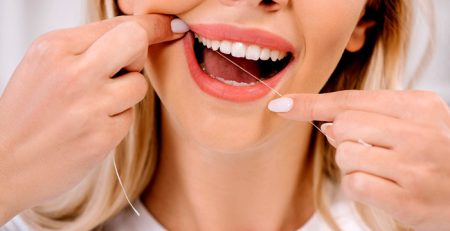
- Clean between your teeth with dental floss or interdental cleaning tools recommended by your dentist.
- Do not consider gum bleeding normal.
- Have professional cleaning for calculus (tartar) buildup.
- Do not neglect regular dental check-ups.
- If you have symptoms of teeth grinding or clenching, get an evaluation.
- Use appropriate protective equipment in sports with a high risk of trauma.
Frequently Asked Questions
Can a loose tooth become firm again?
Depending on the cause of the looseness and the condition of the supporting tissues, mobility in some teeth may decrease after treatment. However, it cannot be said that every tooth with advanced bone loss will fully regain its former firmness. The outcome depends on clinical and radiographic evaluation.
Must a loose tooth always be extracted?
No. Not every loose tooth is extracted. Some teeth can be preserved with periodontal treatment, infection control, splinting, or other appropriate approaches. The decision for extraction is made based on the tooth’s overall prognosis.
Is tooth looseness normal in adults?
Significant mobility in permanent teeth is not considered normal. Causes such as gum disease, bone loss, trauma, or excessive force should be investigated.
How is a loose tooth strengthened?
First, the cause of the looseness is determined. If there is periodontal disease, it is treated, calculus is removed, advanced periodontal treatment is applied when necessary, and in selected cases, the tooth can be stabilized with a splint.
Does a loose tooth heal on its own?
In some mild traumatic situations, mobility may decrease over time. However, self-correction of looseness, especially when due to gum disease and bone loss, should not be expected.
Does gum recession cause tooth mobility?
Gum recession alone does not always cause mobility. However, if the recession is accompanied by advanced periodontal support and bone loss, tooth mobility may be observed.
Does dental calculus cause teeth to loosen?
Dental calculus is one of the accumulations that contribute to the development and progression of periodontal disease. Advanced periodontal disease can lead to the loss of supporting tissues of the tooth and consequently to tooth mobility.
Can a mobile tooth be saved with a splint?
A splint can be used in appropriate cases to stabilize mobile teeth and increase patient comfort. However, it does not treat the underlying disease on its own and is not suitable for every mobile tooth.
Can an implant be placed on a mobile tooth?
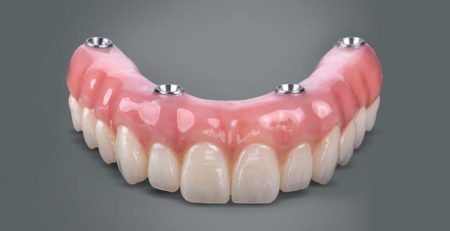
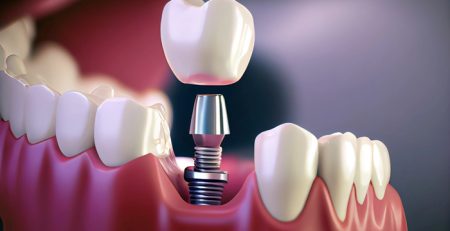
An implant is not a procedure performed on a mobile natural tooth. After a tooth deemed unrestorable is extracted, implant treatment can be planned by evaluating the bone and soft tissue conditions in the area. However, whenever possible, the restorability of the natural tooth should be evaluated first.
Why do my teeth feel more mobile after dental calculus cleaning?
Advanced dental calculus accumulation can prevent existing mobility from being noticed. After cleaning, the true periodontal condition of the tooth may become more apparent. The reason for this is often not the cleaning procedure itself, but rather pre-existing loss of supporting tissue.
Is it harmful to check a mobile tooth with your finger?
It is not recommended to constantly play with the tooth using your finger or tongue. Repeated mechanical forces can cause unnecessary strain on the area. When mobility is noticed, a professional evaluation should be sought.
If a mobile tooth doesn’t hurt, does it still require treatment?
Yes. Some periodontal problems that cause tooth mobility can progress without causing significant pain. The absence of pain does not mean the tooth is healthy.
Assessment Before Losing a Mobile Tooth is Important
A mobile tooth does not always mean it will be lost. Some teeth can be preserved in the mouth through early diagnosis, correct periodontal treatment, infection control, splinting when necessary, and regular follow-up. However, treatment success depends on the cause of the mobility, the remaining bone support, and the overall condition of the tooth.
When you notice mobility in your tooth, it is important to seek a professional assessment instead of waiting for the tooth to fix itself or trying to stabilize it with home methods. Early intervention can help evaluate options for preserving the natural tooth.
At Melsadent Oral and Dental Health Polyclinic, the cause of tooth mobility can be investigated through clinical examination, periodontal assessment, and necessary imaging methods, and personalized treatment options can be evaluated. Remember: A mobile tooth indicates that the cause of its mobility should be investigated, not that it needs to be extracted.
This content has been prepared for general informational purposes. Dental examination is required for diagnosis and treatment. Each patient’s clinical condition and applicable treatment options vary.