What is Hydroxyapatite Toothpaste? Is it an Alternative to Fluoride?
What is Hydroxyapatite Toothpaste? Is it an Alternative to Fluoride?
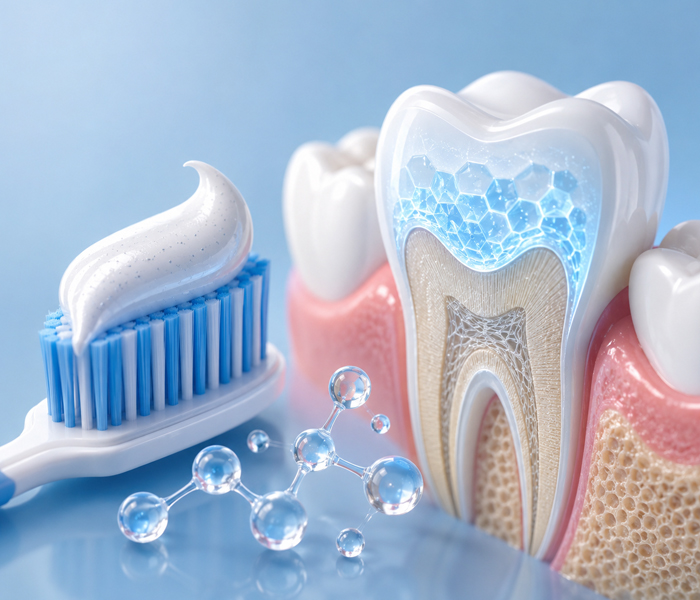
Hydroxyapatite toothpaste is a modern oral care product that contains the hydroxyapatite mineral, which is found in the natural structure of tooth enamel. This mineral aims to help compensate for mineral loss on the tooth surface, support the enamel surface, and reduce early-onset sensitivity and the appearance of white spots. This is also why it has attracted the attention of users, especially those looking for “fluoride-free toothpaste,” in recent years.
However, there is an important distinction here: Although hydroxyapatite products and classic fluoride toothpastes approach the same goal, their levels of evidence and clinical usage histories are not the same. Fluoride has decades of strong clinical evidence in cavity prevention. Hydroxyapatite, on the other hand, is emerging as an increasingly strong alternative. Therefore, the correct answer is often not “the only complete replacement option,” but rather “an alternative that varies by individual.”
How Does Hydroxyapatite Work?
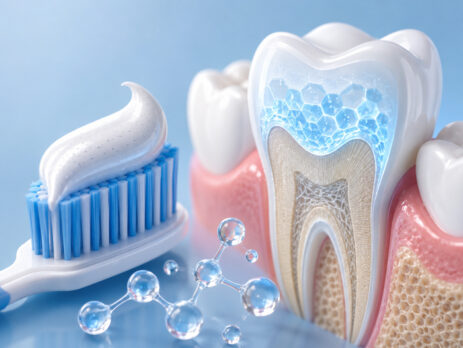
Hydroxyapatite is one of the fundamental building blocks of tooth enamel. When microscopic abrasion, acid attack, or incipient decay occurs on the tooth surface, this mineral can support reattachment to the surface along with saliva. Thus, it can contribute to filling gaps on the enamel surface, reducing surface roughness, and supporting the remineralization process.
Through this mechanism, hydroxyapatite toothpastes have become a compelling option, especially for early-stage enamel weakening, sensitivity, and white spot lesions that can occur after orthodontics. Some clinical studies have reported positive results for remineralization and reduction of sensitivity in white spot lesions with toothpastes containing hydroxyapatite. For example, a randomized clinical study from 2022 demonstrated the contribution of hydroxyapatite-containing toothpaste to reducing sensitivity in white spot lesions. Additionally, in an 18-month randomized clinical study in 2023, hydroxyapatite toothpaste was found to be statistically no less effective than fluoride toothpaste in preventing caries in adults.
Fluoride or Hydroxyapatite?
There is no single, one-size-fits-all answer to this question. Fluoride toothpastes remain the option with the strongest and longest-standing evidence for reducing caries formation. The Cochrane review clearly demonstrates that fluoride toothpastes are effective in preventing caries compared to non-fluoride toothpastes. The same review states that in children and adolescents, the protective effect generally increases with increasing fluoride concentration, but the risk of fluorosis in younger age groups should also be considered.
On the hydroxyapatite side, recent data is promising. A 2025 systematic review and meta-analysis reported no significant difference between hydroxyapatite and fluoride toothpastes in terms of new lesion development and progression of existing lesions; it concluded that hydroxyapatite toothpastes could be an effective alternative in preventing caries progression and supporting remineralization. However, these findings do not mean that it completely replaces fluoride; rather, they suggest that it could be a strong alternative for certain user groups.
Who Might Hydroxyapatite Toothpaste Be Suitable For?
Hydroxyapatite toothpaste can be preferred by individuals who do not want to use fluoride, have a special sensitivity to fluoride, or are looking for a different active ingredient in their daily oral care routine. It may also be of interest to individuals with white spot lesions, those who have undergone orthodontic treatment, experience tooth sensitivity, or have worn enamel surfaces.
Nevertheless, fluoride products are still considered a very strong option for children, individuals with a high risk of cavities, those experiencing dry mouth, frequent sugar consumers, or people who have previously experienced rapid cavity progression. Therefore, the choice of hydroxyapatite should be evaluated not only based on product preference but also on cavity risk and clinical needs.
Why Fluoride Toothpastes Are Still Very Important
Fluoride makes tooth enamel more resistant to acids, supports remineralization, and helps reduce acid production by bacteria. In Melsadent’s approach to cavity prevention, fluoride toothpaste is regularly recommended. Current academic data also supports this approach. A Cochrane review has strongly demonstrated that fluoride toothpastes are effective in preventing cavities.
Therefore, when hydroxyapatite is discussed, the most accurate framework is not “a mandatory substitute where fluoride is lacking,” but rather “a modern alternative that can be considered for some patients.” Hydroxyapatite products can be more easily considered, especially for individuals with low cavity risk, who attend regular check-ups, and maintain proper oral hygiene.
What Are the Advantages of Hydroxyapatite Toothpaste?
The most prominent aspect of hydroxyapatite toothpastes is their biomimetic approach to the natural structure of tooth enamel. This means the goal is not just to provide cleaning on the tooth surface, but to strengthen the surface with mineral support. This approach can increase comfort, especially for individuals experiencing sensitivity.
Another advantage is that it is suitable for those seeking a fluoride-free routine due to its not containing fluoride in some formulations. In a randomized study from 2023, hydroxyapatite toothpaste did not perform statistically worse than fluoride toothpaste in terms of caries prevention in adults. While a 2022 study reported significant improvements in sensitivity and pain scores. These results show that hydroxyapatite is not just a ‘trendy ingredient’ but a clinically researched active ingredient.
What Are the Limitations of Hydroxyapatite Toothpaste?
The most significant limitation of hydroxyapatite products is that they have not been proven in very large populations for as many years as fluoride. Although studies are positive, some are short-term, some have small sample sizes, or focus on specific patient groups. Therefore, it would not be scientifically accurate to say that hydroxyapatite is ‘superior to fluoride in all cases’.
Furthermore, not all hydroxyapatite toothpastes on the market are the same. The form of hydroxyapatite used, particle size, excipients, abrasion level, and overall formulation can affect its effectiveness. This means that not just the brand, but also the formula is important. Therefore, it is necessary to read labels, evaluate the ingredients, and consult a dentist if needed.
Which Contents on Melsadent Can Help You with This Topic?
When establishing a daily care routine, the correct toothbrush choice is as important as the correct toothpaste choice. Regarding this, the article How to Choose a Toothbrush and Toothpaste? is a fundamental starting point. To reduce the risk of tooth decay, the content How to Prevent Tooth Decay? explains the protective approach well.
Since product selection and brushing habits are much more critical in children, How to Instill Tooth Brushing Habits in Children? and Pediatric Dentistry (Pedodontics) pages are also good supplementary resources. If there is a complaint of sensitivity, How Does Tooth Sensitivity Go Away? and How to Distinguish Tooth Sensitivity from Cavities? content provides proper guidance.
How to Use Hydroxyapatite Toothpaste?
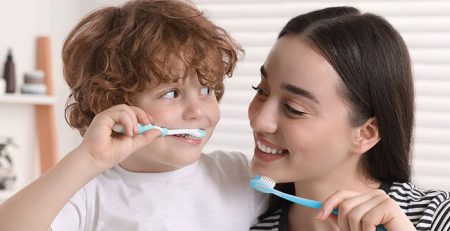
The use of hydroxyapatite toothpaste is fundamentally no different from classic toothpastes. Teeth should be brushed at least twice a day, preferably in the morning and before bed at night. A brushing technique that lasts at least two minutes, covers all tooth surfaces, and focuses especially on the gum line yields the best results. If the mouth is not rinsed too vigorously after brushing, the active ingredients may remain on the surface for a longer time.
The important point here is not to rely solely on the toothpaste. Floss, interdental brushes, regular check-ups, limiting sugar consumption, and choosing the right brush are still fundamental parts of oral health. In other words, hydroxyapatite is not a standalone solution; it is an auxiliary component in a well-planned care routine.
In Which Cases Might Fluoride Toothpaste Be More Sensible?
In individuals with a high risk of cavities, in children, in those undergoing orthodontic treatment, in those with dry mouth, and in individuals with a history of frequent tooth decay, fluoride toothpaste can be a stronger starting point. Melsadent’s current formulations also build their preventive dentistry approach on fluoride toothpaste and regular care. This approach is consistent with academic data.
So the question is often not “Hydroxyapatite or fluoride?” but “Which ingredient is more sensible for this patient?” While hydroxyapatite can be a very good option for some individuals, the protection provided by fluoride might be more critical for others.
What to Consider When Choosing a Product?
When buying hydroxyapatite toothpaste, simply looking at the promises on the packaging is not enough. It should be evaluated what form of hydroxyapatite is included in the ingredient list, whether there are additional ingredients for sensitivity, whether the abrasiveness level is appropriate, and whether the product offers a suitable structure for regular use. Overly aggressive whitening ingredients can reduce the expected benefits in sensitive teeth.
Another important point is habit compatibility. The best product is one that can be used regularly. Therefore, the taste one likes, the foaming sensation, and user comfort are also important. However, comfort should not outweigh efficacy.
Is Hydroxyapatite Really an Alternative to Fluoride?
Short answer: Yes for some individuals, but not automatically for everyone. Recent systematic reviews and randomized clinical trials indicate that hydroxyapatite is a serious candidate for caries prevention and remineralization. The 2025 meta-analysis and 2023 adult study reinforce this view. However, the evidence base for fluoride in caries prevention is much broader and it still remains one of the primary choices in clinical practice.
Therefore, the most accurate approach is to consider hydroxyapatite not as “the only solution that can replace fluoride,” but as “a strong alternative in specific patient profiles.” It can be particularly sensible for patients who prefer fluoride-free care, experience sensitivity, or are at risk of white spots.
Frequently Asked Questions
Does hydroxyapatite toothpaste completely prevent cavities?
No, no toothpaste alone can completely prevent cavities. Hydroxyapatite can be beneficial for enamel support and remineralization; however, regular brushing, flossing, proper nutrition, and dental check-ups are also necessary.
Is using fluoride-free toothpaste harmful?
Not always harmful. However, for individuals with a high risk of cavities, fluoride toothpastes can provide stronger protection. The choice of a fluoride-free product should be evaluated based on the individual’s risk profile.
Does hydroxyapatite work for sensitivity?
Yes, some studies have reported positive effects of hydroxyapatite toothpastes on sensitivity and pain. It can be particularly beneficial for white spot lesions and superficial enamel weakness.
Can children use hydroxyapatite toothpaste?
It can be used, provided the product is formulated appropriately for the child’s age. However, toothpaste selection for children should always be made with a dentist’s recommendation. Fluoride is also a very important protective agent for children at high risk of cavities.
Can hydroxyapatite and fluoride be used together?
They can be formulated together in some products. In this case, the aim is to benefit from the supportive effects of both active ingredients. Product content and the individual’s oral health status should be considered for suitability.
How often should it be used?
It is generally recommended to use it twice a day, in the morning and before bed at night. Your dentist may recommend a different care plan.
Can hydroxyapatite toothpaste be used during pregnancy?
It can be used in the general oral care routine; however, due to potential specific sensitivities during pregnancy, consulting a dentist for product selection is the safest approach.
In which situations should I consult a dentist immediately?
If there is toothache, hot-cold sensitivity, an increase in white spots, gum bleeding, or discomfort during chewing, a dental examination is essential. Toothpaste support does not replace problems requiring treatment.
Hydroxyapatite toothpaste is a noteworthy option in modern oral care, gaining increasing scientific support. It is an important alternative due to its ability to support enamel surface, help reduce sensitivity, and show performance comparable to fluoride products in some clinical studies. However, the evidence for fluoride toothpastes in cavity prevention is still very strong.
The most suitable choice is not the same product for everyone; it is a personalized product determined by age, cavity risk, sensitivity, and daily habits. As in Melsadent’s preventive dentistry approach, a healthy smile becomes much more lasting when regular care, correct toothpaste selection, and dental check-ups are considered together.
References
2025 systematic review and meta-analysis on Hydroxyapatite-based, fluoride-free toothpastes
Hydroxyapatite toothpaste in adults: 18-month randomized clinical trial
Biomimetic hydroxyapatite vs fluoridated toothpaste: randomized clinical study on white spot lesions
Cochrane: fluoride toothpastes for preventing dental caries