Does Zirconium Teeth Turn Yellow? Does Its Color Change Over the Years?
Do Zirconium Teeth Yellow? Does Their Color Change Over the Years?
One of the most frequently asked questions by people considering getting zirconium teeth or those who have been using zirconium veneers for a long time is whether the restorations yellow over time. Zirconium teeth do not have a structure that yellows easily like natural teeth. Zirconium restorations prepared correctly using quality materials and with successful surface treatments can largely maintain their color for many years.
However, it is also not correct to say that zirconium veneers will not change color under any circumstances. Intense coffee and tea consumption, smoking, plaque and tartar accumulation, surface roughness, wear of the glaze layer over time, and inadequate oral hygiene can cause restorations to appear yellower, darker, or duller.
The important point here is to distinguish between the change in the color of the zirconium material itself and externally caused stains that form on the surface. A significant portion of the situations described by patients as ‘my zirconium tooth has yellowed’ are not directly due to the yellowing of the zirconium material; they may result from surface staining, plaque accumulation, gum changes, or color changes in the surrounding natural teeth.
Detailed information about the properties, application process, and areas of use of zirconium restorations can be obtained from Melsadent Oral and Dental Health Polyclinic’s zirconium crowns page.
What is a Zirconium Tooth?
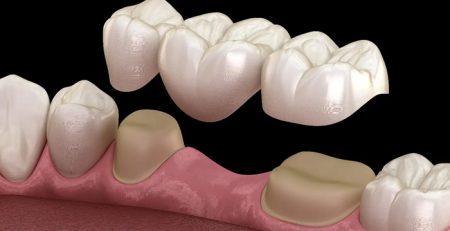
The basic material of restorations referred to as “zirconium tooth” or “zirconium veneer” in daily use is zirconium dioxide. Zirconia-based dental ceramics are widely used in modern dentistry due to their high durability, biocompatibility, and aesthetic properties.
While traditional metal-supported porcelain veneers have a metal substructure under the restoration, zirconium restorations use a white ceramic substructure. Therefore, the formation of metal-induced gray or dark reflections, especially in the gum area, can be prevented.
Thanks to the high-translucency and multi-layered zirconia systems used today, it has become possible not only to achieve a white tooth appearance, but also to mimic the light transmittance and color transitions found in natural teeth.
For more detailed information on the aesthetic properties of zirconium veneers, Melsadent’s Zirconium Veneer: The Closest Touch to a Natural Tooth content can be reviewed.
Why Does Zirconium Not Stain as Easily as Natural Teeth?
Natural teeth have enamel on their outer layer and dentin tissue underneath. Advancing age, dietary habits, smoking, and color pigments can cause changes in the color of natural teeth over time.
Zirconium, unlike natural tooth tissue, is a dense ceramic material with low porosity. Therefore, it is not as easy for coffee, tea, or other color pigments to penetrate the deep layers of the material as it is with natural teeth.
However, this feature does not mean that the zirconium surface is completely immune to staining. The condition of the polishing or glaze layer on the outer surface of the restoration, the surface roughness, and the amount of plaque in the mouth can affect its long-term color appearance.
Does a Zirconium Tooth Change Color Over the Years?
Yes, in some cases, changes in the optical properties of zirconium restorations may occur over the years. However, this change is different from the classic age-related yellowing seen in natural teeth.
Even if there is no significant color change in the inherent structure of zirconium, microscopic changes on the surface can alter the way the restoration reflects light. As a result, the zirconium restoration may appear duller, more opaque, or yellower than before.
In scientific studies, different levels of color changes have been observed in zirconia materials exposed to staining liquids such as coffee, tea, wine, and similar. However, the results are seen to vary according to the type of zirconium used, the surface treatment, the polishing method, and the aging protocol applied in the research.
In a multilayer zirconia study published in 2026, the color stability of zirconia samples exposed to solutions containing coffee and chlorhexidine was examined, and it was reported that measurable color differences could occur over time. The study can be accessed via PubMed.
However, it should not be forgotten that laboratory studies are not identical to real-life conditions. For example, leaving a zirconia sample in coffee continuously for a long time and consuming coffee in daily life do not create the same exposure conditions.
Does the Zirconium Itself Yellow, or Do Stains Form on It?
Determining the source of color change observed in zirconium veneers is quite important for treatment. Zirconium appearing yellow does not always mean that the restoration material itself has changed color.
For example, coffee, tea, or cigarette pigments can adhere to the plaque layer accumulated on the veneer. In this case, the surface may appear yellow or brownish. If the discoloration disappears after professional cleaning, the problem is most likely superficial.
Conversely, more permanent changes in the optical appearance of zirconium can occur if the restoration surface roughens over the years, the glaze layer is damaged, or the surface gloss decreases.
In some patients, even if the color of the zirconium veneer does not change at all, a new color difference may emerge due to the natural teeth around it darkening or being whitened over time.
Does Coffee Stain Zirconium Teeth Yellow?
Coffee is one of the most common beverages that can cause extrinsic discoloration on teeth. The dark pigments it contains can accumulate on the surfaces of natural teeth as well as dental restorations.
Well-polished zirconium restorations with a smooth surface are quite resistant to coffee stains. However, very frequent coffee consumption during the day and the restoration surface becoming rough over time can increase the likelihood of superficial staining.
A study published in 2023 evaluated the color changes shown by monolithic zirconia samples, using different coloring techniques, when exposed to pigmented beverages such as coffee and red wine. The research showed that surface properties play an important role in color stability. The study can be accessed via PubMed.
Therefore, it cannot be said that people with zirconium veneers must completely give up coffee. What is important is to maintain regular daily oral hygiene and have the restorations checked by a dentist at regular intervals.
Does Tea Stain Zirconium Veneers?
Tea is also one of the beverages that contain intense color pigments. Especially in individuals who consume tea very frequently throughout the day, discoloration may be observed over time on the restoration surfaces as well as on natural teeth.
Although zirconium’s smooth ceramic surface can show high resistance to staining, if plaque accumulates on the veneer, tea pigments may adhere to the plaque layer rather than directly to the zirconium. This can cause the restoration to appear yellower.
Rinsing the mouth with water after consuming tea or coffee, regular brushing, and cleaning between teeth can help reduce pigment accumulation on the surface.
Does Smoking Stain Zirconium Teeth?
Cigarettes and other tobacco products are important factors that can affect the appearance of zirconium restorations. Nicotine, tar, and other pigmented substances found in cigarette smoke can lead to yellow or brown discolorations in the mouth.
Even if zirconium material does not yellow deeply like natural tooth tissue, smoking-related stains can accumulate on the surface of the restoration or in the surrounding plaque layer.
The effect of smoking is not limited to aesthetic discoloration alone. Due to its negative effects on gum health, it can also change the appearance of the tissues surrounding zirconium veneers. In cases of gum recession or the development of periodontal problems, aesthetic differences may arise at the edges of the veneer.
Why is Surface Roughness Important in Zirconium Veneers?
Surface quality is an important factor in zirconium veneers being able to maintain their color and brightness for a long time. The surface of a newly prepared restoration can be quite smooth and shiny.
However, over the years, teeth grinding, consumption of hard foods, improper polishing procedures, or the use of highly abrasive dental care products can alter the surface characteristics of the restoration.
Increased surface roughness can lead to an increase in microscopic areas where pigments and plaque can adhere. In such a case, even if the material color of the zirconia has not changed, the restoration may stain more easily.
Academic assessments published on zirconia color stability also report that mechanical surface changes can play a significant role in the aesthetic stability of restorations. One of the current studies on this topic can be examined via PubMed.
Does Zirconia Turn Yellow If the Glaze Layer Wears Off?
In some zirconia restorations, a glazing process is applied to the outer surface to provide shine and aesthetic character. The purpose of the glaze layer is not only to provide a shiny appearance; it also affects the light-reflecting properties of the restoration.
Over time, wear or interventions on the surface can change the properties of the glaze layer. In this case, even if the main color of the zirconia remains the same, its light-reflecting manner may change.
As a result, the restoration may be perceived as duller, darker, or yellower. What patients sometimes express as “my zirconia has turned yellow” may actually be due to a decrease in surface gloss.
Why Does a Zirconia Tooth Appear Yellower Later?
There isn’t a single reason why a zirconia veneer might appear yellower years later. Multiple factors can be at play simultaneously.
- Heavy coffee consumption
- Frequent tea consumption
- Smoking and other tobacco products
- Plaque accumulation on the zirconia surface
- Calculus formation
- Roughening of the restoration surface
- Decrease in glaze or polishing brightness
- Discoloration of neighboring natural teeth over time
- Subsequent bleaching of natural teeth
- Gum recession
- Visibility of the veneer/crown margin
- Inadequate oral hygiene around the veneer/crown
Since these reasons are different from each other, the solution for discoloration may also vary from person to person. In some cases, professional cleaning may be sufficient, while in others, reassessment of the restoration surface may be necessary.
Can Zirconium Teeth Be Whitened?
Zirconium teeth cannot be whitened with classic teeth whitening procedures. The substances used in professional teeth whitening procedures act on the discolorations found in natural tooth tissue.
Zirconium, porcelain, ceramic, or similar restorative materials do not respond to whitening agents like natural teeth. Therefore, it is not possible to lighten the color of an existing zirconium veneer by several shades using the bleaching method.
Melsadent’s teeth whitening page also states that porcelain crowns, laminate veneers, and other restorations cannot be whitened with a bleaching procedure.
This situation is especially important for individuals who want to have their natural teeth whitened and also use zirconium veneers. During aesthetic planning, the target color of the natural teeth should be determined as much as possible in advance.
For example, if a person with four zirconium veneers in the anterior region has their other natural teeth whitened afterwards, the natural teeth can be lightened by a few shades, but the color of the zirconium veneers will remain the same. In this case, the zirconium veneers may appear yellower even though they have not actually discolored.
Does Whitening Toothpaste Whiten Zirconia?
Whitening toothpastes do not change the fundamental color of zirconia restorations. Some products may help remove extrinsic stains from the surface of the restoration, but this process is not truly a shade lightening.
Furthermore, the uncontrolled long-term use of highly abrasive products can cause microscopic changes on the surface of the restoration. The intensive use of abrasive products to make zirconia appear whiter is not a correct approach.
Does Baking Soda Whiten Zirconia?
The use of baking soda, activated charcoal, or similar home remedies is not recommended for whitening zirconia restorations. These substances do not lighten the actual color of zirconia.
Frequent use of abrasive products can cause damage to the glossy surface of the restoration over time. A rougher surface, in the long term, can increase plaque and pigment retention, leading to easier staining, which is the exact opposite of what is intended.
Can Zirconia Restorations Be Professionally Cleaned?
Yes. Plaque, calculus, and some extrinsic stains that form on or around zirconia restorations can be removed during professional dental cleaning.
However, it is important that the cleaning and polishing procedures applied to the zirconia surface are appropriate for the restoration material. Not every abrasive or polishing procedure applied to natural teeth should be applied to ceramic surfaces in the same way.
If the yellow appearance is only due to superficial staining, the restoration may appear cleaner and brighter after professional cleaning. However, if the color difference is due to permanent changes in the surface structure, cleaning alone may not be sufficient.
For detailed information about potential color changes after dental scaling, Melsadent’s content Does Whitening Occur After Dental Scaling? can be reviewed.
What Should Be Done to Preserve the Color of Zirconium for a Long Time?
Daily oral care is crucial for zirconium restorations to maintain their aesthetic appearance for many years. The fact that zirconium itself is a non-decaying ceramic material does not mean that the natural tooth beneath the crown or the surrounding gums do not require care.
- Teeth should be brushed at least twice a day with the appropriate technique.
- Interdental spaces should be cleaned with dental floss or interdental products recommended by the dentist.
- After consuming coffee and tea, the mouth can be rinsed with water.
- It is recommended to avoid cigarettes and other tobacco products.
- Highly abrasive toothpastes should not be used uncontrollably.
- Activated charcoal, harsh cleaning powders, and similar methods should be avoided.
- Tartar and plaque accumulation should be checked at regular intervals.
- If roughness is felt on the zirconium surface, a dentist should be consulted.
- If there is a problem with teeth clenching or grinding, the dentist should be informed.
- Regular dental check-ups should not be neglected.
Proper care not only helps preserve the color of zirconium; it is also important for maintaining the health of the natural tooth beneath the crown and the surrounding gums.
How is the Color of a Zirconium Tooth Chosen?
One of the important stages for long-term aesthetic success in zirconium treatment is the correct color selection. The goal is not to choose the whitest possible color, but to achieve a result that is harmonious with the person’s face and natural teeth.
When selecting a color, factors such as the shade of adjacent natural teeth, the person’s skin tone, lip structure, smile line, the number of zircons to be applied, the color of the underlying natural tooth, and the patient’s aesthetic expectations can be taken into account.
Especially if zirconium is to be applied to only one or a few front teeth, color harmony with adjacent natural teeth becomes much more important. Not only the color but also the light translucency and surface character of the restoration should be compatible with natural teeth.
In comprehensive aesthetic planning, as in Melsadent’s smile design applications, the shape, size, smile line, and relationship of the teeth to the face are evaluated along with the tooth color.
Does Zirconium or E-max Yellow Less?
Zirconium and E-max are different ceramic systems, and both materials can provide high color stability when applied correctly.
It is not appropriate to choose material solely based on the question “which one yellows less?”. Many factors such as whether the restoration is in the anterior or posterior region, chewing forces, the amount of remaining natural tooth tissue, aesthetic expectations, the thickness of the restoration, and the color of the underlying tooth should be evaluated.
To examine the differences between Zirconium and E-max in more detail, Melsadent’s guide Zirconium Crown or E-max? can be utilized.
Does the Aging of Zirconium Affect Its Color?
Artificial aging methods are used in scientific research to evaluate the long-term behavior of dental materials. In these methods, zirconia materials can be exposed to different conditions such as temperature changes, humidity, liquids, or mechanical effects.
In a systematic review and meta-analysis published in 2025, the effects of artificial aging on color stability, translucency, and some mechanical properties in high-translucency zircons were evaluated. The research can be accessed via PubMed.
These studies show that the optical properties of zirconia are not entirely unchangeable. However, it should be noted that artificial aging in a laboratory setting is not exactly the same as real years spent in the mouth.
In the real oral environment, numerous factors such as saliva, dietary habits, oral hygiene, temperature changes, chewing forces, teeth grinding, and oral care products used are simultaneously effective.
What Do Scientific Studies Say About Zirconia Staining?
Scientific research on the color stability of zirconia restorations generally shows that the material is an aesthetically successful option with high color stability. However, it is also observed that coloring beverages and surface treatments can affect the outcome.
A study published in 2017 evaluated the color stability of CAD/CAM-produced zirconia ceramics in acidic beverages and coffee environments. It was reported that coffee exposure could cause measurable color changes in some examined zirconia samples. The research can be accessed via PubMed.
Another study published in 2022 evaluated the staining behavior of opaque and high-translucency zirconia materials against coffee and red wine after hydrothermal aging. Details of the study can be reviewed from the PubMed record.
The common point of these studies is that despite zirconium providing high color stability, its surface properties and long-term pigment exposure are not entirely negligible.
Does Zirconium Veneer Turn Yellow When Its Lifespan Ends?
It is not possible to determine that a zirconium veneer’s lifespan has ended solely by its color. Whether the veneer needs to be renewed is evaluated by considering the function of the restoration, marginal adaptation, the condition of the underlying natural tooth, gum health, the presence of cracks or fractures, and aesthetic expectations.
Some zirconium veneers can remain quite successful in terms of color for many years. Conversely, a restoration that shows no color problems may have developed decay or another dental problem underneath.
To learn about the factors affecting the lifespan of zirconium and other dental veneers, Melsadent’s content How Long Do Dental Veneers Last? Zirconium, E-max, and Laminate Veneers can be examined.
If Zirconium Has Turned Yellow, Does It Necessarily Need to Be Replaced?
No. A zirconium veneer appearing yellow or dark does not directly mean that the restoration needs to be replaced.
First, the source of the color change needs to be identified. If the problem is due to plaque or extrinsic stains on the surface, professional cleaning may suffice.
If there is a decrease in the surface gloss of the restoration, appropriate polishing procedures can be considered. If gum recession or a periodontal problem is present, the health of the surrounding tissues should be addressed first.
In cases of color mismatch after whitening natural teeth, the color planning for the entire smile may need to be redone.
If there is a fracture, crack, severe surface damage, marginal discrepancy, or an aesthetically uncorrectable problem in the veneer, its replacement may become necessary.
If the Tooth Under a Zirconium Veneer Turns Yellow, Is It Visible?
The opacity of zirconium restorations can vary depending on the type and thickness of the material used. In some high-translucency zirconium systems, the color of the underlying tooth tissue can affect the final appearance of the restoration to a certain extent.
Color changes occurring over time in the tooth under the veneer, especially in thin and highly translucent restorations, can affect the aesthetic appearance.
Therefore, during the planning of zirconium treatment, not only the color of the restoration but also the existing color of the underlying natural tooth tissue should be considered.
Does Gum Recession Make Zirconium Appear Yellow?
Gum recession does not directly change the color of the zirconium veneer but can affect the appearance of the restoration. When the gum recedes, the margin of the veneer or a portion of the natural tooth tissue that was previously beneath the gum may become visible.
A color difference in this area can lead the patient to think that the zirconium has turned yellow. Gum recessions occurring in the anterior region are more easily noticeable from an aesthetic point of view.
Therefore, if the color change around the veneer is accompanied by gum recession, bleeding, or sensitivity, not only the surface of the restoration but also the periodontal tissues should be evaluated.
When Should You See a Dentist if Your Zirconium Tooth Changes Color?
A slight surface stain on a zirconium veneer does not always indicate a serious problem. However, if certain symptoms accompany the color change, a dental check-up is recommended.
- Formation of a dark line at the veneer margin
- Bleeding or swelling in the gums
- Onset of gum recession
- Formation of noticeable roughness on the veneer surface
- Significant color change of the zirconium in a short period
- Cracks or fractures appearing in the veneer
- Development of bad odor around the veneer
- Experiencing pain or sensitivity while biting
- Feeling that the veneer is moving
- Significant color mismatch appearing with adjacent teeth
If the color change is accompanied by pain or sensitivity, the situation should not be evaluated solely from an aesthetic perspective. Information on this topic can also be obtained from Melsadent’s content: What Causes Pain Under a Dental Veneer?
How is Zirconium Color Change Evaluated at Melsadent?
For an individual who believes their zirconium veneer has changed color, the primary goal is not to directly replace the restoration, but to determine the cause of the change.
In the clinical evaluation to be performed at Melsadent Oral and Dental Health Polyclinic, the surface of the restoration, the edges of the veneer, surrounding gum tissues, plaque and calculus accumulation, the current color of natural teeth, and overall oral hygiene can be assessed together.
If superficial staining is detected, appropriate professional cleaning options can be considered. If there is a loss of shine or roughness on the restoration surface, the surface structure can be examined.
In cases where the existing zirconium restoration is no longer aesthetically or functionally adequate, new restoration options can be planned in line with the individual’s oral structure and aesthetic expectations.
Frequently Asked Questions
Does a zirconium tooth really turn yellow?
Zirconium is not a material that easily yellows like natural teeth. However, due to coffee, tea, smoking, plaque, calculus, and surface roughness, it may appear more yellow or dull over time.
Zirconium is not a material that easily yellows like natural teeth. However, due to coffee, tea, smoking, plaque, calculus, and surface roughness, it may appear more yellow or dull over time.
Does a zirconium veneer turn yellow after 10 years?
There is no rule that every zirconium veneer will turn yellow after a certain number of years. Material quality, surface treatments, oral hygiene, and individual habits affect its long-term appearance.
There is no rule that every zirconium veneer will turn yellow after a certain number of years. Material quality, surface treatments, oral hygiene, and individual habits affect its long-term appearance.
Does coffee stain zirconium teeth?
Heavy coffee consumption can contribute to extrinsic staining on the zirconium surface over time. Pigment adhesion can be facilitated, especially if the surface is rough or covered with plaque.
Heavy coffee consumption can contribute to extrinsic staining on the zirconium surface over time. Pigment adhesion can be facilitated, especially if the surface is rough or covered with plaque.
Does tea stain zirconium veneers?
Tea pigments can cause superficial discoloration, especially in restorations with plaque buildup. Regular oral hygiene can help reduce such accumulations.
Tea pigments can cause superficial discoloration, especially in restorations with plaque buildup. Regular oral hygiene can help reduce such accumulations.
Does smoking stain zirconium teeth?
Although smoking does not deeply stain zirconium material like natural teeth, it can cause yellow or brown stains on the restoration surface and the surrounding plaque.
Although smoking does not deeply stain zirconium material like natural teeth, it can cause yellow or brown stains on the restoration surface and the surrounding plaque.
Can zirconium teeth be bleached?
No. Tooth whitening products are effective on natural tooth tissue. It is not possible to lighten the existing color of a zirconium veneer using the bleaching method.
No. Tooth whitening products are effective on natural tooth tissue. It is not possible to lighten the existing color of a zirconium veneer using the bleaching method.
Can stained zirconium be cleaned?
If the discoloration is due to superficial plaque or extrinsic stains, professional cleaning and appropriate polishing procedures can improve its appearance.
If the discoloration is due to superficial plaque or extrinsic stains, professional cleaning and appropriate polishing procedures can improve its appearance.
Does whitening toothpaste whiten zirconium?
No. Whitening toothpaste does not change the intrinsic color of zirconium. It can only help remove some surface stains.
No. Whitening toothpaste does not change the intrinsic color of zirconium. It can only help remove some surface stains.
Can baking soda be applied to zirconium teeth?
Regular use of abrasive home methods like baking soda to whiten zirconium is not recommended. It can cause the restoration surface to become rough.
Regular use of abrasive home methods like baking soda to whiten zirconium is not recommended. It can cause the restoration surface to become rough.
Why does zirconium become dull?
A decrease in surface gloss, alteration of the glaze layer, inappropriate abrasive products, plaque accumulation, or roughening of the restoration surface can cause a dull appearance.
A decrease in surface gloss, alteration of the glaze layer, inappropriate abrasive products, plaque accumulation, or roughening of the restoration surface can cause a dull appearance.
Does zirconium appear yellow when natural teeth are whitened?
Yes. While the whitening process lightens the color of natural teeth, the color of zirconium does not change. For this reason, zirconium veneers that previously appeared harmonious might look more yellow next to whitened natural teeth.
Yes. While the whitening process lightens the color of natural teeth, the color of zirconium does not change. For this reason, zirconium veneers that previously appeared harmonious might look more yellow next to whitened natural teeth.
If zirconium has turned yellow, does it need to be replaced?
Not always. First, it should be determined whether the problem is due to surface staining, plaque, surface roughness, gum changes, or actual restoration color change.
Not always. First, it should be determined whether the problem is due to surface staining, plaque, surface roughness, gum changes, or actual restoration color change.
Does a zirconium tooth remain the same color for life?
Zirconium has quite high color stability, but no dental restoration guarantees the same appearance for life without being completely affected by the oral environment.
Zirconium has quite high color stability, but no dental restoration guarantees the same appearance for life without being completely affected by the oral environment.
Is it possible to maintain the color of zirconium for a long time?
Regular tooth brushing, interdental cleaning, avoiding smoking, controlling plaque and tartar, and regular dental check-ups can help restorations maintain an aesthetic appearance for a long time.
Regular tooth brushing, interdental cleaning, avoiding smoking, controlling plaque and tartar, and regular dental check-ups can help restorations maintain an aesthetic appearance for a long time.
Does a color change in zirconium mean a health problem?
Not every color change signifies a health problem. However, if the color change is accompanied by pain, sensitivity, gum bleeding, bad odor, or gum recession, a clinical check-up is necessary.
Not every color change signifies a health problem. However, if the color change is accompanied by pain, sensitivity, gum bleeding, bad odor, or gum recession, a clinical check-up is necessary.
Does Zirconium Tooth Turn Yellow?
Zirconium teeth are not restorations that turn yellow easily and quickly like natural teeth. With quality material, correct production, successful surface treatments, and regular oral care, they can maintain their aesthetic color for many years.
However, it is not correct to say that zirconium will not change its appearance under any circumstances. Coloring factors such as coffee, tea, and cigarettes, plaque and tartar accumulation, roughening of the restoration surface, changes in glaze or polishing properties, and changes in the color of surrounding natural teeth can cause the zirconium veneer to appear more yellow or dull.
Especially in cases of the complaint ‘my zirconium tooth has yellowed’, the first step should not be to directly replace the restoration. It should be determined whether the color difference truly originates from the zirconium material itself, superficial staining, surrounding natural teeth, or gingival changes.
While superficial discolorations can be removed with appropriate professional care, replacement of the restoration may be considered in cases of severe surface changes, veneer incompatibility, or situations that cannot be aesthetically corrected.
At Melsadent Oral and Dental Health Polyclinic, the surface and color condition of existing zirconium veneers can be evaluated; for new zirconium applications, personalized treatment planning can be carried out, considering the color of natural teeth, facial structure, smile line, and the individual’s aesthetic expectations.