How Long Do Dental Veneers Last? Zirconium, E-max, and Laminate Veneers

How Long Do Dental Veneers Last? Zirconium, E-max, and Laminate Veneers

How Many Years Does a Dental Veneer Last? Zirconium, E-max, and Laminate Veneers

How Many Years Does a Dental Veneer Last?

The lifespan of a dental veneer varies depending on the material used, the quality of application, the patient’s oral hygiene, and which tooth the veneer is applied to. Generally, a high-quality veneer, if properly applied and supported by regular care, can be used for many years without problems. Melsadent’s veneer content also states that quality veneers can last an average of 10–15 years, and up to 20 years with good oral hygiene. This period can be extended even further in some patients; in some cases, early replacement may be necessary.

The most important point here is that “dental veneer” is not a single product. The durability of different options such as laminate, zirconium, E-max, metal-supported porcelain, and full ceramic is not the same. For example, thin and aesthetically focused laminate veneers are preferred especially for front teeth, while more durable materials like zirconium stand out for long-term use. Melsadent’s digital dentistry approach also emphasizes that personalized measurements and planning play a significant role in longevity.

Key Factors Determining the Lifespan of a Dental Veneer

The most critical factor determining how long a veneer will last is not just the material. All stages of the treatment should be evaluated together.

Material selection: The balance between durability and aesthetics differs among zirconium, E-max, porcelain, and metal-supported options. Stronger materials may be preferred for patients with high durability expectations.

Dentist’s planning and laboratory quality: The precise fit of the veneer to the tooth, its marginal seal, and occlusion adjustment directly affect its lifespan.

Teeth grinding and clenching: Bruxism increases the risk of cracking, fracturing, and marginal discrepancy in veneers.

Oral hygiene: Although the veneer itself is not thought to decay, the tooth supporting the veneer and surrounding tissues must remain healthy.

Dietary habits: Habits such as cracking hard-shelled foods with teeth, chewing ice, or biting nails can damage the veneer.

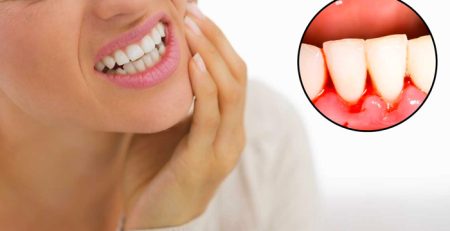
Gum health: Gum recession can impair aesthetic appearance and cause the veneer margins to become visible.

Average Durability by Veneer Type

Laminate dental veneer: It stands out especially for patients desiring a natural appearance on their front teeth. Melsadent’s laminate page states that this method is a restoration applied to the front surface of the tooth, requiring little to no abrasion. Academic literature shows that porcelain veneers can have high survival rates over a period exceeding 10 years and can remain successful for a long time with appropriate case selection. Therefore, laminate is an aesthetic-first option that, when applied with the correct indication, is quite long-lasting.

Zirconium crown: It offers a strong balance between durability and aesthetics. Melsadent defines zirconium crowns as an ideal option for patients with high aesthetic expectations and seeking a long-term solution. Academic systematic reviews also report high 5-year survival rates for zirconia-based crowns, with some long-term studies achieving success rates exceeding 10 years. Zirconium can be an important choice, especially for patients with high chewing forces in the posterior region.

E-max crown: It stands out with its naturalness and light translucency. It is often preferred when aesthetic appearance is a priority for front teeth. In suitable cases, it can provide successful and long-lasting results. However, for teeth exposed to very high chewing forces, the patient’s habits and bite pattern must be evaluated.

Metal-supported porcelain crown: It is a strong option in terms of durability and can be preferred especially in some posterior tooth cases. Although it may not be as advantageous as modern materials in terms of aesthetic expectations, it can be successful in long-term use.

In Which Cases Do Crowns Wear Out Faster?

Crowns can often be used for years without problems; however, some risky habits shorten their lifespan. Teeth clenching, incorrect bite, tearing hard foods with front teeth, trauma, gum problems, and irregular check-ups can cause crowns to wear out prematurely.

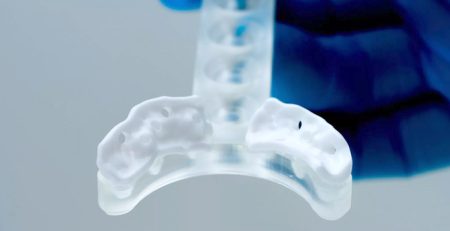
Especially if there is morning jaw pain, tension in facial muscles, sensitivity in the crown, or a “clicking” sensation, bruxism should not be overlooked. In this case, protective solutions such as a night guard can be considered. Deterioration in gum health affects not only aesthetics but also the marginal fit of the crown.

What Should Be Done to Extend the Lifespan of a Crown?

Proper care can significantly extend the life of a veneer. Brushing at least twice a day, using dental floss or interdental brushes, regular dental check-ups, and professional cleaning are fundamental to this process.

It is important to avoid breaking very hard objects with veneered teeth. Chewing ice, opening bottle caps, or biting pens are habits that may seem minor but can cause significant damage. Furthermore, for patients who habitually clench or grind their teeth, using a night guard often makes a protective difference.

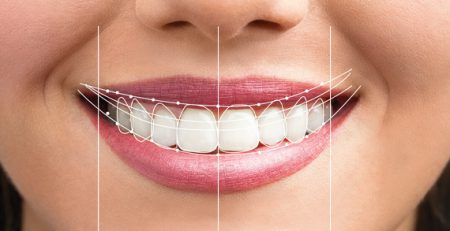
Melsadent’s digital dentistry approach helps the veneer achieve a more precise fit in the mouth. Thanks to digital impressions and personalized planning, both comfort and the chance of long-term success increase. In smile design planning performed within the scope of aesthetic dentistry, tooth and gum harmony is also prioritized.

When Should Veneers Be Replaced?

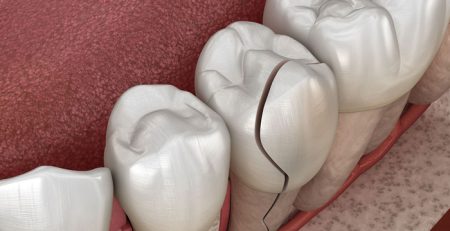
The time for veneer replacement is not solely determined by the question, “how many years have passed?” A check is necessary if any of the following situations occur: a crack or fracture in the veneer, marginal gap (opening at the edge), suspicion of decay in the underlying tooth, constant food impaction, color change, gum irritation, or the veneer feeling loose in the mouth.

Even if the outer surface of the veneer appears intact, the underlying natural tooth or cement layer may have problems. Therefore, regular check-ups, early diagnosis, and minor interventions can delay the need for a complete replacement.

Which Treatments Can Be Considered Alongside Veneer Planning at Melsadent?

Dental veneer treatment is often considered not alone, but as part of a comprehensive aesthetic plan. The following pages describe treatments that complement or support the veneering process:

Dental crowns page is ideal for collectively reviewing different veneer options.

The Lamina dental veneer page is useful for those seeking a natural appearance in anterior tooth aesthetics.

The Zirconium veneer page is suitable for exploring durable and aesthetic options.

The E-max crowns page is important for those researching aesthetic solutions with high light translucency.

The Digital dentistry page is useful for understanding the precise measurement and planning aspects of dental restorations.

The Aesthetic dentistry page provides a general framework for the smile design process.

Frequently Asked Questions

How long do dental veneers last?

With quality materials, proper application, and regular maintenance, most dental veneers can last 10–15 years, and in some cases, up to 20 years or more.

Are Zirconium veneers more durable than Lamina veneers?

In terms of general durability, zirconium is considered stronger. Lamina veneers, on the other hand, are mostly preferred for anterior tooth aesthetics and yield very successful results in appropriate cases.

Can a dental veneer decay?

The dental veneer itself does not decay; however, the natural tooth underneath the veneer can. Therefore, oral hygiene and regular check-ups are very important.

Does teeth grinding damage dental veneers?

Yes, teeth grinding and clenching can increase the risk of cracks, fractures, and wear on dental veneers. A night guard is recommended if necessary.

Are check-ups necessary after dental veneers are placed?

Yes. The initial check is important for bite alignment and gum health. Regular check-ups afterwards extend the lifespan of the restoration.

Does the color of the restoration change?

Color stability varies depending on the material of the restoration. However, over time, gum recession or changes in surrounding tissues can affect the aesthetic appearance.

What should be done if the restoration falls off?

If the restoration falls off, a dentist should be consulted without delay. Sometimes the restoration can be re-bonded, and sometimes it needs to be replaced.

Academic sources

Porcelain laminate veneers survival systematic review

The clinical success of zirconia-based crowns: a systematic review

A systematic review and meta-analysis of the longevity of anterior and posterior all-ceramic crowns

Clinical Survival Rate and Laboratory Failure of Dental Veneers

The lifespan of a dental restoration cannot be expressed by a single figure; with the right material, proper planning, and regular maintenance, problem-free use for many years is possible. Melsadent’s approach to restorations, laminates, zirconium, and digital dentistry offers a strong foundation for both aesthetics and durability. To achieve the best results, the type of restoration, teeth grinding habits, oral hygiene, and gum health should be evaluated together.

How Long Do Dental Veneers Last? Zirconium, E-max, and Laminate Veneers

Share this post


WeCreativez WhatsApp Support
You can receive online support and book an appointment from our representative.
👋 How can I help you?