How Do E-cigarettes (Vape) Affect Teeth and Gums?
How Do Electronic Cigarettes (Vape) Affect Teeth and Gums?
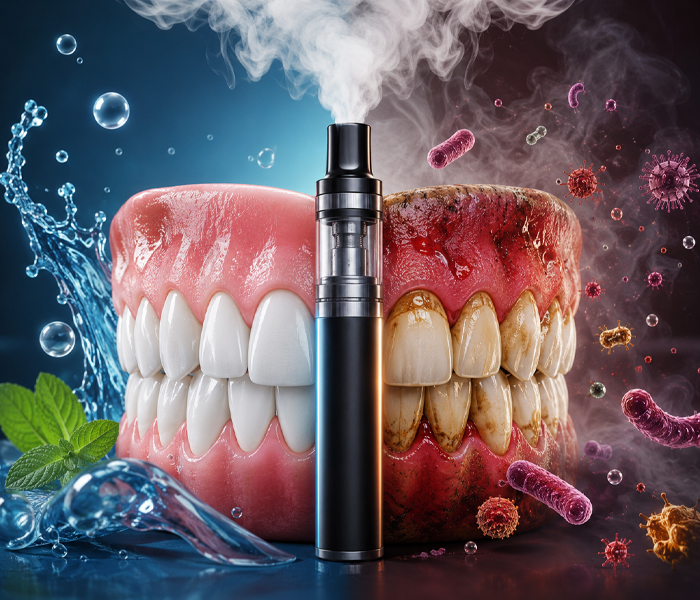
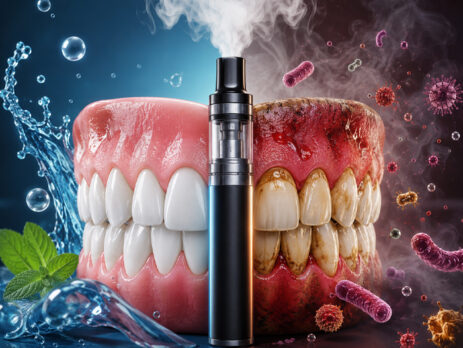
Although electronic cigarettes have become widespread in recent years, especially with the perception of being a “less harmful alternative,” they are not entirely risk-free for oral and dental health. Recent reviews indicate that vape use may be associated with gingivitis, deterioration of periodontal tissues, imbalance in oral microbiota, changes in salivary characteristics, and an increased risk of cavities. Additionally, some findings report that problems such as tooth discoloration, dry mouth, and mucosal irritation are also more frequently observed in vape users.
As Melsadent, our most important message on this matter is: Even though electronic cigarettes may appear to have a lower risk profile in some aspects compared to traditional cigarettes, this does not make them “safe.” Particularly in individuals with a history of gum disease, dry mouth, heavy plaque accumulation, or existing gum recession, vape use can accelerate the current problem. Therefore, early assessment before the problem begins is very important. Melsadent’s gum disease prevention and treatment methods, gum treatment (periodontology), and frequently asked questions pages can be guiding in this process.
How Does Vape Create an Effect Inside the Mouth?
E-cigarette aerosol does not contain only nicotine; flavoring components, solvents, and various by-products formed as a result of heating also come into contact with oral tissues. This contact can have an effect through several fundamental mechanisms that are not noticed initially but accumulate over time: reduced salivary flow, dry mouth, facilitated plaque adhesion, irritation of gum tissue, and altered immune response. When all these factors come together, the oral environment becomes more susceptible to bacterial imbalance.
Saliva, in particular, is the natural defense system of oral health. When saliva decreases, tooth surfaces dry out more easily, plaque accumulates faster, and the resistance of tooth enamel to acids may decrease. This situation creates a favorable ground for tooth sensitivity and a predisposition to cavities. Reviews from 2024 and 2025 report that vape use can reduce the antioxidant and antibacterial capacity of saliva, and this can support oral diseases.
Why Are Gums Particularly At Risk?
Gums are among the most sensitive tissues to cigarette and vape smoke/aerosol. With e-cigarette use, changes in blood flow to the gums and in tissue response can be observed; which over time can contribute to the appearance of symptoms such as redness, sensitivity, bleeding, and inflammation. Recent clinical reviews indicate that vape use can increase the risk of gingivitis and periodontal disease; and some studies show that periodontal parameters can be worse in vape users compared to non-smokers.
The onset of gum disease is often silent. However, when bleeding occurs while brushing teeth, redness along the gum line, bad breath, a feeling of loose teeth, and gum recession develop, the process may have already progressed. In such a case, it is important to get information about gum recession and evaluate early treatment options. At Melsadent, personalized planning is done in this regard.
Does Vaping Increase Tooth Decay?
Short answer: It can. Current systematic reviews report that the prevalence of cavities can be higher in individuals who use e-cigarettes compared to the non-smoker group. Among the main reasons for this are dry mouth, more intense plaque accumulation, frequent use of sugary/flavored liquids, and changes in oral microbiota. Therefore, the approach of “I don’t smoke, I just vape” does not offer a safe guarantee for oral health.
When the risk of cavities increases, the situation may not be limited to just needing fillings. Untreated cavities can progress to the tooth nerve, initiating a chain that can lead to root canal treatment or tooth loss. Therefore, individuals who use vapes should not neglect their regular check-ups and professional cleaning schedule. Melsadent’s dental scaling and professional cleaning content may be helpful in this process.
Why Is Dry Mouth So Important?
Dry mouth is one of the frequently reported complaints among vape users. Saliva is a natural protective agent that cleans teeth, buffers acids, and maintains bacterial balance, so when saliva production decreases, the oral flora is more easily disrupted. This situation can accelerate both tooth decay and gum problems. A 2024 review highlights that vape use can reduce the antibacterial and antioxidant properties of saliva.
Another factor contributing to dry mouth is the habit of frequent and intermittent use. Repeated exposure to nicotine and aerosols throughout the day can reduce the chance for oral tissues to recover. In such a situation, drinking plenty of water alone is not sufficient; the underlying usage habit and oral hygiene also need to be evaluated. Regarding this, reading Melsadent’s guide on mouthwashes might be helpful; however, remember that mouthwash does not replace brushing and flossing.
Does Electronic Cigarette Cause Staining and Odor in Teeth?
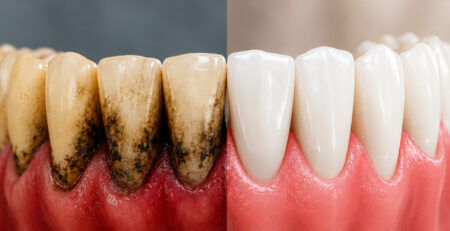
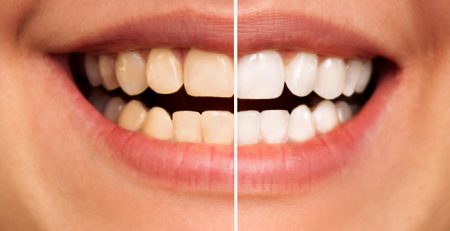
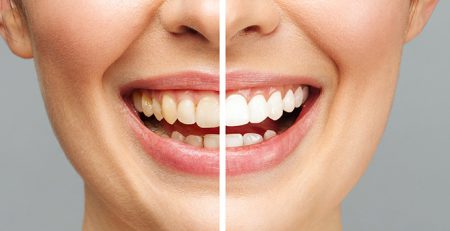
Yes, it can. Reviews report that electronic cigarette use may be associated with tooth staining, bad breath, and mucosal irritation. Nicotine-containing products can increase their tendency to adhere to surfaces inside the mouth; additionally, a dry oral environment can make bad breath more prominent. For this reason, aesthetic complaints may also arise more frequently in individuals who use vapes.
Staining and odor are not merely cosmetic issues. Sometimes these symptoms can be the first sign of plaque accumulation and gum inflammation. Therefore, not only surface cleaning but also gum examination and periodontal assessment are important. Melsadent’s Useful Information section and its content explaining the relationship between oral health and general health reinforce this perspective.
Is Vaping Safer Than Classic Cigarettes?
Current scientific data indicate that e-cigarettes may contain some toxic substances at lower levels compared to traditional cigarettes; however, this does not mean they are safe for oral health. Reviews from 2021 and 2024 state that e-cigarettes have potential harmful effects on gum and periodontal health, and that long-term data are still limited. In other words, the perception of being ‘less harmful’ compared to cigarettes does not equate to being ‘harmless’.
What is important is not just the comparative risk, but the current condition of your oral tissues. In individuals who have previously experienced gum recession, periodontitis, implant treatment, or frequent calculus formation, vape use can negatively affect treatment success and tissue health. Therefore, a personal risk assessment should be conducted, especially for patients with periodontal disease. Content such as oral hygiene in implant patients and sutureless implants can also be evaluated in this context.
Which Symptoms Should Be Taken Seriously If You Vape?
If the following findings are present, a dental evaluation is required instead of waiting for them to “pass”: gum bleeding, gum recession, persistent bad breath, dry mouth, hot-cold sensitivity, tooth discoloration, burning sensation in the mouth, and loose teeth. These symptoms are often associated with plaque accumulation and periodontal inflammation.
The process should be monitored more carefully, especially if bleeding and recession are observed together. Because when gum diseases progress, not only aesthetic but also functional losses can occur. At this point, professional cleaning, periodontal care, and, if necessary, an advanced treatment plan come into play. Melsadent’s prevention and treatment guide and Tuzla dental clinic page can be a starting point in this regard.
Practical Prevention Tips for E-Cigarette Users
Completely quitting vape use is the most effective solution for oral health. However, there are some supportive steps that can be taken during or after the quitting process: brushing at least twice a day with the correct technique, using dental floss or interdental brushes, not neglecting tongue cleaning, regular water consumption, limiting sugary and acidic drinks, and a dental check-up every six months. These recommendations are also consistent with Melsadent’s daily oral care approach.
For individuals with rapid calculus accumulation, regular professional cleaning becomes much more critical. Because when plaque is not controlled, calculus forms, and calculus feeds gum inflammation. Therefore, vape users should not adopt the “no complaints, no need for a check-up” approach. Especially for individuals experiencing gum recession and periodontal sensitivity, early check-ups can prevent the need for more extensive treatments later.
How Is This Issue Evaluated at Melsadent?
At Melsadent Oral and Dental Health Polyclinic, gum health, periodontal evaluation, and hygiene control are addressed not only based on existing complaints but also according to risk factors. Vape use must be inquired about among these risk factors. When necessary, professional scaling, gum treatment, recession assessment, and home care recommendations are planned together. Information regarding Melsadent’s service structure and team, available on its homepage, also supports this approach.
For patients seeking detailed information, the clinic’s content and frequently asked questions section offer a helpful starting point. Furthermore, content on gum diseases, bad breath, calculus, and general oral care reinforces the awareness of regular check-ups. Therefore, it is important for e-cigarette users to have examinations not only for aesthetic complaints but also to detect early periodontal changes.
Scientific References
- Effects of Vape Use on Oral Health: A Review of the Literature — a review on gum disease, caries, and salivary effects.
- The Impact of E-Cigarettes on Oral Health—A Narrative Review — staining, caries, periodontal disease, and salivary changes.
- The oral health impact of electronic cigarette use — general impact on periodontal, dental, and gingival health.
- The impact of e-cigarette use on periodontal health — a 2025 review on periodontal parameters.
Frequently Asked Questions
Do electronic cigarettes cause gum recession?
It would not be accurate to say that electronic cigarettes directly cause “recession” on their own; however, they can increase the risk of gum recession through gum inflammation, dry mouth, and disruption of periodontal balance. Therefore, individuals with existing gum sensitivity should be particularly careful.
Does vape use cause bad breath?
Yes, it can. Dry mouth and changes in microbial balance can contribute to persistent bad odor. If the odor is accompanied by gum bleeding or plaque, professional evaluation is required.
Do electronic cigarettes increase tooth decay?
Current studies report that the risk of cavities can be higher in vape users compared to the non-smoker group. Dry mouth and sticky plaque play a significant role in this risk.
Is vaping more harmless than smoking?
Not always harmless. While it may appear less risky than traditional cigarettes in some respects, it is not considered harmless for oral health. It requires caution, especially in individuals with periodontal disease.
How often should I go for a dental check-up if I use vape?
Generally, a check-up every six months is recommended; however, this period can be shortened if there is gum bleeding, recession, dry mouth, or frequent tartar formation. A dental plan should be created according to your personal risk.
Is using mouthwash sufficient?
No. Mouthwash is a supportive product; it does not replace toothbrushing and flossing. Mechanical cleaning is the essential step, especially for vape users.
Does oral health improve when you quit vaping?
In most cases, yes, the risk decreases; however, if existing gum problems or cavities have formed, they need separate treatment. Professional check-ups after quitting make recovery safer.