Why Do Gums Itch? How Does It Go Away?
What Causes Gum Itching?
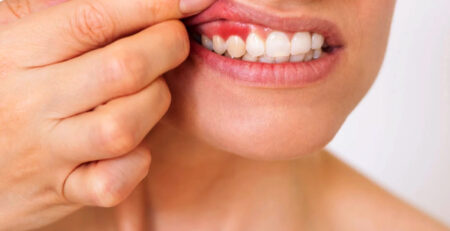
Gum itching is an oral health complaint described by some people as a tickling, tingling, restlessness, irritation, or a constant urge to touch their gums. It is not a definitive symptom of a specific disease on its own. However, if the itching is accompanied by gum bleeding, redness, swelling, bad breath, sensitivity, or dental calculus accumulation, it may be a sign of a developing problem in the gum tissues.
One of the most common answers to the question What causes gum itching? is bacterial plaque accumulation around the teeth and the resulting gum inflammation. Additionally, dental calculus, food impaction between teeth, dry mouth, irritation caused by some toothpastes or mouthwashes, allergic reactions, orthodontic appliances, inadequate restorations, and various periodontal problems can also create a similar sensation.
Especially in cases of gum itching that lasts longer than a few days or recurs constantly, it is important to determine the source of the problem rather than just trying to suppress the itch. This is because a gum inflammation in its initial stages can be brought under control early, while neglected periodontal problems can affect the tissues supporting the teeth over time.
What Could Gum Itching Be a Symptom Of?
Gum itching is not a classic finding that alone defines a specific periodontal disease in medical literature. However, the sensation that patients describe as “itching” may be associated with inflammation, irritation, dryness, or local irritation in the gum tissue.
Therefore, when making an evaluation, it is important where the itching is located, how long it has been ongoing, and whether there are other accompanying symptoms.
- Gum bleeding
- Redness in the gums
- Swelling or edema
- Gum sensitivity
- Bad breath
- Gum recession
- Food accumulation between teeth
- Calculus formation
- Burning or dryness in the mouth
- Increased irritation after using toothpaste
- Loose teeth
- Discharge from the gum margin or bad taste
If one or more of these symptoms are observed along with itching, a professional oral and dental examination may be beneficial.
1. Can Plaque Buildup and Gingivitis Cause Gum Itching?
One of the most important causes of discomfort around the gums is dental plaque accumulation. Dental plaque is a bacterial biofilm that can constantly form on tooth surfaces. If not regularly and effectively removed, an inflammatory response can begin, especially in the areas where the tooth and gum meet.
This condition, in its initial stage, can be seen as gingivitis, or gum inflammation. The gums may appear redder, more sensitive, and swollen; bleeding may occur during brushing or flossing.
Some people may describe this inflammation as itching, tingling, or a constant urge to touch their gums, rather than pain.
For detailed information on the scientific classification of dental plaque-induced gingivitis and its effects on periodontal inflammation, refer to the review of dental plaque-induced gingival diseases published in the Journal of Clinical Periodontology.
2. Can Tartar Make Gums Itch?
When plaque is not regularly cleaned, it can harden into tartar due to the effect of minerals in saliva. Tartar creates a rough surface, especially in areas near the gum line, and can facilitate the attachment of new plaque.
As a result, inflammation in the gums may persist. Redness, bleeding, sensitivity, and in some individuals, a feeling of itching or discomfort may occur.
Once tartar forms, it cannot be completely removed with regular toothbrushing. Professional dental scaling may be required.
For detailed information on tartar formation and professional cleaning, you can review the Melsadent content titled Why Should Dental Scaling Be Done?
3. Food Stuck Between Teeth Can Cause Itching
Food particles such as meat, nuts, fibrous vegetables, or other foods getting stuck between teeth can lead to local irritation in the gum tissue. Especially if the contact point between two teeth is not appropriate, food may constantly get stuck in the same area.
In this case, a person may experience itching, pressure, discomfort, or a throbbing sensation next to a specific tooth. If food debris comes out of the area after using dental floss and the discomfort decreases, this possibility may be considered.
However, if food consistently gets stuck at the same point, simply cleaning the area may not be sufficient. Reasons such as tooth decay, an improper filling or crown, a change in the contact relationship between teeth, or a periodontal pocket may need to be evaluated.
4. Can Toothpaste Cause Gum Itching?
Yes. Although rare, some individuals may develop irritation or contact reactions to flavorings, surfactants, or other ingredients in toothpastes.
This condition may not be limited to itching alone. Burning, redness, sensitivity, peeling, swelling in the gums or oral mucosa, or discomfort during brushing may occur.
In a study and literature review published in 2026, symptoms such as redness, irritation, burning, swelling, and discomfort during brushing were reported in cases of contact stomatitis attributed to toothpaste. You can access the academic study on this topic via PubMed.
Especially if itching or burning in the gums occurs shortly after starting a new toothpaste, it may be helpful to evaluate the ingredients of the product being used. However, it is not correct to self-diagnose a definitive ‘allergy’.
5. Can Mouthwashes Irritate Gums?
When used with the correct indication, mouthwashes can support oral hygiene. However, not every mouthwash is suitable for everyone.
Products with intense flavors or certain antiseptic ingredients can cause a sensation of burning, dryness, or irritation in sensitive individuals. Prolonged use of some therapeutic mouthwashes beyond the recommended duration can also lead to unwanted side effects.
Therefore, if gum itching becomes pronounced after starting to use a mouthwash, the product being used should be evaluated.
For detailed information on mouthwash selection and proper use, you can read our content Are Mouthwashes Really Necessary?.
6. Dry Mouth Can Cause Itching and Discomfort in the Gums
Saliva does not only keep the mouth wet. It also helps protect oral tissues, remove food debris, and maintain the microbial balance within the mouth.
A decrease in saliva production or a persistent feeling of dry mouth can lead to easier irritation of the oral mucosa. Dryness can cause sensations such as tightness, burning, stinging, or itching in the gums.
Dry mouth can be associated with certain medications, insufficient fluid intake, mouth breathing, various systemic diseases, or conditions affecting the salivary glands.
Current scientific reviews evaluating the effects of xerostomia on oral health report that dry mouth can be associated with cavities, periodontal problems, and various other oral health complications. Detailed information can be found in the xerostomia review published on PubMed.
7. Can Periodontitis Cause Gum Itching?
While gingivitis only causes inflammation in the gum tissue, periodontitis is a more advanced disease that can affect the periodontal tissues supporting the teeth.
Classic symptoms of periodontitis may include gum bleeding, gum recession, periodontal pocket formation, bad breath, tooth sensitivity, or, in advanced cases, tooth mobility. Itching alone is not a diagnostic symptom for periodontitis.
However, if a persistent itching sensation is accompanied by symptoms such as bleeding, recession, bad breath, or tooth mobility, a periodontal examination is important.
The international consensus report on the current definition and classification of periodontitis can be accessed via PubMed.
For detailed information about treatments for gum diseases at Melsadent Oral and Dental Health Polyclinic, you can review our Gum Treatment (Periodontology) page.
8. What Does It Mean If Gum Bleeding and Itching Occur Together?
Both gum itching and easy bleeding is a condition that needs to be evaluated, especially in terms of plaque-induced inflammation.
Healthy gums should not bleed continuously during normal oral hygiene. If there is recurrent bleeding during brushing or flossing, the gums need to be evaluated for inflammation.
In the international consensus on the scientific classification of gum health and gingivitis, it is stated that bleeding on probing is one of the important clinical indicators in the evaluation of gum health. You can access the consensus study on this topic via PubMed.
For more comprehensive information about the causes of gum bleeding, you can read our content titled How Does Gum Bleeding Stop? Causes and Treatment.
9. Do Gums Itch While Using Braces or Clear Aligners?
During orthodontic treatment, tooth movement, difficulty in oral hygiene, or appliances facilitating plaque accumulation around the gums can lead to the emergence of different sensations.
Especially in individuals using fixed braces, insufficient cleaning around the brackets and wires can increase plaque accumulation. In this situation, redness, swelling, and bleeding may develop in the gums.
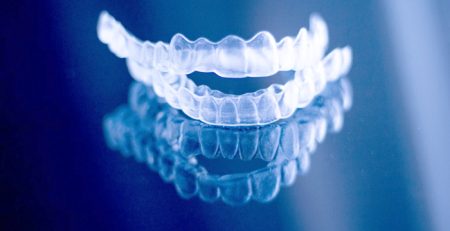
In individuals using clear aligners as well, not keeping the aligners clean or inserting the aligners without adequately cleaning the teeth can lead to increased bacterial accumulation.
If continuous gum itching, swelling, or bleeding is observed during orthodontic treatment, it may be beneficial to check oral hygiene techniques and periodontal tissues.
10. Why Do Gums Itch Around a Filling or Crown?
The presence of an area around a new or old filling, crown, or other dental restoration that increases plaque accumulation can lead to irritation of the gum tissue.
For instance, an overhanging filling margin at the gum line or a restoration contour that is difficult to clean can create a fertile ground for plaque accumulation. In this situation, repeated bleeding, sensitivity, or discomfort may occur in the same area.
If the complaint consistently occurs around a single tooth, the area may need to be examined for restoration fit, calculus, decay, and periodontal status.
11. Can Diabetes Affect Gum Problems?
Diabetes is a significant risk factor for periodontal disease, especially in individuals with inadequate blood sugar control.
Prolonged high blood sugar can affect the inflammatory response, the immune system’s reaction to bacteria, and the healing capacity of tissues. Therefore, gum bleeding, swelling, dry mouth, or periodontal problems in individuals with diabetes need to be monitored more carefully.
Diabetes alone should not be considered as directly causing ‘gum itching’. However, diabetes increasing the risk of dry mouth or periodontal disease can indirectly facilitate the occurrence of gum discomfort.
For detailed information on this topic, you can review the Melsadent content titled Why Does Diabetes Accelerate Gum Disease?
12. Do Hormonal Changes Affect Gums?
During puberty, pregnancy, and other periods of hormonal changes, the inflammatory response of gum tissues to bacteria in plaque can alter.
In these periods, some individuals may notice increased sensitivity, swelling, or bleeding in their gums. Itching alone is not a symptom specific to hormonal changes; however, existing gum inflammation can cause a person to feel their gums more than usual.
Especially during pregnancy, when gum bleeding or swelling occurs, it is important to continue the oral care program recommended by the dentist instead of abandoning oral hygiene.
13. Do Gums Itch When Wisdom Teeth Erupt?
Pressure, sensitivity, and different sensory feelings can occur in the gum tissue on or around an erupting tooth. Especially during the eruption period of wisdom teeth, a feeling of discomfort or itching may be experienced in the back region.
However, if food and bacteria accumulate around a partially erupted wisdom tooth, gum inflammation can also develop. In this case, pain, swelling, bad taste, difficulty opening the mouth, or sensitivity in the surrounding tissues may be observed.
Especially if there is severe pain and swelling, it should not be simply dismissed as “the tooth is coming in.”
14. Do Cigarettes and Tobacco Products Affect Gum Health?
Cigarettes and other tobacco products are among the significant risk factors for periodontal diseases. Tobacco use can affect blood circulation and immune response in gum tissues.
An important detail is that in some smokers, gum bleeding may be less visible than expected despite the presence of periodontal inflammation. Therefore, the idea of “my gums aren’t bleeding, so there’s no disease” is incorrect.
In individuals with persistent gum discomfort, tobacco use should also be considered as part of the periodontal risk assessment.
How to Relieve Gum Itching?
How gum itching will be relieved directly depends on the underlying cause. The treatment for mild gingivitis due to plaque accumulation is not the same as for irritation caused by an oral care product.
Therefore, the cause must first be determined.
- Teeth should be brushed regularly and with the correct technique.
- Interdental spaces should be cleaned using an appropriate method.
- Dental floss or interdental brushes should be used in a way that suits the individual’s oral structure.
- If calculus (tartar) is present, professional cleaning may be necessary.
- Avoid brushing gums too harshly.
- Gums should not be scratched with fingernails or hard objects to relieve itching.
- If dry mouth is present, its cause needs to be evaluated.
- If irritation develops after starting a new toothpaste or mouthwash, the product’s ingredients should be evaluated.
- Antiseptic mouthwashes used for treatment purposes should not be used uncontrollably for long periods.
- If there is recurrent bleeding, swelling, or bad breath, a dental examination should be scheduled.
What Can Be Done at Home to Relieve Gum Itching?
In cases of mild and newly developed gum discomfort, the first step is to improve oral hygiene. However, the important thing here is not to brush the gums harder, but to remove plaque regularly and without causing trauma.
A suitable soft-bristled toothbrush can be used, and the gum line can be gently cleaned. Food debris between the teeth can be removed with dental floss or an appropriate interdental brush.
If dry mouth is present, adequate water intake may help. However, trying to suppress the cause of itching that lasts longer than a few days or is recurrent solely with home remedies is not correct.
Applying substances like hydrogen peroxide, vinegar, baking soda mixtures, highly concentrated salt solutions, cologne, or similar items, especially those recommended online, directly to the gums can cause chemical irritation in the oral tissues.
Is Scratching Gums Harmful?
It is not recommended to scratch itchy gums with fingernails, toothpicks, or other hard objects.
Such mechanical traumas can create small wounds on the gum surface, increase existing inflammation, and make the area more sensitive.
If dental calculus or gingivitis is underlying the itching, scratching the gums will not eliminate the cause.
Should Mouthwash Be Used for Gum Itching?
It is not necessary to use antiseptic mouthwash for every instance of gum itching.
Mouthwash selection should be based on the cause of the itching. In some cases, a dentist might recommend a therapeutic mouthwash for a specific period, while in others, the mouthwash used could itself cause irritation.
For this reason, a dentist’s recommendation is important, especially when using long-term or highly effective antiseptic mouthwash.
What Is Checked During a Dentist’s Examination for Gum Itching?
During an examination due to gum itching, not only the itchy area is examined. The overall health of the gum tissue, the amount of dental calculus, plaque accumulation, and periodontal supporting tissues can be evaluated together.
- Presence of redness or swelling in the gums
- Bleeding during brushing or periodontal assessment
- Dental calculus and plaque accumulation
- Gum recession
- Periodontal pockets
- Tooth mobility
- Food impaction between teeth
- Relationship of fillings or crowns with the gums
- Symptoms of dry mouth
- Toothpaste and oral hygiene products used
- Smoking and tobacco use
- Systemic conditions that may affect periodontal health, such as diabetes
In individuals where deemed necessary, the bone tissue supporting the teeth can also be evaluated with radiographic examinations.
How Is Gum Itching Treated?
Treatment is planned according to the problem causing the itching.
If there is plaque-induced gingivitis: Inflammation can be controlled with professional cleaning and effective daily oral hygiene.
If there is dental calculus (tartar): Dental calculus is professionally removed.
If there is periodontitis: Periodontal treatment can be planned according to the severity of the disease. In some patients, cleaning of accumulations under the gum line and root surface procedures may be required.
If there is food impaction: Interdental contact, decay, restoration, or periodontal problems causing the impaction are evaluated.
If product-related irritation is suspected: The toothpaste, mouthwash, or other oral care products used are reviewed.
If there is dry mouth (xerostomia): Medications, habits, or systemic conditions that may cause dryness are evaluated.
Therefore, there is no single medication or treatment method that can be applied to everyone for gum itching.
When Should Gum Itching Be Taken Seriously?
A mild discomfort that passes within one or two days does not always signify a serious condition. However, if the complaint becomes persistent or is accompanied by other periodontal symptoms, an evaluation should be made.
- If the itching has not gone away for several days
- If it recurs constantly in the same area
- If there is gum bleeding
- If there is noticeable redness or swelling in the gums
- If bad breath persists
- If gum recession is noticed
- If teeth have started to loosen
- If there is pus or a bad taste coming from around the gums
- If pain occurs during chewing
- If there is rapidly increasing swelling in the face or around the gums
If symptoms such as swelling, fever, difficulty swallowing, or shortness of breath develop, especially spreading to the face, a healthcare facility should be consulted without delay.
The sudden development of swelling in the lip, tongue, or throat area and difficulty breathing after contact with a new product or substance requires urgent evaluation for a severe allergic reaction.
Does Gum Itching Go Away on Its Own?
If the itching is due to temporary irritation or short-term food impaction, it may decrease when the cause is eliminated.
However, if there is an ongoing cause such as plaque, calculus (tartar), gingivitis, or periodontal disease, the complaint should not be expected to disappear permanently on its own.
Especially, as long as calculus (tartar) is not professionally removed, it can continue plaque accumulation and inflammation around the gums.
What is the Relationship Between Gum Itching and Gum Disease?
It is not correct to say that gum itching always means periodontal disease. However, plaque and inflammation, which cause periodontal disease, can lead patients to experience different discomforts in their gums.
The U.S. National Institute of Dental and Craniofacial Research states that plaque and calculus (tartar) accumulation are important at the onset of periodontal diseases; redness, swelling, and gums that bleed easily are among the early symptoms.
You can access detailed scientific patient information about periodontal diseases from the National Institute of Dental and Craniofacial Research periodontal disease resource.
How Can Gum Itching Be Prevented?
It is not possible to prevent all causes of gum itching. However, a significant portion of problems related to plaque and gum inflammation can be reduced with effective oral hygiene and regular check-ups.
- Brushing teeth regularly with the correct technique
- Cleaning between teeth every day
- Getting professional cleaning when dental calculus forms
- Avoiding cigarettes and tobacco products
- Considering the sensitivity of oral tissues when choosing toothpaste and mouthwash
- Regularly cleaning orthodontic appliances
- Keeping clear aligners clean
- Investigating the cause if there is dry mouth
- Prioritizing blood sugar control if diabetic
- Not considering gum bleeding as normal
- Not neglecting periodic dental check-ups
Can Gum Problems Exist While Teeth Appear Healthy?
Yes. Teeth appearing white, straight, and cavity-free does not necessarily mean that the gum tissues are healthy.
Especially in their early stages, periodontal diseases do not always cause significant pain. A person might only notice slight bleeding, bad breath, discomfort in the gums, or a sensation similar to itching.
Therefore, in evaluating oral health, not only the appearance of the teeth but also the gums, periodontal pockets, bone support, and existing restorations should be considered.
For detailed information on this topic, you can review our content titled Can Oral Health Be Poor While Teeth Appear Healthy?.
Frequently Asked Questions
Why do my gums constantly itch?
Constant gum itching can be caused by plaque accumulation, gingivitis, dental calculus, food impaction, dry mouth, or irritation from oral hygiene products. If the itching persists for more than a few days, it would be appropriate for a dentist to evaluate its cause.
Is gum itching a symptom of inflammation?
It can be, but it is not a sufficient symptom alone. The presence of redness, swelling, and especially gum bleeding alongside itching can increase the likelihood of gingival inflammation.
Can gum itching be caused by tartar?
Tartar can cause inflammation by facilitating plaque retention along the gum line. This inflammation can be felt by some individuals as itching or discomfort.
How does gum itching go away?
Treatment varies depending on the cause. For plaque accumulation, effective oral hygiene may be necessary; if tartar is present, professional cleaning; and if periodontal disease is present, appropriate periodontal treatment. In cases of product-induced irritation, evaluating the oral care product being used is important.
What helps with gum itching?
Keeping teeth and interdental spaces gently but effectively clean can help control mild plaque-induced inflammation. However, if tartar, periodontitis, or another cause is present, professional treatment may be necessary.
Which mouthwash should be used for gum itching?
Mouthwash is not necessary for every instance of itching. The product to be used should be determined according to the individual’s oral health condition. Since some mouthwashes can increase irritation in sensitive individuals, it is more appropriate to use therapeutic products with a dentist’s recommendation.
Can toothpaste make gums itch?
Some individuals may develop irritation or contact reactions to certain toothpaste ingredients. If burning, redness, swelling, or itching starts after switching to a new toothpaste, the product should be evaluated.
Can gum itching be caused by allergies?
In rare cases, oral care products, flavors, or other substances that come into contact with the mouth can cause contact reactions. However, an allergy diagnosis cannot be made based solely on itching.
Why do gum itching and bleeding occur together?
When these two symptoms occur together, plaque-induced gingivitis and other periodontal problems should be evaluated. Recurrent gum bleeding should not be considered normal.
What causes gum itching and swelling?
If the itching is accompanied by significant swelling, causes such as gingival inflammation, local infection, food impaction, or irritation can be investigated. If the swelling grows rapidly or spreads to the face area, a healthcare institution should be consulted without delay.
Which vitamin deficiency causes gum itching?
Gum itching alone is not a reliable indicator of a specific vitamin deficiency. Although some nutritional deficiencies can affect oral tissues, it is not correct to directly link persistent gum itching to vitamin deficiency. First, local oral and dental health causes should be evaluated.
Does stress cause gum itching?
Stress is not considered a direct and sole cause of specific gum itching. However, it can indirectly affect oral health through changes in oral hygiene habits, teeth grinding, dry mouth, and alterations in immune response.
Do gums itch when wisdom teeth emerge?
During the eruption period, pressure and various sensory feelings may occur in the posterior gum area. However, if there is pain, swelling, bad taste, or difficulty opening the mouth, an examination for inflammation around the wisdom tooth may be necessary.
Is gum itching a symptom of periodontitis?
It is not a symptom of periodontitis by itself. However, if it is accompanied by symptoms such as gum recession, bleeding, bad breath, periodontal pockets, or loose teeth, periodontal disease should be investigated.
Why is it important not to take gum itching lightly?
Gum itching often does not indicate a serious disease and can sometimes be caused by short-term irritation. However, if persistent or recurrent itching is observed, especially with gum bleeding, redness, swelling, or bad breath, it may require evaluation for periodontal problems, primarily plaque-induced gingivitis.
It should be remembered that gum diseases do not always cause pain in their early stages. Therefore, the thought “I have no pain” alone does not indicate that the gums are completely healthy.
At Melsadent Oral and Dental Health Polyclinic, a personalized treatment plan can be created based on the cause of the existing problem, by evaluating gum tissues, dental calculus accumulations, and periodontal supporting tissues.
If you have persistent gum itching, bleeding, swelling, recession, or sensitivity, you can get detailed information from the Melsadent Periodontology and Gum Treatment section or plan an examination by contacting Melsadent Oral and Dental Health Polyclinic.
Important: This content has been prepared for general informational purposes. Information read online does not replace a personal dental examination, diagnosis, or treatment.