Safe Implant Planning with Sinus Lifting in Bone Deficiency
Secure Implant Planning with Sinus Lifting in Bone Deficiency
What is Sinus Lifting?
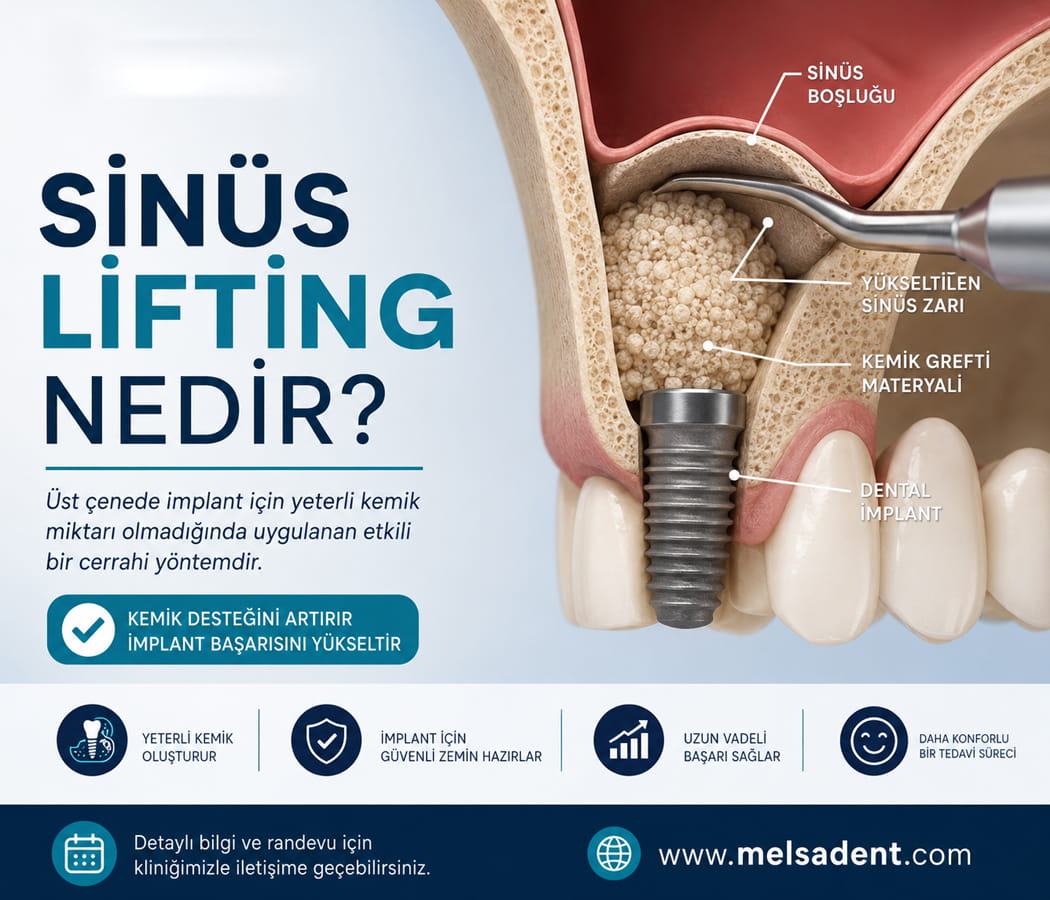
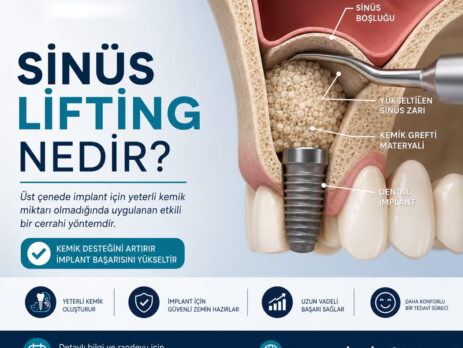
Sinus lifting is a surgical procedure performed when there is insufficient bone height in the posterior region of the upper jaw for implant placement. In this method, the floor of the maxillary sinus in the upper jaw is carefully lifted, and the resulting space is filled with materials that promote bone formation. This prepares a more secure and stable foundation for the implant to anchor to.
Especially in patients who have experienced long-term tooth loss in the upper posterior region, the sinus cavity may expand downwards, and bone levels may decrease. Sinus lifting compensates for this anatomical loss, making implant treatment possible. Therefore, the procedure is often considered one of the critical steps in implant planning.
In Melsadent’s approach to implant treatment, healthy bone support, personalized planning, and 3D imaging are among the fundamental elements. If bone support in the sinus region is insufficient, the clinician may aim to strengthen this area first. The Implant Treatment page provides a general framework for how this approach is planned.
Why is Sinus Lifting Necessary?
The primary goal of sinus lifting is to create sufficient bone volume to ensure the long-term stability of the implant. Bone loss in the posterior part of the upper jaw can lead to not only aesthetic but also functional problems. Reduced chewing power, excessive load on opposing teeth, and difficulties in prosthesis planning can be counted among these issues.
This procedure is generally considered in the following situations:
- When bone resorption has occurred due to long-term missing upper posterior teeth,
- When the maxillary sinus floor expands downwards, reducing bone height,
- When the existing bone height is insufficient for an implant,
- When a fixed prosthesis aiming for high success and long-term durability is planned.
Scientific reviews demonstrate that the sinus floor elevation procedure is a predictable and effective method for implant rehabilitation in the posterior maxilla. Therefore, correct patient selection and proper surgical planning play a decisive role in treatment success. A systematic review of the success of sinus floor elevation procedures for implant therapy and Maxillary Sinus Lift Procedures: An Overview of Current Methods and Complications are key reference sources on this topic.
How Is Sinus Lifting Performed?
The sinus lift procedure is essentially performed using two different techniques: the open method and the closed method. Which technique is chosen depends on the amount of remaining bone, sinus anatomy, and the number of implants planned.
Open sinus lift method: a controlled window is created on the lateral wall of the sinus. The sinus membrane is carefully elevated, and the space is supported with a bone graft. This method may be preferred in cases of more advanced bone loss.
Closed sinus lift method: with a smaller access, the sinus floor is elevated while preparing the implant site. This technique can be less invasive and may provide a shorter recovery period in suitable cases.
Melsadent’s oral, dental, and maxillofacial surgery approach covers complex procedures such as jawbone problems and implant surgery. Therefore, in cases requiring sinus lifting, surgical planning is often evaluated within this specialization. For more information, the Oral, Dental, and Maxillofacial Surgery page can be reviewed.
What Evaluations Are Made Before Sinus Lifting?
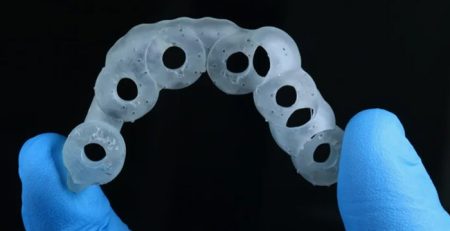
Detailed examination and imaging are crucial before the procedure. Especially with three-dimensional tomography, bone height, the condition of the sinus floor, anatomical boundaries, and potential risks within the sinus are evaluated. Additionally, gum health, oral hygiene, and general health status are also part of the planning.
Melsadent’s periodontology page emphasizes that healthy gums are fundamental for implant success. Because gum diseases and issues in surrounding tissues can directly affect the pre-implant preparation process. Therefore, the Gum Disease Treatment (Periodontology) page is content that must be considered before implant planning.
If the patient has advanced bone loss, the clinician may consider alternatives such as bone grafting, short implants, All-on-4, or zygoma implants, not just sinus lifting. Which of these options is suitable is determined by the amount of bone and the clinical objective.
What is the Recovery Process After Sinus Lifting?
The recovery period may vary depending on the technique applied, the condition of the sinus membrane, the amount of graft added, and the patient’s overall healing capacity. Mild swelling, sensitivity, and a feeling of pressure may be observed after the procedure. These symptoms are controlled and temporary in most cases.
During the recovery period, it is important to regularly use the medications prescribed by the physician, pay attention to oral hygiene, and avoid behaviors that increase nasal pressure. Especially in the first few days, heavy sports, forceful nose blowing, activities that create pressure changes, and smoking can negatively affect the healing process.
Whether the implant will be placed in the same session after sinus lifting or after healing is complete depends on the surgeon’s assessment. In some cases, simultaneous implant placement is possible; in others, bone maturation is awaited. This decision is crucial for the safety and long-term results of the treatment.
What are the Possible Risks of Sinus Lifting?
As with any surgical procedure, sinus lifting also carries some risks. One of the most frequently discussed complications in the literature is sinus membrane perforation. Additionally, infection, healing problems in the graft area, swelling, pain, and rarely, additional sinus-related problems may occur.
Reviews from 2022 and 2023 emphasize the careful management of complications, particularly membrane perforation and sinus-related issues. Furthermore, individuals with a history of sinus disease may more frequently experience sinusitis-like problems after the procedure. Therefore, proper pre-operative planning, appropriate patient selection, and sterile surgical protocol are crucial. Complications in sinus lifting procedures and Sinonasal Complications Following the Sinus Lift Procedure are important resources on this topic.
A recent review states that the surgical technique must be meticulously chosen to reduce the risk of complications, and some techniques may offer a lower risk of membrane perforation. Therefore, sinus lifting is not a procedure to be applied “the same way to everyone”; a personalized approach is required. Prevention and management of intra-operative complications in sinus lifting and The Impact of Sinus Floor Elevation Techniques on Membrane Perforation Risk are valuable in this regard.
Is Sinus Lifting Always Necessary?
No, it is not always necessary. In some patients, short implants can be a suitable alternative. A 2019 systematic review reported that short implants could be considered in some cases instead of sinus floor elevation and can offer similar success rates. Therefore, the treatment decision is made not only based on bone deficiency but also on intraoral conditions, occlusal relationship, and the targeted prosthesis type. Short implants versus longer implants with sinus floor elevation is one of the sources supporting this alternative approach.
In some cases with advanced bone loss, options such as Zygoma Implant Treatment or All-on-4 Implant Treatment may come into question. These methods are not suitable for every patient; however, in appropriate cases, they can offer strategies that may reduce the need for sinus lifting.
Are Sinus Lifting and Bone Graft the Same Thing?
Sinus lifting and bone grafting are not the same thing; however, they are often applied together. Sinus lifting is the procedure of raising the sinus floor. Bone grafting, on the other hand, is the placement of material that supports bone formation in the created void. In other words, sinus lifting is a surgical approach, and bone grafting is one of the supportive methods used within this approach.
Melsadent’s bone graft content explains how bone support can be increased when there is insufficient volume in the jawbone. Therefore, for patients planning sinus lifting, the Bone Powder (Bone Graft) Application page can also be an important complementary resource.
Which Pages at Melsadent are Useful on This Topic?
- Implant Treatment
- Bone Powder (Bone Graft) Application
- Oral, Dental, and Maxillofacial Surgery
- Gum Treatment (Periodontology)
- All-on-4 Implant Treatment
- Zygoma Implant Treatment
Scientific Resources
- Maxillary Sinus Lift Procedures: An Overview of Current Methods and Complications
- Complications in sinus lifting procedures
- A systematic review of the success of sinus floor elevation procedures for implant therapy
- Short implants versus longer implants with sinus floor elevation
Frequently Asked Questions
Is sinus lifting a painful procedure?
During the procedure, no pain is felt thanks to anesthesia. Afterwards, there might be mild pain, pressure, and swelling; these can usually be controlled with the dentist’s recommendations.
How long does sinus lifting take?
The duration varies depending on the technique to be applied and whether an implant will be placed in the same session. While the procedure is short in simple cases, planning and the surgical stage may be longer in advanced cases.
When can one return to normal life after sinus lifting?
Most patients can return to their daily lives shortly; however, it is important to avoid strenuous physical activity in the first few days. Following the dentist’s post-operative care instructions accelerates healing.
Can implants be placed on the same day as sinus lifting?
In some cases, yes, implants can be placed in the same session. However, if bone volume is insufficient or the sinus anatomy is not suitable, healing may be awaited first.
Is sinus lifting required for every upper jaw implant?
No. Sinus lifting may not be necessary for patients with sufficient bone height. The decision is made based on the results of tomography and clinical examination.
Are there other options instead of sinus lifting?
Yes. Alternatives such as short implants, All-on-4, or zygoma implants may be considered in some cases. Which option is suitable depends on the patient’s bone structure and treatment goals.
What should be paid attention to after sinus lifting?
In the first few days, it is important to avoid movements that increase nasal pressure, refrain from smoking, maintain oral hygiene, and not miss follow-up appointments.
Is sinus lifting safe?
When performed on a suitable patient, with proper planning and by an experienced surgical team, it is a safe and predictable procedure. Nevertheless, it should be remembered that risks exist, as with any surgical intervention.