Can Zirconium Veneers Be Changed Later? | Melsadent
Can Zirconium Veneers Be Replaced Later?
Zirconium veneers can be replaced later. In fact, in many cases, this procedure may become necessary for aesthetic or functional re-planning. However, the critical point here is: not every zirconium veneer can be removed with the same ease, and not every tooth may be in a condition to seamlessly support a new veneer. Therefore, the correct answer to the question “can it be replaced?” is often “yes, but a clinical evaluation is needed first”.
Zirconium veneers stand out as durable, biocompatible, and aesthetic restorations. Despite this, no veneer performs the same forever. The literature reports that zirconia-based single crowns have high survival rates but may require revision over time due to technical or biological reasons. Furthermore, general crown literature indicates that crowns may need to be replaced at some point due to reasons such as fracture, loosening, loss of fit, or the development of decay.
Why Might Zirconium Veneers Need to Be Replaced Over Time?
The replacement of a zirconium veneer is not due to poor material quality, but mostly due to the changes in oral conditions over the years. Changes in gum line, occlusal forces, teeth grinding habits, newly formed decay, weakening of the adhesive bond, or the old restoration not meeting aesthetic expectations can lead to this.
One of the most common reasons is the deterioration of the marginal fit of the crown with the tooth. When a marginal gap forms, bacterial accumulation increases, which can lead to secondary decay. Another reason is a fracture, crack, or surface damage occurring in the porcelain top layer. Although zirconia itself is durable, it is not “unbreakable” on its own; chewing forces, trauma, or bruxism can damage the restoration over time. Cleveland Clinic also clearly states that crowns can break or be damaged over time, in which case replacement may be necessary.
In Which Cases Should Zirconia Crowns Be Replaced?
Not every complaint requires a crown replacement; however, when certain signs appear, a check-up should not be delayed. A new evaluation is essential, especially if any of the following situations apply:
- Presence of a crack, fracture, or surface detachment in the crown,
- The crown feels loose or wobbly,
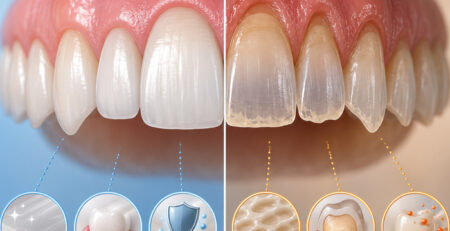
- Appearance of a grey line, color difference, or aesthetic incompatibility at the crown margins,
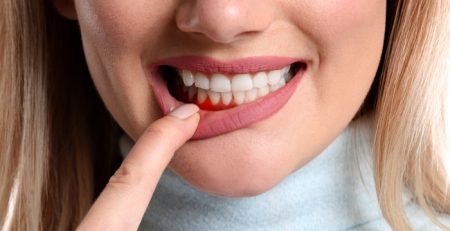
- The crown margin becoming visible due to gum recession,
- Bad breath, foul taste, or food accumulation around the crown,
- Development of new decay or pain in the tooth under the crown,
- Changes in bite, new high spots, or discomfort during chewing,
- The existing crown no longer matching facial aesthetics due to a change in smile design.
Aesthetic expectations are particularly higher for crowns in the anterior region. Therefore, if the gum line changes or if color and form differences occur in adjacent teeth, the existing zirconia crown may be considered for replacement, even if it is technically sound.
What Does the Dentist Check Before Deciding on a Replacement?
Zirconium crown replacement is not just about removing the old crown and placing a new one. First, the source of the problem must be clarified. Because in some cases, the same crown can be repaired, while in others, a complete renewal is required. The dentist usually performs a clinical examination, radiographic evaluation, occlusion analysis, and gum assessment.
At this stage, the answers to the following questions are sought: Is the tooth under the crown vital, is root canal treatment needed, is tooth decay present, is periodontal support sufficient, how well does the old crown fit, is there leakage at the margin line, and what are the patient’s aesthetic expectations? Melsadent’s digital dentistry approach makes this evaluation more predictable; because digital impressions, personalized planning, and aesthetic analysis processes enhance the quality of treatment.
How Does the Zirconium Crown Replacement Process Proceed?
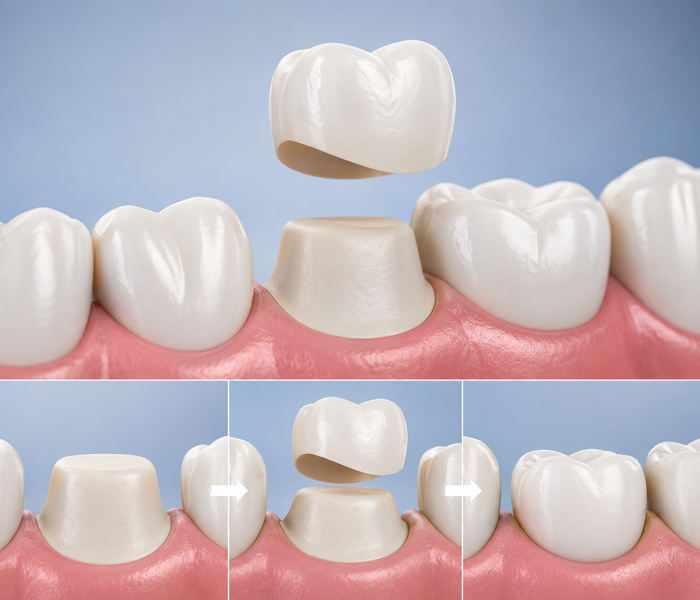
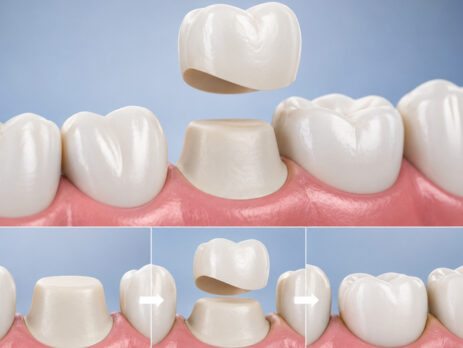
The process of replacing an old crown typically consists of several steps. In the first stage, the removal of the existing crown is planned. If the crown is very tightly bonded with adhesive, controlled cutting and separation techniques may be used. The goal during this procedure is to minimize damage to the tooth as much as possible. Subsequently, the underlying tooth tissue is cleaned, carious areas are removed if necessary, and the required supportive restoration is performed.
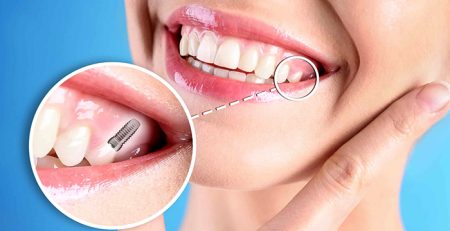
The second stage involves preparing the tooth to be suitable for the new crown. At this point, the dentist checks the tooth’s durability, the amount of preparation, and the crown’s margin design. If the tooth has suffered excessive substance loss, simply placing a new crown may not be sufficient; sometimes a core buildup, post-and-core, or an alternative prosthesis plan may be needed. In such a case, an implant option might also come into consideration. Dental literature indicates that for severely damaged teeth, extraction and implant placement may be considered instead of a crown.
In the final stage, an impression is taken or a digital scan is performed. The new zirconium veneer is custom-prepared in the laboratory, tried on, and permanently cemented once the ideal color, shape, and occlusion are achieved. Melsadent’s zirconium crown, dental crowns, and digital dentistry pages show that this process is carried out in a planned and technology-supported manner.
Can an Old Zirconium Veneer Be Reused?
In most cases, no. This is because the old veneer’s structural integrity may be compromised during removal, or its fit with the underlying tooth may no longer be optimal. Very rarely, if the veneer is undamaged and only the adhesive surface has an issue, a re-evaluation can be done; however, in practice, the most common procedure is to produce a new veneer. This is because a safe and aesthetic long-term result is achieved with a new, custom-made restoration.
What is important here is not just the question, “Is the old veneer still there?” The real question to ask is, “Is the old veneer still healthy, sealed, aesthetic, and functional in the mouth?” If the answer is no, then remanufacturing is often the more appropriate approach.
What Alternatives Can Be Considered Instead of Zirconium Veneers?
Zirconium is not the only correct solution for every patient. In some cases, a porcelain crown, E-max crown, laminate veneer, or a different restoration might be more suitable. If maximum aesthetics are desired for the front teeth, the porcelain laminate veneer approach explained on the Laminate Veneer Dental Restoration page can be considered. When a balanced solution between durability and aesthetics is sought, E-max crowns or porcelain crowns may come into consideration.
In posterior teeth with significant substance loss, zirconium often stands out as a strong option. However, if the root structure, gum health, or decay spread is not suitable, the treatment plan may change. Melsadent’s Dental Crowns and Aesthetic Dentistry pages are a good starting point to evaluate these different options under one roof.
What Should Be Done to Extend the Life of Zirconium Crowns?
The longevity of a zirconium crown depends not only on the material but also on the patient’s oral hygiene habits. Brushing at least twice a day, interdental cleaning, regular professional check-ups, and avoiding hard foods make a significant difference. Especially in patients with teeth grinding and clenching problems, using a night guard can protect the crown.
The ideal lifespan of crowns varies from person to person. General crown literature indicates that with proper care, crowns can function for many years; however, an earlier replacement may be necessary if a fracture, crack, loosening, or decay develops. Therefore, more important than the question “how many years does it last?” is the question “is the crown being properly monitored?”
Why Does Zirconium Crown Replacement Proceed More Systematically at Melsadent?
Melsadent’s treatment approach emphasizes quick appointments, detailed examinations, and comprehensive planning. The availability of pages such as aesthetic dentistry, digital dentistry, dental crowns, and warranty policy together facilitates the patient’s understanding of the process and guides them towards the correct treatment option. Initial contact can be made via the Online Appointment form; subsequently, a clinical evaluation can determine the most suitable restoration plan.
Another advantage is the informative content structure. Melsadent’s Frequently Asked Questions page and treatment content ensure that the patient understands the process more clearly before starting treatment. Decisions such as zirconium crown replacement should be considered not only with aesthetic expectations but also with gum health, chewing function, and long-term maintainability.
Is Zirconium Crown Replacement a Painful Procedure?
Generally, no pain is felt during the procedure as local anesthesia is used. During the removal of the old crown, cleaning of the tooth, and preparation of the new crown, there might be a slight feeling of pressure or vibration; however, these do not signify pain. After the procedure, short-term sensitivity might be experienced. This sensitivity usually subsides within a few days.
Especially in cases requiring gum recession, cavity cleaning, or additional restoration, post-procedure sensitivity might be slightly more pronounced. This situation is considered normal; however, if there is severe pain, persistent throbbing, or discomfort that increases when biting, a check-up should be performed.
Why are Color and Form So Important in New Zirconium Crowns?
The biggest expectation in zirconium crown replacement is not only durability but also naturalness. Color selection, tooth form, brightness level, translucency, and gum compatibility should be considered as a whole. An overly opaque or too white appearance on the front teeth can create an artificial look. For posterior teeth, functionality and load-bearing capacity are paramount.
In Melsadent’s aesthetic dentistry approach, smile design, laminate veneers, zirconium crowns, and digital planning are considered together. This multi-faceted approach aims for the new outcome to be better than the old restoration when a crown replacement is performed.
Frequently Asked Questions
How many times can a zirconium veneer/crown be replaced?
Theoretically, it can be replaced more than once; however, with each replacement, there might be some additional loss of tooth structure. Therefore, whether each revision is truly necessary should be carefully evaluated.
If a zirconium veneer/crown falls off, can it be re-bonded?
If the veneer/crown is not damaged and the underlying tooth structure is suitable, re-bonding can sometimes be considered. However, in most cases, the underlying reason should be investigated, and if there is leakage, decay, or an adaptation issue, a new plan should be made.
Is tooth preparation performed again during veneer/crown replacement?
Yes, in most revision cases, the surface needs to be re-prepared for the new restoration. The amount of preparation depends on the current condition of the tooth, and the most conservative approach possible is chosen.
What happens if the tooth under a zirconium veneer/crown decays?
First, the old veneer/crown is removed, the decay is cleaned, and it is evaluated whether the tooth can be saved. In cases where it cannot be saved, different treatment options may be necessary.
Is Zirconium or E-max more long-lasting?
It varies depending on the area of use. Zirconium is generally advantageous in terms of durability; while E-max is a very strong aesthetic option for the anterior region. The most accurate decision is made based on the tooth’s location, occlusal force, and aesthetic expectations.
When should I go to the dentist for veneer/crown replacement?
If there is loosening, pain, fracture, discoloration, bad odor, gum recession, or discomfort when biting in the veneer/crown, an examination should be performed without delay.
Does a zirconium veneer/crown cause gum recession?
A properly planned and well-fitting veneer/crown does not cause gum recession on its own. However, if there is poor marginal fit, inadequate oral hygiene, or accumulation, gum problems can develop.
Is an implant necessary when changing a zirconia crown?
Not always necessary. However, if the underlying tooth is severely damaged, the root cannot be saved, or tooth extraction is required, the option of an implant may arise.
Is a temporary crown used until a new crown is made?
Yes. In most cases, a temporary crown is made for aesthetic and functional reasons. This allows the patient to continue their daily life more comfortably.
What should I pay attention to after a zirconia crown replacement?
In the first few days, it is important to avoid very hard and sticky foods, not neglect oral hygiene, and attend the follow-up appointment recommended by the dentist on time.
References
- Zirconia in fixed prosthesis: A literature review (PMC)
- The clinical success of zirconia-based crowns: a systematic review (PubMed)
- Emerging trends and clinical recommendations for zirconia crowns (PMC)
- Fifteen-year recall period on zirconia-based single crowns (Nature)
- Dental crowns: Types, procedure & care (Cleveland Clinic)
Zirconium veneers can be changed later; however, the basis for this decision is less about aesthetic desire and more about the actual condition of the tooth and surrounding tissues. If there is a fit problem at the edge of the veneer, a fracture, discoloration, gum recession, or a problem with the underlying tooth, revision becomes necessary. With a proper evaluation, the new veneer can be made more aesthetic, more harmonious, and longer-lasting than the old one. For the most accurate planning, examination, imaging, and a personalized treatment approach are essential.