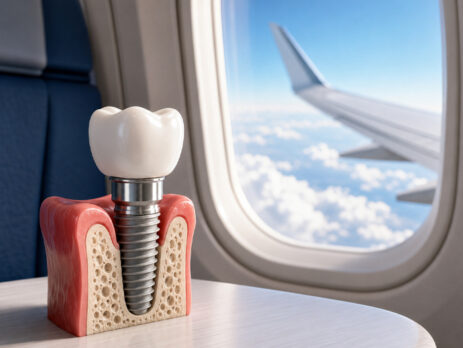
Is Air Travel Safe After an Implant? What Are the Risks?
Is Air Travel Safe After an Implant?
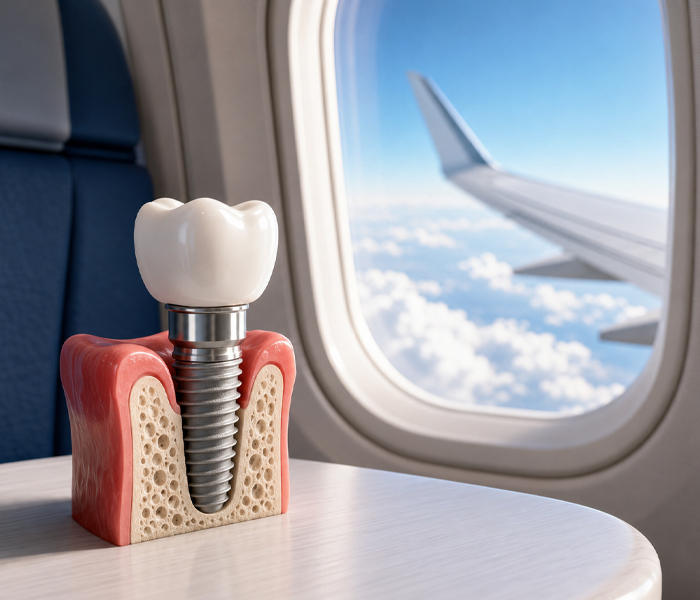
Short answer: Air travel after an implant depends on the scope of the procedure and the progress of healing. In cases of simple and uncomplicated implants, some patients may return to their daily lives within a few days; however, rushing should be avoided as the risk of swelling, sensitivity, and bleeding may be more pronounced in the first few days. If there is a sinus lift, bone graft, multiple implants, or accompanying sinus problems, the decision to fly must definitely be made after the doctor’s approval.
There is no single fixed answer to this question. This is because in implant treatment, not only the placement of the implant screw, but also the healing of the gum tissue, the process of osseointegration, any additional surgical procedures, and the patient’s general health status are important. Changes in cabin pressure during flight can increase discomfort, especially if there is sensitivity in the mouth or sinus area.
Why is Flying After an Implant Not the Same for Every Patient?
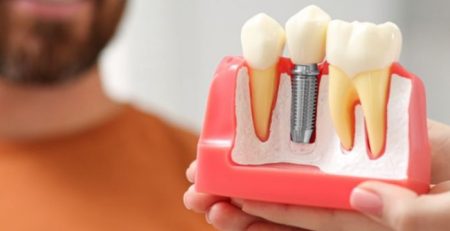
Implant placement is a minor surgical procedure; however, like any surgical procedure, it requires care during the healing period. In some patients, a single implant is placed without sutures or additional surgery. In others, due to insufficient bone, a sinus lift, bone graft, or a larger surgical area may be required. The more extensive the procedure, the higher the likelihood of experiencing problems during a flight.
Swelling and pain observed in the initial days typically decrease over time in most patients. Research indicates that post-implant swelling can be more prominent in the first 1-3 days, significant relief can be seen within approximately 4-5 days, and complaints mostly subside around day 7. Therefore, “the most suitable time to fly” is often not the first few days, but rather the period when the tissues have settled. The article Proper Care and Healing Process After Dental Implant can be a good starting point to understand this period.
What Does Cabin Pressure Affect After an Implant?
The pressure changes in an airplane cabin. This change can trigger pain in some individuals, especially if there are problems within the tooth or surrounding tissues. This condition, known as barodontalgia, is defined as tooth/jaw pain due to pressure changes. In the literature, it has been stated that physicians should warn patients about completing necessary surgical, conservative, and prosthetic procedures before being exposed to pressure changes. This approach is especially important for patients prone to pain, those with sinus involvement, or those who have undergone additional surgery.
The implant itself is not directly “damaged by pressure”; however, the surrounding soft tissues, sinus proximity, unhealed surgical areas, and existing infections can cause more symptoms during flight. Therefore, risk assessment should be based not only on the presence of the implant but also on the type of procedure performed. Publications examining the relationship between barodontalgia and air travel clearly show that pressure changes can increase dental pain. Dental tourism and the risk of barotrauma and barodontalgia and Pathophysiology of Barodontalgia: A Case Report and Review of the Literature are among the most frequently cited studies on this topic.
In Which Cases Should Flight Be Postponed?
Air travel should generally be postponed in the following situations:
- If there is active bleeding or significant leakage within the first 24–48 hours
- If swelling is rapidly increasing or there is throbbing pain
- If sinus lifting or bone grafting has been performed
- If multiple implants have been placed
- If there is an implant in the upper jaw, near the sinus area
- If sutures have just been placed and tissue closure is not complete
- If there are signs such as infection, fever, bad odor, or bad taste
- If your doctor has specifically advised a rest and follow-up period
Procedures performed especially in the posterior region of the upper jaw can be more delicate due to sinus anatomy. Melsadent’s Safe Implant with Sinus Lifting in Bone Deficiency page explains why more careful planning is required in such cases. In procedures near the sinus region, the decision to fly should be based not only on a general feeling of well-being but also on the depth of the surgery and the doctor’s control.
Why is there a Difference Between a Simple Implant and Sinus Lifting?
It is not appropriate to equate a case involving a simple implant with one involving sinus lifting. In a single, uncomplicated implant procedure, the surgical area may be more limited. In contrast, sinus lifting requires more extensive surgical preparation in the region near the sinus floor in the upper jaw. In this situation, changes in cabin pressure can increase fullness, pressure, or pain around the sinus.
Therefore, the safest approach regarding flying duration is as follows: Do not fly in simple cases before the first few days of healing have passed; and in cases involving graft or sinus surgery, do not board a plane without your doctor’s approval. This recommendation is consistent with findings in the current literature regarding pressure change risks and post-implant healing timing.
What Should Be Done Before Flying?
If flying is unavoidable, the following steps are important before your journey:
- Have your post-operative check-up.
- Use the medications prescribed by your doctor regularly.
- Do not travel before bleeding control is complete.
- Consume soft and cool foods.
- If you smoke, refrain from it at least during the healing period.
- Do not neglect oral hygiene, but do not strain the surgical area.
- Keep your prescription medications, water, and spare gauze with you.
In the first few days, it is important to avoid hot foods, rest, and protect the area from trauma. Melsadent’s article Foods to Pay Attention to After Implant Treatment explains in detail what to eat and what not to eat during this process. Furthermore, the Implant Treatment page summarizes the basic rationale and application steps of the treatment.
What to Pay Attention to During the Flight?
Very simple precautions can help reduce the sensation of pain or pressure during air travel. First, it is important to stay hydrated. Dry mouth can increase discomfort in sensitive tissues. Additionally, avoiding very hard foods, not applying pressure to the surgical area, and taking the analgesics recommended by your doctor on time can be relieving.
If you experience significant throbbing, worsening pain, or bleeding inside the cabin, do not consider it ‘normal’. These symptoms may indicate that the healing process is progressing differently than expected. In such a situation, a dental examination should be scheduled upon reaching your destination. Melsadent’s content titled Why Does Toothache Occur on a Plane? What is Barodontalgia? is useful for understanding the mechanism of pressure-induced pain.
What Symptoms Are Normal After the Flight?
After the flight, a slight fullness, a temporary feeling of pressure, or tenderness around the surgical area may be observed. These findings do not always mean a complication. However, if the pain gradually increases, swelling suddenly grows, difficulty in opening the mouth occurs, or an unusual feeling of pressure develops in the nose/sinus area, a doctor should be consulted.
The healing process after an implant varies from person to person. Factors such as age, bone structure, smoking, systemic conditions like diabetes, and the need for additional surgery affect this process. Therefore, one patient being able to fly does not mean another patient can fly at the same time. Clinical decisions should always be individualized.
What is the Safest Approach When Planning Travel After an Implant?
The safest approach is to plan your travel according to your treatment schedule. If you are going to have an implant soon and have a flight shortly after, inform your doctor before the treatment. This way, the surgery date, check-up appointment, and potential flight interval can be planned together.
If possible, it is best to leave enough time between the implant operation and the flight to allow for the initial healing period. Especially long flights, layovers, carrying luggage, insufficient rest, and jet lag can indirectly complicate healing. Therefore, not only “airplane pressure” but also general travel stress should be taken into account.
Which Content on Melsadent Can Help with This Topic?
Other related content on Melsadent may also be useful for patients reading this article:
- Implant Treatment
- Proper Care and Healing Process After Dental Implant
- Foods to Consider After Implant Treatment
- What is Sinus Lifting in Bone Deficiency?
- Frequently Asked Questions
- Useful Information
Frequently Asked Questions
Can one travel by plane immediately after an implant?
Generally, it is not recommended. It should not be rushed, as there is a higher risk of swelling, sensitivity, and bleeding in the first few days.
How many days after an implant is it safer to fly?
This period varies depending on the scope of the procedure performed. While recovery in simple cases picks up in the first few days, the waiting period may be longer for additional procedures such as sinus lifting or grafting. The final decision should be made under the supervision of the physician.
Is air travel riskier if sinus lifting has been performed?
Yes, it can be more sensitive. Doctor’s approval before the flight is important as the sinus area can be affected by cabin pressure changes.
Can I fly if there is no pain after the implant?
The absence of pain alone is not sufficient. Bleeding control, tissue closure, and overall healing should also be evaluated.
What should I do if pain starts on the plane?
If the pain increases, swelling becomes significant, or there is bleeding, do not consider it normal. Plan a dental check-up upon arrival.
Is a feeling of pressure during a flight after an implant normal?
A slight feeling of pressure may be observed in some patients; however, severe, throbbing, or progressively increasing pain is not considered normal.
Where can the most accurate information on this topic be obtained?
The most accurate information is the personal recommendation given by your treating physician based on their clinical examination and your treatment details.
Air travel after implant placement is not evaluated the same way for every patient. In simple and uncomplicated cases, a more comfortable journey may be possible after the initial days of healing; however, if there is sinus lifting, bone graft, multiple implants, significant swelling, bleeding, or proximity to the sinus, it is safer to postpone the flight. This is because the determining factor of risk is not solely the implant itself, but also the healing status of the surrounding tissues.
The most appropriate approach is to consider travel plans in conjunction with implant treatment and to definitely leave the flight decision to the physician’s clinical assessment. Relevant content on Melsadent also helps you understand both the treatment process and post-care steps.
Scientific References
Dental tourism and the risk of barotrauma and barodontalgia
Pathophysiology of Barodontalgia: A Case Report and Review of the Literature
Patients’ Perception of Recovery after Dental Implant Placement
Implant placement-associated tissue swelling