




Does Sinusitis Cause Toothache? Symptoms and Differences
Does Sinusitis Cause Toothache?
Yes, sinusitis can cause toothache. Especially the roots of the premolars and molars in the upper jaw can be anatomically quite close to the sinus cavities called the maxillary sinuses. When infection, inflammation, or increased pressure occurs in the maxillary sinuses, the nerves in this area can be affected, and a person might think the pain originates directly from their teeth.
Toothache due to sinusitis is often felt in the upper back teeth. It is more typical to feel pressure, fullness, or throbbing in several teeth simultaneously rather than just one. An increase in pain when bending the head forward, going up or down stairs, or during sudden movements can also suggest a sinus-related problem.
However, there is an important detail here: Just as sinusitis can mimic toothache, a tooth-related infection can also cause sinusitis. Especially root tip infections in the upper jaw, advanced periodontal diseases, or certain dental procedures can affect the maxillary sinus, leading to a condition called “odontogenic sinusitis.”
Therefore, making self-diagnoses such as “My tooth hurts, it must be sinusitis” or “My nose is blocked, it definitely has nothing to do with teeth” can be misleading. For a correct diagnosis, teeth, surrounding tissues, and, if necessary, the sinus area must be evaluated together.
Why Does Sinusitis Cause Toothache?
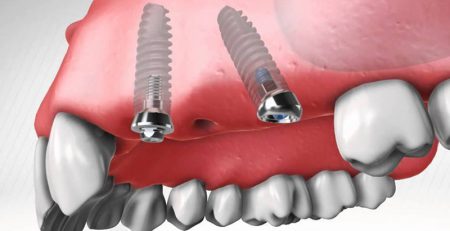
To understand sinusitis-related toothache, one must first look at the anatomical relationship between the upper jaw and the sinuses. The maxillary sinuses, located on both sides of the nasal cavity, are air-filled spaces within the facial bones. The floor of the maxillary sinuses is quite close to the posterior teeth in the upper jaw.
In some individuals, there may be only a thin layer of bone between the root tips of the upper premolars and molars and the sinus floor. In fact, due to anatomical variations, some roots may appear very close to the sinus cavity.
During sinusitis, the mucous tissue lining the sinuses can swell, drainage within the sinus can be impaired, and pressure can increase. This pressure and inflammation can affect the shared nerve pathways with the nerves of the teeth in the upper jaw. When the brain struggles to distinguish precisely which tissue the pain originates from, the person may feel the pain in their tooth. This can be called a referred pain mechanism.
Sinusitis as a source of dental pain has long been described in scientific literature. The study titled “Sinusitis as a source of dental pain” published on PubMed also draws attention to the fact that sinusitis should be considered as one of the possible causes for pain occurring particularly in the upper posterior teeth.
Which Teeth Are Most Affected by Sinusitis Pain?
Dental pain caused by sinusitis is often felt in the teeth in the posterior region of the upper jaw. The main reason for this is the anatomical proximity of the maxillary sinus floor to the roots of these teeth.
Specifically, pain may be felt in the following areas:
- Upper first premolars,
- upper second premolars,
- upper first molars,
- upper second molars,
- more posterior upper molars, depending on the person’s anatomy.
Where the pain is felt can vary from person to person. The distance between the sinus floor and tooth roots is not the same for everyone.
In sinusitis, it can often be difficult to pinpoint a single, specific tooth. Patients sometimes describe it as, “All my upper teeth hurt” or “I can’t tell which tooth it is.” In a true tooth infection, however, the problematic tooth can be more easily localized in some cases.
However, this distinction is not always definitive. Tooth-related infections can also cause widespread or referred pain. Therefore, a definitive diagnosis should not be made solely based on the location of the pain.
How to Identify Sinus-Related Toothache?
Sinus pain and true tooth pain can be quite similar. Nevertheless, the presence of certain accompanying symptoms can increase the likelihood of sinus-related pain.
In toothache due to sinusitis, there is often a feeling of pressure or throbbing in multiple teeth in the upper posterior region. This may be accompanied by complaints such as nasal congestion, a feeling of fullness in the face, pressure in the cheeks, post-nasal drip, runny nose, reduced sense of smell, or headache.
A noticeable increase in pressure in the cheeks and upper teeth, especially when bending the head forward, can be significant. The change in pressure within the sinus cavities may be felt more distinctly with these movements.
Findings that may suggest the possibility of sinusitis include:
- Pain or sensitivity in multiple upper teeth simultaneously,
- feeling of pressure in the cheek and under-eye area,
- nasal congestion,
- nasal or post-nasal drip,
- worsening of facial and tooth pain when bending forward,
- a recent upper respiratory tract infection,
- feeling of fullness in the head and face area,
- changes in the sense of smell.
None of these symptoms alone definitively diagnose sinusitis. Especially in cases of severe or prolonged toothaches, dental causes must be ruled out.
What is the Difference Between Sinusitis Pain and True Toothache?
Distinguishing between sinus pain and tooth-related pain can sometimes be quite difficult for patients. In fact, it may not always be possible to definitively differentiate the two conditions without a clinical evaluation.
| Symptom | Sinusitis-Related Pain | Tooth-Related Pain |
|---|---|---|
| Location of Pain | Often felt diffusely in several upper back teeth | In some cases, it may be more intense in a specific tooth |
| Nasal Congestion | Can often accompany it | Generally not expected |
| Facial Pressure | Can be seen in the cheeks and under the eyes | Less typical, apart from localized swelling due to tooth infection |
| Bending Forward | Can increase pain or pressure | Generally, it does not cause significant changes |
| Hot-cold sensitivity | Not a typical symptom | May be pronounced in pulp problems |
| Chewing pain | Can be felt due to pressure | Commonly observed in cracks, root tip infections, or periodontal problems |
| Pointing out a single tooth | Difficult most of the time | In some cases, the patient can identify the problematic tooth |
This table is only a general comparison. A definitive diagnosis should not be made based on the characteristics of the pain. Cavities, pulp inflammation, root tip infection, cracked tooth, gum disease, and sinusitis can cause pain in similar areas.
To examine other causes of toothache in detail, Melsadent’s content on How to Relieve Toothache? The Most Effective and Fastest Solutions can also be reviewed.
Can Sinusitis Cause Pain in a Single Tooth?
Sinusitis usually tends to create a widespread sensitivity in multiple upper teeth. However, pain felt more intensely in a single tooth does not completely rule out sinusitis.
The more important point is that if there is persistent, throbbing, night-worsening, pain aggravated by hot or cold, or sharp pain during chewing in a single tooth, a real dental problem should also be strongly evaluated.
It may not be correct to attribute pain, especially that which appears in a tooth with a large cavity, an old filling, a crack, trauma, or a previously performed root canal treatment, solely to sinusitis.
Does Sinusitis Cause Pressure and Throbbing in Teeth?
Yes. Increased pressure in the maxillary sinuses can cause sensations such as heaviness, fullness, aching, or throbbing in the upper teeth. Some patients may describe this as “my teeth feel elongated,” “my upper jaw feels full,” or “pressure is being applied to several of my teeth simultaneously.”
However, if severe throbbing is concentrated especially in a single tooth, pulp or periapical infections should also be investigated.
If the pulp tissue inside the tooth is infected or irreversibly damaged, endodontic procedures such as root canal treatment may need to be considered. Therefore, the presence of sinus complaints does not eliminate the need for a dental examination.
Can Sinusitis Cause Lower Tooth Pain?
Sinusitis-related dental pain is primarily expected in the upper jaw teeth due to the anatomical relationship. Since lower jaw teeth are not directly adjacent to the maxillary sinuses, it is less typical for lower tooth pain to originate from sinusitis.
If there is pain in the lower teeth, causes such as cavities, gum problems, teeth grinding (bruxism), temporomandibular joint (TMJ) issues, impacted teeth, pulp diseases, or other referred pain sources should be evaluated.
Can a Tooth Infection Cause Sinusitis?
Yes. The relationship is not only that sinusitis causes toothache. Some upper jaw tooth infections can also lead to maxillary sinusitis. This condition, which develops from dental sources, is called “odontogenic sinusitis” or “odontogenic maxillary sinusitis.”
Root end infections, advanced periodontal diseases, oroantral communications, and some dental procedures can affect the sinus area. Especially if sinusitis repeatedly recurs on the same side or persists despite standard sinusitis treatments, investigating dental sources may become important.
According to an international multidisciplinary consensus study, the accurate diagnosis of odontogenic sinusitis often requires both an ear, nose, and throat (ENT) and a dental evaluation. The scientific consensus on this topic is discussed in detail in the odontogenic sinusitis diagnosis consensus on PubMed.
For more information on the symptoms of dental infections and the necessity of professional treatment, Melsadent’s guide Can a Tooth Abscess Go Away on Its Own? can be reviewed.
What is Odontogenic Sinusitis?
Odontogenic sinusitis is a type of sinusitis where the infection or inflammation in the maxillary sinus is associated with a dental problem. Unlike classic rhinologic sinusitis, treating only the sinuses may not be sufficient in some patients; the underlying dental source may also need to be eliminated.
A comprehensive scientific review published in 2022 states that odontogenic sinusitis can differ from other rhinosinusitis types in terms of its clinical features, microbiology, diagnosis, and treatment approach. The relevant study can be reviewed via PubMed.
Especially in cases of unilateral maxillary sinusitis, findings of dental infection on the same side, foul-smelling discharge, or recurrent sinus problems despite treatment, odontogenic causes may be included in the physician’s differential diagnosis.
How Close Are Tooth Roots to the Sinuses?
The distance between the roots of the upper jaw’s posterior teeth and the maxillary sinus can vary significantly from person to person. While some individuals have a thick bone layer, in others, the root tips may be quite close to the sinus floor.
This anatomical proximity can create a basis for sinus diseases to be felt in the teeth, and for some dental diseases to affect sinus tissues.
Therefore, when necessary, in addition to two-dimensional dental radiographs, three-dimensional imaging methods can also assist in evaluating the anatomical relationship. One of the current scientific reviews examining the evaluation of odontogenic maxillary sinusitis with imaging methods is a PubMed study from the Journal of Endodontics.
To get information about Melsadent’s digital systems and three-dimensional imaging approach, the Digital Dentistry page can be reviewed.
Can Root Canal Treatment Be Performed on a Tooth While Sinusitis is Present?
First, the actual source of the pain needs to be determined. If the tooth is vital, healthy, and the primary cause of the pain is pressure in the sinuses, performing root canal treatment merely because of the presence of pain is not a correct approach.
Conversely, if pulp infection, necrosis, or an apical lesion is detected in the tooth during examination and radiographic evaluation, dental treatment may be necessary. In fact, in some patients, this dental problem may be the contributing source to the development of sinusitis.
Therefore, the decision for root canal treatment is not made solely based on the area where the patient describes the pain. The tooth’s vitality status, percussion and palpation findings, caries or restoration status, and radiographic findings are evaluated together.
Can Unnecessary Treatment Be Performed on a Healthy Tooth Due to Sinusitis?
Theoretically, confusing sinus-related pain with actual tooth pain can increase the risk of intervening on the wrong tooth. Therefore, comprehensive differential diagnosis is important for unexplained upper jaw pain.
In scientific literature, it is emphasized that sinusitis should be considered among the possible causes of pain, especially in patients with upper back tooth pain when no dental source is found.
Similarly, it is problematic to overlook a genuine tooth infection by simply stating “It’s sinusitis”. The safest approach is to verify the source of the pain with clinical tests and necessary imaging methods.
How Many Days Does Sinus-Related Toothache Last?
The duration of sinusitis-related toothache depends on the cause, severity, and duration of the sinusitis. As inflammation and pressure in the sinuses decrease, the pain felt in the dental area can also be expected to subside.
However, if toothache continues for days, progressively worsens, or persists even after sinus symptoms resolve, a dental evaluation is important.
Especially in the following situations, the pain should not be attributed solely to sinusitis:
- Increasingly severe pain in a single tooth,
- throbbing pain that awakens you from sleep at night,
- prolonged sensitivity to hot or cold,
- sharp pain when chewing or pressing on the tooth,
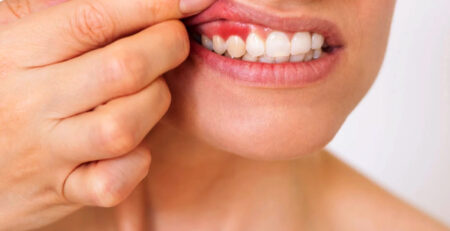
- swelling or an abscess-like formation in the gum,
- noticeable facial swelling,
- presence of a fracture or a large cavity in the tooth.
How Does Sinus-Related Toothache Go Away?
In sinus-related toothache, the primary approach is to identify the underlying cause, not just the pain itself. If the pain is indeed due to sinusitis, the pressure felt in the teeth usually decreases as the sinus problem improves.
However, whether sinusitis has developed due to a viral, bacterial, allergic, or another reason can alter the treatment approach. Therefore, it is not appropriate to use antibiotics, nasal sprays, or other medications indiscriminately.
Since pain relievers can also have risks depending on the person’s age, existing illnesses, pregnancy status, and other medications they are using, the advice of a physician or pharmacist should be taken into consideration.
If a dental cause is detected during a dental examination, fillings, endodontic treatment, periodontal treatment, or other necessary dental procedures may be planned. If the problem is related to a more complex dental infection or surgical condition, an evaluation in Melsadent’s Oral, Dental, and Maxillofacial Surgery field may be required.
Does Antibiotics Relieve Toothache Caused by Sinusitis?
Not every sinusitis requires antibiotics. Especially in cases of sinus complaints associated with viral upper respiratory tract infections, antibiotic use may not be necessary.
Similarly, for toothaches, antibiotics are not a treatment that automatically eliminates the cause of the pain. In problems stemming from pulp infection or the root canal system, treatment directed at the tooth itself may be necessary.
In odontogenic sinusitis, even if temporary improvement occurs with antibiotics alone, complaints may recur if the source of the dental infection is not eliminated.
The multidisciplinary consensus formed regarding the treatment of odontogenic sinusitis emphasizes the importance of common treatment planning based on the patient’s dental and ENT findings. The relevant scientific study can be reviewed in the odontogenic sinusitis treatment consensus published on PubMed.
How Does a Dentist Determine if it’s Sinusitis or a Tooth Infection?
The dentist first evaluates when the patient’s pain started, in which area it is felt, and under what conditions it increases.
Subsequently, signs of decay, cracks, old restorations, periodontal problems, or infection can be investigated in suspicious teeth. Necessary clinical tests can be applied to evaluate the vitality of the tooth and the tissues around the root.
Dental radiographs can help assess infection, bone loss, or other problems at the root tips. In some complex cases, three-dimensional imaging methods can provide a more detailed examination of the relationship between tooth roots and the maxillary sinus.
If no cause for pain is found during a dental examination and the patient has clear sinus symptoms, an ear, nose, and throat (ENT) evaluation may be necessary.
Conversely, if sinusitis is consistently found on the same side and imaging shows suspicion of disease in the upper jaw teeth, dental evaluation is particularly important.
Why Might a Dentist and ENT Specialist Evaluate Odontogenic Sinusitis Together?
Due to odontogenic sinusitis involving two different anatomical regions, a multidisciplinary approach may be required in some patients.
While the ENT specialist evaluates active inflammation and drainage problems in the sinuses, the dentist investigates the possible dental source of infection. This collaboration is particularly emphasized in international consensus studies for the correct diagnosis and management of odontogenic sinusitis.
If the source of the sinus problem is dental, merely suppressing sinus symptoms may not be sufficient in the long term. Similarly, in some cases with severe or chronic sinus disease, dental treatment alone may not solve the entire problem.
Can Unilateral Sinusitis Be of Dental Origin?
Yes. Especially in cases of recurrent sinusitis affecting only the right or only the left maxillary sinus, it is important to evaluate dental sources as well.
Scientific studies on odontogenic sinusitis report that this condition can frequently be observed unilaterally. However, not every unilateral sinusitis is caused by a tooth, and a definitive diagnosis should be made based on examination and imaging.
A comprehensive review published in 2020 states that odontogenic maxillary sinusitis can be associated with dental infections and certain dental procedures, and that dental-ENT collaboration is important for proper management. The study can be accessed via PubMed.
What to Do if Toothache Persists Even After Sinusitis Has Resolved?
If pain persists in the same tooth or region even after sinus symptoms have improved, the possibility of a dental origin should be re-evaluated.
Especially if there is sensitivity to hot or cold, pain while chewing, throbbing at night, gum swelling, or pain when a specific tooth is pressed, a dental examination should not be delayed.
Sometimes sinusitis and a dental problem can coexist. In such cases, the reduction of sinus complaints does not mean that the existing dental problem has disappeared.
Is Tooth Sensitivity After Sinusitis Normal?
During pressure and inflammation in the sinuses, temporary sensitivity may be felt in the upper teeth. This sensitivity can be expected to decrease as the sinusitis improves.
However, if the sensitivity persists, intensifies in a single tooth, or is distinctly triggered by hot or cold, decay, cracks, pulpal disease, or other dental causes should be investigated.
When Should a Doctor Be Consulted for Toothache?
Even if toothache is brief and mild, if it recurs, it is beneficial to determine its cause. Especially if the pain does not subside within a few days or progressively worsens, evaluation should not be delayed.
If there is severe facial swelling, high fever, significant difficulty opening the mouth, difficulty swallowing or breathing, prominent swelling around the eyes, changes in vision, rapidly progressing signs of infection, or a serious deterioration in general condition, immediate medical evaluation is required.
If you have difficulty understanding whether your toothache is caused by sinusitis or a dental problem, a clinical and necessary radiographic evaluation can be performed at Melsadent Oral and Dental Health Polyclinic. To make an appointment, you can use the Melsadent Online Appointment page.
Frequently Asked Questions About Sinusitis Toothache
Can sinusitis really cause toothache?
Yes. Especially inflammation and pressure in the maxillary sinuses can be felt as pain or sensitivity in the upper back teeth.
Which teeth hurt with sinusitis?
The upper premolars and molars are most commonly affected. This is because the roots of these teeth are close to the maxillary sinus.
Does sinusitis cause pain in all teeth?
Generally, it affects the back teeth, especially in the upper jaw, rather than all teeth in the mouth. Pressure or throbbing may be felt in several teeth simultaneously.
Can sinusitis cause pain in a single tooth?
It can, but widespread pain in several teeth is more typical. If there is noticeable and persistent pain in a single tooth, a dental problem must be investigated.
Does sinusitis cause throbbing in teeth?
Sinus pressure can create a throbbing or pressure-like sensation in some individuals. However, strong and localized throbbing in a single tooth can also be seen in pulp or root infections.
Does sinusitis affect tooth roots?
Sinusitis generally does not directly infect healthy tooth roots. However, inflammation in the sinus floor can create a sensation of pain in nearby areas. On the other hand, dental infections can spread to the sinus in some cases.
Does sinusitis cause pain in lower jaw teeth?
Pain in the lower teeth due to sinusitis is less typical because lower jaw teeth do not have a direct anatomical proximity to the maxillary sinus.
Why does my tooth hurt when I bend forward?
Increased pressure in the face and upper teeth when bending forward may be related to a maxillary sinus problem. However, this symptom alone is not diagnostic.
Can a toothache caused by sinusitis be seen on an X-ray?
Dental radiographs help investigate tooth-related infections. In some cases, three-dimensional imaging can show the relationship between tooth roots and the sinus floor in more detail.
Does tooth pain also go away when sinusitis resolves?
If the pain is truly sinus-related, the dental pain can be expected to subside as sinus pressure and inflammation decrease. Persistent pain requires a dental examination.
Can a tooth infection cause sinusitis?
Yes. Especially root tip infections in the upper jaw and certain dental problems can cause odontogenic maxillary sinusitis.
Does odontogenic sinusitis go away on its own?
If the underlying dental infection persists, a mere reduction in symptoms may not mean permanent healing. The dental source needs to be professionally evaluated.
Can root canal treatment be performed while having sinusitis?
If there is indeed a problem in the tooth that requires root canal treatment, treatment can be planned. However, a healthy tooth that only has referred pain originating from sinusitis does not require root canal treatment.
How to tell if it’s sinusitis or a tooth abscess?
In a tooth abscess, pain in a specific tooth, sensitivity to chewing, gum swelling, or signs of local infection may be more pronounced. In sinusitis, however, nasal congestion, pressure in the face, and widespread sensitivity in multiple upper teeth may be observed. A definitive distinction should be made with an examination.
For toothache, should one go to a dentist or an ENT specialist first?
If there is a noticeable toothache, a dentist is one of the appropriate starting points for evaluating dental causes. If nasal congestion, postnasal drip, and prominent sinus complaints are dominant, an ENT evaluation may also be necessary. In cases of suspected odontogenic sinusitis, evaluation by both specialties may be required.
Why is Accurate Diagnosis Important in Sinusitis and Toothache?
The relationship between sinusitis and toothache is twofold. While inflammation developing in the sinuses can cause pain to be felt in the upper teeth, some tooth infections in the upper jaw can also affect the maxillary sinus.
Therefore, instead of deciding based solely on the location of the pain, the duration of the pain, its character, accompanying nasal and sinus symptoms, the clinical condition of the teeth, and imaging findings should be evaluated together.
Particularly, a feeling of pressure, nasal congestion, and facial fullness starting simultaneously in multiple upper teeth may suggest pain originating from the sinuses. In contrast, pronounced hot-cold sensitivity, night pain, chewing sensitivity, or gum swelling evident in a single tooth may make a dental problem more likely.
Since the symptoms are similar, the safest approach is to make a definitive diagnosis through a professional examination. At Melsadent Oral and Dental Health Polyclinic, the possible causes of toothache can be examined with clinical and necessary radiographic evaluations, and appropriate treatment options can be planned specifically for each person.
Scientific Sources
- Jacobsen PL, Casagrande AM. Sinusitis as a source of dental pain.
- Craig JR et al. Diagnosing odontogenic sinusitis: An international multidisciplinary consensus statement.
- Craig JR et al. Management of odontogenic sinusitis: multidisciplinary consensus statement.
- Craig JR. Odontogenic sinusitis: A state-of-the-art review.
- Diagnosis of Odontogenic Maxillary Sinusitis by Cone-beam Computed Tomography: A Critical Review.
- Odontogenic sinusitis: causes, symptoms and treatment. A review of current literature and concepts.