What Happens If a Retainer Is Not Used After Invisalign?
What Happens If a Retainer is Not Used After Invisalign?
When Invisalign treatment is completed, many patients wonder, “My teeth are straight now, do I still need to wear a retainer?” However, one of the unseen but most critical stages of orthodontic treatment is the retention period. For the aesthetic and functional results achieved with clear aligners to be preserved long-term, the teeth’s new positions must be stabilized. This stabilization is typically provided by protective appliances known as retainers.
When a retainer is not used, teeth do not immediately return completely to their old positions; however, over time, they can slowly shift back to their original positions. This condition is referred to as relapse in orthodontics. Relapse can be more pronounced, especially in the first few months of treatment. This is because the ligamentous tissues surrounding the teeth, bone structure, and muscle balance have not yet fully adapted to the new position.
Therefore, the use of a retainer after Invisalign is not an “optional” continuation of the treatment, but often a crucial stage that determines its permanence. At Melsadent, the clear aligner process and post-treatment retainer use are considered a comprehensive whole requiring separate planning.
Why is a Retainer So Important?
Teeth are not aligned for aesthetic reasons alone; chewing balance, occlusal relationship, speech comfort, and oral hygiene are also part of this treatment. However, teeth need to be supported until their new positions are biologically stabilized. A retainer helps prevent teeth from returning to their old memory by providing this support.
After orthodontic treatment is completed, there are many natural forces that can move the teeth: lip and cheek pressure, tongue pressure, nighttime clenching habits, biting forces, growth changes, and the remodeling process of the tissues around the gums. A retainer reduces the effect of these forces and ensures the results are maintained for a longer period.
Even a very small shift, especially in the front teeth, can affect the aesthetics of a smile. Even a few millimeters of rotation, overlapping, spacing, or slight crowding can disrupt the clear appearance the patient expects from the treatment. Therefore, the retainer is seen as the final barrier preserving the aesthetic gain.
What Kind of Changes Can Occur in Teeth If a Retainer Is Not Worn?
The most common problem when a retainer is not used is the gradual shifting of teeth. This change sometimes starts very subtly; the patient may not notice it initially. However, over time, small shifts can grow, and old irregularities may become visible again.
The most common possible outcomes are:
- Recurrence of crowding in teeth
- Rotation or tilting of the front teeth
- Reappearance of gaps between teeth
- Small but bothersome changes in the bite
- Crowding and irregularity in the lower front teeth
- Feeling of asymmetry in the smile line
The severity of these changes is not the same in every patient. The level of crowding before treatment, age, jaw structure, teeth grinding habit, and retainer compliance directly affect the outcome. While some patients may experience noticeable shifts within a few weeks, in others, the change progresses more slowly. However, the common point is this: stability weakens without protection.
Why Does Relapse Occur?
There isn’t a single reason for relapse. Although teeth are moved to their new positions after orthodontic treatment, the surrounding tissues do not adapt at the same speed. The periodontal fibers surrounding the teeth, the structures around the tooth root, and the gums may act as if “remembering” the old arrangement. This creates a tendency for the teeth to shift back to their old positions.
The main factors that can increase relapse are:
- Not using a retainer or using it inconsistently
- Breakage, loosening, or loss of the retainer
- Nighttime teeth clenching and grinding habit
- Habits such as tongue thrusting
- Growth and age-related jaw changes
- Severe crowding or spacing issues before treatment
Therefore, the “wear it, then stop” approach often given at the end of treatment is usually not correct. Your orthodontist’s recommended usage schedule is planned according to the stability of your teeth and is personalized.
When Is the Riskiest Period?
When a retainer is not used, the most critical period is usually the first few months after treatment. This is because the adaptation process of the tissues around the teeth to their new position continues during this period. Not wearing a retainer during this time creates the most favorable ground for the teeth to shift again.
However, the risk is not limited to the first few months. Small shifts can also occur in the long term. For this reason, for some patients, retainer use is planned not for a short period, but to continue for many years. Even in patients with fixed retainers, regular check-ups remain important.
In short, the success of Invisalign treatment is completed not only by the correct use of the aligners but also by maintaining the post-treatment retention discipline.
What Are the Types of Retainers?
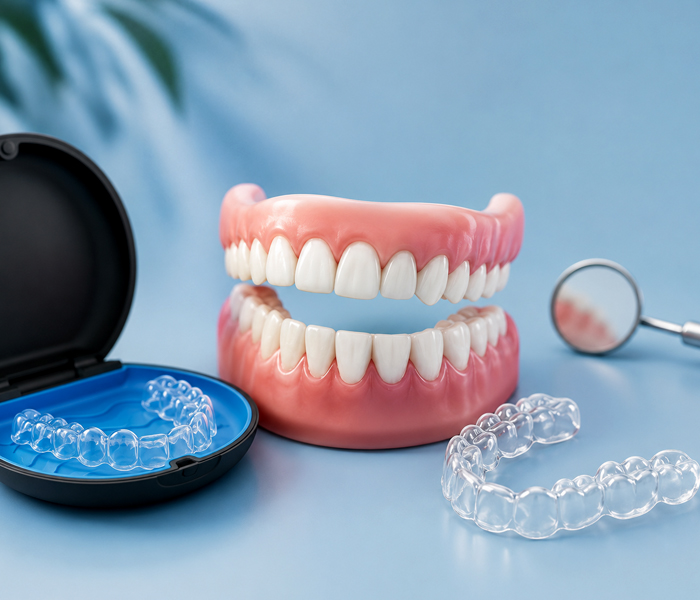
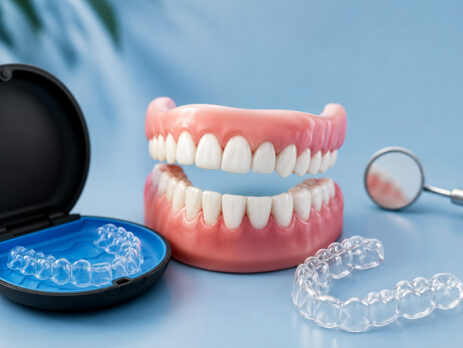
Retainers used after Invisalign are generally divided into two main groups: removable retainers and fixed retainers.
1) Removable Retainer
These types of retainers are clear appliances that the patient can insert and remove. They are often preferred because they are invisible, generally have very little effect on speech, and provide ease of hygiene. However, their biggest advantage is also their biggest challenge: they must be used regularly.
If the removable retainer is not worn sufficiently, its protective effect decreases. Therefore, patient compliance is very important. The frequency and duration of use should be determined according to the orthodontist’s plan.
2) Fixed Retainer
Fixed retainers are thin wires usually placed on the back surface of the front teeth. They cannot be removed by the patient and provide continuous retention. They may be preferred especially in cases where there is a high risk of relapse of crowding in the lower front teeth.
However, fixed retainers also require maintenance. Situations such as loosening of the wire, detachment of the adhesive, or accumulation of dental calculus require checking. Therefore, the need for check-ups does not disappear just because a fixed retainer is placed.
Is It Immediately Visible If a Retainer Is Not Worn?
It is not always immediately noticeable. In the first few days or weeks, you may not see a significant difference when you look in the mirror. However, tooth movement often starts in millimeters. These small changes accumulate over time to become more visible.
Even a very slight rotation, especially in the front teeth, can be noticed in photographs, in the smile line, and in the occlusal contacts of the teeth. Some patients describe this as “my teeth feel like they’re starting to crowd” or “a slight gap has opened.” This is where early intervention becomes important.
What Should Be Done If a Retainer Is Not Worn?
If you haven’t worn your retainer for a while, you should contact your orthodontist without panicking, but without delay. This is because slight tooth movements can be more easily controlled in the early stages. The retainer can be re-fitted, a new retainer can be prepared, or a short corrective treatment can be planned if necessary.
The most significant mistake here is to wait, thinking “nothing happened.” As the waiting period lengthens, the likelihood of the shift becoming permanent increases. It is also incorrect to try and force an old retainer if it no longer fits. This can create pressure on the teeth and cause irritation.
How to Maintain Long-Term Retention After Invisalign?
For lasting results, simply wearing a retainer is not enough; oral hygiene habits must also be regular. For successful stabilization after clear aligner treatment, the following habits are important:
- Following the usage hours provided by the orthodontist
- Cleaning the retainer regularly
- Not missing control appointments
- Reporting if there is nighttime teeth grinding
- Not continuing to use a worn or broken retainer
- Maintaining a high level of oral hygiene
This simple but consistent approach helps maintain the aesthetic outcome achieved at the end of treatment for many years. Especially in adult patients, the discipline of using retainers can sometimes be challenging due to the pace of work and social life. However, this discipline is essential for preserving the aesthetic investment.
Who Should Pay More Attention to Retainer Use?
Retention is important for every patient; however, it is even more critical in some groups. For example, patients who experienced severe crowding before treatment, cases where tooth gaps were closed, teeth that underwent rotation correction, those with crowding in the lower front region, and patients with teeth clenching habits should be monitored more closely.
Furthermore, in growing adolescents, the need for a retainer may change periodically as the jaw and tooth structure continue to develop. In adults, the tendency for teeth to return to their old positions does not completely disappear; therefore, long-term retention is often necessary.
How is the Post-Invisalign Process Managed at Melsadent?
At Melsadent, orthodontic treatment is not seen as limited to the production of aligners. Maintaining post-treatment stability is also part of the plan. The patient’s bite, tooth alignment, lifestyle habits, and usage pattern are evaluated together. Thus, the type of retainer and its frequency of use are determined individually.
To get more information about clear aligner treatment and the retainer process, you can review the relevant pages:
- Retention Treatment After Clear Aligners
- Does Clear Aligner (Invisalign) Treatment Really Work?
- 2026 Clear Aligner (Invisalign) Prices
- Braces Treatment – Orthodontic Treatment
- What is Wireless Orthodontics (Clear Aligner)?
- Contact
- Online Appointment
Scientific Basis
The following publications are among highly authoritative sources explaining why retainer use is important after orthodontic treatment and the risk of relapse after treatment:
- Cochrane Library – Retention procedures for stabilising tooth position after treatment with orthodontic braces (2023)
- PubMed – Teeth movement 12 years after orthodontic treatment with and without retainer (2020)
- PubMed – Orthodontic retention: a systematic review (2006)
- PMC – Orthodontic Retainers—A Critical Review (2023)
Frequently Asked Questions
If I don’t wear my retainer after Invisalign, will my teeth shift immediately?
The situation is different for each patient. Teeth usually move slowly over time, not all at once. However, not using a retainer increases the risk of relapse and can lead to small shifts becoming permanent.
What happens if I forget to wear my retainer for a few days?
Short-term interruptions may not immediately cause a big change; however, you might feel tightness, slight pressure, or a sensation that the retainer doesn’t fit properly. In this situation, you should consult your orthodontist without forcing the retainer.
Is a retainer worn for life?
This depends on the patient and the treatment plan. While some patients require intensive use for a certain period, long-term or even very long-term retention may be recommended in some cases. The final decision is based on orthodontic evaluation.
Do I still need check-ups if I have a fixed retainer?
Yes. Even if a fixed retainer is in place, the wire can loosen, the adhesive can break, or calculus can accumulate. Therefore, regular check-ups are important for the safety of the treatment.
Does a retainer affect speech?
When first worn, there might be a short adjustment period. Most patients adapt within a few days. For removable retainers, this period is usually short.
How is a retainer cleaned?
The retainer should be gently cleaned with a toothbrush and appropriate cleaning recommendations. Hot water is not recommended as it can damage the material. The cleaning method may vary depending on the type of retainer used.
What should I do if my retainer is lost?
You should contact the clinic as soon as possible. A new impression may need to be taken quickly or a backup plan made to prevent teeth from shifting.
Is a retainer necessary after Invisalign treatment?
In most cases, yes. Because the goal of the treatment is not only to straighten the teeth but also to be able to maintain this result. The retainer is the essential step that provides this protection.
Not using a retainer after Invisalign can lead to the deterioration of the aesthetic and functional results obtained over time. Teeth may struggle to maintain their new positions gained through treatment on their own for a long time. Therefore, a retainer is not just a simple accessory, but the continuation of orthodontic success.
If you also want your clear aligner treatment to be permanent, you should not neglect retainer use and should have your check-ups regularly. At Melsadent, this process is planned as a natural continuation of the treatment and is followed up in a personalized manner.
Taking the post-treatment step seriously is as important as the treatment itself for preserving your smile.