How to Use Dental Floss? Step-by-Step Correct Dental Floss Usage
How to Use Dental Floss?
Brushing your teeth alone is often not enough to maintain oral and dental health. Plaque accumulated in areas that a toothbrush cannot reach can, over time, lead to problems such as cavities, gum diseases, and bad breath. This is where the use of dental floss becomes very important. When used with the correct technique, dental floss effectively cleans food debris and plaque between teeth, helping to maintain oral health.
Although many people find using dental floss difficult or unnecessary, regular use can significantly reduce gum problems. For individuals experiencing gum bleeding, bad breath, and interdental cavities, dental floss usage is particularly important.
What is Dental Floss?
Dental floss is a thin, specially designed oral care product used to clean hard-to-reach areas between teeth. Dental floss, available in waxed, unwaxed, flavored, or special orthodontic varieties, helps to remove plaque formed on tooth surfaces.
While a toothbrush cleans the visible surfaces of teeth, dental floss provides more comprehensive oral care by cleaning bacteria accumulated specifically in interdental areas.
Why is Dental Floss Usage Important?
Food debris left between teeth causes bacteria to multiply over time. These bacteria increase plaque formation and can lead to tartar formation over time. Through regular flossing:
- Plaque between teeth is cleaned
- Risk of gum inflammation decreases
- Bad breath can be prevented
- Interproximal cavities can be prevented
- Gum recession can be reduced
- A healthier and more aesthetic smile can be achieved
Especially for individuals experiencing gum sensitivity, regular flossing can provide significant long-term benefits.
How to Use Dental Floss? Step-by-Step Guide
It is very important to use dental floss with the correct technique. Incorrect use can harm the gums or may not provide adequate cleaning.
1. Cut an Adequate Length of Dental Floss
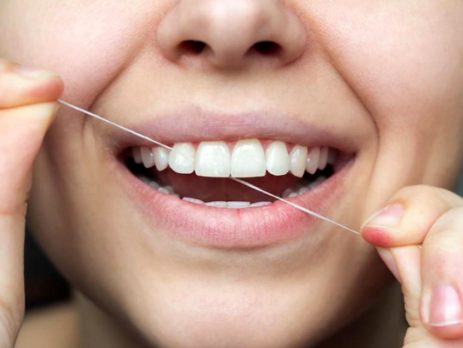
Approximately 40-45 centimeters of dental floss should be taken. The majority of the floss is wrapped around the middle fingers, leaving a short section for control.
2. Control the Floss with Your Fingers
Approximately 2-3 centimeters of the floss should be controlled with the help of the thumb and index finger.
3. Gently Insert Between Teeth
Dental floss should not be pressed forcefully. It should be gently slid between the teeth with slight back-and-forth movements.
4. Form a C-Shape
The dental floss should be curved into a “C” shape, leaning against the tooth surface. This way, the tooth surface can be cleaned effectively.
5. Move Up and Down
Gently go beneath the gum line and clean plaque with up-and-down movements.
6. Use a Clean Section for Each Tooth
Using a clean section of floss for each tooth gap is important for hygiene.
Mistakes Made When Using Dental Floss
Some mistakes made in dental floss usage can harm oral health. The most common mistakes are:
- Applying harsh pressure to the gums
- Continuously using the same section of floss
- Moving too quickly
- Not cleaning the gum line
- Only using dental floss when food gets stuck
Dental floss, when used regularly and with the correct technique, is very effective in protecting gum health.
When Should Dental Floss Be Used?
Dental floss should generally be used at least once a day. Experts particularly recommend using dental floss before going to bed at night. Cleaning plaque and bacteria accumulated throughout the day helps reduce bacterial formation in the mouth overnight.
Although there are different opinions on whether to use it before or after brushing, regular use is what matters.
Does Dental Floss Usage Cause Gum Bleeding?
Individuals new to using dental floss may experience slight gum bleeding in the first few days. The main reason for this is existing inflammation in the gums. After regular use, bleeding usually subsides within a few days.
However, if severe or prolonged bleeding occurs, a dentist must be consulted. This is because it could be a symptom of gum disease.
Dental Floss Usage in Orthodontic Treatment
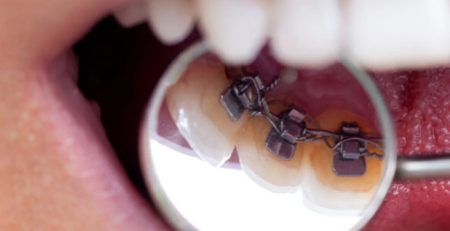
For individuals undergoing brace treatment, dental floss usage is even more crucial. Food accumulated between brackets and wires can make oral hygiene challenging. Therefore, special orthodontic floss or floss threaders can be used.
White spots, cavities, and gum problems can occur during orthodontic treatment if regular oral hygiene is not maintained.
Which Dental Floss is Better?
The choice of dental floss can vary according to a person’s tooth structure. Generally:
- Waxed dental floss glides more easily
- Unwaxed dental floss can provide a more thorough cleaning
- Thick dental floss is suitable for wide tooth gaps
- Thin dental floss is preferred for tight tooth structures
- Super floss products are ideal for orthodontic use
For the most appropriate dental floss choice, a dentist’s recommendation should be considered.
Dental Floss or Interdental Brush?
This question is asked quite frequently. Dental floss and interdental brushes can be used for different needs. While dental floss may be more effective in very narrow tooth gaps, an interdental brush may yield better results in wider spaces.
Interdental brushes may also be recommended for individuals with implants, bridges, or undergoing orthodontic treatment.
The Effect of Dental Floss Use on Bad Breath
One of the most important causes of bad breath is bacteria accumulated between teeth. Regular use of dental floss can help remove these bacteria, leading to fresher breath.
Especially in cases of bad breath that persists despite only brushing, using dental floss can make a significant difference.
Can Children Use Dental Floss?
Yes, children can also use dental floss. Especially during periods when teeth are in contact with each other, dental floss use may be recommended for children. However, parental support is important for younger age groups.
Instilling oral hygiene habits in children at an early age can positively impact their dental health in later years.
How Long Should Dental Floss Be Used For?
Proper flossing usually takes a few minutes. All spaces between teeth must be cleaned carefully. Rushed applications may not provide sufficient hygiene.
Expert Advice on Flossing
- Floss at least once a day
- Apply dental floss with gentle movements
- If there is bleeding, do not stop using it
- Do not neglect regular dental check-ups
- Use together with a toothbrush and mouthwash
Flossing is an important part of the oral care routine for healthy teeth and gums. Dental floss, which cleans areas that a toothbrush cannot reach, can help prevent cavities, bad breath, and gum diseases.
By using dental floss with the correct technique and regularly, it is possible to achieve a healthier, cleaner, and more aesthetic smile. It is recommended that you definitely include dental floss in your daily oral care routine to protect your oral and dental health.
Frequently Asked Questions
Should dental floss be used every day?
Yes, experts recommend using dental floss at least once a day.
Does dental floss harm the gums?
When used with the correct technique, it does not cause harm. Harsh use can irritate the gums.
Is it normal to bleed when flossing?
Slight bleeding may occur in the first few days. However, if it continues for a long time, a dentist should be consulted.
Is dental floss or mouthwash more effective?
They both serve different purposes. For the best oral care, it is recommended to use them together.
Can children use dental floss?
Yes, it can be used especially when teeth are touching each other.
Does dental floss prevent bad breath?
Yes, by cleaning the bacteria between teeth, it can help reduce bad breath.