How to Treat Gum Inflammation? Symptoms and Treatment
What is Gum Inflammation (Gingivitis)?
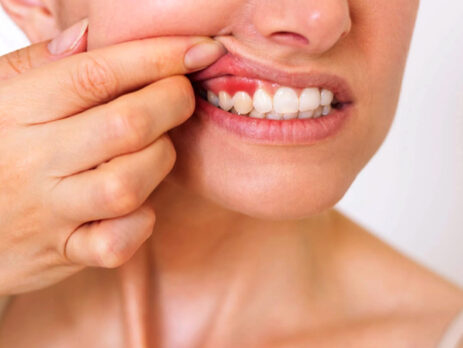
Gum inflammation is a common oral and dental health problem that manifests with symptoms such as redness, swelling, sensitivity, and bleeding in the gum tissues surrounding the teeth. In medical and dental literature, early-stage gum inflammation is often referred to as gingivitis. The most common cause is bacterial plaque accumulation around the teeth and gum line.
The plaque layer that regularly forms on the tooth surface can irritate the gums if not removed with adequate and proper oral hygiene. Over time, plaque can harden and turn into calculus (tartar), leading to the persistence of gum inflammation. During this process, the gums may lose their healthy appearance, becoming redder, swollen, and prone to bleeding easily.
One of the important characteristics of gum inflammation is that it can be controlled when detected early and treated appropriately. However, neglecting symptoms for a long time can lead to the development of more advanced periodontal problems in some patients. Therefore, symptoms such as recurrent gum bleeding, persistent bad breath, gum swelling, or sensitivity should not be considered normal.
Scientific information about gingivitis is also discussed in detail in the NCBI – Gingivitis source.
What Are the Symptoms of Gingivitis?
Symptoms of gingivitis can vary depending on the severity of the disease, oral hygiene, and the person’s general health status. While symptoms are quite prominent in some individuals, the disease may progress more silently in others.
The most common symptoms of gingivitis are:
- Bleeding gums when brushing teeth
- Bleeding when using dental floss
- Redness in the gums
- Swelling or edema in the gums
- Tenderness in the gums
- Bad breath
- A bad or metallic taste sensation in the mouth
- Plaque and tartar accumulation at the gum line
- Gums appearing shinier than normal
- Gum recession in advanced cases
Healthy gums typically appear light pink, firm in texture, and harmonious with the tissues surrounding the teeth. Persistent redness, swelling, and bleeding, however, may indicate that gum health needs to be evaluated.
Especially gum bleeding is one of the most frequently noticed symptoms of gingivitis. For more detailed information on this topic, you can review the content prepared by Melsadent, How to Stop Gum Bleeding? and Causes, Symptoms, and Treatment Methods of Gum Bleeding.
What Causes Gingivitis?
The most common cause of gum inflammation is the layer of bacterial plaque that accumulates on tooth surfaces and around the gum line. Plaque is a sticky layer formed by bacteria, food debris, and various components in the mouth. If not removed regularly, it can lead to inflammation in the gums.
The main factors that can increase the risk of gum inflammation are:
- Inadequate or incorrect tooth brushing
- Irregular cleaning of interdental spaces
- Tartar accumulation
- Smoking and tobacco product use
- Irregular dental check-ups
- Dry mouth
- Hormonal changes
- Hormonal changes during pregnancy
- Some uncontrolled systemic diseases
- Conditions affecting the immune system
- Effects of some medications on oral and gum tissues
- Difficulty in cleaning due to crowded teeth
- Incompatible restorations facilitating plaque retention
The cause of gum inflammation may not be the same for every patient. Therefore, it is important to identify the underlying factor causing the inflammation, rather than just trying to alleviate the symptoms.
Does Tartar Cause Gum Inflammation?
Yes. Tartar can play a significant role in the development and persistence of gum inflammation. When bacterial plaque accumulated on the teeth is not cleaned in time, it can mineralize, harden, and turn into tartar. Hardened tartar cannot be completely removed with normal brushing.
The rough surface of tartar can cause new plaque to adhere more easily. This can increase the bacterial load around the gum line, leading to persistent redness, swelling, and bleeding.
For more information about tartar formation and professional cleaning, you can review the content on What is Tartar, How Does It Form, and How is It Cleaned? and Why Should Tartar Be Cleaned?
How is Gingivitis Diagnosed?
Gingivitis is diagnosed through an intraoral and periodontal evaluation performed by a dentist. During the examination, the color, shape, consistency, bleeding status, and tartar accumulation of the gums are assessed.
When necessary, measuring gum pockets and a detailed evaluation of periodontal tissues may be required. In patients suspected of advanced periodontal disease, radiographic examinations may be used to assess the condition of the bone tissue supporting the teeth.
What is important here is to differentiate between simple gingivitis and more advanced periodontal diseases, as the treatment plan may vary depending on the level of the disease.
How is Gingivitis Treated?
The answer to the question, How is gingivitis treated? depends on the cause and level of the inflammation. In early-stage plaque-induced gingivitis cases, professional oral care, plaque and tartar control, and proper daily oral hygiene play an important role.
The primary goal of treatment is to control bacterial plaque and tartar accumulations that cause or facilitate the persistence of gum inflammation.
Scientific literature also states that professional plaque control and effective individual oral hygiene are important in controlling gum inflammation. For scientific assessments related to the topic, the PubMed – Primary Prevention of Periodontitis: Managing Gingivitis publication can be reviewed.
1. Professional Dental Scaling
If plaque and tartar accumulation are present beneath gum inflammation, professional cleaning can be one of the important stages of treatment. Hardened deposits on tooth surfaces and around the gum line are cleaned using appropriate methods.
After dental scaling, it is important for the patient to maintain their daily oral care correctly. Because even though professional cleaning removes existing deposits, plaque can re-form if regular oral hygiene is not maintained.
Those who want detailed information about professional cleaning can review the Dental Scaling content.
2. Correct Tooth Brushing
Regular tooth brushing forms the basis of plaque control. However, it is important not only to brush teeth but also to brush with the correct technique. Cleaning the gum line, avoiding excessive pressure, and dedicating sufficient time to all tooth surfaces are necessary.
Brushing too hard can damage the gums. In contrast, inadequate and superficial brushing can cause plaque to remain around the gum line. Your dentist can provide personalized recommendations on brushing techniques suitable for your oral structure and current gum condition.
3. Interdental Cleaning
Plaque can accumulate between teeth where a toothbrush cannot reach. For this reason, ancillary oral hygiene tools such as dental floss or interdental brushes can be used in suitable patients.
Recurrent bleeding in the gums, especially between the teeth, can be a sign of plaque accumulation in these areas. However, proper technique is important, as incorrect use of dental floss or interdental brushes can also harm the gums.
4. Advanced Periodontal Treatments When Necessary
If gingivitis has progressed to a more advanced periodontal disease, standard scaling alone may not be sufficient. Evaluation of gum pockets and root surfaces, and planning more comprehensive periodontal treatments based on the disease’s level, may be necessary.
Treatment for periodontitis should be planned according to the stage of the disease and individual risk factors. Detailed information on evidence-based periodontal treatment approaches can be found in the European Federation of Periodontology – Stage I-III Periodontitis Treatment Guideline resource.
Can Gingivitis Be Cured at Home?
In cases of early and mild plaque-induced gum problems, improving daily oral hygiene can help reduce symptoms. However, if tartar has formed, it is not possible to completely remove these hardened deposits at home with a toothbrush or dental floss.
Therefore, it is not appropriate to substitute various “at-home gingivitis treatment” methods suggested online for professional dental treatment. Attempting to scrape off tartar with sharp instruments, using uncontrolled chemical substances, or using antiseptic products for extended periods without a dentist’s recommendation can particularly harm oral tissues.
If gum bleeding, swelling, or bad breath persists, the cause of the problem should be evaluated by a dentist.
What Helps with Gum Inflammation (Gingivitis)?
Key practices that can help maintain gum health and support professional treatment include:
- Brushing teeth regularly and with the correct technique
- Cleaning between teeth with appropriate methods
- Getting professional cleaning if tartar has formed
- Not neglecting regular dental check-ups
- Avoiding cigarettes and tobacco products
- Paying attention to a balanced diet
- Using oral care products recommended by the dentist correctly
The point to remember here is that the cause of gum inflammation can vary from person to person. A method effective for one person may not be suitable for another patient’s needs. Therefore, personalized evaluation is important, especially in cases of persistent or recurring symptoms.
What Happens If Gum Inflammation (Gingivitis) Is Not Treated?
Neglecting early-stage gum inflammation can pave the way for the progression of periodontal disease in susceptible individuals. Gingivitis and periodontitis are not the same condition. While gingivitis primarily refers to inflammation in the gum tissues, periodontitis is a more advanced periodontal disease where the tissues supporting the tooth can be affected.
The following problems may be observed in advanced periodontal disease:
- Gum recession
- Formation of periodontal pockets
- Loss of tissues supporting the teeth
- Loose teeth
- Impairment of chewing function
- Tooth loss in advanced cases
For detailed information on the symptoms of periodontitis and the importance of early diagnosis, you can review the content Silent Advancing Danger: Periodontitis and the Importance of Early Diagnosis.
For more comprehensive information on the scientific classification of periodontal diseases and treatment approaches, the PubMed – EFP S3 Level Clinical Practice Guideline publication is also an important academic resource.
What is the Difference Between Gingivitis and Periodontitis?
Gingivitis and periodontitis are often confused. However, there are significant differences between these two conditions.
Gingivitis generally refers to inflammation in the gum tissues. In the early stages, symptoms such as redness, swelling, and bleeding may be observed. With proper professional care and effective plaque control, gum health can be restored.
Periodontitis, on the other hand, is a more advanced disease that can affect the periodontal tissues supporting the teeth. At this stage, periodontal pocket formation and loss of supporting tissues can be observed. Therefore, early diagnosis is of great importance.
You can also read the content Prevention and Treatment Methods for Gum Diseases for general symptoms, prevention methods, and treatment options for gum diseases.
Does Gingivitis Cause Bad Breath?
Yes, gingivitis can be accompanied by bad breath. Plaque, tartar, and bacterial accumulations around the gumline can contribute to the formation of bad odor. However, gum diseases are not the sole cause of bad breath.
Accumulations on the tongue surface, cavities, dry mouth, and various oral or general health problems can also cause bad breath. Therefore, the cause of persistent bad breath should be determined by examination.
Does Gingivitis Cause Gum Recession?
There can be many different causes of gum recession. Advanced periodontal diseases are one of these causes. However, traumatic and harsh tooth brushing, the position of the teeth, and some anatomical factors can also play a role in gum recession.
If there are symptoms such as teeth appearing longer, exposed root surfaces, or sensitivity to hot and cold, an evaluation for gum recession can be made. For detailed information, you can review the content What is Gum Recession? Why Does It Occur and How Is It Treated?.
How Long Does Gingivitis Take to Heal?
The healing time for gingivitis is not the same for every patient. The severity of the inflammation, the amount of tartar, the person’s oral hygiene, smoking habits, general health status, and the treatment process applied can affect the healing time.
In early and mild cases, symptoms may decrease within a short period after appropriate professional care and effective daily oral hygiene. In more advanced periodontal problems, the treatment and follow-up process may be longer.
Therefore, it is not correct to give a single duration valid for everyone without an examination for the question “How many days does gingivitis definitely take to heal?”
Can Gingivitis Recur?
Yes. If plaque accumulation and other risk factors causing gum inflammation reappear, symptoms can recur. Neglecting oral hygiene after professional cleaning, not cleaning between teeth, and skipping regular check-ups can increase the risk of recurrence.
Therefore, preventive oral care and regular check-ups are important after treatment. For what to pay attention to after dental scaling, you can review the content Things to Consider After Dental Scaling.
What Should Be Done to Protect Against Gum Inflammation?
Effective plaque control is fundamental to protecting against gum inflammation. Regular daily oral hygiene and not neglecting professional check-ups can help maintain gum health.
To protect oneself, the following habits can be observed:
- Brush teeth regularly with the correct technique
- Clean between teeth daily with the appropriate method
- Change toothbrush at regular intervals
- Have dental calculus buildup checked
- Avoid smoking and tobacco use
- Go for regular dental check-ups
- Do not consider gum bleeding “normal”
Protecting gum health is important not only for the preservation of existing teeth but also for long-term oral health.
When Should You Consult a Dentist?
If one or more of the following symptoms are present, a dental evaluation is recommended:
- Persistent recurrence of gum bleeding
- Noticeable swelling or redness in the gums
- Persistent bad breath
- Gum recession
- Feeling of loose teeth
- Pain or sensitivity in the gum area
- Persistent bleeding during brushing and flossing
- Heavy dental calculus accumulation at the gum line
Early assessment helps determine whether the problem is merely a superficial gum inflammation or a more advanced periodontal issue.
Gum Inflammation Assessment and Treatment Process at Melsadent
At Melsadent Oral and Dental Health Polyclinic, gum complaints are evaluated taking into account the patient’s oral and dental health status. During the examination, gum bleeding, redness, swelling, calculus accumulation, and, if necessary, the condition of periodontal tissues are examined.
The treatment plan is custom-tailored based on the cause and severity of the problem. While plaque and calculus control and oral hygiene education may be prioritized in early-stage gum inflammation, more comprehensive treatment approaches may be required for advanced periodontal problems.
If your gums bleed during brushing, are swollen, or you experience persistent bad breath, it is important to have a dental check-up without waiting for the symptoms to worsen. Early assessment is an important step in preserving gum health and preventing more advanced periodontal problems.
Frequently Asked Questions
Does gum inflammation go away on its own?
In mild plaque-induced gum inflammation, improving oral hygiene can help reduce symptoms. However, if calculus is present, professional cleaning may be necessary. Persistent or recurring symptoms should be evaluated by a dentist.
Is gum inflammation contagious?
Gingivitis is not considered a directly contagious disease like the flu. However, bacteria in the mouth can be transmitted between individuals through saliva. Oral hygiene, immune response, and other risk factors are also important in the development of the disease.
Does gingivitis cause pain?
While gingivitis can cause sensitivity and discomfort in some individuals, it can progress without noticeable pain in others. The absence of pain does not mean that the gums are completely healthy.
Is gum bleeding normal?
Recurrent gum bleeding should not be considered normal. Especially, regular bleeding during brushing or flossing can be one of the symptoms of gingivitis.
Are antibiotics used in gingivitis?
Not every case of gingivitis requires antibiotics. Antibiotic use should only be based on the assessment and prescription of a dentist or relevant physician. Unnecessary and uncontrolled antibiotic use should be avoided.
Is mouthwash sufficient for gingivitis?
Mouthwash alone does not eliminate plaque and tartar. Some oral care products may be recommended as a supportive measure in suitable patients, but they do not replace professional treatment and mechanical oral hygiene.
Does tartar cleaning cure gingivitis?
If one of the main causes of gingivitis is plaque and tartar buildup, professional cleaning can be an important part of the treatment. However, for lasting success, the patient must also maintain their daily oral hygiene regularly.
Can gingivitis turn into periodontitis?
Untreated and persistent gum inflammation, especially under the influence of risk factors, can pave the way for the development of more advanced periodontal diseases in some individuals. Therefore, early diagnosis and regular follow-up are important.
Does gum inflammation cause bad breath?
Yes. Plaque and bacteria accumulated along the gumline can contribute to bad breath. However, an examination may be necessary as persistent bad breath can also have different causes.
How long does gum inflammation take to heal?
The healing period varies depending on the severity of the disease, oral hygiene, amount of tartar, and the treatment applied. While significant improvement can be seen in a shorter period in early cases, more extensive treatment and follow-up may be required for advanced periodontal problems.
What should be done to prevent gum inflammation from recurring?
Regular tooth brushing, cleaning between teeth, not missing professional check-ups, and keeping tartar buildup under control can help reduce the risk of recurrence.
Don’t Underestimate Gum Bleeding and Swelling
Gum inflammation is a common oral health problem in society, yet it is often noticed late or underestimated. Symptoms such as gum bleeding, redness, swelling, and bad breath should be taken seriously at an early stage.
In cases of early-diagnosed gingivitis, it may be possible to regain gum health with proper professional care and effective daily oral hygiene. Conversely, neglecting long-standing periodontal problems can necessitate more comprehensive treatments.
If you have constant bleeding, swelling, redness, or bad breath in your gums, you can schedule a dental examination at Melsadent Oral and Dental Health Polyclinic to determine the cause of the problem and evaluate suitable treatment options for you.