What To Do If Toothache Starts On Vacation? Emergency Guide
Vacation is planned for relaxation, discovering new places, and escaping the stress of daily life. However, a severe toothache that starts precisely when you are by the sea, during a long journey, or abroad can change all your plans. Moreover, if you don’t know how to reach a dentist in an unfamiliar city or country, the question “What should be done if a toothache starts on vacation?” becomes even more crucial.
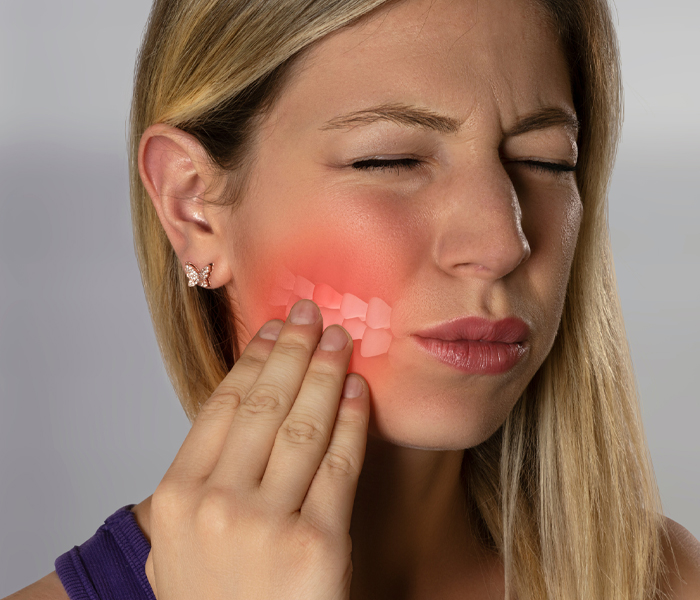
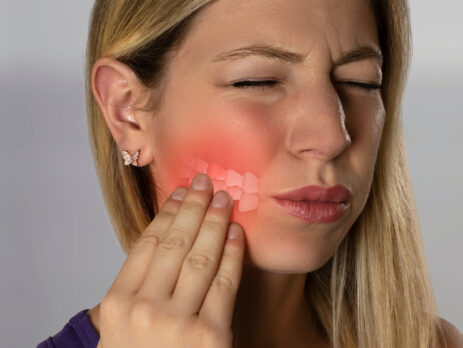
A toothache can sometimes start as a short-term sensitivity; at other times, it can turn into a throbbing, severe pain that keeps you awake at night and spreads to the ear and jaw. The most important point to know here is: Methods that can be applied at home or on vacation often provide only temporary relief. For the toothache to go away permanently, the true cause of the pain must be determined by a dentist.
In this guide, we will detail what you should do first when a toothache suddenly starts on vacation, which practices you should avoid, which symptoms require emergency intervention, and how you can reduce the risk of dental problems before your vacation.
Why Does Toothache Start on Vacation?
A toothache starting on holiday is often not entirely coincidental. A dental problem that previously showed no symptoms or only caused mild sensitivity can become noticeable due to air travel, hot-cold changes, changes in eating habits, hard foods, neglect of oral hygiene, or the progression of an existing cavity.
The most common causes of toothache starting on holiday are:
- Progression of tooth decay approaching the nerve tissue of the tooth,
- Inflammation of the tooth nerve,
- Development of an infection or abscess around the tooth root,
- An old filling breaking or falling out,
- Formation of a crack or fracture in the tooth,
- Inflammation around a wisdom tooth,
- Gum infections,
- Tooth sensitivity due to hot, cold, sweet, or acidic foods,
- Jaw and tooth pains due to teeth clenching and grinding,
- Re-development of infection in a previously treated tooth.
For more detailed information about the causes of toothache, you can review our content titled What Causes Toothache? Symptoms and Treatment Methods.
What to Do First If a Toothache Starts on Holiday?
When a toothache starts on holiday, instead of panicking, it is necessary to evaluate the severity of the pain and accompanying symptoms. Mild sensitivity and severe, throbbing pain accompanied by swelling in the facial area should not be handled in the same way.
In the initial stage, the following steps can be taken:
- Carefully clean your mouth: Food debris remaining between teeth can sometimes increase pain by putting pressure on the gums. Gently brush your teeth and floss properly.
- Rinse your mouth with lukewarm water: This can help remove debris from inside the mouth. Avoid using very hot or very cold water.
- Do not probe the painful area: Do not tamper with the tooth using toothpicks, needles, or other sharp objects.
- Apply a cold compress to the outside of your cheek: Especially in cases of trauma or swelling, a cold compress can be applied at short intervals without direct contact with the skin.
- Avoid foods that increase pain: Very hot, very cold, excessively sugary, and hard foods can increase sensitivity.
- Contact a dentist as soon as possible: Even if the pain subsides, the underlying problem may persist.
For more detailed information on correct and incorrect methods that can be applied at home for toothache, you can read our guide What to Do for Toothache at Home?
Can Painkillers Be Used for Toothache?
In acute toothache, some over-the-counter painkillers, when used correctly and in appropriate individuals, can help with temporary pain control. However, using painkillers does not treat tooth decay, tooth nerve inflammation, or a dental abscess. The medication can only provide temporary relief from symptoms.
Guidelines for acute dental pain management published by the American Dental Association state that non-opioid analgesic approaches have an important place in the temporary control of acute dental pain in appropriate patients. Scientific guidelines on the subject can be accessed via the American Dental Association Acute Dental Pain Management Guideline. Additionally, the evidence-based clinical practice guideline published in the Journal of the American Dental Association in 2024 can be reviewed via PubMed.
Important: Not every painkiller is suitable for everyone. In conditions such as stomach ulcers, kidney or liver disease, bleeding disorders, pregnancy, breastfeeding, allergies, regular medication use, or chronic illness, a doctor or pharmacist should be consulted before using medication. In children, medications unsuitable for their age and weight should never be used.
Furthermore, unknowingly using different painkillers together or taking different commercial products containing the same active ingredient consecutively can lead to a risk of overdose. Medications should only be used according to the package insert, or a doctor’s or pharmacist’s recommendations.
Is it Correct to Place Aspirin on a Painful Tooth?
No. One common practice among the public is to place aspirin or another medication directly on a painful tooth or gum. This practice is incorrect. Direct contact of medications with oral tissues can cause irritation and chemical tissue damage.
Similarly, it is not recommended to apply cologne, alcohol, garlic, highly concentrated chemical substances, or products of unknown origin directly to the teeth and gums. While attempting to temporarily suppress the pain, you might create a new problem in the oral tissues.
What to Do for Severe Toothache Starting at Night During a Holiday?
It is common for toothache to become more bothersome, especially at night. Factors such as sleeping position, changes in pain perception, and inflammatory pressure within the tooth can cause the throbbing sensation to be perceived more distinctly.
For severe toothache starting at night, you can:
- Keep your head slightly elevated.
- Gently clean your mouth.
- Avoid very hot or cold foods that trigger the pain.
- Consider using an over-the-counter painkiller that you know is suitable for you, following the usage instructions.
- If there is facial swelling, fever, or difficulty swallowing, you should not wait until morning.
If severe pain, especially at night, wakes you from sleep or persists long after hot-cold stimuli are removed, there might be an advanced problem in the living tissue of the tooth called the pulp. In this situation, waiting until the end of your holiday by only using painkillers could cause the problem to worsen.
What to Do If a Tooth Abscess Occurs During a Holiday?
A tooth abscess is one of the most significant dental emergencies that can be encountered during a holiday. It can develop as a result of bacterial infection in the tooth or surrounding tissues. Severe throbbing, swelling in the gums, facial swelling, bad taste, bad breath, pain during chewing, and in some cases, fever may be observed.
A dental abscess is not a problem expected to heal permanently on its own. A reduction in pain may not mean that the infection has completely disappeared. If an abscess is suspected, a dentist should be consulted as soon as possible.
For detailed information about dental abscesses, you can review our article titled Does a Dental Abscess Go Away on Its Own? When Should a Dentist Be Seen?
Clinical information on dental infections and emergency dental problems is also discussed in detail in the NCBI Bookshelf Dental Emergencies resource.
In Which Symptoms Should Emergency Medical Help Be Sought?
Not every toothache requires an emergency hospital visit; however, some symptoms may indicate that the infection could spread to surrounding tissues or that a more serious condition posing an airway risk might develop.
If you experience any of the following symptoms, seek emergency medical services in your area:
- Rapidly increasing swelling in the face, jaw, or neck,
- Difficulty breathing,
- Difficulty swallowing,
- Significant swelling under the tongue or on the floor of the mouth,
- Worsening general condition accompanied by high fever,
- Significant difficulty opening the mouth,
- Swelling spreading to the eye area or neck,
- Uncontrollable bleeding,
- Severe facial or jaw trauma.
These symptoms should not be considered merely a common toothache. Difficulty breathing and swallowing, in particular, require immediate medical evaluation.
If a Toothache Subsides During a Holiday, Is It Still Necessary to See a Dentist?
Yes. The spontaneous decrease in tooth pain does not always mean the problem has healed. For example, when the nerve tissue of a severely damaged tooth loses its vitality, the pain may temporarily subside. However, the infection around the root can continue to progress and later manifest as an abscess or swelling.
Therefore, toothaches, especially those that are recurring, throbbing, wake you up at night, or increase during chewing, must be evaluated. Even if the pain completely subsides during the holiday, it is important to schedule a dental check-up upon return.
What To Do If A Filling Falls Out During Your Holiday?
Old fillings can sometimes break or fall out completely while chewing hard food. When a filling falls out, the more sensitive layers of the tooth can be exposed, and sudden sensitivity to hot, cold, or sweet foods may begin.
If a filling falls out:
- Do not try to clean the cavity with sharp objects.
- Avoid chewing hard food on that side.
- Keep the area clean.
- Do not put adhesive or inappropriate substances into the tooth.
- Consult a dentist as soon as possible.
A lost filling may not always cause severe pain. However, the exposed tooth tissue can fracture over time, or existing decay can progress. Therefore, the absence of pain does not mean that treatment can be postponed.
What To Do If A Tooth Breaks During Your Holiday?
Hard foods, falls, sports accidents, or previously weakened teeth with large fillings can break during a holiday. The fracture can be limited to a small piece of enamel or extend to the tooth’s nerve tissue.
When a tooth breaks, gently rinse your mouth with water. If you can find the broken piece, store it in a clean container and take it to the dentist. If there is bleeding, controlled pressure can be applied with a clean gauze. If there is swelling in the face area due to trauma, a cold compress can be applied from the outside of the cheek.
It is not advisable to apply strong adhesive to a broken tooth, try to file the tooth, or cover the sharp area with inappropriate substances. Especially if a reddish or pink area is visible inside the tooth, or if there is severe pain, a dentist should be consulted without delay.
What to Do If a Wisdom Toothache Starts on Holiday?
Accumulation of food and bacteria around partially erupted or impacted wisdom teeth can lead to gum infection. Changes in diet and oral hygiene routines during holidays can exacerbate symptoms in this area.
If there is swelling, bad taste, difficulty opening the mouth, or discomfort during swallowing in addition to pain around the wisdom tooth, a dental evaluation is required. It is especially not advisable to wait if facial swelling and fever develop.
For detailed information on this topic, you can read our guide titled How to Relieve Wisdom Tooth Pain? What to Do at Home?.
Why Can Toothache Worsen on a Plane?
Some individuals may notice an increase in toothache during air travel or during take-off and landing. Changes in cabin pressure can contribute to the pain being felt more intensely, especially in teeth with air pockets or existing pulp problems.
Pain that starts during a flight may be a symptom of a pre-existing cavity, crack, problem under a filling, or nerve tissue disease in the tooth. Even if the pain subsides after landing, dental check-ups are recommended in recurring cases.
Do Sea, Pool, and Cold Drinks Trigger Toothache?
Cold drinks or sudden temperature changes can cause pain in individuals with tooth sensitivity. However, if the pain persists for a long time after cold contact, it may indicate a more advanced problem than simple sensitivity.
Especially if the pain starts spontaneously, throbs, or increases at night, professional evaluation is necessary. It may be beneficial for individuals experiencing sensitivity not to consume excessively hot and cold foods consecutively during their holiday and not to brush their teeth harshly with abrasive movements.
Does Using Antibiotics on Holiday Relieve Toothache?
Antibiotics are not a cure for every toothache. In many cases such as cavities, pulp inflammation, cracked teeth, or filling problems, the primary treatment is dental intervention. Unnecessary or incorrect antibiotic use can lead to side effects and significant problems like antibiotic resistance.
It is not correct to use antibiotics that were previously prescribed for another illness, left at home, or prescribed to another person, for a toothache. A clinician should decide whether antibiotics are necessary based on a clinical evaluation.
Things Not to Do for Toothache on Holiday
While looking for a quick solution due to pain, some incorrect practices can worsen the problem. When experiencing a toothache on holiday, avoid the following practices:
- Do not place aspirin or other medication on the aching tooth.
- Do not try to pierce the gum with a needle or a sharp object.
- Do not try to burst an abscess yourself.
- Do not attempt to pull your own tooth.
- Do not use antibiotics without a prescription and without supervision.
- Do not exceed the recommended dose of painkillers.
- Do not apply cologne, alcohol, or irritating chemicals to the tooth.
- Do not try to treat swelling with hot applications.
- Do not completely forget about the dental problem just because the pain has subsided.
What to Consider If You Need to See a Dentist While on Holiday?
If you need to choose a dentist in an unfamiliar city, focus not only on temporarily suppressing the pain but also on getting an accurate diagnosis. If possible, choose a licensed healthcare facility and inform the dentist about any medications you are using, your allergies, chronic diseases, and previous dental treatments.
If you are abroad, check whether your travel health insurance covers dental emergencies. Keeping reports, X-rays, and invoices for the procedures performed can be beneficial for both insurance claims and for the continuation of your treatment upon your return to Turkey.
Is a Dental Check-up Necessary Before Going on Holiday?
Especially if you are going on a long trip or abroad, it is highly beneficial to have a check-up before your holiday if you have a known dental problem. A postponed cavity or a broken filling, with the thought of “it doesn’t hurt much for now,” can turn into an acute problem during the trip.
A pre-holiday dental check-up is particularly important for the following individuals:
- Those who experience occasional toothaches,
- Those with broken or large fillings,
- Those experiencing wisdom tooth problems,
- Those who have had a dental abscess before,
- Those with ongoing root canal treatment,
- Those who have recently had implants or surgical procedures,
- Those going on long-term international trips.
If you are planning an evaluation for toothache, broken tooth, swelling, or other oral and dental health problems in and around Tuzla, you can get detailed information about Melsadent Tuzla Dental Clinic.
What Should Be Included for Dental Health in a Vacation Bag?
A small oral care kit can help prevent many problems that may arise during your vacation. You can include the following products in your travel bag:
- Toothbrush,
- Fluoride toothpaste,
- Dental floss or appropriate interdental cleaning product,
- Care products recommended to you if you are undergoing orthodontic treatment,
- Sufficient quantity of your regularly used medications,
- Contact information for your dentist and travel insurance.
There are additional points that individuals undergoing clear aligner treatment should pay attention to during travel. In this regard, you can review our content on Can You Go on Vacation with Clear Aligners? Usage Recommendations.
What is the Most Appropriate Approach for Toothache During Vacation?
The main goal when a toothache starts during vacation is not just to suppress the pain, but to properly assess whether it is a serious condition. While mild sensitivity can sometimes be controlled with short-term measures, symptoms such as severe throbbing, facial swelling, fever, difficulty swallowing, or trauma require prompt professional evaluation.
Scientific clinical guidelines also support an approach emphasizing that temporary pain control for acute toothache does not replace definitive dental treatment. Evidence-based recommendations for the pharmacological management of acute dental pain are discussed in detail in the Journal of the American Dental Association clinical practice guideline.
Remember: Toothache is a warning signal from the body. Temporarily reducing pain does not eliminate the source of the pain. If toothache begins during your vacation, monitor your symptoms, avoid risky home remedies, and consult a dentist where you are, if necessary. Upon returning from your vacation, if there’s a deferred dental problem, be sure to schedule a comprehensive examination.
Frequently Asked Questions
What should be done first if a toothache starts during vacation?
First, the mouth should be gently cleaned, check for any food debris between teeth, and avoid very hot, very cold, or hard foods. If the pain is severe or persists, a dentist should be consulted as soon as possible.
How can toothache be relieved during vacation?
Permanent relief from toothache is possible only with treatment addressing the cause of the pain. Temporary methods can reduce symptoms but do not eliminate the problem of decay, infection, fracture, or nerve tissue issues.
Is heat or cold better for toothache?
If there is swelling or trauma on the face, applying cold compresses to the outside of the cheek for short periods, without direct contact with the skin, may provide relief. Excessive hot applications are not recommended, especially if an infection is suspected.
Should antibiotics be used for toothache?
Not every toothache requires antibiotics. Antibiotic use should only occur if deemed appropriate after a medical evaluation. It is not correct to use antibiotics on your own or to use leftover antibiotics from a previous prescription.
If a toothache suddenly disappears, does that mean the problem is over?
No. In some cases, pain may decrease as the tooth nerve loses its vitality, but the infection can continue to progress. A dentist should be consulted after recurrent or severe pain.
What should be done if a tooth abscess bursts during a vacation?
The drainage of an abscess can temporarily reduce pain, but the source of the infection may persist. Instead of squeezing the area or trying to burst it again, a dentist should be consulted as soon as possible.
Why do toothaches occur on a plane?
Changes in cabin pressure can contribute to pain being felt more distinctly in individuals with existing cavities, cracks, problems under fillings, or tooth nerve disease. Recurrent flight-induced toothaches should be checked.
Can a toothache that starts at night wait until morning?
In some cases, mild and controllable pain can be monitored for a short period. However, if there is rapidly increasing swelling in the face or neck, difficulty breathing or swallowing, severe trauma, or uncontrollable bleeding, immediate medical help should be sought without waiting until morning.
Is it an emergency if a filling falls out during a vacation?
Not every lost filling is a life-threatening emergency, but the exposed tooth tissues may become sensitive or break. The area should be protected and evaluated by a dentist as soon as possible.
When should one go to the emergency room for a toothache?
Emergency medical services should be sought if there are symptoms such as difficulty breathing or swallowing, rapidly spreading swelling of the face and neck, severe trauma, uncontrollable bleeding, or signs of a serious infection that compromises the general condition.
When should a pre-holiday dental check-up be done?
Especially before long or international trips, if there is an existing dental complaint, it is beneficial to schedule a check-up well in advance of the trip. This way, necessary treatments can be completed without being left until the last day.
Pre-Holiday Dental Check-up and Toothache Assessment at Melsadent
One of the most effective ways to reduce the risk of encountering toothache during your holiday is to identify existing dental problems before your trip. It is especially important not to postpone the issue if you have a tooth that occasionally aches, a broken or old filling, wisdom tooth complaints, or recurring sensitivity.
At Melsadent Oral and Dental Health Polyclinic, the source of toothache can be evaluated through clinical examination and necessary imaging methods, allowing for personalized treatment planning. A pre-holiday check-up can help reduce the risk of an unexpected dental problem arising during your trip.
Instead of merely suppressing toothache, understanding its cause is crucial both for protecting your oral and dental health and for avoiding cutting your holiday short due to an unexpected dental problem.
This content has been prepared for general informational purposes and does not substitute for personal examination, diagnosis, or treatment recommendations. The cause of toothache and the appropriate treatment method may vary from person to person.