What is Tooth Enamel Erosion? Can Worn Tooth Enamel Come Back?
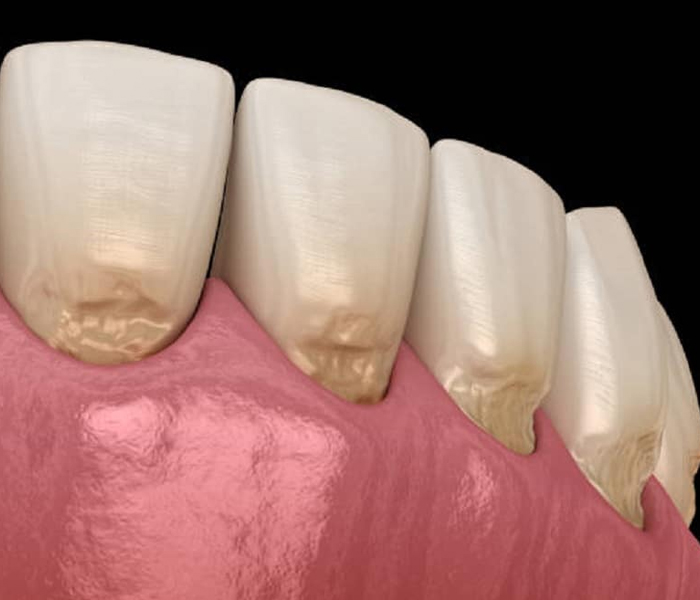
If you’ve noticed hot-cold sensitivity, yellowing, dullness on the surfaces, or thinning at the tips of your teeth, the reason might not only be tooth decay. Tooth enamel erosion is the loss of minerals and wear of the outermost protective enamel layer of the teeth over time due to the effects of acids. Frequent consumption of acidic beverages, reflux, stomach acid reaching the mouth, dry mouth, and certain dietary habits can particularly lead to damage to tooth enamel.
So, does worn tooth enamel grow back? The answer to this question should be understood correctly, depending on the level of enamel loss. Completely lost tooth enamel does not regenerate naturally. However, in early mineral losses that have not yet turned into surface loss, remineralization can be supported through balancing the oral environment, the protective effect of saliva, fluoride, and protective applications recommended by the dentist. In cases of advanced enamel loss, the goal is not to regrow the lost tissue; but to stop further wear, reduce sensitivity, and protect the tooth with restorative treatments when necessary.
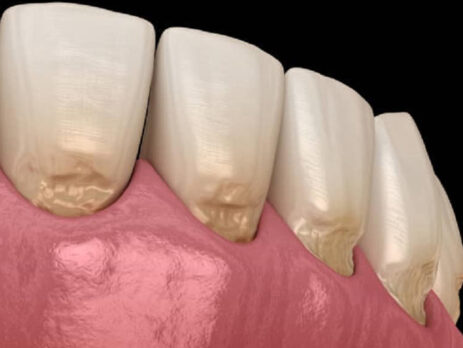
Therefore, it is important to detect changes in tooth enamel early. As enamel erosion progresses, tooth sensitivity may increase, the underlying yellower dentin layer may become visible, and the shape of the teeth may change. An early dental evaluation can help both determine the cause of the erosion and prevent further tissue loss.
What is Tooth Enamel and Why is it So Important?
Tooth enamel is an extremely hard and mineralized tissue that covers the visible portion of the tooth in the mouth. Its primary function is to protect more sensitive structures beneath the tooth, such as dentin and pulp, from external factors. Enamel forms the tooth’s first line of defense against chewing forces, hot and cold changes, food and beverages, and chemical changes in the oral environment.
Although enamel is very durable, it is not a tissue composed of living cells that can regenerate itself in the classical sense. Therefore, physically lost enamel tissue is not reproduced by the body. However, early mineral losses beginning on the enamel surface must be distinguished from actual tissue loss. Demineralization processes that occur before the surface is permanently lost can be balanced by remineralization under certain conditions.
Saliva is an important natural protective mechanism at this point. It helps buffer acids in the mouth, return oral pH to normal, and provide minerals to the tooth surface. Therefore, reduced saliva production or dry mouth is one of the factors that can increase the risk of enamel erosion.
What is Tooth Enamel Erosion?
Tooth enamel erosion is the process of dental hard tissues losing minerals due to the chemical effect of acids, independent of bacteria. While acids produced by bacteria play an important role in tooth decay, in erosion, acid can come directly from foods, beverages, or the body’s internal sources.
In scientific literature, tooth wear can be associated with different mechanisms such as erosion, abrasion, and attrition. Erosion is related to chemical dissolution, abrasion to mechanical friction from external sources, and attrition to wear primarily caused by teeth coming into contact with each other. In real life, these mechanisms can interact. For example, an enamel surface softened by acid may become more vulnerable to mechanical wear if brushed vigorously immediately afterwards.
For more detailed information on the scientific classification of tooth wear, the tooth wear and clinical assessment study published in PubMed Central can be examined.
Why Does Tooth Enamel Wear Away?
There isn’t a single cause for tooth enamel erosion. In most patients, dietary habits, frequency of acid exposure, salivary characteristics, and individual risk factors all play a role together. Therefore, simply “giving up acidic beverages” may not be a sufficient solution for every patient on its own.
The most common causes are:
- Frequent consumption of carbonated and acidic beverages,
- Intensive use of energy and sports drinks,
- Frequent sipping of lemon water and other acidic beverages throughout the day,
- Very frequent consumption of citrus and acidic foods,
- Gastroesophageal reflux and stomach acid reaching the mouth,
- Conditions causing frequent vomiting,
- Dry mouth and decreased salivary flow,
- Brushing teeth vigorously immediately after acid exposure,
- Co-existence of acid exposure and mechanical abrasion.
The American Dental Association states that frequent consumption of acidic beverages, certain fruit juices, and acidic snacks can increase the risk of erosive tooth wear. Detailed information on this topic can be found from the American Dental Association’s dental erosion resource.
How Do Acidic Beverages Affect Tooth Enamel?
When an acidic beverage comes into contact with the tooth surface, the pH balance of the oral environment can change, and minerals on the enamel surface may become more susceptible to dissolution. Here, not only how acidic the beverage is, but also how frequently and for how long it is consumed is important.
For example, consuming an acidic beverage quickly versus sipping the same beverage in small sips for hours does not create the same exposure pattern. Repeated acid attacks throughout the day may not leave enough time for saliva to balance the oral environment.
Therefore, the following habits are important for protecting tooth enamel:
- Not continuously sipping acidic beverages throughout the day,
- Preferring water as the primary beverage when possible,
- Rinsing the mouth with water after acidic foods and beverages,
- Not brushing teeth vigorously immediately after acid exposure,
- Maintaining daily oral care regularly and with the correct technique.
Does Reflux Cause Tooth Enamel Erosion?
Yes. Acids affecting tooth enamel do not only come from food and beverages. Stomach acid reaching the mouth due to reflux or recurrent vomiting can also cause erosion on teeth. This condition is considered “intrinsic,” meaning acid exposure originating from within the body.
Especially in unexplained abrasions concentrated on specific tooth surfaces, stomach-derived acid exposure can be considered. The relationship between gastroesophageal reflux and dental erosion has also been evaluated in scientific studies. For an academic review on the subject, you can access the scientific publication examining the relationship between gastroesophageal reflux and dental erosion.
When a dentist suspects that enamel erosion may be related to reflux, merely repairing the teeth might not be sufficient. A referral to the relevant medical specialist may be necessary to evaluate the underlying acid source. Because as long as acid exposure continues, restorations made and existing tooth tissues may be at risk again.
What Are the Symptoms of Tooth Enamel Erosion?
Enamel erosion often progresses slowly and may not be noticed in its initial stages. Patients usually notice the condition when sensitivity, discoloration, or differences in tooth shape become apparent.
Possible symptoms of tooth enamel erosion include:
- Sensitivity to hot and cold foods,
- Tingling or pain with sweet or acidic foods,
- Teeth starting to appear yellower,
- Shiny or excessively smooth areas on the tooth surface,
- Thinning or translucent appearance at the tooth edges,
- Irregularities and small chips on tooth edges,
- Pitting on the chewing surfaces of the back teeth,
- Wear of the natural tooth tissue around fillings,
- Changes in tooth size or bite in advanced cases.
Each of these symptoms is not exclusively specific to enamel erosion. For example, hot-cold sensitivity can also be associated with cavities, gum recession, cracked teeth, or other dental problems. Therefore, if you have similar complaints, you can review the tooth sensitivity and oral health content in the Melsadent Useful Information section, and consult a dentist for the definitive cause to be determined.
Are Tooth Enamel Erosion and Tooth Decay the Same Thing?
No. Although both can damage the mineral structure of the tooth, enamel erosion and tooth decay are not the same process.
In tooth decay, bacteria in the mouth produce acid, especially by using fermentable carbohydrates, leading to mineral loss in the tooth tissue. In dental erosion, acid can come directly from external sources or internal sources such as stomach acid, and the process does not necessarily have to be bacterial.
However, both decay and erosion can be found in the same person. The weakening of the enamel surface and changes in tooth structure may require more careful monitoring of overall oral health.
Can Worn Tooth Enamel Come Back?
The most important point here is the difference between “remineralization” and “the regrowth of lost enamel tissue.”
Physically worn and lost tooth enamel does not naturally regenerate. Enamel tissue does not contain a living cellular repair mechanism that can reproduce the lost structure from scratch. Therefore, an enamel layer that is significantly thinned, altered in shape, or completely lost does not spontaneously return to its original thickness.
However, the situation is different in the very early stages of mineral loss. If the enamel surface has not yet been structurally lost, minerals in saliva and appropriate protective measures can help the surface regain minerals. This process is called remineralization.
For detailed scientific information on demineralization and remineralization processes, an academic publication examining demineralization and remineralization dynamics in teeth can be consulted.
In short:
- Early mineral loss: Remineralization can be supported under appropriate conditions.
- Actual and permanent enamel loss: Does not naturally regrow.
- Advanced wear: Protective or restorative dental treatments may be required.
Can Tooth Enamel Repair Itself?
Giving a direct “yes” or “no” answer to the question “Can tooth enamel repair itself?” can be misleading. Tooth enamel does not heal by forming new tissue like a wound. However, superficial mineral imbalances can benefit from the remineralization process to a certain extent.
Saliva is an important part of this natural defense mechanism. It helps buffer acids in the oral environment and contributes to mineral balance. Fluoride-containing products and professional protective applications that the dentist may specifically recommend can also be evaluated based on the risk situation.
What’s important here is to approach products advertised online as “completely regrowing tooth enamel” or “bringing back lost enamel” with caution. A product might support surface mineralization or help control sensitivity; however, physically regenerating a large amount of lost enamel tissue as natural tooth enamel is not the same thing.
How Is Tooth Enamel Erosion Diagnosed?
Diagnosis is usually made through a combination of clinical examination, the patient’s nutritional and health history, and an assessment of the pattern of wear on the tooth surfaces. The dentist evaluates which areas the wear is concentrated in, its level of progression, and potential causes.
The following questions may be important in the assessment:
- How often are acidic drinks consumed?
- Is lemon water or fruit juice frequently consumed throughout the day?
- Is there a history of reflux or stomach acid coming into the mouth?
- Is there dry mouth?
- Is there a habit of teeth grinding or clenching?
- With what technique and how vigorously are the teeth brushed?
- Is the wear progressing over time?
One of the systems used for the clinical grading of erosive tooth wear is the BEWE system. This approach was developed to help evaluate the severity of wear and to plan management according to the risk level. For details on the scientific method, the Basic Erosive Wear Examination (BEWE) study can be reviewed.
How Is Tooth Enamel Erosion Treated?
Treatment for tooth enamel erosion is custom-planned according to the degree and cause of erosion. Not every case of enamel erosion requires a filling, crown, or other restorative procedure. In the early stages, the primary goal is to control the causes and prevent the progression of erosion.
The treatment approach can generally be considered in three stages:
- Identifying the factor causing erosion,
- Preserving existing tooth tissue and controlling sensitivity,
- Restoring lost form and function with restorative treatments when necessary.
What to Do in Early Stage Enamel Erosion?
If there is no significant tissue loss in the early stage, the priority is preventive approaches. The dentist can evaluate the patient’s oral hygiene habits, diet, and acid exposure based on their risk factors.
Recommended approaches may include:
- Reducing the frequency of acid exposure,
- Using an appropriate fluoridated toothpaste,
- Considering professional fluoride applications when necessary,
- Utilizing desensitizing products,
- Evaluating factors that cause dry mouth,
- Applying the correct tooth brushing technique,
- Monitoring changes in tooth surfaces at regular intervals.
The choice of preventive applications is not the same for every patient. The level of enamel erosion, risk of caries, age, salivary condition, and other oral health issues should be evaluated together.
Which Treatments Can Be Applied in Advanced Enamel Loss?
When enamel loss progresses, significant sensitivity, deformation, yellowing, loss on chewing surfaces, or aesthetic problems may arise in the teeth. In this case, restorative treatments may come into play depending on the amount of lost tooth tissue.
Treatments that can be applied include:
- Composite restorations,
- Bonding applications,
- Inlay or onlay restorations,
- Laminate veneer applications in suitable cases,
- Crowning treatments in advanced tissue loss,
- Comprehensive occlusion and restorative treatment planning in widespread abrasions
are available.
The aim of the treatment is not only to make the teeth look aesthetically better. Reducing sensitivity, preserving the remaining tooth tissue, maintaining chewing function, and controlling the progression of wear are also important.
To learn more about restorative options that can be applied in cases of advanced tissue loss, you can get information about Melsadent’s dental treatments and oral health services.
Does Tooth Enamel Erosion Cause Sensitivity?
Yes. When the enamel layer thins or is lost in certain areas, the underlying dentin tissue can become more vulnerable to external stimuli. As a result, a short-lived and sharp pain may be felt, especially when consuming cold water, hot beverages, sweet, or acidic foods.
However, not every tooth sensitivity is caused by enamel erosion. Gum recession, cavities, cracked teeth, worn fillings, or other dental problems can also lead to similar complaints. Therefore, the cause of prolonged or progressively increasing sensitivity should be determined by examination.
For more information about tooth sensitivity, you can review Melsadent oral and dental health guides.
Does Tooth Enamel Erosion Make Teeth Yellow?
Yes, enamel erosion can cause teeth to appear yellower. This is not always due to external staining. Tooth enamel naturally has a translucent structure, and the underlying dentin layer has a yellower tone. As the enamel thins, the color of the dentin may start to appear more prominent.
Therefore, yellowing due to enamel loss should be distinguished from staining caused by coffee, tea, smoking, or other external colorants. In an individual with enamel erosion, instead of focusing solely on achieving whiter teeth, it is first necessary to evaluate the tooth structure and sensitivity.
Does Tooth Whitening Correct Enamel Erosion?
No. Tooth whitening treatment does not restore lost enamel tissue. If the primary reason for teeth appearing yellow is the thinning of the enamel and the dentin becoming more visible, a procedure aimed solely at lightening the color will not eliminate the structural loss.
Therefore, if tooth whitening is being considered, it is important to evaluate dental and gum health beforehand. Especially in individuals with active sensitivity or significant enamel loss, the appropriate treatment sequence should be determined by a dentist.
How to Prevent Tooth Enamel Erosion?
The most effective way to prevent enamel erosion is not to try to completely eliminate contact between teeth and acid; it is to reduce the frequency and duration of acid exposure and to allow the oral environment to recover.
In daily life, the following precautions can be taken:
- Limit carbonated and acidic beverages as much as possible.
- Avoid consuming acidic beverages in small sips over a long period.
- When thirsty, prefer water as your main beverage.
- Rinse your mouth with water after acidic foods and drinks.
- Do not aggressively brush teeth immediately after acid exposure.
- Use a soft-bristled toothbrush and the correct brushing technique.
- Opt for fluoride oral care products recommended by your dentist.
- If you have dry mouth, evaluate the cause.
- Do not neglect reflux complaints.
- Do not miss regular dental check-ups.
Should Teeth Be Brushed Immediately After Eating Something Acidic?
Immediately after acid exposure, the tooth surface can temporarily become more sensitive. Therefore, instead of hard and aggressive brushing right after acidic foods or drinks, it may be more appropriate to first rinse the mouth with water and allow time for the oral environment to rebalance.
The primary goal here is not to reduce tooth brushing. Teeth should be brushed regularly; however, the timing and technique of brushing are also important for protecting the enamel. If a person has a high risk of erosion, the most suitable oral care routine can be personalized by a dentist.
Does Lemon Water Harm Tooth Enamel?
Since water containing lemon is acidic, it can increase the duration of teeth’s contact with acid, especially when consumed frequently throughout the day. The risk depends not only on the quantity of the drink but also on the frequency of consumption and the duration it is held in the mouth.
If lemon water is consumed:
- Avoid continuous sipping throughout the day,
- Do not hold it in your mouth,
- Drink plain water afterward or rinse your mouth with water,
- Do not brush aggressively immediately afterward
are behaviors that can help protect enamel.
Are Mineral Water and Carbonated Drinks Equally Harmful?
Not every drink has the same acid content and erosive potential. Therefore, it may not be accurate to categorize all carbonated drinks together. A sugar-free drink can also be acidic; therefore, being “sugar-free” does not automatically mean it is “risk-free in terms of enamel erosion.”
The effect of a drink on tooth enamel depends on many factors such as its pH value, the type of acid it contains, its buffering capacity, frequency of consumption, and contact time with the tooth surface.
Is Enamel Erosion Seen in Children?
Yes. Erosive tooth wear can also be observed in children and adolescents. Frequent consumption of acidic drinks, certain dietary habits, reflux, and other risk factors can also be effective in children.
It is important to notice wear that starts at an early age. Children’s primary teeth and newly erupted permanent teeth should be regularly checked, and their dietary habits should be evaluated. Especially when unexplained sensitivity or changes in tooth surfaces are noticed, a dental examination is recommended.
What Happens If Tooth Enamel Erosion Is Not Treated?
When enamel erosion becomes a progressive process, more tooth tissue can be lost over time. As the enamel thins, dentin may become exposed, and wear can progress more rapidly. In advanced cases:
- Tooth sensitivity may increase,
- Teeth may appear yellower,
- Fractures may occur on tooth edges,
- Significant tissue loss may develop on chewing surfaces,
- The shape and size of the teeth may change,
- Extensive restorative treatments may be needed.
Therefore, early diagnosis is important for preserving as much natural tooth tissue as possible.
Is It Possible to Strengthen Tooth Enamel?
The phrase “strengthening tooth enamel” should generally be understood to mean supporting the mineral balance of existing enamel tissue and creating an oral environment that is more resistant to acid attacks. While it may not be possible to regrow lost enamel, it is possible to help protect existing tooth tissue.
For this:
- Regular and proper oral hygiene should be maintained,
- Fluoride-containing products should be used according to personal needs,
- Acid exposure should be reduced,
- Conditions that reduce salivary flow should be evaluated,
- Additional risk factors such as teeth grinding and mechanical wear should be controlled,
- Regular professional check-ups should be performed.
Research on enamel remineralization shows that preventive and remineralizing approaches are an important area of research for early mineral loss. One of the comprehensive scientific evaluations on the subject, a systematic review on enamel remineralization, examines different remineralization approaches.
When Should You Consult a Dentist?
Dental evaluation may be beneficial if one or more of the following symptoms are present:
- New or progressively increasing sensitivity to hot and cold,
- Unexplained yellowing of teeth,
- Thinning or translucency at the tips of teeth,
- Pitting on tooth surfaces,
- Changes in the shape of teeth over time,
- Symptoms of tooth erosion with frequent reflux,
- Recurrent fractures at the edges of the teeth.
During the clinical evaluation at Melsadent Oral and Dental Health Polyclinic, the level of tooth surface wear, possible causes, and other accompanying oral and dental health problems can be assessed together. The treatment plan is created according to the degree of enamel loss and the patient’s individual needs.
Frequently Asked Questions
What is tooth enamel erosion?
Tooth enamel erosion is the loss of minerals from the outer protective layer of the tooth due to the chemical effect of acids, independent of bacteria, leading to wear over time. Acidic foods and beverages, reflux, and frequent stomach acid contact can be among the main causes.
Can worn tooth enamel grow back?
Physically lost tooth enamel does not regrow naturally. However, remineralization can be supported in early mineral losses that have not yet turned into permanent tissue loss. In advanced enamel loss, restorative treatments may be required to protect the tooth.
Does tooth enamel regenerate itself?
Tooth enamel is not a tissue that regenerates itself with living cells. Therefore, a lost enamel layer does not reform on its own. However, early superficial mineral losses can regain minerals in a suitable oral environment.
How is tooth enamel wear recognized?
Hot-cold sensitivity, yellowing of teeth, thinning at the tips of teeth, pitting on surfaces, and changes in tooth shape are possible signs of enamel wear. A dental examination is required for a definitive assessment.
Does tooth enamel erosion cause pain?
There may not be significant pain in the early stages. As the enamel thins, the dentin can be more affected, and sensitivity to hot, cold, sweet, or acidic foods may develop.
Is enamel erosion the same thing as decay?
No. While tooth decay is associated with acids produced by bacteria, dental erosion can occur due to direct acid exposure from sources like food, beverages, or stomach acid. However, both decay and erosion can be present in the same person.
Does fluoride restore tooth enamel?
Fluoride does not physically regrow lost enamel tissue. However, under appropriate conditions, it can contribute to the control of early mineral loss and remineralization processes. The product to be used and its application should be determined according to the individual’s risk level.
Can enamel erosion be treated?
Yes. Treatment is planned according to the level of erosion. While preventive measures and control of risk factors may be sufficient in the early stages, treatments such as bonding, composite restoration, inlay-onlay, veneer, or crown may be considered for advanced tissue loss.
Should teeth be brushed after acidic drinks?
Brushing vigorously immediately after acid exposure can increase the risk of mechanical abrasion on temporarily affected tooth surfaces. It is preferable to first rinse the mouth with water and then brush gently after an appropriate period.
Does lemon water erode tooth enamel?
Lemon water is acidic and can contribute to the risk of enamel erosion, especially when consumed by frequent sipping throughout the day. Reducing the frequency of consumption and rinsing the mouth with water afterward can be beneficial.
Why does tooth enamel erosion cause yellowing?
When enamel thins, the underlying yellower dentin layer becomes more visible. Therefore, yellowing in teeth is not always a surface stain; in some cases, it can be associated with enamel loss.
Does toothpaste repair eroded enamel?
No toothpaste can physically regenerate lost extensive enamel tissue as natural enamel. However, some products can help control early mineral loss, reduce sensitivity, or protect the existing tooth surface. Product selection should be made according to personal need.
Does tooth enamel erosion progress?
Erosion can progress if acid exposure and other risk factors continue. Early diagnosis and control of the cause are important to prevent further loss of natural tooth tissue.
Conclusion: Lost Enamel Does Not Return, But Its Progression Can Be Prevented
Tooth enamel erosion, is a significant oral health problem that often progresses slowly but can lead to permanent tooth tissue loss. Frequent consumption of acidic beverages, reflux, stomach acid, dry mouth, and improper oral hygiene habits can increase the risk of enamel erosion.
Worn tooth enamel does not naturally regrow. However, in cases of early mineral loss, remineralization processes can be supported, and the progression of erosion can be controlled with proper preventive approaches. For advanced tissue loss, modern restorative dentistry methods can improve the sensitivity, appearance, and function of teeth.
If you have recently noticed increased sensitivity, yellowing, thinning, or surface changes in your teeth, it is important not to wait for the problem to progress. A comprehensive assessment at Melsadent Oral and Dental Health Polyclinic can determine the level of enamel erosion and its possible causes, allowing for personalized protective or restorative treatment options to be planned.