What Causes Pain Under a Dental Crown? Zirconium Tooth Pain
Pain under a dental crown is one of the significant complaints that individuals who have previously had zirconium, porcelain, or another type of fixed prosthetic restoration may experience. Short-term sensitivity after a newly placed crown can be temporary in some cases. However, if the pain persists for days, gradually intensifies, wakes you up at night, lasts for a long time with hot or cold stimuli, or occurs when pressure is applied to the crowned tooth, it may require evaluation for an underlying problem.
Crowned tooth pain does not only stem from the crown itself. The cause of the pain can be related to decay developing in the natural tooth under the crown, inflammation of the tooth nerve, root tip infection, gum problems, a crown that is too high, teeth grinding, a crack, or an existing root canal treatment. Therefore, the answer to the question “My crowned tooth hurts, why?” is not the same for every patient.
Brief answer: Pain under a crown can arise from temporary sensitivity due to a newly placed crown, occlusal height issues, nerve involvement, decay under the crown, infection, gum problems, teeth grinding, or root-related issues. The definitive cause is determined by clinical examination, occlusal check, sensitivity tests, and dental X-rays when necessary.
Why Does Pain Occur Under a Dental Crown/Veneer?
Dental crowns/veneers are restorations placed over natural teeth that are damaged or desired to be aesthetically improved. Most of the time, the patient’s own natural tooth and its root continue to exist under the crown/veneer. If the tooth has not undergone root canal treatment previously, the living nerve-vascular tissue called the pulp also continues to exist. Therefore, a tooth with a crown/veneer does not have to be completely “devoid of sensation”.
During the preparation of the tooth for a crown/veneer, a certain amount of tooth tissue is shaped. After this procedure, short-term sensitivity may occur in some teeth. However, if the pain persists for a long time or starts later, it suggests different reasons. Scientific studies also evaluate that sensitivity emerging after restorative procedures due to hot, cold, sweet, or chewing may have various biological and mechanical causes. An academic review on this topic can be accessed through NIH – research on postoperative dental sensitivity.
Is It Normal for a Newly Placed Crown/Veneer to Cause Tooth Pain?
After a newly placed crown/veneer, mild and gradually decreasing sensitivity may be observed in some patients. Especially if the tooth is vital, temporary sensitivity to cold or hot stimuli may develop due to the impact on the dentin tissue during the preparation process. Gum tissues may also be temporarily sensitive after impression taking, try-in, or bonding procedures.
However, what is important here is the intensity, duration, and character of the pain. Mild sensitivity that decreases over time should not be evaluated in the same way as pain that starts spontaneously, is throbbing, or wakes one up from sleep at night.
If the following symptoms are present, a dental check-up should not be delayed:
- If the pain increases day by day,
- If significant pain occurs when pressing on the crowned tooth,
- If there is pain that starts at night or wakes you from sleep,
- If pain after hot or cold persists for a long time,
- If swelling, abscess, or discharge has formed in the gum,
- If movement or looseness is felt in the crown,
- If additional symptoms such as facial swelling or fever have developed.
Why Does Pain Occur Under Zirconia Crowns?
Pain under a zirconia crown does not always mean there is a problem with the zirconia material itself. Zirconia is a common restorative material used in dentistry for aesthetic and durability purposes. Numerous scientific studies exist on the clinical performance and potential complications of zirconia restorations. An academic review evaluating the clinical performance of zirconia crowns can be examined in the NIH/PMC zirconia crown research.
Pain in a tooth with a zirconia crown is usually associated with the natural tooth underneath the crown, the tooth root, surrounding gum tissues, or the bite relationship. For more detailed information about zirconia crowns, you can review our content Zirconia Crown – The Closest Touch to a Natural Tooth.
The most common causes of pain under a zirconia crown are:
- Involvement of the nerve tissue of the natural tooth under the crown,
- The crown being too high in the bite,
- Secondary decay developing from the crown margin,
- Gum inflammation or periodontal problems,
- Infection in the tooth root,
- Tooth clenching and grinding,
- Crack or fracture in the tooth under the crown,
- Problems related to old root canal treatment.
1. High Crown and Pain When Biting
Pain when the crown presses on the tooth is one of the possible reasons for this complaint, as the crown makes contact earlier than other teeth during occlusion. Even if a newly made crown is only slightly high, chewing forces can be transferred to that tooth more than usual.
Patients usually describe this situation as “My tooth touches first”, “My crowned tooth hurts when I chew” or “I cannot put pressure on my tooth”. Sensitivity may develop in the periodontal tissues surrounding the tooth that is constantly under excessive load.
In this case, the dentist checks the occlusal contacts. If the problem is determined to be solely premature contact, necessary adjustments can be made. However, a high crown is not the only cause of biting pain. Examination is important, as root tip infection, cracked tooth, and other issues can also lead to similar symptoms.
2. Inflammation of the Tooth Nerve Under the Crown
During the shaping of the tooth to be crowned, a specific preparation is carried out on the tooth tissue. Especially in teeth that initially had deep decay, large fillings, or a history of trauma, the nerve-vascular tissue, called pulp, can be more sensitive.
As a result of pulp involvement, a reversible or more advanced inflammatory process may develop. In academic literature, factors such as decay, cracks, trauma, and crown preparation are stated to be associated with pulpal damage. Detailed scientific information on this subject can be found in the endodontic pain research on NIH/PMC.
In cases of advanced involvement of the tooth nerve, the following symptoms may be observed:
- Spontaneous pain,
- Toothache that worsens at night or wakes one from sleep,
- Pain accentuated by heat,
- Pain that persists after the cold stimulus is removed,
- Throbbing sensation,
- Pain spreading to the jaw or surrounding teeth.
In such cases, the vitality of the tooth and the pulp tissue are evaluated. If deemed necessary, root canal treatment may be considered.
3. Cavity Formation Underneath a Crown
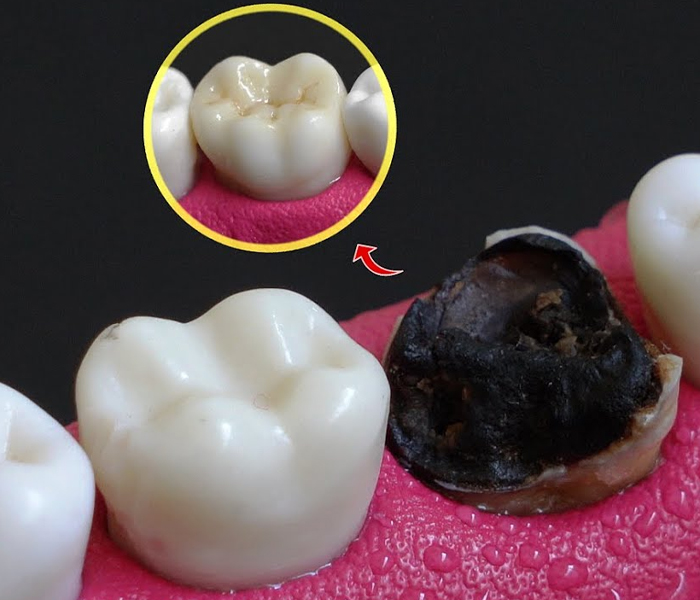
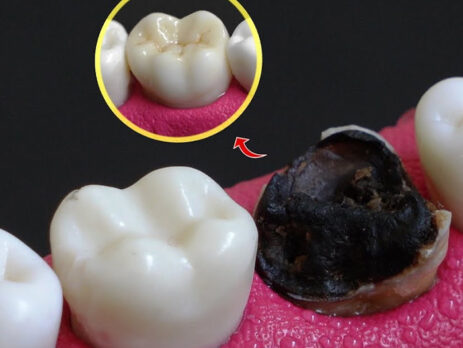
The question “Does a crowned tooth decay?” is frequently asked by patients. The crown itself does not decay like a natural tooth; however, decay can develop in the tooth tissue underneath the crown, especially in the marginal areas where the crown and the natural tooth meet.
Over time, adaptation issues at the crown margin, plaque accumulation, and insufficient oral hygiene can increase the risk of decay. When decay progresses underneath a crown, it may initially show no symptoms. Later, cold-hot sensitivity, throbbing with sweets, bad taste, bad breath, or pain may emerge.
The treatment for decay under a crown depends on how advanced the decay is. In some cases, the existing crown may need to be removed. After the decay is cleaned, the condition of the remaining tooth tissue and nerve is evaluated, and a filling, root canal treatment, or a new crown may be planned.
4. Infection or Abscess Under a Crowned Tooth
The development of an infection in the pulp of a tooth under a crown or the formation of a problem in the root tip area of a tooth that has previously undergone root canal treatment can cause pain. Inflammation developing in the tissues around the root can cause sensitivity, especially when pressure is applied to the tooth.
The relationship between inflammatory conditions around the root apex, known as apical periodontitis, and pulp diseases is explained in detail in academic sources. For scientific information, the NCBI Bookshelf – Apical Periodontitis resource can be consulted.
Symptoms that may be observed in an infection under a crown include:
- Pain when pressure is applied,
- Throbbing,
- Swelling in the gums,
- Pimple-like formation on the gum,
- Bad taste or discharge,
- Facial swelling,
- Fever and a general feeling of discomfort in some cases.
Symptoms such as rapidly increasing facial swelling, difficulty swallowing, or difficulty breathing may require urgent medical evaluation.
5. Why Does a Root Canal-Treated Crowned Tooth Hurt?
Although the nerve tissue inside a root canal-treated tooth has been removed, the tooth’s root and surrounding tissues are alive. Therefore, the idea that “a root canal-treated tooth never hurts” is not correct.
Pain in a root canal-treated and crowned tooth can be associated with various reasons such as infection around the root, ongoing issues in the canal system, root fracture, periodontal problems, or excessive load during biting.
For detailed information on when pain after root canal treatment can be considered normal and when a check-up is necessary, you can read our guide titled Is Pain After Root Canal Treatment Normal? What Should Be Done?
6. Crack or Fracture in the Tooth Under the Crown
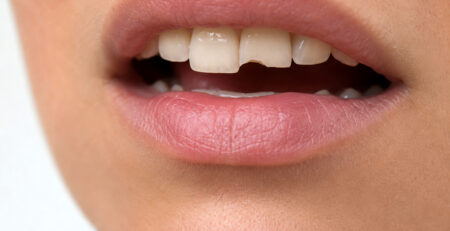
Sometimes, a crack can develop in the natural tooth under the crown. Diagnosing cracked teeth is not always easy, and the pain can be intermittent. Sharp pain, especially when biting on a hard food or releasing the biting force, is one of the symptoms that should be evaluated for a crack.
The location and depth of the crack directly affect treatment options. While some cracks can be treated, preserving the tooth may not be possible in cases where fractures extend into deeper root areas. Scientific literature on cracked teeth shows that symptoms and treatment options can vary depending on the type of crack. For a detailed academic review, the NIH/PMC cracked tooth treatment review can be considered.
7. Gum Recession and Sensitivity at the Crown Margin
When gum recession occurs over time, the area between the crown and the root surface can become exposed. Since root surfaces are not protected in the same way as enamel, sensitivity to hot, cold, or touch may develop.
Sensitivity due to gum recession can be felt as a short-lived and sharp pain, especially with cold drinks. However, since similar symptoms can also be seen in cases of decay or pulp problems, it is not possible to make a definitive diagnosis based on symptoms alone.
8. Gum Inflammation Around Crowns
Accumulation of plaque and tartar around the edges of the crown can cause redness, swelling, and bleeding in the gums. Inadequate fit of the crown edges or insufficient oral hygiene can also make it difficult to clean the area.
Gum-related pain is generally different from pain originating from within the tooth. Sensitivity to touch, bleeding while brushing, redness, and swelling may be more pronounced. However, since periodontal and tooth-related problems can coexist, professional evaluation is necessary.
9. Do Teeth Grinding and Clenching Cause Crown Tooth Pain?
Yes. Teeth clenching and grinding can create high forces on natural teeth and crowns. Especially individuals who unknowingly clench their teeth throughout the night may experience sensitivity in their crowned teeth, jaw muscle fatigue, or headaches in the mornings.
Persistent excessive force can contribute not only to pain but also to damage in restorations or sensitivity in supporting tissues over time. Therefore, when evaluating crown tooth pain, the patient’s occlusal relationship and teeth grinding habits should also be taken into consideration.
Why Does a Crowned Tooth Ache in Cold and Hot?
If the tooth under the crown is vital, it can react to hot and cold stimuli to a certain extent. However, the duration of the pain is an important clue.
- Short-lived and rapidly passing sensitivity: This may be related to dentin hypersensitivity or temporary pulpal irritation.
- Pain that persists long after cold: Should be evaluated for more advanced pulp tissue involvement.
- Pain that increases with heat and starts spontaneously: May be seen in advanced pulpal problems.
Detailed scientific information on the mechanisms of tooth sensitivity and its clinical management can be found in the NIH/PMC dentin sensitivity review.
Why Does a Crowned Tooth Hurt Years Later?
Pain that starts months or years after a crown is placed is generally not considered a “normal adaptation process.” If a crown that has been used without problems for a long time starts to hurt later, it may be a sign of a newly developing problem.
Possible causes of crowned tooth pain appearing years later include:
- Decay developing under or around the crown,
- Degradation of the crown’s adhesive over time,
- Fit problems at the crown margin,
- Gum recession,
- Infection in the tooth root,
- Problems related to a previous root canal treatment,
- Teeth grinding and excessive chewing forces,
- Crack or fracture in the tooth under the crown.
Therefore, when crown pain starts years later, it is important to identify the cause rather than just waiting and using painkillers.
Why Does a Crowned Tooth Hurt When Pressure Is Applied?
Pain when pressing on a crowned tooth is one of the most common complaints described by patients. If the pain occurs only during chewing or biting, causes such as occlusal height (high bite), inflammation in the periapical tissues, crack, or infection are evaluated.
If there is a sensation of “My tooth touches before other teeth” especially in a newly placed crown, an occlusion check may be necessary. Biting pain that suddenly starts in a crown that has been in use for a long time, on the other hand, may be related to a newly developed root or tooth tissue problem.
How is Pain Under a Crown Diagnosed?
The correct treatment for crown tooth pain primarily depends on an accurate diagnosis. Since the same type of pain can arise from different causes, it is not possible to make a definitive diagnosis based solely on the patient’s description.
The following methods may be used in a dental evaluation:
- Questioning when the pain started,
- Evaluating hot and cold sensitivity,
- Light tapping and pressure tests on the tooth,
- Biting tests,
- Examination of the gums and crown margins,
- Checking occlusion contacts,
- Dental X-rays when necessary,
- Additional imaging methods in suspicious cases.
Determining the source of tooth pain can sometimes be more complex than anticipated. Academic information regarding the clinical evaluation of pain originating from teeth or surrounding supporting tissues is discussed in detail in the NIH/PMC review of odontogenic pain.
How Does Pain Under a Crown Go Away?
Treatment for crown tooth pain varies depending on the cause of the pain. Not every crown pain requires the crown to be removed or a root canal treatment to be performed. Similarly, simply using painkillers may not treat the underlying cause.
Possible treatment approaches include:
- Adjustment of high occlusal contacts,
- Treatment of gum inflammation and professional cleaning,
- If there is decay under the crown, cleaning of the decay,
- In necessary cases, application of root canal treatment,
- Re-evaluation of existing root canal treatment,
- Replacement of incompatible or damaged crown,
- If there is a teeth grinding problem, planning an appropriate protective approach,
- Evaluation of alternative treatments for severely damaged teeth that cannot be saved.
The decision on which method is necessary is made based on clinical and radiographic findings.
Can Root Canal Treatment Be Performed Without Removing the Crown?
In some cases, root canal treatment can be performed by creating a controlled access opening through the existing crown. However, this approach is not suitable for every patient and every crown. The condition of the crown, its marginal fit, the presence of decay underneath, and the anatomy of the tooth to be treated are influential in the decision.
If the crown is ill-fitting, if there is decay underneath, or if the restoration needs to be replaced, removal of the crown may be preferred. Therefore, there is no single rule that applies to everyone, such as “The crown must always be removed” or “The crown can always be treated without removal.”
How to Relieve Crown Toothache at Home?
Methods that can be applied at home can only provide temporary relief and may not eliminate the cause of the pain. Professional treatment may be required, especially in cases of infection, decay, pulp inflammation, or root-related problems.
Until a dental check-up:
- Avoid chewing very hard foods on the aching side,
- Avoid extremely hot and cold foods,
- Do not neglect oral hygiene,
- Gently clean around the crown,
- Do not use antibiotics without a doctor’s recommendation
may be appropriate. Since the use of painkillers or other medications may vary depending on the person’s health condition and other medications they are using, the advice of a healthcare professional should be followed.
When Should You See a Dentist for Veneer Tooth Pain?
A check-up should not be delayed in the following situations:
- If the pain does not decrease within a few days or gradually increases,
- If it wakes you up from sleep at night,
- If it is impossible to put pressure on the tooth,
- If there is swelling in the face or gums,
- If a bad taste or discharge occurs in the mouth,
- If the veneer is loose or moving,
- If there is fever or a deterioration in general health.
Particularly, the presence of difficulty breathing or swallowing along with rapidly increasing facial swelling may be a condition requiring urgent evaluation.
Does Veneer Tooth Pain Go Away On Its Own?
The answer to this question depends on the cause of the pain. Mild and temporary sensitivity that occurs after a new veneer may decrease over time. However, problems such as decay under the veneer, advancing pulp inflammation, root infection, or cracks should not be expected to resolve completely on their own.
A temporary decrease in pain may not mean that the problem has disappeared. Especially the sudden cessation of severe pain after a period may be related to changes in the tooth’s nerve tissue in some cases. Therefore, recurrent or unexplained pain should be evaluated.
What Should Be Considered to Extend the Life of Zirconium Veneers?
For zirconium and other fixed dental veneers to be used healthily for a long time, not only the durability of the veneer but also the health of the underlying natural tooth and surrounding gum tissues is important.
Key habits that can help protect veneers are:
- Brushing teeth regularly,
- Cleaning between teeth with appropriate methods,
- Preventing plaque accumulation at the veneer margins,
- Not skipping regular dental check-ups,
- Not breaking very hard objects with teeth,
- Seeking evaluation if there is a complaint of teeth grinding or clenching,
- Getting an early check-up if movement, breakage, or pain is noticed in the veneer.
For more information about the features, uses, and treatment process of zirconium veneers, you can review our zirconium veneer guide.
Frequently Asked Questions
My veneered tooth hurts, what should I do?
The cause of pain in a veneered tooth can range from temporary sensitivity due to a new veneer to decay, infection, or bite problems. If the pain is severe, increasing, noticeable when pressed upon, or does not subside within a few days, a dental examination is recommended.
Does a zirconium veneer cause pain?
Zirconium material itself is generally not the direct source of pain. Pain is more likely to be related to the natural tooth underneath the veneer, the dental nerve, root, gums, or bite relationship.
How many days does a newly placed veneer hurt?
Mild sensitivity may be observed after a new veneer is placed, and its duration can vary from person to person. The pain is expected to gradually decrease. Severe, throbbing, pain that wakes you up at night, or persistent pain should not be considered a normal adjustment process and should be evaluated.
Why does a veneered tooth hurt at night?
Pain that starts spontaneously at night and wakes one from sleep can be an important symptom indicating involvement of the tooth’s pulp tissue. The definitive cause can only be determined through clinical examination and necessary tests.
Why does a crowned tooth hurt when pressure is applied?
Different reasons such as a high bite (occlusion), inflammation around the root, infection, or a crack in the tooth can lead to pain during biting. Bite control is particularly important for newly placed crowns.
How is a cavity under a crown detected?
A cavity under a crown may not show symptoms initially. Over time, sensitivity, pain, bad taste, bad breath, or changes at the edge of the crown may be observed. A definitive diagnosis requires a clinical examination and, if necessary, an X-ray evaluation.
Can a crowned tooth be treated without removing the crown?
In some cases, treatment can be performed while preserving the existing crown. However, if there is a cavity under the crown, if the crown is ill-fitting, or if the restoration is damaged, the crown may need to be removed.
Why does a root-canal-treated crowned tooth hurt?
In a root-canal-treated tooth, the tissues around the root are alive. Root tip infection, a crack, periodontal problems, or excessive chewing forces can cause pain. The fact that root canal treatment has been performed before does not mean that the tooth will never cause pain.
Why does a zirconium crown hurt years later?
Pain that starts later in a zirconium crown that has been used without problems for a long time can be related to a cavity under the crown, gum recession, root infection, a crack, or changes in the crown’s fit.
Are antibiotics used for crowned tooth pain?
Not every pain in a crowned tooth is caused by a bacterial infection, and antibiotics are not necessary for every toothache. Antibiotic use should only be based on a physician’s evaluation and appropriate clinical indication. Antibiotics should not be used without a physician’s recommendation.
Which department should be consulted for pain under a crown?
A dentist can be consulted for the initial evaluation. Depending on the source of the problem, further evaluation may be required in the fields of endodontics, periodontology, or prosthetic dentistry.
Don’t Postpone Crown Tooth Pain
While pain under a dental crown does not always mean a serious problem, it is not advisable to wait too long without determining the cause of the pain. Short-term sensitivity may be observed in newly placed crowns; however, persistent, progressively worsening pain, pain that wakes you up at night, or pain that occurs when pressure is applied could be a symptom of an underlying tooth or surrounding tissue problem.
Pain under a zirconium crown may be related not so much to the crown itself, but to the nerve, root, surrounding gum tissues of the natural tooth underneath, or the occlusal relationship. Early evaluation can increase the likelihood of resolving the problem with a more limited treatment and may be important for preserving the existing tooth.
At Melsadent Oral and Dental Health Polyclinic, the cause of crown tooth pain can be investigated through clinical examination, occlusal evaluation, and necessary imaging methods, and personalized treatment options can be planned.
This content has been prepared for general informational purposes and does not replace a dental examination. Diagnosis and treatment plans may vary according to the patient’s clinical condition.