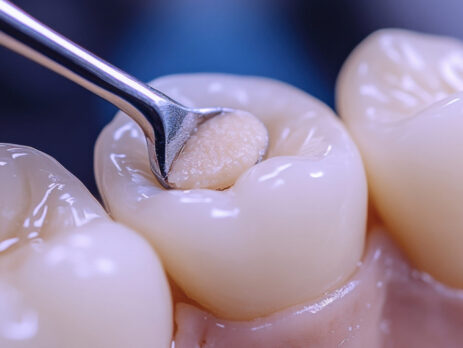
What to Do If a Filling or Crown Falls Out on Holiday?
A dental filling or crown falling out during vacation can be a worrying situation, especially if you are out of town or abroad. Suddenly feeling a hard piece in your mouth while eating, feeling a gap in your tooth, or the appearance of a reduced and sensitive surface of a tooth that previously had a crown, may indicate that the filling or crown has come loose. In such a situation, instead of panicking, following the right steps is of great importance to protect the tooth from further damage.
The most important thing to do if a filling or crown falls out on vacation is to keep the fallen piece if possible, not to chew with the affected tooth, to keep the area clean, and to consult a dentist as soon as possible. Even if there is no pain, it is not advisable to postpone treatment for a long time until after the vacation. Because the tooth tissue remaining under the filling or crown can become more vulnerable to external factors, bacteria, hot-cold stimuli, and chewing forces.
In this guide, we will discuss in detail what you should do first if a filling or crown falls out on vacation, which practices you should avoid, how safe temporary solutions are, and which symptoms require an emergency dentist visit.
What to Do First If a Filling or Crown Falls Out During Your Holiday?
The moment you notice a filling or crown has fallen out, your primary goal should be to protect the affected tooth from further trauma and irritation. Especially in situations where it happens while eating, be careful not to accidentally swallow the fallen piece. If the crown has completely come off, store the piece in a clean and safe place. Your dentist can assess after an examination whether the existing crown can be reused.
In the initial stage, you can follow these steps:
- Carefully check your mouth and find the fallen piece if possible.
- If the crown has come off, store it in a clean box or container.
- Gently rinse the area with warm water to clean it.
- Avoid chewing hard foods on the side where the tooth is affected.
- Avoid very hot, very cold, hard, and sticky foods.
- Monitor for pain, swelling, or bleeding in the tooth.
- Contact a dentist as soon as possible.
A fallen filling or crown does not always cause severe pain. However, the absence of pain does not mean the tooth is safe. Especially the reduced tooth structure remaining under the crown or the exposed dentin layer under the filling can become sensitive over time and more susceptible to bacterial infection.
What to Do If a Tooth Filling Falls Out During Your Holiday?
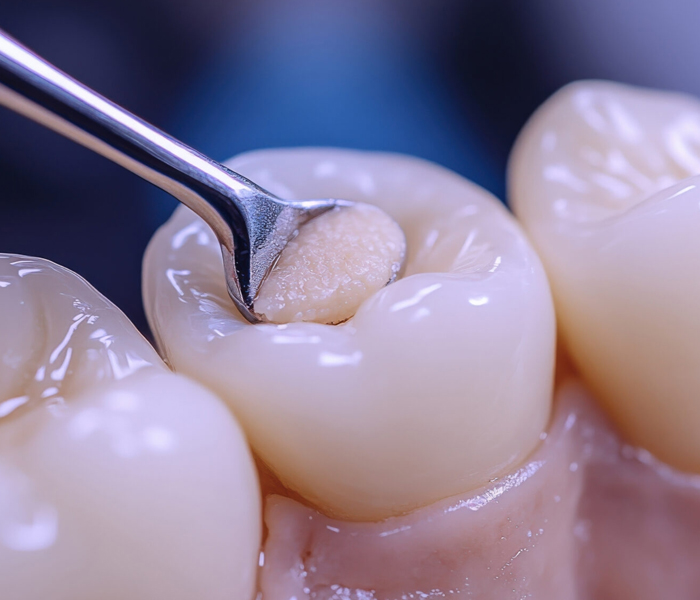
Tooth fillings are applied to reshape teeth with decay, fractures, or substance loss, and to restore their function. However, over time, due to wear of the filling, new decay forming around the filling, biting a hard food, teeth grinding, or weakening of the bond between the filling and the tooth, the filling may fall out partially or completely.
If your filling fell out while on holiday, first of all, do not poke a toothpick, needle, or any other sharp object into the gap. Since food debris can accumulate in the area, brush your teeth with gentle movements and rinse your mouth with water. However, do not aggressively try to clean the exposed area.
For more comprehensive information about a lost filling, you can also review our guide titled What to Do if a Tooth Filling Falls Out? Pain and Emergency Intervention.
If a sharp edge forms on the tooth after a filling falls out, it can irritate your tongue and cheek. In this case, avoid playing with the area. While temporary dental materials, available in pharmacies and specially produced for oral use, can be used for short-term protection in some cases, they are not a substitute for permanent treatment. Product usage instructions must be followed, and a dental examination should be scheduled as soon as possible.
What to Do if a Dental Crown Falls Out While on Holiday?
When a dental crown falls out, the situation is slightly different from a filling. This is because a crown is usually a restoration that covers all or a large part of the prepared natural tooth. With the crown coming off, the underlying reduced tooth tissue may become exposed.
If the crown has come off completely, do not throw it away. Store the crown in a clean container and take it to the dentist. If the crown is not broken, there is no new decay or fracture in the underlying tooth, and its fit is appropriate, it may be possible to recement it in some cases. However, whether this is possible can only be determined by a clinical examination.
After the crown falls out, do not stress the underlying tooth with hard foods. Especially hazelnuts, hard candies, ice, shelled nuts, and sticky foods can increase the risk of damage.
To learn more about veneer treatments and the restoration options used, you can review our content on veneer tooth treatment and the treatment process.
Can a Fallen Veneer Be Replaced?
Yes, in some cases, a fallen veneer can be reused; however, not every fallen veneer can be re-bonded. Before a decision is made, the veneer, the underlying tooth tissue, and the occlusal relationship must be evaluated by a dentist.
Factors influencing whether a veneer can be reused include:
- Whether the veneer is broken or cracked,
- Whether there is decay in the underlying tooth,
- Whether there is a fracture or substance loss in the tooth,
- Whether the marginal fit of the veneer is preserved,
- The condition of the inner surface of the veneer,
- The way the tooth is exposed to occlusal and chewing forces.
If the veneer came off solely due to the weakening of the adhesive material’s bond, reapplication may be possible. However, if decay has developed under the veneer or if there is a fracture in the tooth tissue, these problems may need to be treated first.
In fixed restorations, oral hygiene and the health of the tissues around the restoration are important for long-term success. You can access academic studies evaluating the risk of secondary caries in fixed dental prostheses via PubMed.
Is It Correct to Re-bond a Fallen Veneer at Home?
It is strongly not recommended to reattach a fallen crown/veneer with super glue, strong household adhesives, or any chemical not intended for oral use. These substances can damage oral tissues, cause the crown/veneer to be fixed in the wrong position, and complicate subsequent treatment by the dentist.
It is also risky to bite down when trying to reseat the crown/veneer without being sure it is in the correct position. A wrongly placed crown/veneer can sit high, disrupt the bite, or damage the underlying tooth.
Temporary dental cement products designed for oral use can be found in pharmacies. However, these are only temporary solutions and may not be suitable for every case. If there is a fracture, decay, or infection under the crown/veneer, temporarily reattaching the crown/veneer may delay the detection of the problem.
Can Chewing Gum Be Used to Replace a Fallen Filling?
This question is often asked, especially by people on vacation who cannot immediately reach a dentist. While sugar-free gum may be mentioned in some sources as a temporary option for very short-term protection of an open and sensitive area, it is not a filling material and should not be used as a permanent solution.
Pressing gum into the cavity can make it difficult to clean the area or apply pressure to the sensitive tooth. Therefore, if possible, temporary dental materials specifically designed for oral use should be preferred, and professional evaluation should not be delayed.
Why Do Fillings or Crowns/Veneers Fall Out During Vacation?
Although it often seems like a coincidence that it occurs during vacation, changes in eating habits, increased consumption of hard or sticky foods, and disruption of the daily oral hygiene routine during the holiday period can contribute to a problem in an existing restoration becoming noticeable.
Some of the reasons that may lead to a filling or crown falling out are:
- Wear and tear of the filling or crown over time,
- Formation of new decay under or around the restoration,
- Biting hard foods,
- Consumption of sticky foods,
- Teeth clenching or grinding,
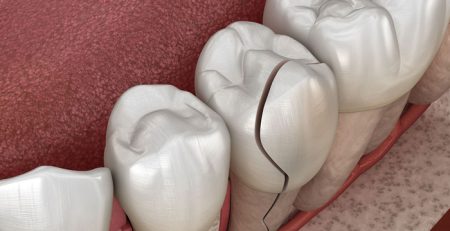
- Development of a crack or fracture in the tooth,
- Reduced retention of the crown,
- Uneven distribution of chewing forces,
- Advancement of the restoration’s service life.
There may not be a single cause for restoration failures. Especially in root-canal-treated and restored teeth, various complications such as loss of retention, marginal discrepancy, and displacement of the restoration can be observed. You can access one of the academic evaluations on this topic from the restorative complications study on PubMed.
Is Pain Normal After a Filling or Crown Falls Out?
After a filling or crown falls out, sensitivity to hot, cold, sweet, or pressure may occur. This can be due to the exposure of tooth tissue that was previously protected by the restoration.
However, the nature of the pain is important. Short-term sensitivity is not evaluated in the same way as pain that starts spontaneously, is throbbing, and wakes you up at night.
Dental evaluation should not be delayed if the following symptoms are present:
- Severe or progressively worsening tooth pain,
- Spontaneous throbbing,
- Pain that wakes you up at night,
- Swelling in the face or gums,
- Significant pain when biting,
- Suspicion of a tooth fracture,
- Bad taste or discharge in the mouth,
- Fever or a decline in general health.
For more information on the causes of sensitivity after a filling or crown falls out, you can read our content titled How to Relieve Tooth Sensitivity?.
How to Eat Until You See the Dentist?
When a filling or crown falls out, your diet plays an important role in protecting the tooth. It is necessary to chew on the other side as much as possible and avoid stressing the problematic tooth.
Foods temporarily recommended to avoid:
- Hard candies,
- Chewing ice,
- Hazelnuts and hard-shelled nuts,
- Turkish delight, caramel, and similar sticky foods,
- Very hot beverages,
- Very cold foods and beverages,
- Excessively sugary foods.
Softer, lukewarm, and easily chewable foods can be preferred. However, it is important not to leave the affected area untreated for a long time, even if there is no tooth pain.
Can You Go into the Sea or Pool with a Lost Filling or Crown?
The fact that a filling or crown has fallen out does not, by itself, prohibit going into the sea or pool in all circumstances. However, if there is severe sensitivity, pain, swelling, or signs of infection in the exposed tooth, a dentist’s evaluation should be the priority.
Sensitivity to cold water can especially increase. Instead of suppressing the symptoms to continue with your holiday plans, it is safer to assess the severity of the problem.
Is a Lost Filling or Crown an Emergency?
A lost filling or crown is not always a situation requiring a hospital emergency room visit; however, it is a dental problem that requires a dentist’s evaluation in a short period. The absence of pain does not mean that treatment is unnecessary.
Faster evaluation is required in the following situations:
- Severe and uncontrollable pain,
- Rapidly increasing facial swelling,
- Fever and signs of infection,
- Fracture of a large part of the tooth,
- Loss of crown or filling due to trauma,
- Sharp tooth edges severely injuring oral tissues.
It should be remembered that especially after trauma, not only the filling or crown but also the tooth root and surrounding tissues might have been affected.
Is It Right to Wait Until the Holiday Ends?
The answer to this question depends on the condition of the tooth and how long the holiday will last. A short wait of one or two days is not the same as remaining untreated for weeks. Even if there is no pain, prolonged exposure of the tooth tissue without protection can lead to new problems.
Especially if there is decay under the crown, a fracture in the tooth, or an infection, simply re-cementing the crown may not be sufficient. Academic studies show that secondary caries and biological complications in fixed restorations are important for long-term success. You can access the scientific publication on the subject via PubMed Central.
Therefore, if your holiday will be long, it might be more appropriate to have a dental check-up at your current location. If you will be returning shortly, it is recommended to contact your own dentist, explain your situation, and schedule an timely appointment.
What Treatments Can Be Done After a Filling or Crown Falls Out?
The treatment to be applied varies depending on why the restoration fell out and the condition of the underlying tooth. The dentist determines the treatment plan after a clinical examination and, if necessary, a radiographic evaluation.
Possible treatment options include:
- Replacement of the filling,
- Re-evaluation and re-application of the existing crown under suitable conditions,
- Preparation of a new crown,
- Cleaning the underlying decay and restoring the tooth,
- Evaluation of root canal treatment if there is advanced pulp involvement in the tooth,
- Reconstruction of fractured tooth tissue,
- Planning different restorative options according to the tooth’s condition.
To learn the differences between fillings and crowns, and which treatment might be preferred in which situation, you can examine our guide titled Filling or Crown? The Most Accurate Treatment to Save Your Tooth.
Scientific literature evaluating types of failures that can be observed in post-supported restorations and crowned teeth shows that restoration loss can develop through different mechanisms. You can access one of the systematic evaluations on this topic via PubMed Central.
What to Do If a Zirconium Crown Falls Out While on Holiday?
In case a zirconium veneer falls off, the basic approach is similar to other fixed restorations. Keep the veneer, protect the underlying tooth, and do not attempt to fix the veneer back in place with household adhesives.
Even if the zirconium veneer itself appears intact, its reusability cannot be determined solely by its external appearance. The inner surface of the veneer, marginal fit, underlying tooth tissue, and occlusal relationship must be evaluated by a dentist.
For more information about zirconium treatment and holiday planning during the summer, you can review our content titled Can Zirconium Veneers Be Done in Summer?.
Should Fillings and Veneers Be Checked Before Going on Holiday?
Especially if you are planning a long-term or international holiday and have existing dental problems, it may be beneficial to have a routine dental check-up before your trip. A loose veneer, a fractured filling margin, or an early-stage cavity may not always cause noticeable pain.
A pre-holiday check-up may be particularly important for the following individuals:
- Those with old and large fillings,
- Those with multiple veneers,
- Those who have previously experienced loosening of their veneers,
- Those with teeth grinding or clenching problems,
- Those who have recently experienced toothache or sensitivity,
- Those who will be traveling to a place where access to a dentist will be difficult for a long time.
What Can Be Included in a Dental Emergency Kit for Holidays?
Especially for long journeys, preparing a small oral and dental care kit can be beneficial. The purpose of this kit is not to perform treatment at home, but to maintain oral hygiene until professional dental assistance can be reached.
- Toothbrush and fluoride toothpaste,
- Dental floss or suitable interdental cleaning products,
- A small and clean storage container,
- Your personal health information and a list of medications you regularly use,
- Contact information for healthcare facilities reachable in the region you are visiting.
Before using any temporary dental product, ensure that the product is indeed manufactured for intraoral use and follow the usage instructions.
What Not to Do When a Filling or Crown Falls Out on Holiday
Incorrect interventions can make the existing problem more serious. Therefore, the following practices should be avoided:
- Attempting to reattach the crown with super glue or household adhesives,
- Prodding the fallen filling cavity with sharp objects,
- Postponing treatment for weeks just because there is no pain,
- Continuing to chew hard foods with the problematic tooth,
- Losing or discarding the crown,
- Ignoring signs of swelling and infection,
- Attempting to apply permanent treatment yourself without professional assessment.
Frequently Asked Questions
My filling fell out on holiday, should I see a dentist immediately?
A dental evaluation is recommended as soon as possible. If there is severe pain, swelling, or a fracture, the evaluation becomes more urgent. Even if there is no pain, it is not recommended to leave exposed tooth tissue unprotected for a long time.
My filling fell out but I have no pain, can I wait?
The absence of pain does not mean the tooth is completely healthy. There might be decay under the filling or a crack in the tooth. Therefore, a dental check-up should not be delayed.
My crown/veneer fell off, can it be reattached?
If the crown/veneer is intact and there is no decay or fracture in the underlying tooth, it can be reused in some cases. However, only a dentist can make this decision after an examination.
Should I take the fallen crown/veneer with me?
Yes. It is recommended to keep the crown/veneer in a clean and safe container and take it to your dentist. Whether the existing crown/veneer can be reused can be evaluated during the examination.
Can I reattach the fallen crown/veneer with super glue?
No. Household glues are not designed for oral use and can harm tissues. Moreover, cementing the crown/veneer in the wrong position can complicate treatment.
What should I do if my dental crown/veneer falls off at night?
Keep the crown/veneer, keep the area clean, avoid chewing on that side, and contact your dentist as soon as possible. If there is severe pain, facial swelling, or serious trauma, an emergency evaluation may be required.
Can a temporary filling be placed instead of a fallen filling?
Some temporary dental materials designed for oral use can be used for short-term protection. However, these do not replace a permanent filling, and the underlying problem needs to be evaluated by a dentist.
Why does the underlying tooth become very sensitive when a crown/veneer falls off?
When the prepared tooth structure underneath the crown/veneer is exposed to the external environment, sensitivity to stimuli such as hot, cold, sweet, and pressure may develop. The intensity of the sensitivity varies according to the current condition of the tooth.
My crown/veneer fell off during vacation, can I wait until the vacation ends?
This situation depends on the duration of the holiday and the clinical condition of the tooth. Waiting for a long time can lead to further damage to the tooth. One should not wait, especially if there are signs of pain, swelling, fracture, or infection.
Should a fallen crown be kept in water?
Usually, it is sufficient to keep the crown in a clean and safe container. If possible, you can get information from your dentist by phone on how to preserve the crown.
Does a filling or crown falling out mean the tooth has decayed?
Not always. Wear and tear of the restoration, weakening of the bond, consumption of hard foods, teeth grinding, or mechanical forces can also cause it to fall out. However, the possibility of new decay underneath should also be evaluated.
Can the tooth break if the crown falls off?
The tooth remaining under the crown may be more vulnerable to external forces, especially if there is significant substance loss. Therefore, it is important not to chew hard foods with the affected tooth and not to delay professional evaluation.
Melsadent: If a Filling or Crown Falls Out During Your Holiday
A filling or crown falling out during a holiday can be annoying; however, with the right first aid, it is possible to protect the tooth from unnecessary risks. The most important steps are to save the fallen piece, keep the tooth clean, avoid chewing with the affected side, refrain from using household adhesives, and not delay a dental check-up.
Not every filling or crown falling out occurs for the same reason. While in some cases, merely replacing or re-evaluating the restoration may suffice, in others, additional treatment may be required for underlying decay, fracture, or another dental problem. Therefore, temporary solutions found online should not replace a professional examination.
At Melsadent Oral and Dental Health Polyclinic, fillings, crowns, and other restorative dental treatments are planned specifically for each patient, evaluating their current oral and dental health. If you have complaints about your existing fillings or crowns before your holiday, or if you want a fallen restoration evaluated upon your return from holiday, you can schedule a dental examination.
Remember: In the case of a fallen filling or crown, the goal is not only to re-close the gap but also to determine why the restoration fell out and to protect the health of the underlying tooth tissue.