



What is IPR in Clear Aligner Treatment? Is it Harmful?
Some patients starting clear aligner treatment may become anxious when they learn that their orthodontist has recommended a small amount of stripping between their teeth. It is often wondered why healthy tooth enamel needs to be reduced, whether the procedure is painful, and if it causes long-term damage to the teeth.
Short answer: IPR is the creation of space for orthodontic movement by removing a controlled amount of enamel from the interproximal surfaces of teeth that are in contact. When applied correctly in the right patient, in appropriate amounts, and using professional methods, it can be an important part of the treatment plan. However, it is not necessary for every patient and is an irreversible procedure.
What is IPR in Clear Aligner Treatment?
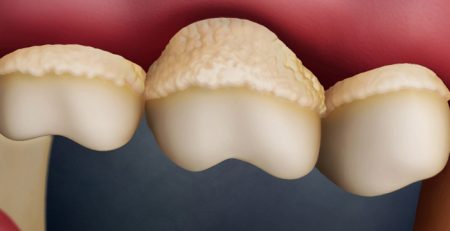
IPR is an abbreviation for “Interproximal Reduction”. In Turkish, it is called interdental enamel reduction or interproximal reduction. Also known as stripping in orthodontics, this procedure involves removing a very thin layer of enamel from the surfaces of teeth that face each other.
The purpose of the procedure is not so much to reduce the size of the teeth, but to create the necessary space for the teeth to be properly aligned. It can be used, especially during clear aligner treatment, to enable certain tooth movements determined by digital planning.
IPR should not be confused with grinding the chewing surface of a tooth or reducing a tooth to prepare it for a crown. This is a much more limited, measured procedure.
Why are Teeth Stripped in Clear Aligner Treatment?
For teeth to be properly aligned, there must be sufficient space on the jawbone. When the total width occupied by the teeth exceeds the available space, crowding can occur. In such cases, the orthodontist may evaluate different methods for gaining space.
The main reasons for applying IPR are:
- To reduce crowding: Creating small spaces for the alignment of overlapping teeth.
- To balance tooth dimensions: Helping to correct width discrepancies between upper and lower teeth.
- To facilitate tooth movements: Providing space for clear aligners to achieve planned movements.
- To reshape teeth: Improving aesthetic appearance by altering the shape of contact points in suitable cases.
- To reduce the appearance of black triangles: Supporting the management of triangular spaces near the gum line in some patients.
A scientific review published in 2024 examines the use of the procedure in terms of space creation, tooth size discrepancies, and aesthetic adjustments. However, it is stated that the method is not suitable for every orthodontic problem.
How is the IPR Procedure Performed?
Before the procedure, the patient’s tooth structure, enamel thickness, caries risk, and orthodontic needs are evaluated. The digital treatment plan can determine how much space will be created between which teeth.
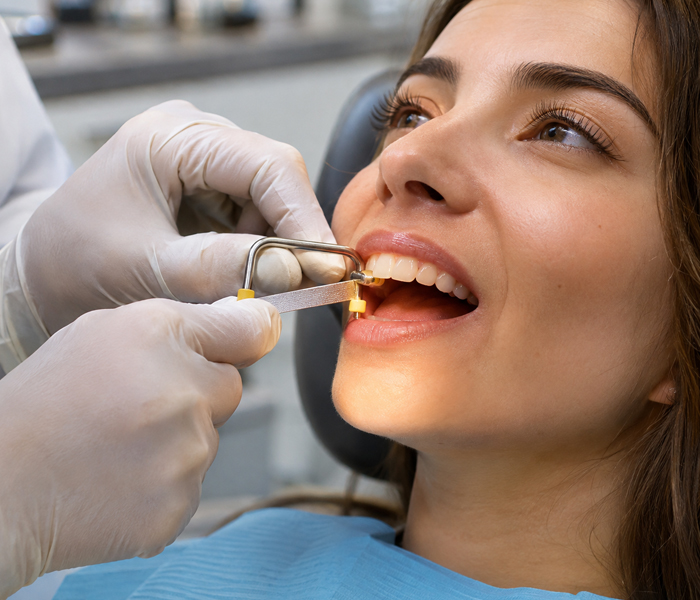
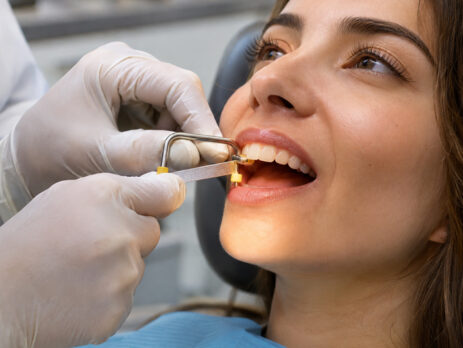
During the procedure, special abrasive strips, thin discs, or controlled mechanical systems can be used. The planned amount of enamel is removed from the interproximal surfaces of the teeth. Then, the resulting space is checked with appropriate measuring tools.
If necessary, the surfaces are polished, and fluoride application can be performed according to the dentist’s evaluation. It is also possible to repeat the procedure at different stages of treatment.
The clinical study published in 2020 showed that the amount of abrasion planned in the digital environment is not always the same as the amount achieved in practice. Therefore, measurement and clinical control are important.
How Much Enamel is Removed from Teeth During IPR?
The amount of enamel removed is usually expressed in tenths of a millimeter. For example, in some contact areas, a total space gain of approximately 0.2–0.5 mm may be planned. However, this amount is not a standard value applicable to every tooth.
Safe limits depend on the tooth’s position, enamel thickness, surface characteristics, and overall treatment needs. By gaining a limited amount of space between multiple teeth, more overall space can be created.
What is important is not to remove the maximum possible enamel, but to achieve the targeted movement with the minimum amount required by the treatment.
Does IPR Hurt? Is Anesthesia Necessary?
Since the procedure only targets the enamel layer on the outer surface of the tooth, local anesthesia may not be required for most patients. During the application, a slight vibration, pressure, or friction may be felt.
However, discomfort may occur in individuals with existing tooth sensitivity, exposed root surfaces, or other dental problems. Short-term temperature sensitivity may also be observed after the procedure.
Severe pain, prolonged sensitivity, or significant gum injury should not be considered normal and should be reported to the dentist.
Does IPR Harm Tooth Enamel?
Tooth enamel is not a tissue that regenerates itself naturally. Therefore, enamel removed with IPR does not grow back. It is of great importance that the procedure is performed only in areas deemed necessary and in a controlled manner.
A systematic review published in 2021 reported no significant increase in caries, gum problems, or sensitivity after the procedure in the clinical studies examined. However, the overall quality of evidence from the research was rated as low or very low.
Therefore, it cannot be said that the procedure is completely risk-free. Excessive abrasion, inadequate surface polishing, or existing oral health problems can lead to undesirable outcomes.
In Whom Might IPR Not Be Suitable?
Enamel reduction is not necessary for every clear aligner patient. Careful evaluation is required, especially in patients with active caries, significant enamel loss, high caries risk, or severe sensitivity.
The existing width of the teeth, occlusal relationship, and periodontal health status also influence the decision. In some patients, controlled tooth movement, arch expansion, or different orthodontic approaches may be more appropriate.
Therefore, the treatment method should not be decided solely by looking at digital simulation. As explained in Melsadent’s content on digital orthodontic planning, digital technologies are tools that support clinical evaluation.
What Should Be Considered After IPR?
After the procedure, temporary gaps may be noticed between the teeth. The aim is for these areas to close as a result of tooth movements carried out with clear aligners. However, the closing time of the created gaps may vary from person to person.
During this period, attention should be paid to oral hygiene. Regular brushing with fluoride toothpaste and proper interdental cleaning are important. For correct techniques, you can refer to our guide on how to use dental floss.
Clear aligners should be used for the duration specified by the dentist, and control appointments should not be missed. It is strictly not recommended to file teeth gaps at home or to interfere with any abrasive tool.
What is the Difference Between IPR and Clear Aligner Attachments?
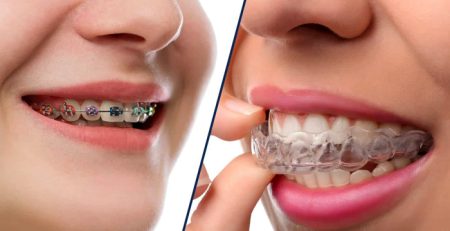
IPR and attachment applications serve different purposes. While IPR creates space between teeth, attachments help aligners perform specific movements through small composite bumps added to the teeth.
Both methods can be used together in a treatment plan. To learn about the function of attachments and situations that require attention, you can review our article on clear aligner attachments.
Frequently Asked Questions
Is the IPR procedure applied to all teeth?
No. It is applied only to the appropriate contact surfaces of teeth deemed necessary in orthodontic planning. Some patients may not require any abrasion.
Are the gaps between teeth permanent?
The created spaces are aimed to be closed by tooth movements throughout the treatment. However, the outcome depends on the realization of the planned movements and the treatment process.
Does tooth decay occur in teeth after IPR?
It has not been definitively shown that controlled applications necessarily increase the risk of decay. However, oral hygiene, enamel characteristics, and the individual’s existing risk of decay are important.
Is clear aligner treatment possible without IPR?
Yes. In many patients, treatment can be carried out without the need for this procedure. However, in some cases of crowding or tooth size discrepancies, alternative methods may be required.
Does IPR make teeth smaller?
Technically, a very small amount of enamel is removed from the side surfaces of the tooth. The goal is not a noticeable reduction visible to the eye, but to gain the necessary orthodontic space.
How many minutes does the IPR procedure take?
The duration depends on the number of teeth to be treated and the method used. It may take a short time in limited areas; more time may be required for multiple contact points.
Why is Proper Planning Important in Clear Aligner Treatment?
Successful orthodontic treatment should focus not only on the teeth appearing straight but also on a healthy bite relationship and the preservation of tooth tissues. IPR is one of the auxiliary methods that can be beneficial when there is a correct indication.
You can find out the causes of your tooth crowding, possible treatment options, and whether enamel abrasion is needed by having an evaluation for clear aligner treatment at Melsadent Oral and Dental Health Polyclinic, which serves in Tuzla.
Remember, every patient’s dental structure is different. The most suitable approach can only be determined through a detailed orthodontic examination and personalized treatment planning.