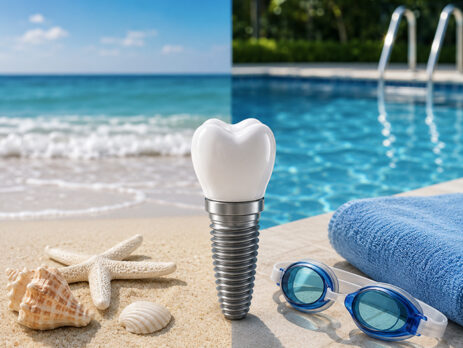
When Can One Go Into the Sea and Pool After an Implant?
When Can You Go into the Sea and Pool After an Implant?
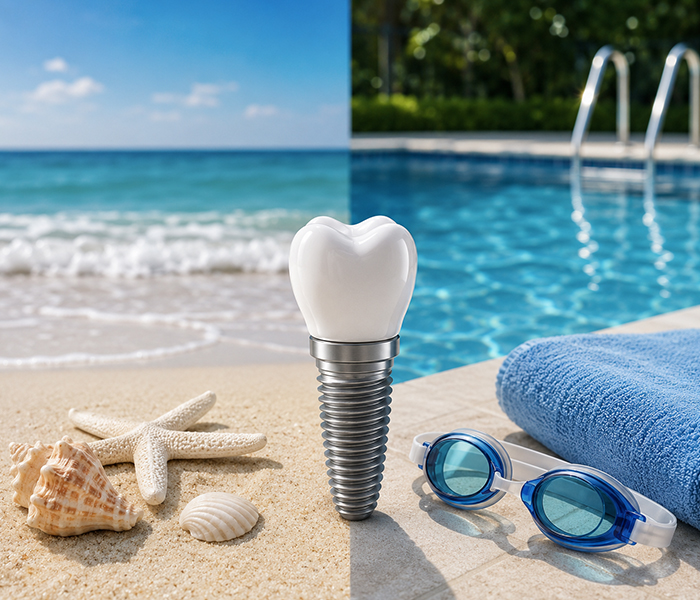
One of the most frequently asked questions after implant treatment is: “When can one go into the sea and pool?” Because patients who want to return quickly to daily life after treatment is completed, especially during the summer months, look for a clear answer on this matter. However, the healing process after an implant is not limited to just the placement of the screw in the bone. A certain period is required for the soft tissues around the implant to close, for tissue sensitivity to decrease, and for the risk of infection to drop.
As a general approach, it is necessary to stay away from the sea and pool for the first few days. Many physicians recommend being cautious, especially for the first 7 days, and in some cases, waiting 10–14 days. If additional surgical procedures were performed, such as bone grafting, sinus lifting, multiple implant placement, or a surgical plan with sutures, this period may be extended further. The most accurate timing should always be determined under the guidance of the examining physician.
For more detailed treatment information on this matter, you can visit our Implant Treatment page. To get information about sutureless and navigated planning, the Navigated Sutureless Implant Treatment page will also be useful.
Why Not Enter the Sea or Pool Immediately After an Implant?
In the early period after implant placement, intraoral tissues are sensitive. There is a small healing surface in the surgically treated area, and this area must be protected against external factors. Although seawater may appear natural, it can carry a microbial load. Pool water, on the other hand, contains chlorine, which can sometimes cause irritation in the tissues. Furthermore, staying in a pool or sea environment for extended periods can unknowingly lead to sudden movements, the risk of impact, or the re-initiation of bleeding.
Another important point is this: Although post-implant infection is rare, an infection developing in the early period can negatively affect implant success. Therefore, instead of rushing with the thought of “nothing will happen,” it is necessary to prioritize tissue healing. Published studies on post-implant surgery care and early complication management emphasize the importance of postoperative protocols.
Is the Sea or Pool More Risky?
Both options carry risks in the early period, but the type of risk differs. In seawater, the microbial load is variable; coastal areas, crowded beaches, and hot weather conditions can increase the risk. In pool water, chlorine, pH balance, and water circulation are important. In poorly maintained pools, the risk of infection can increase, and excessive chlorine use can also cause irritation in sensitive tissues.
Therefore, a one-sentence answer like “the sea is safer” or “the pool is safer” would not be accurate. Staying away from both in the initial days is the healthiest approach. Once healing is complete, swimming in the sea or a pool can be planned with your doctor’s approval.
Practical Timeline for a Safe Period After Implant Placement
First 24 hours: Absolutely no sea or pool. Rest is required for bleeding control, clot protection, and tissue stability.
First 3–7 days: This is the most critical period. Swimming is not recommended due to sutures, delicate tissue, and potential swelling.
7–14 days: In some simple cases, with the doctor’s approval, one can return to daily life more comfortably. However, this does not apply to everyone.
After 2 weeks: If tissue closure is progressing well and there are no issues during the follow-up examination, approval for sea or pool swimming may be given.
Cases with additional surgery: If there is a bone graft, sinus lift, advanced surgery, or multiple implants, this period may be longer.
For detailed information about implant treatment duration and stages, you can review the How Many Sessions Does Implant Treatment Take? Treatment Process page.
In Which Cases Should One Wait Longer?
Each patient’s healing capacity is different. In the following situations, the waiting period for sea and pool may be extended:
1. If there are sutures: It is not recommended to enter the water before the suture line has fully closed.
2. If a bone graft has been performed: The graft area needs to be protected.
3. If a sinus lift has been performed: There may be more pressure and healing sensitivity in the upper jaw area.
4. If smoking: Tissue healing may be delayed.
5. If there is diabetes or immune problems: The risk of infection should be managed more carefully.
6. If pain, bleeding, bad odor, or swelling persists: It is not yet the right time to start swimming.
If you want to read in detail about risky situations for implants, the article To Whom Are Dental Implants Not Applied? may also be helpful.
What Should Be Considered Before Going Into the Sea or Pool?
Do not start swimming before your first check-up. Your doctor will tell you the appropriate time by evaluating the condition of the stitches, tissue closure, pain level, and risk of bleeding. Even if you have received approval, it is necessary not to stay in the water for a long time during the first few days, avoid very hot environments, and refrain from strenuous exercise.
Also, do not neglect your oral hygiene before going into the pool or sea. Use the mouthwash or care products recommended by your doctor only as advised. Especially after implant surgery, diet, cleaning, and habits directly affect the quality of healing. In this regard, the article Foods to Be Careful About After Implant Treatment will also be useful.
Can One Enter the Sea and Pool Earlier with Stitchless Implants?
Stitchless or navigated implant is a modern method that can increase healing comfort. However, it should be especially emphasized that this does not mean “you can enter the pool immediately.” Even if the surgical area is smaller, tissue healing still takes time. Therefore, no matter how comfortable the method is, the decision to enter the water in the first few days still depends on your doctor’s control.
For more information about stitchless implants, you can visit the What is Navigated Stitchless Implant Treatment? page. The Useful Information section is also very helpful for Melsadent’s general information content.
When to Go Swimming in the Sea After Implant Surgery?
For patients planning a sea holiday, the safest approach is to complete the implant procedure well before the holiday. If the procedure was done recently, it is necessary to avoid going into the sea for at least the first week. A safer approach is when the stitches have been removed, pain and swelling have largely subsided, and no issues were observed during the follow-up examination. In some cases, this period may exceed 2 weeks.
Especially during hot summer months, prolonged sun exposure can also increase swelling in the area. Therefore, not only swimming but also factors such as sunbathing, strenuous sports, and long journeys should be taken into account.
Additional Warnings for Pool Use After Implant Surgery
Even if pools are cleaned regularly, protecting the intraoral surgical area in the early period is a priority. Chlorinated water may cause discomfort around the mouth for some individuals. Furthermore, highly active pool activities can lead to a severe impact or pressure change. Therefore, if you are considering swimming, first plan a short-term, controlled return with your doctor’s approval.
If your treatment was carried out in conjunction with another surgery, such as jaw surgery, sinus operation, or advanced implant planning, more comprehensive evaluations like Oral and Maxillofacial Surgery may also become important.
When Should You Consult a Doctor?
If you experience any of the following symptoms after implant surgery, stop swimming in the sea or pool and consult your clinic: increased pain, bad odor, persistent bleeding, significant swelling, fever, suture dehiscence (opening of stitches), discharge in the area, or increased sensitivity around the implant. Entering water with these symptoms can complicate healing.
Melsadent’s Frequently Asked Questions page is also a good starting point for such post-treatment topics: Frequently Asked Questions. To make an appointment, you can get support from the Online Appointment page.
Frequently Asked Questions
Can I take a shower on the first day after an implant?
Yes, most patients can take a shower; however, very hot water, prolonged steam exposure, and excessive bending are not recommended. Movements that could strain the surgical area inside the mouth should be avoided.
Does seawater help healing after an implant?
No. Although seawater may appear natural, it is not sterile. It should not be assumed to accelerate healing. In the early period, it can increase the risk of infection and irritation.
Does pool chlorine harm the implant area?
It may not directly harm the implant screw itself, but it can damage or irritate the surrounding soft tissues. This risk is particularly significant in the initial days.
I had a sutureless implant; can I swim sooner?
Not always. The sutureless method might be more comfortable, but tissue healing still requires time. Your doctor will make the decision.
Does the waiting period for entering the sea/pool change after sinus lifting?
Yes. In cases involving sinus lifting or bone grafting, the waiting period may be longer. One should not enter water without the dentist’s approval.
Can I swim if there’s no pain after the implant?
The absence of pain alone is not sufficient. Tissue closure, bleeding control, and the results of a clinical examination should also be evaluated.
How long should I avoid sports after an implant?
Strenuous exercise is not recommended in the first few days. For activities requiring effort, including swimming, your doctor’s approval should be awaited.
What should I do if the pain increases after swimming in the sea?
Stop swimming, do not strain the area, and contact your clinic. Do not self-medicate.
The recommendations in this content are consistent with published sources regarding post-implant infection, early healing, and the osseointegration process. If you wish to read more technically on the subject, the following resources are useful:
- Postoperative infections after dental implant placement (PubMed)
- Pre- and post-operative management of dental implant placement (PubMed)
- Contemporary Concepts in Osseointegration of Dental Implants (PMC)
- Implant aftercare (NHS)
There is no single, one-size-fits-all answer to the question When can one go into the sea and pool after an implant?. However, the safe approach is to absolutely avoid water for the first few days, to spend the first 7 days very carefully in most cases, and especially to make a decision after a doctor’s check-up around 10–14 days. If additional surgical procedures were performed, this period may be extended. The most appropriate time is determined by the examination findings of your treating physician.
When planning your summer vacation, do not neglect your post-implant care. If necessary, consult with the Melsadent team to create the most suitable recovery plan for you.