




Can Incipient Caries Be Stopped Without a Filling?
Can an Incipient Cavity Be Stopped Without a Filling?
Yes, some early-stage dental cavities can be stopped without a filling. Especially if a physical cavity has not yet formed in the tooth enamel, the progression of the decay can be controlled with fluoride applications, remineralization, and preventive dentistry methods. However, not every cavity can be treated in the same way. The degree of mineral loss in the tooth, whether the decay is active, and the patient’s oral hygiene habits determine the treatment decision.
In modern dentistry, the aim is not only to clean decayed tissue but also to preserve the natural tooth structure as much as possible. Therefore, in early diagnosed enamel lesions, non-filling treatment options can be considered first.
What is an Incipient Cavity?
An incipient cavity is an early-stage carious lesion where mineral loss begins in the enamel, which is the outermost layer of the tooth. Bacteria in the mouth produce acid, especially by using sugar-containing foods. These acids cause a decrease in calcium and phosphate minerals in the tooth enamel.
This process is called demineralization. If mineral loss continues, the enamel surface can weaken, and over time, a cavity may form. However, the process can be controlled in the early stages.
To learn more about the mechanism of dental caries formation, you can examine our content on the causes and symptoms of tooth decay.
Are White Spots on Teeth a Sign of Decay?
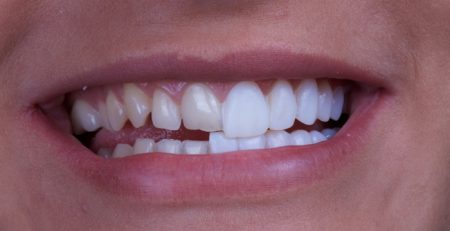
Early enamel caries sometimes appear as dull, chalky white spots on the tooth surface. This appearance can be a sign of mineral loss in the enamel structure. It can especially occur along the gum lines, around orthodontic brackets, and in areas that are difficult to clean.
However, not every white spot is a cavity. Fluorosis, enamel developmental disorders, and various mineralization problems can also create similar appearances.
The detection of a white spot on a tooth alone does not mean that a filling is necessary. The surface characteristics, location, and changes over time of the spots should be evaluated by a dentist.
How is Non-Filling Caries Treatment Performed?
Methods that can be applied to caries where a cavity has not yet formed vary depending on the location of the lesion and the risk of progression.
- Fluoride application: It can help increase the resistance of tooth enamel to mineral loss and stop early lesions. Professional fluoride varnish may be preferred in suitable patients.
- Remineralization: This is the process of restoring calcium and phosphate minerals from saliva to the enamel. Fluoride supports this natural mechanism.
- Fissure sealant: Applied to suitable grooves on the chewing surfaces of molar teeth, it can limit the accumulation of bacteria and food debris in these areas.
- Resin infiltration: In some superficial, non-cavitated lesions, it is a micro-invasive method that aims to reduce the permeability of the area with mineral loss using a special low-viscosity resin material.
The clinical guideline published by the American Dental Association reveals that non-filling treatments can be applied to appropriate early carious lesions.
Can Tooth Decay Be Healed with Remineralization?
Remineralization is an important biological process in stopping early-stage enamel lesions. When acid attacks in the oral environment are reduced, it may be possible to restore minerals to the tooth surface.
However, an important distinction lies here: Reversing mineral loss does not mean that an already formed carious cavity will spontaneously fill with tooth tissue.
The systematic review published by Cochrane shows that fluoride varnishes can contribute to preventing tooth decay in children and adolescents. The success of the treatment is associated with regular care and control of caries risk.
Can Resin Infiltration Be an Alternative to Filling?
Resin infiltration can be considered, especially for some initial lesions between two teeth. In this method, a special material is applied to the porous enamel structure to try and limit the progression of acids into the lesion.
The systematic review and meta-analysis published in 2025 reports that micro-invasive methods can reduce the progression of caries in suitable interproximal lesions.
However, the method is not suitable for every patient. The depth of the caries, surface integrity, and radiographic findings are decisive in treatment selection.
What Can Be Done to Stop Early Caries at Home?
In addition to professional assessment, the regulation of daily oral care plays an important role in controlling early lesions.
- Brushing teeth twice a day with appropriate fluoride toothpaste.
- Cleaning between teeth every day with dental floss or an appropriate interdental cleaner.
- Reducing the frequency of consumption of sugary snacks and drinks.
- Avoiding sugary food consumption, especially after brushing at night.
- Evaluating conditions that may cause dry mouth with a dentist.
- Not missing recommended check-up appointments.
Lemon, vinegar, or abrasive mixtures used at home do not treat decay; instead, they can damage tooth enamel. The type and amount of fluoride-containing products should be determined according to age, especially in children.
For more information on preventive care, you can read our article titled tooth decay prevention methods.
When Might a Tooth Filling Be Necessary?
Restorative treatment may become necessary if a physical cavity forms on the enamel surface, if decay progresses to the dentin layer, or if the area cannot be effectively cleaned.
Especially in cases where food constantly gets stuck, there is significant tooth tissue loss, or decay is progressing, fluoride application alone may not be sufficient.
However, not every dentin lesion automatically requires a filling. The treatment decision should be made considering the activity of the decay, its cleanability, and clinical findings. You can learn about the methods that can be applied when a filling is needed on our restorative dental treatment page.
How Often Should Early Cavities Be Checked?
Lesions treated without filling need to be followed up. The frequency of check-ups is determined by the patient’s caries risk, oral hygiene, the location of the lesion, and its progression.
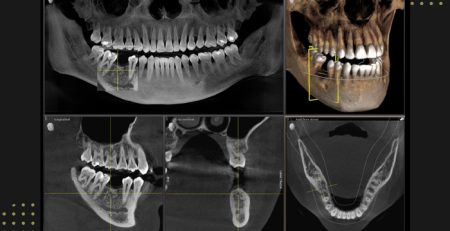
During the examination, the hardness and appearance of the tooth surface, and, if necessary, radiographic findings are compared. If the lesion’s progression has stopped, preventive care can be continued. If progression is detected, the treatment plan is re-evaluated.
Frequently Asked Questions
Can an incipient cavity heal on its own?
Under appropriate oral conditions, remineralization can occur in early enamel lesions. However, this does not mean that one should wait without doing anything. Fluoride use, dietary habits, and professional follow-up are important.
If there is a small black spot on the tooth, is a filling necessary?
Not every black spot is a cavity. Some tooth grooves may only have staining. The presence and depth of a cavity must be determined by a clinical examination.
Can a tooth with an incipient cavity be saved by brushing?
Proper brushing and the use of fluoride toothpaste can help control early lesions. However, an established cavity cannot be closed by brushing alone.
Does an incipient cavity cause pain?
Early enamel lesions are mostly painless. The absence of pain does not mean there is no cavity. If there is noticeable or persistent pain, a more comprehensive evaluation is required.
Can incipient cavities in children be treated without fillings?
Yes, preventive methods can be applied to suitable primary and permanent tooth lesions. Treatment is planned according to the child’s age, caries risk, and the condition of the tooth. For details, you can review our article on dental caries in children.
Does fluoride application stop all caries?
No. Fluoride can be effective in controlling early lesions, but it is not sufficient on its own for every caries with advanced tissue loss.
How is it understood that an incipient caries has stopped?
The surface characteristics, hardness, and changes over time of the lesion are evaluated. If necessary, comparisons are made with previous X-rays. A definitive decision cannot be made by just looking at the color of the stain.
Protect Your Natural Tooth Structure with Early Diagnosis
Dental caries is not always a problem that directly requires a filling. In suitable lesions where no cavity has yet formed, progression can be controlled with preventive applications. The important thing is to correctly determine the stage of the caries.
At Melsadent Oral and Dental Health Polyclinic, you can schedule an examination appointment to evaluate the condition of your teeth and determine suitable treatment options for you. You can find the contact information for our clinic in Tuzla on our contact page.