What is Polishing? What is Dental Polishing Used For?
What is Polishing? What is Dental Polishing Used For?
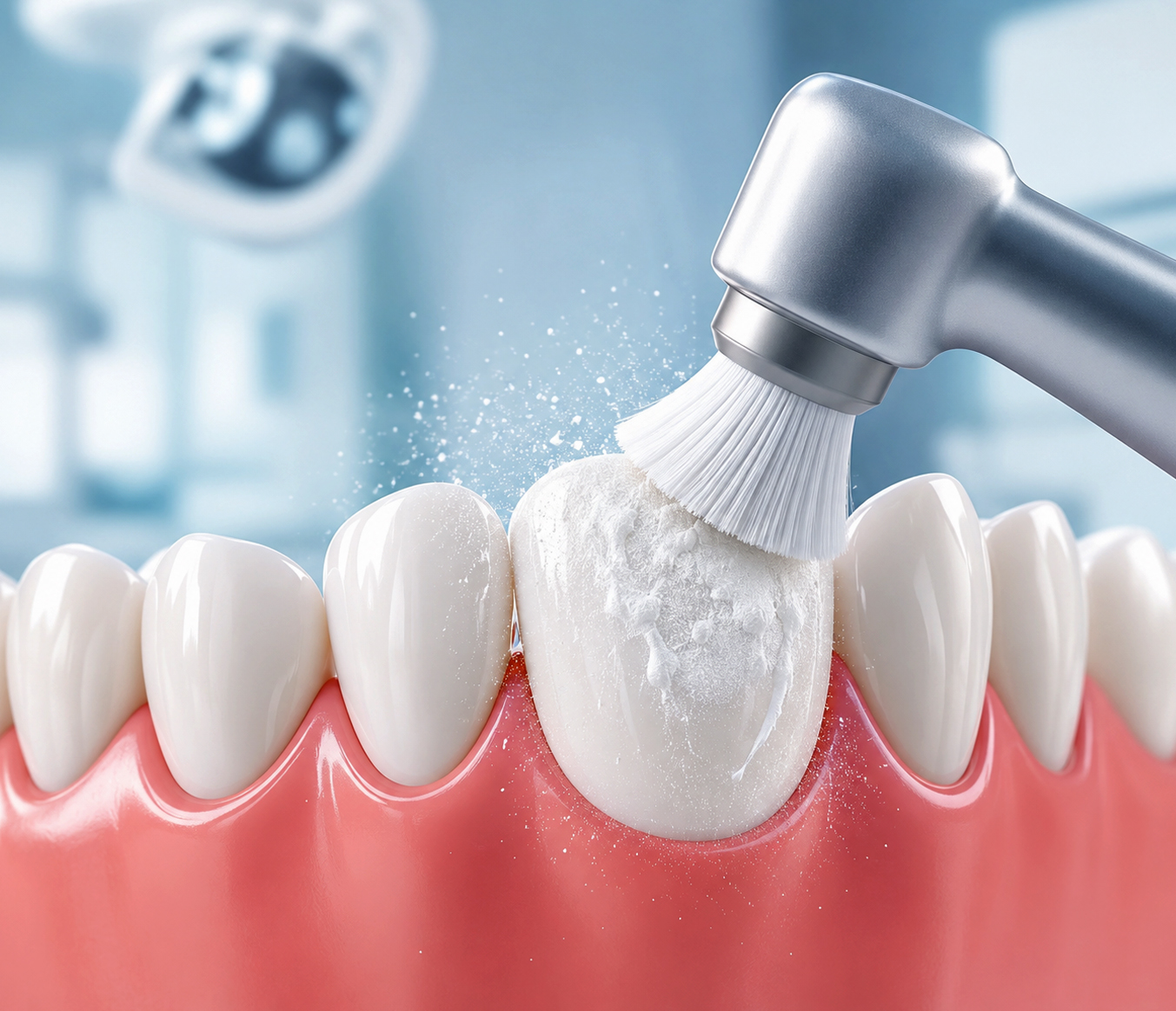
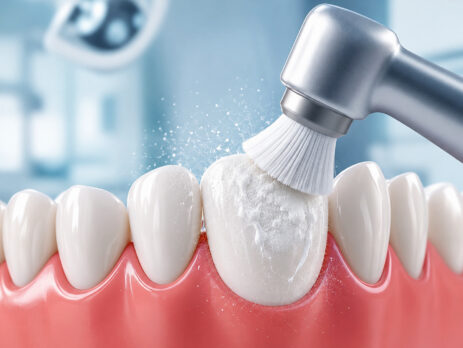
Polishing is the process of smoothing and shining the tooth surface with the help of special pastes, brushes, rubber tips, or modern air-polishing systems. Dental polishing is often applied as a complementary stage of professional dental cleaning and helps reduce external stains, microscopic roughness, and areas prone to plaque accumulation on the surface.
This procedure not only provides an aesthetic shine; it also helps make the tooth surface smoother and easier to clean. Thus, the effectiveness of daily oral care can increase, superficial discolorations can be reduced, and teeth can appear more uniform.
In short: Polishing is much more than “making teeth look whiter”; it is a professional oral care step that helps reduce plaque and stain accumulation by making the tooth surface smoother.
What is Dental Polishing Used For?
One of the main purposes of dental polishing is to make it more difficult for new plaque and stains to adhere by smoothing the tooth surface. Rough surfaces can create more favorable areas for bacteria to attach. Therefore, polishing helps bring the tooth surface to a more cleanable form.
The main benefits of polishing include:
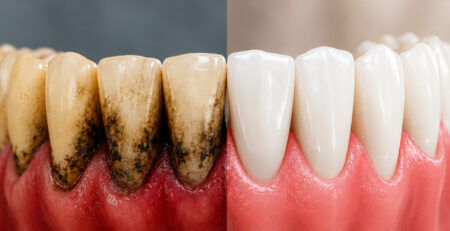
- Helps reduce superficial stains caused by tea, coffee, and smoking.
- It helps reduce plaque buildup by making the tooth surface smoother.
- It can create a cleaner and more comfortable feeling after dental calculus cleaning.
- It can provide an aesthetically brighter and more even smile.
- It can be supportive in surface refinement of fillings, veneers, and similar restorations.
Especially when applied after professional cleaning, polishing can contribute to reducing the “clean but rough” feeling on the teeth after the procedure. This also helps many patients become more motivated about their oral hygiene.
Is Polishing the Same as Dental Calculus Cleaning?
No, it is not the same thing. Dental calculus cleaning is the process of removing hard tartar buildup adhering to the tooth surface. Polishing, on the other hand, is a surface polishing step applied after this cleaning or when deemed necessary. In other words, while dental calculus cleaning is a “removal” process, polishing is more of a “correction and smoothing” stage.
It is important to understand this distinction correctly. Because some patients might confuse polishing with a standalone teeth whitening procedure. However, polishing does not structurally change tooth color; rather, it reduces surface stains and supports a cleaner appearance of the teeth.
For detailed information on this topic, you can also review Melsadent’s related content: Why Should Dental Calculus Be Cleaned?, What is Dental Calculus, How Does It Form, and How is It Cleaned?.
In Which Cases is Dental Polishing Performed?
Polishing is not applied to every patient in the same way and with the same frequency. The dentist decides whether polishing is necessary based on the results of the intraoral examination. It may be preferred more frequently, especially in the following situations:
- If there are stains on the tooth surface due to tea, coffee, cigarettes, or pigmented foods,
- If the surface needs to be smoothed after tartar removal,
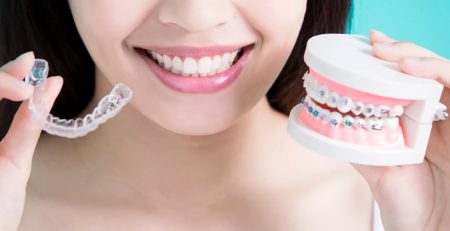
- If cleaning around brackets needs to be completed for individuals undergoing orthodontic treatment,
- If final touches are to be made to filling or restoration surfaces,
- If the aim is to reduce plaque accumulation that can cause bad breath.
This procedure usually takes a short time and is well-tolerated by patients. The sensation may vary depending on the method used during application; polishing done with classic rubber tips and modern air-polishing methods can offer different experiences.
How is Polishing Performed?
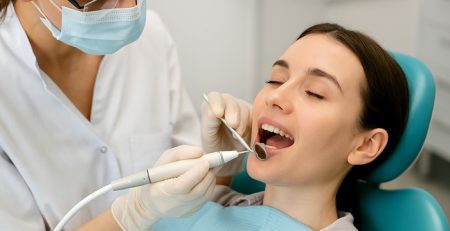
The polishing procedure is generally performed in the dental chair as a short and controlled application. First, a general intraoral evaluation is done. Then, the dentist selects the appropriate material according to the surface needs. This material could be polishing paste, rubber tip, brush, cup tip, air-polishing device, or similar professional equipment.
The procedure generally proceeds as follows:
- The tooth surface is examined, and the necessary areas are determined.
- If there are hard deposits on the surface, cleaning is performed first.
- The tooth surface is polished with appropriate polishing material.
- If necessary, areas reaching between teeth are supported with special tips.
- At the end of the procedure, the oral cavity is checked, and aftercare recommendations are provided.
Especially modern air polishing methods are considered an effective option for both removing stains from the tooth surface and controlling biofilm. However, the same method is not preferred in every case; the most appropriate decision is made after examination.
Is Tooth Polishing Harmful?
When used with the correct indication, material, and duration, polishing is not a harmful procedure. On the contrary, it can be a supportive part of professional oral care. However, unnecessary excessive and uncontrolled applications are not recommended, as the needs of every surface are not the same.
Therefore, polishing should not be considered an “always mandatory” procedure for everyone, but rather a care step planned by the dentist. The dentist’s aim is not to abrade the tooth, but to make the surface more cleanable and comfortable.
Does Polishing Whiten Teeth?
Polishing is not a tooth whitening procedure in the true sense. However, because it reduces extrinsic stains on the tooth surface, teeth may appear lighter and more vibrant. This can create the perception of “my teeth have whitened” in many patients.
The important distinction here is this: Polishing does not chemically change the enamel color. Whitening, on the other hand, targets discolorations within the internal structure of the tooth. So, polishing improves appearance, while whitening affects the color.
The following content may also be useful on this topic: How Long Does Tooth Whitening Last?.
What Should Be Considered After Polishing?
Post-polishing care is important for extending the effect of the procedure. The oral care routine recommended by the dentist should be followed, teeth should be brushed regularly, and interdental spaces should be cleaned. Especially in the first few hours, avoiding very dark-colored beverages can reduce the risk of superficial re-staining.
Key points to consider after polishing are:
- Maintain your regular tooth brushing routine.
- Use dental floss or an interdental brush.
- Reduce tea, coffee, and cigarette consumption as much as possible.
- Do not miss the check-up intervals recommended by your dentist.
- If you experience sensitivity or a different sensation, contact your clinic.
Good daily care helps you maintain the smooth surface advantage provided by polishing for longer. Therefore, polishing should be seen not as a standalone procedure, but as part of a holistic oral care plan.
The Relationship Between Polishing and Gum Health
The smoother the tooth surface, the more difficult plaque accumulation can be. Plaque control is critically important for gum health. Because as plaque accumulation increases, problems such as gum redness, bleeding, and sensitivity may arise.
For more comprehensive information on gum problems, you can also check Melsadent’s What is Gum Recession? Why Does It Occur and How is It Treated? content. Regular professional cleaning and polishing can help control the biofilm accumulated around the gums.
Why is Polishing Important for Restorations and Veneers?
Polishing is important not only for natural teeth but also for restorative materials such as fillings, veneers, composites, and similar. This is because restorations with poorly finished surfaces can retain more plaque, be more prone to discoloration, and cause irritation in surrounding tissues.
Therefore, the surface quality of restored teeth is important not only for aesthetics but also for long-term oral hygiene. Specifically, properly polished restorations provide a more comfortable feel and are easier to clean.
What is Air Polishing?
Air polishing is a modern cleaning and surface treatment method performed using special devices with pressurized air, water, and fine particles. This method can be used as an alternative or a complement to traditional rubber-cup polishing in some cases.
Notable aspects of air polishing include its effectiveness in hard-to-reach areas and its ability to provide faster results on some surfaces. However, its suitability varies for each patient. Factors such as gum sensitivity, restoration type, and overall oral condition are decisive in choosing the method.
Who is Polishing Not Suitable For?
While polishing can be applied to most patients, careful evaluation is necessary in some cases. Extreme sensitivity, active oral lesions, specific restoration surfaces, or particular periodontal conditions may influence the dentist’s decision. Therefore, instead of planning a procedure based on general information found online, a clinical examination is essential.
The most appropriate approach is for your dentist to evaluate your oral condition and create the most suitable cleaning and polishing plan for you.
Polishing and Professional Oral Care at Melsadent
At Melsadent Oral and Dental Health Polyclinic, professional cleaning and supportive care applications are planned according to the patient’s needs. This approach focuses not only on performing procedures but also on protecting oral health in the long term. A healthier and more aesthetic smile can be achieved when regular check-ups, proper care habits, and appropriate professional interventions are considered together.
To schedule an appointment, you can use the Online Appointment page. You can also review the clinic’s current services on the homepage: Melsadent Tuzla Dental Polyclinic.
Frequently Asked Questions
What is polishing?
Polishing is the process of smoothing and shining the tooth surface with special equipment and materials. It is usually applied as a complementary part of professional dental cleaning.
What is the purpose of dental polishing?
Dental polishing helps reduce superficial stains, makes it harder for plaque to adhere, and makes teeth look cleaner. It also supports the effectiveness of oral care.
Is polishing a painful procedure?
It is generally not a painful procedure. People with sensitivity may experience short-term discomfort; however, most patients tolerate the procedure comfortably.
Are polishing and teeth whitening the same thing?
No. Polishing only reduces surface stains and makes teeth appear brighter. Teeth whitening, on the other hand, aims to chemically lighten the tooth color.
How long does polishing take?
The procedure duration varies depending on the intraoral condition and the area to be treated. It is usually short and can be completed in a single session.
Is polishing done with every dental cleaning?
It is not mandatory in every case. Your dentist decides whether polishing is necessary based on your oral condition.
What should I eat after polishing?
A special diet is often not required after the procedure; however, it may be preferable not to consume highly colored and intensely pigmented food and beverages immediately afterward.
How often should teeth polishing be done?
This depends on the individual’s oral hygiene habits, the formation of tartar (calculus), and the dentist’s recommendation. It is planned as needed during regular check-ups.
Does polishing damage tooth enamel?
When applied with the correct technique, polishing is not done to damage tooth enamel. The aim is to smooth the surface and improve cleanability.
At what ages can polishing be done?
It can be performed in any age group where deemed necessary. It is applied in children, adolescents, and adults according to the indication.
Academic Resources
Routine scale and polish for periodontal health in adults
Air polishing: a review of current literature
Does Finishing and Polishing of Restorative Materials Affect Surface Properties?
Conventional versus comprehensive dental prophylaxis