The Role of Sutureless Implants in Smile Aesthetics
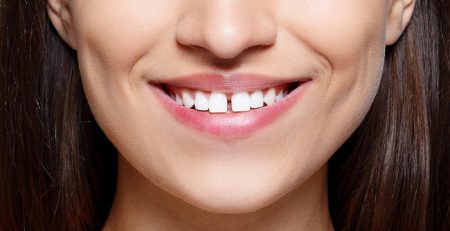
When smile aesthetics is mentioned, most people only think of tooth color, whitening, or veneers. However, the true aesthetic result emerges from the combined planning of teeth, gums, lip line, and facial proportions. It is precisely at this point that flapless implants stand out as a powerful option supporting the natural appearance of a smile, especially in anterior region and aesthetically focused cases. When correct patient selection, digital planning, and surgical precision come together, flapless implants not only complete missing teeth but also elevate smile aesthetics to a more balanced, faster, and more comfortable level.
What is a flapless implant and why is it aesthetically important?
A flapless implant is a minimally invasive implant approach applied without making a large incision in the gum and, in most cases, without stitches. This method is often referred to in conjunction with the concepts of flapless or guided implants. The basic idea is to reduce surgical trauma, preserve soft tissues as much as possible, and place the implant in the most optimal position with digital planning. Thus, the healing process can proceed more comfortably, swelling and bleeding can be reduced, and natural tissue contours in the aesthetic region can be better preserved.
Especially in the anterior tooth region, even a small amount of tissue loss can affect the overall perception of the smile. Asymmetry in the gum line, papilla voids, disharmony under the lip, or even minor errors in tooth-bone relationships can weaken the aesthetic outcome. The flapless approach is therefore not merely a “more comfortable” surgical option, but also a strategy aimed at tissue preservation in cases with high aesthetic sensitivity.
What problem does a flapless implant solve in smile aesthetics?
The main issue in smile aesthetics is not only the placement of the implant in the bone but also the preservation of the natural appearance of the surrounding tissues. In classical surgical approaches, when the gum is lifted, the tissue shape may change during the healing process. In stitchless implants, however, there is less intervention to the soft tissue. This can help create a more stable tissue architecture, especially in the anterior region.
From an aesthetic perspective, stitchless implants support the following critical points: a more natural appearance of the gum line, a more balanced papilla form in the anterior region, a reduced risk of tissue recession after healing, and the patient’s quicker return to their social life. As a result, not only is the missing tooth replaced; the smile appears more holistic and professional.
How Does AI-Supported Digital Planning Play a Role in This Process?
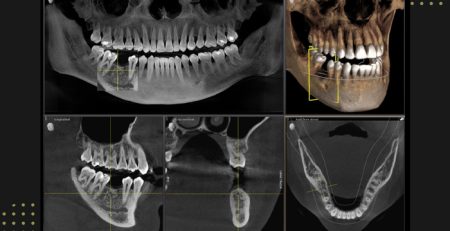
In today’s implant treatments, artificial intelligence is less of a diagnostic tool and more of an assistive technology that enhances planning. When CBCT images, intraoral scans, and digital records are combined, the surgeon can more clearly see at what angle, depth, and according to what prosthetic goal the implant will be placed in the bone. AI-supported software can analyze this data to identify potential risk areas, differences in bone density, and ideal placement scenarios.
The aesthetic importance of this approach is significant. Because even a millimeter error in the anterior region can affect both the appearance of the restoration and the gum support. Digital planning facilitates the arrangement of the implant axis, abutment design, and temporary restoration according to the aesthetic goal. In short, AI does not replace the dentist here; however, it makes the outcome more predictable.
Who is a Stitchless Implant Suitable For?
Not every patient may be suitable for sutureless implant. This method is generally preferred in cases where there is sufficient bone support, infection control has been achieved, the general health condition is suitable for planning, and the primary stability of the implant can be anticipated. If bone volume is insufficient in the anterior region, if there is an active infection, if there is advanced tissue loss, or if the surgical field of view is limited, conventional surgery or additional procedures may be more appropriate.
Therefore, the success of sutureless implants comes not from being “applicable to everyone,” but from being applied with the right plan in the right patient. Especially in patients with high aesthetic smile expectations, a detailed examination, radiological imaging, and prosthetic planning are necessary before starting treatment. The personalized approach emphasized on Melsadent’s implant treatment and frequently asked questions pages also gains importance at this point.
How does the treatment process for smile aesthetics progress?
The first stage is a comprehensive evaluation. Gums, jawbone, adjacent teeth, bite relationship, and smile line are analyzed. Then, digital measurements and, if necessary, tomographic records are taken. At this stage, the goal is not only to determine the implant placement but also to plan the aesthetic line of the final restoration. Because good smile aesthetics does not mean a restoration where the implant is not visible; it means a result that blends into a natural smile, attracting no attention.
The second stage is surgery. In the sutureless technique, the implant is placed with the smallest possible incisions and along a pre-planned axis. In suitable cases, a temporary tooth can be applied immediately or within a short period. This temporary restoration both closes the aesthetic gap and helps in the controlled shaping of the gum form. In the final stage, the permanent prosthesis is made, and aesthetic parameters such as color, form, light translucency, and facial harmony are finalized.
What are the advantages of sutureless implants in the aesthetic zone?
The most significant advantage is less trauma to the soft tissue. This can mean less pain, less swelling, and a shorter recovery period for most patients. In the aesthetic zone, tissue preservation is of extra importance; because even minor changes in the gum line affect the appearance. A sutureless approach, when properly planned, can support adherence to the natural form of the surrounding tissues.
Another advantage is the patient’s psychological comfort. The rapid and aesthetic completion of a missing front tooth allows the person to feel more comfortable in social interactions. This difference is much more pronounced, especially in business life, in professions with intense face-to-face communication, and in patients who value smile aesthetics. Furthermore, the minimally invasive approach often makes the clinical process more practical.
Every advantage has its limits: In what situations is a sutureless implant not sufficient on its own?
The fact that a sutureless implant is a powerful method does not mean it will be sufficient on its own in every case. If bone support is insufficient, if the sinus or adjacent anatomical structures pose a risk, or if infection has not been brought under control, preparatory treatments are required first. For some patients, bone grafting, soft tissue management, or a staged implant plan may be safer. Therefore, aesthetic expectations and biological reality should be evaluated together.
Furthermore, the aesthetic success of an implant is not solely dependent on surgery. Restoration design, abutment selection, gum thickness, the position of adjacent teeth, and the patient’s oral hygiene also determine the quality of the outcome. The best aesthetic results are achieved in cases where the surgical and prosthetic stages are managed together.
What content can you find on this topic at Melsadent?
When preparing this article, Melsadent’s relevant information pages were also used as a reference. For a more technical page about sutureless implants, refer to the Sutureless Implant – 1-Day Implant Treatment page; to read about the general implant approach, refer to the Implant Treatment page; to broaden the aesthetic scope, refer to the Aesthetic Dentistry page; to understand the entirety of smile design, refer to the Smile Design & Aesthetic Dentistry page. For questions about before and after treatment, the Frequently Asked Questions and the content on Digital Dentistry regarding digital planning are also guiding.
What do scientific publications say about this?
Academic literature shows that flapless and navigation-supported implant approaches can provide advantages, especially when appropriate patient selection is made. Systematic reviews conducted in the aesthetic region report that immediate implant placement and loading under appropriate conditions can contribute to the preservation of soft and hard tissue architecture, and in some studies, better results can be achieved at mid-facial tissue levels. However, the same literature also clearly states that this approach cannot be automatically applied to every patient.
On the technological side, dynamic navigation systems have been shown to increase implant placement accuracy. This is especially valuable in the aesthetic zone, because even millimeter-level positional differences can affect the prosthetic emergence profile and gum appearance. In other words, scientific data supports that sutureless implant placement is not a “shortcut” but a powerful digital surgical strategy when properly planned.
Frequently asked questions
Is sutureless implant placement painless?
It cannot be said that there will be “no pain at all”; however, because the sutureless approach causes less surgical trauma in most patients, pain and sensitivity may feel lower. Pain threshold varies from person to person. With proper medication use and care recommendations, the process generally proceeds comfortably.
Why is sutureless implant placement discussed more in the aesthetic zone?
Because in the anterior region, the gum contour directly affects the appearance of the smile. The sutureless approach can help preserve natural contours by intervening less with the tissue. This can lead to a more harmonious result, especially for anterior teeth.
Does artificial intelligence replace implant treatment?
No. Artificial intelligence does not replace treatment; it supports planning. It empowers the clinician in image analysis, risk assessment, and digital design phases. The final clinical decision is still made by the expert.
Can sutureless implant placement be applied to every patient?
No. Sufficient bone support, appropriate anatomical conditions, and a good general health assessment are required. In some cases, bone grafting, conventional surgery, or staged treatment may be more appropriate.
Is a temporary tooth placed immediately after the implant?
In suitable cases, yes, but this decision depends on the implant’s initial stability, bone structure, and aesthetic requirements. A temporary restoration both preserves the appearance and can guide the gum contour.
Is an implant alone sufficient for smile aesthetics?
Not always. Sometimes, along with an implant, teeth whitening, gum contouring, veneers, or orthodontic planning may also be required. Smile aesthetics is not a single procedure but a holistic design process.
How long does healing take after flapless implant placement?
The healing period varies depending on the patient and the case. While a minimally invasive approach often increases comfort, the process of osseointegration (integration with the bone) biologically requires time. Therefore, regular check-ups are important.
Who should be consulted for information about this treatment at Melsadent?
Clinical evaluation should be obtained from specialist dentists working in the field of implantology and aesthetic dentistry. Melsadent’s team page also features dentists specializing in implant and smile aesthetics.
Why is flapless implant a valuable option in smile aesthetics?
Flapless implant holds an important position in aesthetic-focused dentistry because it aims to preserve tissue and provide a faster, more comfortable healing process. However, the true power of this method emerges when proper patient selection, digital planning, prosthetic design, and expert clinical approach come together. AI-supported digital analyses contribute to the ideal positioning of the implant, especially in the aesthetic zone, making the treatment more predictable. Consequently, in smile aesthetics, flapless implant is not merely a method that replaces a missing tooth; it is a modern treatment approach that enhances facial expression, self-confidence, and the perception of a natural smile.
Scientific References
- Does flapless immediate implant placement lead to more favorable clinical and esthetic outcomes than implant placement with flap elevation?
- Immediate Implant Placement With or Without Immediate Provisionalization in the Maxillary Esthetic Zone: A Systematic Review and Meta-analysis
- Accuracy of a Dynamic Dental Implant Navigation System in Human Cadaver Studies