Why Do White Spots Appear on Teeth?
Why Do White Spots Appear on Teeth?
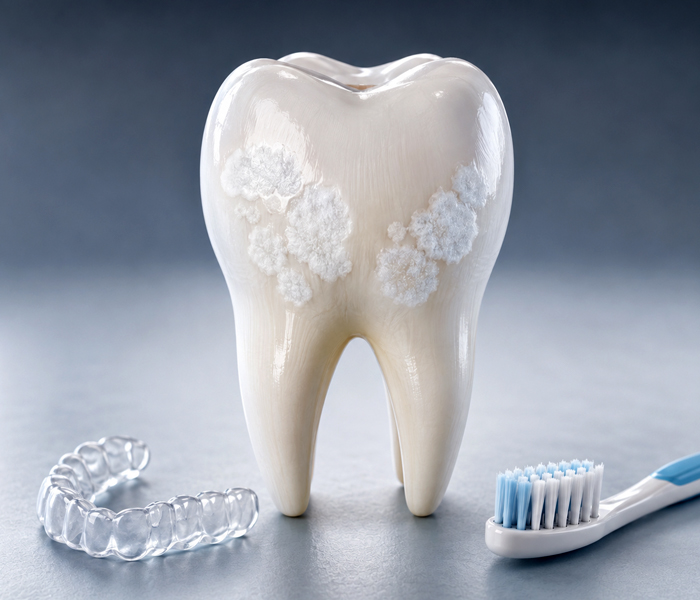
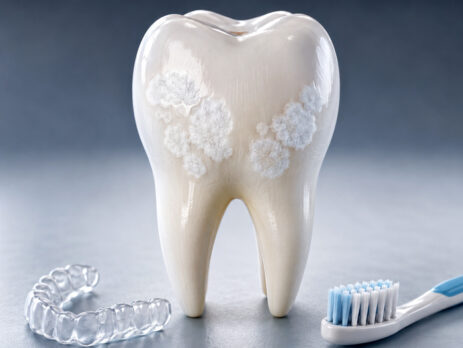
White spots that form on teeth are often seen by most people as merely an aesthetic problem at first glance; however, they are actually an important clinical finding that can be related to mineral loss in the tooth enamel, developmental enamel defects, fluorosis, early caries, plaque accumulation after orthodontic treatment, and some systemic or local factors. The appearance of white spots sometimes begins as very faint, chalky opaque areas on the tooth surface; at other times, it takes on a distinct and widespread appearance. Therefore, correctly identifying the cause directly affects the success of the treatment to be applied.
When the structure of tooth enamel is disrupted, the way light reflects from the tooth surface changes. Healthy enamel is smoother and more translucent; when mineral loss begins, micropores form beneath the surface, and these areas appear different from the surrounding tissue. Therefore, while white spots can sometimes be the “first signal of decay,” they can also be an indication of a non-carious developmental condition. At Melsadent, such findings should be evaluated based on the patient’s age, habits, oral hygiene, fluoride exposure, and existing treatment history.
What Are the Most Common Causes of White Spots?
One of the most common causes of white spot formation on teeth is incipient decay. Bacteria present in plaque break down sugars and fermentable carbohydrates to produce acid. This acid leads to the extraction of calcium and phosphate from the enamel surface. In the initial stage, as the enamel surface is not yet broken, the appearance can be white, dull, and opaque. That is, a “white spot” stage can be observed before the decay progresses. This period, when detected early, is the most advantageous stage for treatment.
Another important cause is fluorosis. During childhood, excessive fluoride intake can affect enamel development while teeth are still developing. In this situation, white lines, white specks, or widespread opaque areas may appear. Fluorosis typically shows a symmetrical distribution and is often observed on similar teeth within the same mouth. In mild cases, there is only an aesthetic concern, while in more advanced cases, rough enamel surfaces and discoloration may also accompany it.
White spots can also form due to developmental enamel disorders such as enamel hypomineralization and hypoplasia. In these conditions, the enamel may not mature sufficiently or develop to an adequate thickness during tooth formation. As a result, the enamel can be opaque, weak, and sensitive. This condition can be observed especially in children; on primary (milk) teeth, permanent first molars, or anterior teeth.
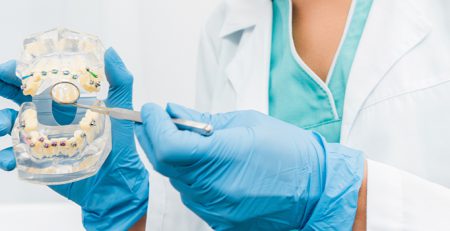
The risk of white spots may also increase in patients undergoing orthodontic treatment. Fixed braces and wires facilitate plaque accumulation on the tooth surface. If cleaning is not performed adequately, demineralization areas can develop around the brackets. These white spots can negatively affect smile aesthetics, especially after treatment. Similarly, dry mouth, frequent consumption of acidic beverages, inadequate brushing, nocturnal snacking, and poor dietary habits also increase the risk.
Sometimes, white spots can also be caused by trauma, micro-cracks formed on the enamel surface, prolonged lack of intensive plaque control, or febrile illnesses experienced during childhood. Therefore, it is not correct to make a definitive diagnosis based on a single appearance. Clinical examination and, if necessary, additional evaluation are required.
What Complaints Are Associated with White Spots on Teeth?
White spots do not always cause pain. In fact, for many patients, they can remain an aesthetic concern noticed only in the mirror for a long time. However, in some cases, cold sensitivity, sweetness sensitivity, a rough feeling on the tooth surface, or a catching sensation during brushing may accompany them. If the spot turns into active decay, browning, surface softening, and pitting may also develop over time.
White spots, especially those on the front teeth, can affect the patient’s self-confidence. Their increased prominence in photos when smiling leads to more aesthetic complaints. In children, parents often describe them as ‘chalky areas on the teeth’, ‘matte spots’, or ‘a part of the tooth seems to be a different color’. This description is quite valuable for reaching a correct diagnosis.
What is the Difference Between a White Spot and Tooth Decay?
Not every white spot is decay; however, every white spot should be taken seriously. In incipient decay, the surface integrity is usually preserved, the enamel becomes opaque (matte), and its appearance becomes more distinct when dried. On the other hand, in fluorosis or developmental enamel defects, the spot is more symmetrical, more stable, and often related to the tooth’s developmental period. Decay lesions, however, tend to appear especially in areas with high plaque retention, near the gum line, or around brackets.
Making this distinction is important because the treatment approach changes. While remineralization and preventive methods are prioritized in active incipient caries, aesthetic correction methods may come to the forefront more in cases of fluorosis or developmental opacities. Therefore, an accurate diagnosis prevents unnecessary procedures and helps preserve natural tooth structure.
How Are White Spots on Teeth Diagnosed?
The diagnostic process begins with a careful clinical examination. The dentist evaluates the distribution, symmetry, surface structure, relationship with surrounding tissues, and the patient’s history. For children, fluoride use, drinking water source, toothbrushing habits, frequent snacking, orthodontic history, and the presence of sensitivity are inquired about. If necessary, photography, follow-up examinations, and risk assessment are performed.
Visual examination is often sufficient; however, additional tests may be required in some cases. Surface activity is assessed, especially if incipient caries is suspected. Drying the tooth surface can make the spot more prominent. Whether the spot is active or arrested affects the treatment plan. Therefore, rather than “leaving the white spot as is,” determining its cause is a more appropriate approach.
What Are the Treatment Options for White Spots on Teeth?
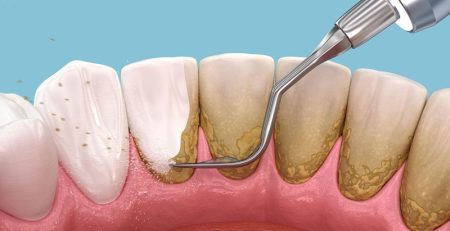
Treatment is determined by the cause of the spot, its depth, whether it is active or not, and the patient’s aesthetic expectations. The first step is often conservative and remineralizing approaches. Fluoride varnishes, appropriate fluoridated toothpastes, and professional oral hygiene can help reverse initial mineral loss. With regular check-ups and good plaque control, the appearance of some early lesions can significantly improve.
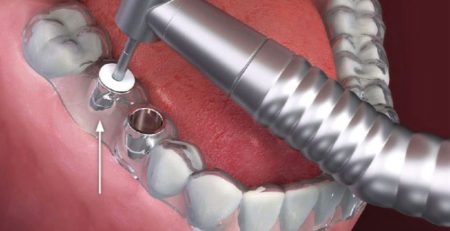
For active or aesthetically significant white spots, resin infiltration is one of the frequently used minimally invasive options. In this method, a special material that can penetrate the enamel surface at a micro-level is applied, reducing the optical appearance of the spot. The enamel tissue is largely preserved. It can provide advantages especially in cases of early caries or some white spot lesions.
Another option is microabrasion. In this method, a very thin layer of the enamel surface is controllably removed, and the opaque appearance on the surface can be reduced. It may be preferred especially for superficial white spots. However, in deeper or more widespread cases, it may not be sufficient on its own.
For white spots caused by fluorosis, whitening, microabrasion, infiltration, or composite aesthetic restorations can be combined. If the spot is very deep, widespread, or prominent enough to disrupt the surface integrity, bonding or porcelain-based restorative solutions are considered. However, the goal is always to achieve the best aesthetic result with the least possible tissue removal.
For white spots that form after orthodontics, the priority is to determine whether the spot is active. If it is not active, aesthetic treatments can be planned. If it is active, remineralization and control are provided first. At this point, the dentist’s experience and correct timing are very important.
Does Teeth Whitening Remove White Spots?
Teeth whitening can, in some cases, reduce the prominence of white spots by improving overall color uniformity; however, it does not eliminate every white spot. Especially in developmental opacities like fluorosis, whitening alone may not be sufficient. In some cases, it can even make the color difference more noticeable. Therefore, the decision for whitening should be made after examination.
Melsadent’s tooth whitening approach primarily requires focusing on the source of the stain in patients with white spot complaints. If necessary, whitening, infiltration, or restorative treatments are planned sequentially. Preserving natural tooth tissue while achieving the aesthetic goal is the fundamental principle.
Why Are White Spots on Children’s Teeth Discussed More Frequently?
The appearance of white spots is more significant in children because their teeth are in the developmental stage. In this age group, early caries, fluorosis, and enamel developmental disorders can be more frequently observed. The first sign noticed by parents is often the dull, chalky areas that form on the front surface of the tooth. Regular check-ups with a pediatric dentist help determine the cause of these spots early on.
During a pediatric dentistry examination, the child’s tooth brushing habits, nighttime bottle use, sugary drink consumption, fluoride exposure, and oral hygiene are evaluated. If necessary, the risk of caries is reduced with protective fluoride applications, fissure sealants, and appropriate dietary recommendations. It is much safer to get an early evaluation when white spots are noticed in children, rather than waiting.
What Can Be Done to Prevent White Spots?
Prevention is always more valuable than treatment. Brushing teeth at least twice a day with the correct technique, using toothpaste containing appropriate fluoride, and increasing plaque control with dental floss or interdental brushes reduces the risk of white spots. It is also important not to consume sugary and acidic drinks frequently, to limit nighttime snacks, and to reduce habits that lead to dry mouth.
Cleaning should be a bit more detailed in patients undergoing orthodontic treatment. The area around the brackets, under the wires, and the gumline require special attention. A soft-bristled toothbrush, interdental cleaners, and regular dental check-ups are very beneficial in this regard. In children, fluoride use should be planned according to the dentist’s recommendation; unnecessary or uncontrolled fluoride exposure should be avoided.
Regular dental check-ups play a critical role in detecting early white spots. Because lesions detected early can be managed with more conservative methods. In advanced lesions, treatment options can be both more costly and more invasive.
When Should You Consult a Dentist?
If white spots are noticed on the teeth, especially if the spot grows rapidly, develops a rough surface, sensitivity occurs, or browning begins in the same area, a dentist should be consulted. This situation is even more important if white areas are observed on newly erupted permanent teeth in children. White spots that appear after orthodontic treatment should also not be delayed.
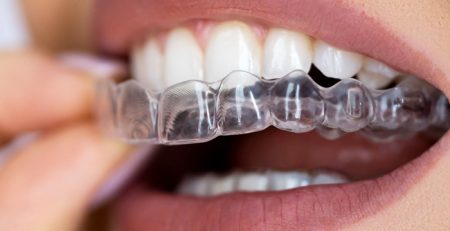
At Melsadent Oral and Dental Health Polyclinic, such aesthetic and preventive dentistry issues are addressed with a personalized assessment. When necessary, a care plan accompanying tooth whitening, restorative treatment, periodontal support, pediatric dental follow-up, or clear aligner treatment can be created. The treatment goal is not only to reduce the stain but also to lower the risk of recurrence.
Frequently Asked Questions
Do white spots on teeth disappear on their own?
Some early decay-related spots may diminish with good oral hygiene and remineralization; however, fluorosis or developmental enamel defects typically do not disappear completely on their own.
Are white spots the beginning of decay?
Sometimes, yes. Especially chalky, dull, and newly formed spots can indicate incipient decay. However, not every white spot is decay.
Does fluoride cause white spots?
Uncontrolled and excessive fluoride exposure during childhood can lead to fluorosis. However, fluoride used in the correct dosage and under a physician’s recommendation is protective against decay.
Does teeth whitening completely eliminate white spots?
Not always. In some cases, it reduces their appearance; in other cases, infiltration, microabrasion, or restorative treatment is required.
Is the formation of white spots after orthodontics normal?
It can be seen relatively frequently; however, it should not be dismissed as “normal.” Demineralization can develop if cleaning around the brackets is not done properly.
What should I do if I see white spots in children?
A pediatric dentist examination should be scheduled. Early evaluation is very important in distinguishing between decay and developmental issues.
What is the most effective treatment for white spots?
There isn’t a single most effective method. Depending on the cause of the spot, fluoride, resin infiltration, microabrasion, whitening, or restorative treatment is chosen.
Is it possible to prevent white spots?
Yes. Regular brushing, correct fluoride use, sugar control, interdental cleaning, and routine check-ups significantly reduce the risk.
Although white spots on teeth may appear as a simple discoloration on the surface, different underlying causes can exist. Early decay, fluorosis, enamel hypomineralization, post-orthodontic demineralization, and poor plaque control are among the primary causes. When a correct diagnosis is made, treatment can often be much more conservative, comfortable, and aesthetic. Therefore, white spots should be considered not merely an aesthetic flaw, but an important indicator of oral health.
At Melsadent, the aim is to accurately determine the cause of the stain, preserve natural tooth tissue, and create the most suitable aesthetic-outcome-oriented treatment plan for the patient. Early consultation when white spots are noticed significantly increases both treatment success and long-term oral health.
References
- White spot lesions: diagnosis and treatment – a systematic review
- AAPD Fluoride Therapy Best Practices
- AAPD Pediatric Restorative Dentistry Guideline
- StatPearls: Dental Fluorosis
Internal Links
- Our Treatments
- Teeth Whitening (Bleaching)
- Clear Aligners / Wire-Free Orthodontics
- Pediatric Dentistry (Pedodontics)
- Gum Treatment (Periodontology)
- Restorative Dental Treatment
- Dental Prostheses