Is Sensitivity After Tooth Whitening Normal?
Is sensitivity after teeth whitening normal? Yes, temporary tooth sensitivity and hot-cold sensitivity lasting a short period after professional teeth whitening is a common condition observed in many people. Especially in the first hours after the procedure, a short and sharp sensitivity may be felt when drinking cold water, breathing, or in contact with hot or cold foods. In most cases, this condition decreases over time. However, it is important that very severe pain, concentrated in a single tooth, gradually increasing, or persisting for a long time, is not solely attributed to whitening and should be evaluated by a dentist.
Active ingredients such as hydrogen peroxide or carbamide peroxide used in teeth whitening penetrate tooth tissues, changing the structure of molecules that cause discoloration. During this process, chemical stimuli reaching the inner layers of the tooth can cause temporary sensitivity. The intensity of sensitivity can vary depending on the individual’s tooth structure, existing sensitivity level, the whitening method used, and the concentration of the active ingredient.
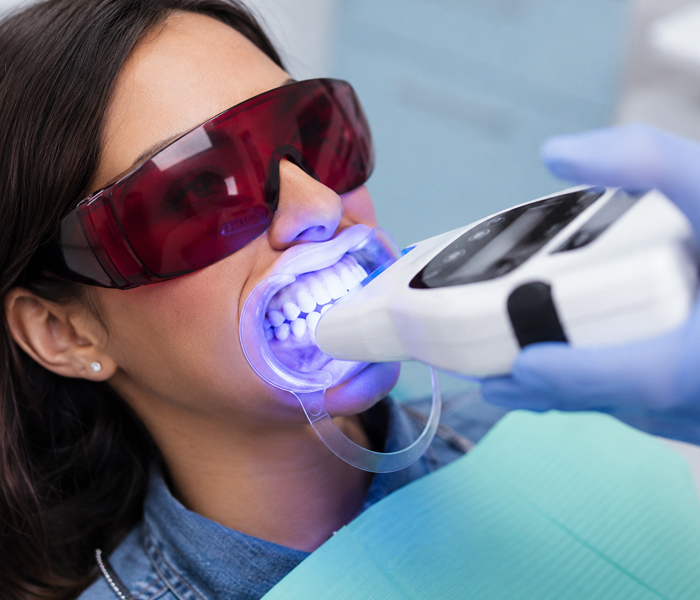
In professional tooth whitening (bleaching) procedures applied at Melsadent Oral and Dental Health Polyclinic, personalized assessment is important. Especially for individuals who have previously experienced tooth sensitivity, gum recession, or enamel wear, a pre-procedure dental check-up can help plan a more comfortable whitening process.
Is Sensitivity Normal After Tooth Whitening?
Mild to moderate temporary sensitivity that occurs after tooth whitening is an expected effect in most cases. Patients can generally describe this feeling as “a short pain like an electric shock”, “sudden sensitivity to cold”, “a subtle pain coming from inside the tooth”, or “sensitivity when exposed to air.”
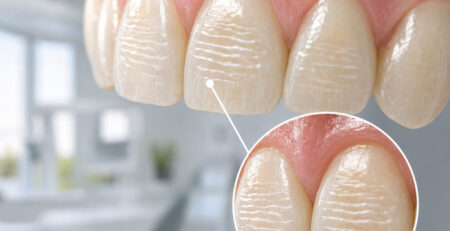
The main reason for this situation is that the bleaching agent can pass through the tooth enamel and reach the dentin layer. Within the dentin, there are microscopic tubules connected to the pulp, an area where nerves are located. Temporary biological changes that occur during whitening can make this area more sensitive to external stimuli.
Therefore, short-term cold sensitivity immediately after the procedure does not, by itself, mean that whitening was unsuccessful or that the tooth was damaged. However, not all pain is the same. The duration, intensity, and location (which tooth it occurs in) of the complaint should be evaluated.
Why Does Tooth Sensitivity Occur After Whitening?
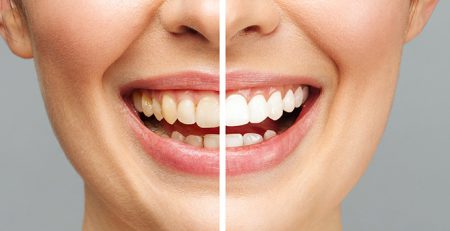
Multiple factors can play a role in the development of sensitivity after whitening. One of the most important factors is the movement of the active components of the bleaching agent within the tooth tissues. Peroxide-based substances used in professional whitening procedures break down organic molecules that cause discoloration, making teeth appear lighter.
During the passage of these substances through the enamel and dentin, a temporary stimulation may occur in the tooth pulp. The reason why some people experience no sensitivity while others experience noticeable throbbing is due to the different structural properties of teeth and individual sensitivity thresholds.
Factors that may increase the risk of sensitivity include:
- Existing tooth sensitivity prior to the procedure,
- Exposure of root surfaces due to gum recession,
- Abrasion or erosion of the enamel layer,
- Presence of cracks or fractures in the teeth,
- Presence of decay or leaking old fillings,
- The person already being sensitive to hot and cold stimuli,
- Uncontrolled or excessively long use of whitening products,
- Performing procedures with high-concentration products contrary to the dentist’s recommendation.
It may be beneficial for individuals who have previously experienced similar complaints when consuming hot or cold foods/drinks to learn about the causes and solutions for tooth sensitivity and to undergo a dental examination before whitening.
How Long Does Sensitivity Last After Tooth Whitening?
“How many days does sensitivity last after tooth whitening?” is one of the most frequently asked questions by patients. It is not possible to give the same duration for every patient. Sensitivity is usually felt more prominently in the first few hours after the application and gradually decreases.
For some individuals, the complaint may only last a few hours, while for others it may persist for a few days. The whitening method used, product concentration, the initial condition of the teeth, and the individual’s sensitivity threshold can all influence this duration.
What is important here is that the complaint generally tends to subside. If the throbbing increases day by day, is severe in only one tooth, continues as spontaneous throbbing, or reaches a level that disrupts sleep, it should be investigated whether there is a different dental problem.
Why Do Teeth Ache with Cold Water After Teeth Whitening?
One of the most frequently noticed complaints after whitening is the sudden throbbing of teeth when drinking cold water. Cold stimuli can create fluid movement in the microscopic channels within the dentin, and this movement can lead to the stimulation of nerve endings. Since teeth can temporarily become more sensitive immediately after whitening, even cold water, which normally doesn’t cause a problem, can create a short-lived sharp sensation.
Therefore, in the period following the procedure, very cold drinks, iced products, and extreme hot-cold transitions can make sensitivity more pronounced. Individuals experiencing discomfort can opt for lukewarm or near room temperature foods and drinks for a while longer, in line with their dentist’s recommendations.
Is There Sudden, Electric-Shock-Like Sensitivity After Whitening?
Some patients may experience sudden, electric-shock-like throbbing sensations lasting a few seconds, even without eating or drinking anything, in the first hours after the whitening procedure. Post-whitening sensitivity does not necessarily only occur upon hot or cold contact.
However, the frequency and intensity of these types of sensations are important. Mild and short-lived sensitivity should be distinguished from continuous, throbbing, or pain concentrated in a single tooth. Especially if there is a tooth known to have been problematic beforehand, an examination should not be neglected.
How Does Sensitivity After Teeth Whitening Subside?
The first thing people experiencing sensitivity after teeth whitening should do is follow the aftercare recommendations of the dentist who performed the procedure. Since every patient’s oral and dental structure is different, personalized recommendations are more valuable than general advice.
The main practices that can help reduce sensitivity are:
- Avoiding extremely hot and extremely cold foods in the first few days,
- Temporarily limiting iced beverages,
- Reducing the consumption of acidic drinks and foods,
- Not brushing teeth with harsh movements,
- Preferring a soft-bristled toothbrush,
- Using sensitivity-reducing toothpastes recommended by the dentist,
- Applying sensitivity-reducing or remineralization-supporting products if recommended by the dentist,
- If at-home whitening is being performed, maintaining the application duration and frequency as determined by the dentist.
In a systematic review published in 2024, the effect of sensitivity-reducing toothpastes in controlling tooth sensitivity related to whitening was evaluated. However, since scientific studies can report variable results between different active ingredients and application protocols, a dentist’s assessment would be more appropriate than an individual deciding which product to use on their own.
Can Sensitivity-Reducing Toothpaste Be Used?
Sensitivity-reducing toothpastes containing potassium nitrate, fluoride, or different mineral components are among the products used in the management of tooth sensitivity. While some clinical research indicates that certain sensitivity-reducing ingredients may be beneficial, the results of studies can vary depending on the product content and the whitening protocol used.
Therefore, it is preferable that the toothpaste to be used, especially after professional whitening, be determined according to the dentist’s recommendation. Unconscious use of products with excessive abrasive properties can lead to undesirable effects on tooth surfaces.
What Not to Eat and Drink After Teeth Whitening?
In the initial period after whitening, dietary habits are important both for sensitivity and for preserving the achieved color. Especially for individuals with sensitive teeth, avoiding very cold and very hot products can provide comfort.
Products that may be beneficial to pay attention to in the first few days include:
- Iced beverages,
- Very hot coffee and tea,
- Highly acidic beverages,
- Carbonated drinks,
- Lemon and products containing high acid,
- Very hot soups,
- Extremely cold ice cream and similar products.
You should also follow your dentist’s dietary recommendations regarding discoloration after whitening.
Can Coffee Be Drunk After Teeth Whitening?
Immediately after teeth whitening, coffee consumption should be evaluated not only in terms of discoloration but also sensitivity. Very hot coffee can trigger sensitivity in sensitive teeth. Additionally, coffee is a beverage containing color pigments.
Since the duration for which coffee, tea, and products with intense pigments should be avoided after whitening may vary depending on the applied whitening protocol, following your dentist’s recommendation will be the most appropriate approach.
Is Gum Sensitivity Normal After Teeth Whitening?
Temporary gum irritation may be observed if the agent used during whitening comes into contact with the gums. This is one of the reasons why special barriers are used to protect the gums in clinical applications.
While mild and short-term gum sensitivity may occur, a dentist should be contacted if there is significant burning, sores, discoloration, or persistent pain. For more detailed information on this topic, Melsadent’s guide on post-tooth whitening sensitivity and gum reactions can also be reviewed.
Does In-Office Whitening Cause More Sensitivity?
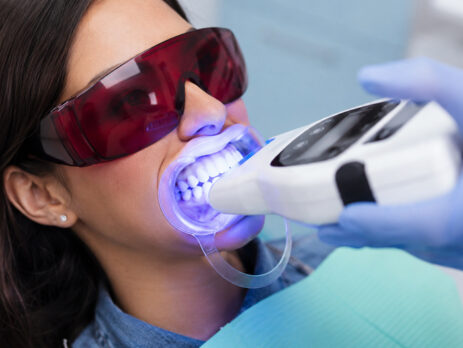
In-office whitening is a professional method applied under the supervision of a dentist in a clinical setting. The concentration of the active ingredient, application time, and protocol used in at-home and in-office whitening may differ. Therefore, the sensitivity experience varies from person to person and from application to application.
High concentration alone does not necessarily mean the patient will experience more pain. It is important for the dentist to evaluate the mouth and teeth before the procedure, choose the appropriate protocol, and plan measures for sensitivity control when necessary.
You can find detailed information about in-office, at-home, and combined whitening options on the Melsadent tooth whitening page.
What Should Be Done If Sensitivity Occurs During At-Home Tooth Whitening?
In at-home whitening applications performed under dental supervision, the usage duration of the tray and the amount of whitening gel can be determined specifically for each individual. If significant sensitivity occurs during treatment, it is not advisable to use more gel on your own or to increase the application time.
In case of sensitivity, it will be safer for the dentist to decide whether to change the application program, pause it, or use a supportive sensitivity-reducing product.
Does Teeth Whitening Damage Tooth Enamel?
The safety of professional teeth whitening depends on factors such as the characteristics of the product used, its concentration, application duration, the patient’s oral and dental health, and how the application is performed. Therefore, it is important that whitening is planned under the supervision of a dentist.
However, uncontrolled and frequent use of high-concentration products obtained from the internet or unreliable sources should not be evaluated in the same category as professional treatment. Applying for longer than the recommended duration to achieve whiter results can increase sensitivity and may lead to undesirable outcomes in oral tissues.
Why is an Examination Important Before Teeth Whitening?
Whitening should not be considered a standard cosmetic procedure to be applied directly to every patient. First, the cause of the discoloration and any existing problems within the mouth must be determined.
For example, if there is tooth decay, a crack, a leaking filling, worn enamel, or significant gum recession, it is important to evaluate these before the procedure. This is because pain believed to arise after whitening may actually be due to a pre-existing problem.
Furthermore, in some cases where discoloration on the tooth is related to tartar or superficial stains, a different procedure may be necessary. Those who want to learn about professional cleaning can review the content on tartar cleaning.
Is Tartar Cleaning Performed Before Whitening?
For patients with calculus, plaque, or intense superficial stains, professional cleaning can be planned according to the dentist’s evaluation. The aim is to create a healthy and clean oral environment suitable for teeth whitening treatment.
However, applying the same treatment sequence to every patient is not correct. Personalized planning should be done after evaluating gum health, amount of calculus, restorations, and existing sensitivity.
Which Sensitivity After Teeth Whitening Is Not Normal?
It is not correct to consider every pain after whitening as “normal sensitivity.” Some symptoms may require investigation of another dental problem.
Dental check-up is recommended in the following situations:
- Increasing intensity of pain,
- Very intense pain in a single tooth,
- Prolonged throbbing sensation,
- Pain that wakes you up from sleep at night,
- Pain felt when pressing on the tooth or chewing,
- Significant burning or wound formation on the gums,
- Swelling observed in the face or gums,
- Sensitivity continuing to increase contrary to the expected recovery process.
Clinical examination may be necessary as these symptoms could be related to decay, a crack, a restoration problem, gum problem, or a different dental condition.
Can the Risk of Sensitivity Be Reduced Before Teeth Whitening?
Even if sensitivity cannot be completely prevented, it is possible to assess the risk. Before the procedure, it is important to identify existing tooth sensitivity, check for decay and cracks, evaluate gum recession, and determine the appropriate whitening protocol.
In scientific studies, various sensitivity-reducing agents such as potassium nitrate, fluoride, calcium-phosphate compounds, nano-hydroxyapatite, and different biologically active materials have been investigated. Although positive results have been reported in some studies, it cannot be said that all products and protocols are equally effective.
Therefore, instead of considering a single product seen online as a definitive solution suitable for everyone, a more appropriate approach is for the dentist to create a personalized sensitivity management plan.
Is It Right to Repeat the Procedure Frequently for Whiter Teeth?
The approach of “the more frequently it’s done, the whiter it gets” is not correct for teeth whitening. The frequency of whitening should be determined according to the person’s initial shade, tooth structure, the method applied, dietary habits, and previous applications.
Especially using whitening products repeatedly and uncontrollably can increase sensitivity. The frequency at which professional whitening can be repeated should be decided together with your dentist.
In addition to teeth whitening, individuals interested in different aesthetic treatment options can also get information about aesthetic dentistry and smile design applications.
How Long Do Teeth Whitening Results Last?
The duration for which whitening results are maintained varies from person to person. The frequency of consuming tea, coffee, cigarettes, and foods rich in pigments; oral hygiene habits, and the initial cause of discoloration can affect how long the results are preserved.
Even though the term “permanent tooth whitening” is used, it should not be forgotten that natural teeth can re-stain over time. For detailed information, the guide on permanent tooth whitening methods can be consulted.
How Are 2026 Tooth Whitening Prices Determined?
Tooth whitening prices should not be evaluated based on a single figure. Whether the method to be applied is in-office, at-home, or combined; the system used, the number of sessions, and the patient’s needs can affect the treatment plan.
Therefore, instead of prices seen on the internet, a personalized treatment plan created after a current examination should be taken into account. For current information, the 2026 tooth whitening prices page can be visited.
What Do Scientific Studies Say About Sensitivity After Tooth Whitening?
Tooth sensitivity related to whitening has long been one of the topics researched in restorative and aesthetic dentistry. Current scientific studies investigate not only the causes of sensitivity, but also the effects of different whitening protocols and desensitizing agents.
A systematic review published in Clinical Oral Investigations journal in 2024 evaluated the effects of desensitizing toothpastes on whitening-related sensitivity. In another systematic review and meta-analysis published in the same year, the effects of application durations of at-home whitening gels on color change and sensitivity were examined.
In randomized clinical studies published in the Journal of the American Dental Association, the effects of desensitizing agents like potassium nitrate in different protocols have been investigated. And in a randomized controlled study published in the Journal of Dentistry in 2026, the effect of a bioactive glass-based desensitizing material on in-office bleaching-related sensitivity was evaluated.
The general message from scientific literature is that a single method for managing sensitivity does not yield the same result in every patient. Therefore, it is important to determine the treatment protocol according to individual risk factors.
Tooth Whitening and Sensitivity Management at Melsadent
The goal of tooth whitening is not merely to achieve the lightest possible tooth shade; it is to create an aesthetic and controlled result that is suitable for the individual’s oral and dental structure. Therefore, it is important to evaluate the teeth, fillings, gums, and existing sensitivity before the procedure.
At Melsadent Oral and Dental Health Clinic, tooth whitening treatment can be planned by evaluating the individual’s needs, existing tooth shade, and oral health. Should sensitivity occur after whitening, the characteristics of the complaint can be evaluated, and necessary recommendations can be specifically determined for the individual.
If you are considering tooth whitening but are wondering, “My teeth are very sensitive, can I still get whitening?” the most accurate answer can be given after a detailed dental examination.
Frequently Asked Questions
Is sensitivity after teeth whitening normal?
Yes. Short-term hot-cold sensitivity and sudden pangs can be observed after whitening. The severity and duration of the complaint vary from person to person. However, pain that gradually increases or persists for a long time should be evaluated by a dentist.
How many days does sensitivity after teeth whitening last?
While sensitivity may last only a few hours for some individuals, it can persist for a few days for others. Generally, the discomfort is expected to subside over time. In cases that prolong or intensify, consult your dentist.
Is sensitivity when drinking cold water normal after teeth whitening?
Cold sensitivity is one of the common complaints after whitening. It is expected to be temporary. If there is very severe or prolonged sensitivity, an examination may be required.
Can hot coffee be drunk after teeth whitening?
Very hot coffee can increase sensitivity. As coffee also contains coloring pigments, it would be advisable to follow your dentist’s recommendations regarding the timing of consumption after whitening.
Is pain like an electric shock normal after whitening?
Short-term and sudden pangs may be observed in some individuals. However, continuous, severe, or pain concentrated in a single tooth may differ from normal whitening sensitivity and should be checked.
Which toothpaste should be used for sensitivity after teeth whitening?
There are products containing potassium nitrate, fluoride, and various sensitivity-reducing ingredients. However, since the same product may not be suitable for everyone, it would be more appropriate to use the product recommended by your dentist.
Is there pain during teeth whitening?
Patients’ experiences vary. While some individuals experience no issues during the procedure, temporary sensitivity may occur during or after the application in others.
Can pain relievers be taken after teeth whitening?
Unnecessary or uncontrolled medication use is not recommended. If the pain is significant, you should consult your dentist or physician about whether the medication to be used is suitable for your personal health condition.
Is tooth whitening sensitivity permanent?
The typical sensitivity associated with whitening is mostly temporary. In cases of prolonged sensitivity, it is necessary to evaluate whether there is decay, cracks, gum recession, or another dental problem.
Can sensitive teeth be whitened?
Each patient should be evaluated individually. A pre-procedure examination is especially important for individuals with pre-existing sensitivity. The dentist can determine the appropriate method based on your current condition and, if necessary, measures to reduce sensitivity.
What should be done if teeth ache during at-home whitening?
Do not increase the amount of gel or the application time beyond the program given by your dentist. If significant sensitivity occurs, contact your dentist and ask for the treatment program to be re-evaluated.
Does tooth whitening damage tooth nerves?
Professional applications are planned taking into account patient and product characteristics. The occurrence of temporary sensitivity alone does not mean that the tooth nerve is permanently damaged. Clinical evaluation is required for continuous or severe pain.
Is gum burning normal after whitening?
Contact of the whitening agent with the gums can cause temporary irritation. If there is significant burning, sores, or prolonged discomfort, it is recommended to contact your dentist.
Why do teeth ache when exposed to air after whitening?
Due to the temporary sensitivity that can occur in the dentin and pulp region after whitening, even airflow can trigger short-term aching. The discomfort is expected to gradually decrease.
How long does the effect of tooth whitening last?
The duration of the preserved result varies depending on the individual’s oral hygiene, smoking habits, tea and coffee consumption, dietary habits, and the characteristics of the initial discoloration.
Can tooth whitening be done for everyone?
No. First, oral and dental health needs to be evaluated. In individuals with cavities, gum disease, cracks, extreme sensitivity, or different dental problems, the existing issues may need to be assessed first.
When Should You Consult a Dentist for Sensitivity After Tooth Whitening?
Mild and gradually decreasing sensitivity after tooth whitening is often a temporary process. However, it is important to evaluate complaints that are severe, continuous, throbbing, concentrated in a single tooth, or do not decrease within a few days.
Especially if additional symptoms such as swelling, night pain, pain during chewing, gum sores, or significant sensitivity to heat are present, it should not be assumed that it is merely “normal post-whitening sensitivity.”
Professional evaluation and a personalized whitening protocol are important to achieve a whiter smile without compromising dental health. For a detailed evaluation regarding tooth whitening and post-whitening sensitivity, you can contact Melsadent Oral and Dental Health Polyclinic.
Scientific References and Further Reading
- Cabral AEA et al. Effectiveness of desensitizing toothpastes in reducing tooth sensitivity after tooth bleaching: a systematic review. Clinical Oral Investigations, 2024.
- Gobbo de Melo PB et al. Effect of the reduction in the exposure time to at-home bleaching gel on color change and tooth sensitivity: A systematic review and meta-analysis. Clinical Oral Investigations, 2024.
- Parreiras SO et al. Effect of an experimental desensitizing agent on reduction of bleaching-induced tooth sensitivity: A triple-blind randomized clinical trial. Journal of the American Dental Association.
- Lima NLB et al. Preemptive use of ibuprofen and desensitizer decreases immediate tooth sensitivity after in-office bleaching: A triple-blind, randomized, placebo-controlled clinical trial. Journal of the American Dental Association, 2024.
- Maghaireh GA et al. Effects of a bioactive desensitizing material on in-office bleaching-induced tooth sensitivity: A randomized double-blind controlled trial. Journal of Dentistry, 2026.
Medical Information: This content has been prepared for general informational purposes only and does not replace a dental examination, diagnosis, or personalized treatment plan. If you experience severe or persistent pain after tooth whitening, please consult your dentist.