How to Stop Gum Recession? Symptoms and Treatment Methods
How to Stop Gum Recession?
Gum recession is a condition where the gums recede over time, exposing the tooth roots. This problem, which causes both aesthetic discomfort and can seriously affect oral health, can progress to tooth loss if not detected early. Symptoms such as hot-cold sensitivity, the appearance of elongated teeth, and bleeding while brushing can be harbingers of gum recession.
So, how can gum recession be stopped? The answer to this question varies depending on the cause of the recession. Gum recession can be brought under control with proper oral care, professional dental scaling, regular dental check-ups, and advanced treatment methods when necessary.
What is Gum Recession?
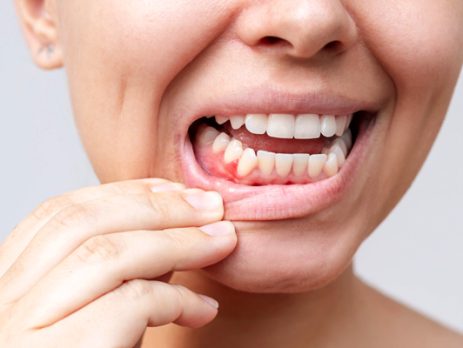
Gum recession is when the gum tissue pulls back from the teeth, making the tooth roots visible. Healthy gums tightly surround and protect the teeth. However, when gum tissue is damaged due to various reasons, this protective structure weakens.
The exposure of tooth roots not only creates aesthetic problems; it also increases the risk of sensitivity, cavity formation, and tooth loss. Therefore, early diagnosis is of great importance.
What Are the Symptoms of Gum Recession?
Gum recession may not be noticed in its early stages because it often progresses slowly. However, when the following symptoms are observed, a dentist should be consulted without delay:
- Teeth appearing longer than normal
- Sensitivity to hot and cold
- Bleeding gums
- Bad breath
- Gum redness
- Visible tooth roots
- Feeling of loose teeth
- Pain during brushing
What Causes Gum Recession?
Gum recession can have many different causes. The most common reasons are:
Incorrect Brushing Technique
Using a hard-bristled toothbrush or brushing teeth with excessive pressure can damage gum tissue. Brushing with an incorrect technique for a long time accelerates gum recession.
Tartar and Plaque Buildup
Plaque that is not regularly cleaned turns into tartar over time. Tartar can lead to inflammation in the gums, causing recession.
Gum Diseases
Advanced gum diseases such as periodontitis cause damage to the gum and bone tissue. This condition is one of the most important causes of gum recession.
Teeth Clenching and Grinding
The habit of teeth clenching, known as bruxism, creates excessive pressure on the teeth and gums. This pressure can lead to gum recession over time.
Smoking
Smoking negatively affects blood circulation in the mouth. It makes it difficult for gum tissue to heal and causes gum diseases to progress.
Genetic Factors
Some individuals are genetically more prone to gum diseases. Even with regular care, gum recession can still occur.
How to Stop Gum Recession?
To stop gum recession, the underlying cause must first be identified. When intervened early, the process can largely be brought under control.
The Correct Tooth Brushing Technique Should Be Used
Teeth should be brushed at least twice a day with a soft-bristled toothbrush using gentle movements. It is recommended to clean with circular motions instead of applying hard pressure.
Dental Floss Use Should Not Be Neglected
Plaque accumulation can occur in areas that the toothbrush cannot reach. Regular use of dental floss helps protect gum health.
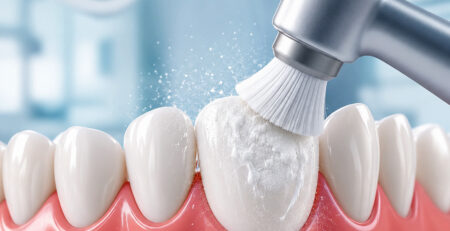
Professional Dental Scaling Should Be Performed
Tartar formation cannot be completely removed with home care. Therefore, regular dental check-ups and professional cleaning are extremely important.
Smoking Should Be Stopped
Smoking accelerates the progression of gum diseases. It is recommended to quit as it reduces treatment success.
Teeth Grinding Problem Should Be Treated
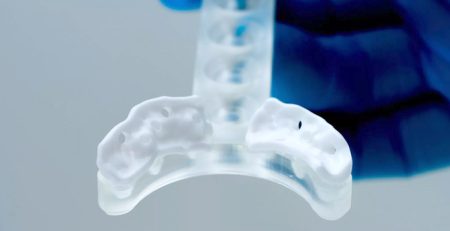
Using a night guard can reduce the pressure of teeth grinding on teeth and gums. Thus, the progression of recession can be slowed down.
Gum Treatments Should Be Performed
In advanced gum recession, treatments such as curettage, flap surgery, or gum graft can be applied. Which method is suitable is determined after a detailed examination.
What Helps with Gum Recession?
It is not possible to completely treat gum recession at home. However, some practices can help slow down the process:
- Using a soft-bristled toothbrush
- Preferring fluoride toothpaste
- Using mouthwash
- Maintain regular oral hygiene
- Reduce sugary foods
- Drink plenty of water
- Avoid smoking
Does Gum Recession Go Away on Its Own?
No. Receded gums do not return to their original state on their own. However, its progression can be stopped with early intervention. In delayed cases, gum and bone loss may increase.
What Happens If Gum Recession Is Not Treated?
Untreated gum recession can lead to more serious problems over time:
- Severe tooth sensitivity
- Tooth root decay
- Gum inflammation
- Bone loss
- Loose teeth
- Tooth loss
- Bad breath
Gum Recession Treatment Methods
Scaling (Dental Calculus Cleaning)
Professional dental scaling can be quite effective for early-stage gum problems.
Curettage Treatment
Inflamed tissues in the gum pockets are cleaned to support gum health.
Flap Surgery
This is a surgical procedure applied in advanced gum diseases. The gum is lifted, and infected areas are cleaned.
Gum Graft
In cases of advanced gum recession, the receded area can be covered with tissue taken from different areas.
How to Prevent Gum Recession?
Regular oral hygiene is of great importance to prevent gum recession. It is possible to maintain gum health for many years with simple precautions.
- Brush teeth with the correct technique
- Use dental floss regularly
- Visit the dentist for a check-up every 6 months
- Do not smoke
- If there is a teeth grinding problem, get treatment
- Eat healthily
The Importance of Early Treatment for Gum Recession
When gum recession is noticed in the early stages, the treatment process becomes easier and more successful. In advanced cases, surgical intervention may be required. Therefore, symptoms such as gum bleeding, sensitivity, or bad breath should not be ignored.
Gum Treatments at Melsadent
At Melsadent Oral and Dental Health Polyclinic, the diagnosis and treatment of gum diseases are carried out using modern methods. After a detailed examination by specialist physicians, a personalized treatment plan is created.
Thanks to early intervention in gum recession treatment, both the aesthetic appearance can be preserved and the risk of tooth loss can be reduced.
Frequently Asked Questions
Can gum recession be stopped?
Yes. With early diagnosis and correct treatment methods, the progression of gum recession can be largely stopped.
Does gum recession go away at home?
No. Home applications can only be supportive. Definitive treatment requires a dentist’s check-up.
Does gum recession cause pain?
It may not always cause pain. However, sensitivity, throbbing, and a feeling of discomfort may be observed.
Does gum recession lead to tooth loss?
Yes. If left untreated, bone loss can occur, and teeth may become loose and lost.
Which doctor should be consulted for gum recession?
For gum recession treatment, a periodontist or a dentist should be consulted.
Does gum recession recur?
It can recur if oral hygiene is neglected or if underlying causes persist.
Can gum recession be treated without surgery?
In the early stage, non-surgical treatment may be possible with dental scaling and regular care.